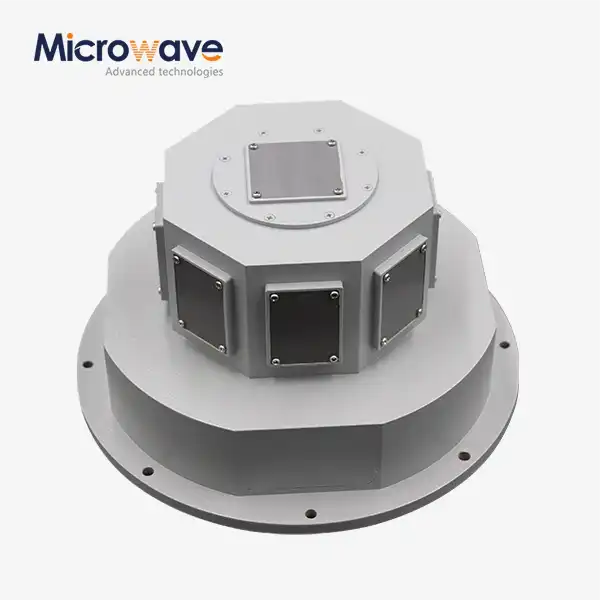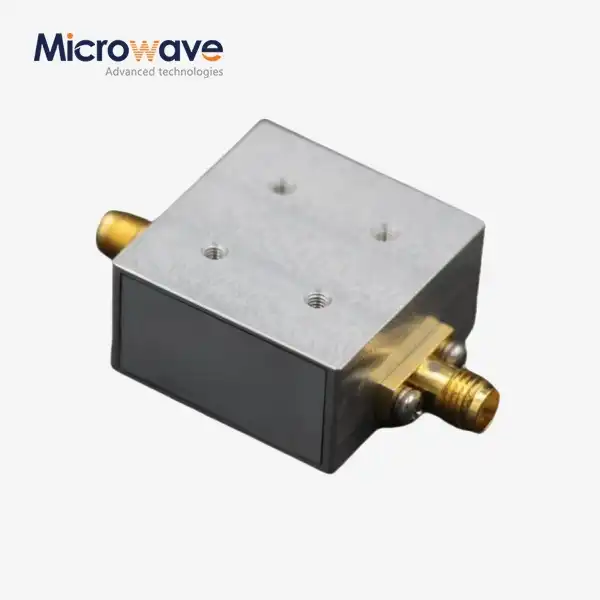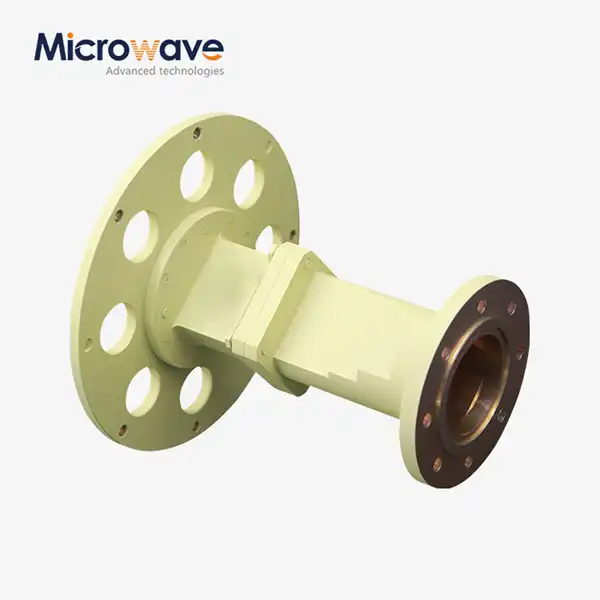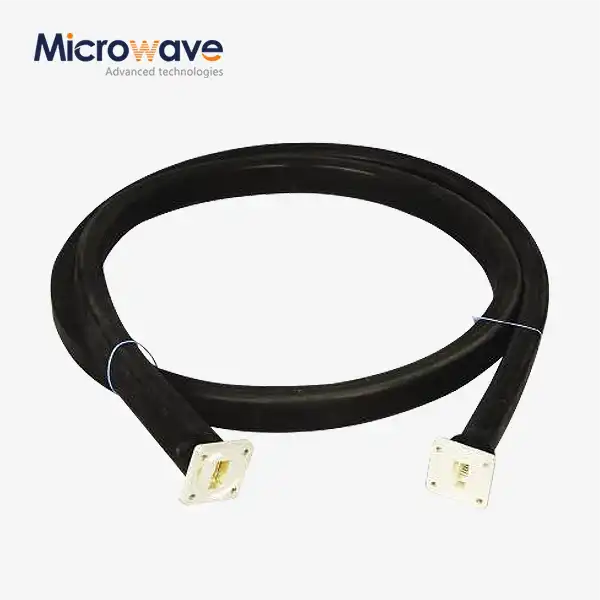





Reliable High Power Coaxial Switch Solutions for Telecom Networks
In the fast-growing world of telecom today, high power coaxial switches are essential for sending and moving signals safely. These specialized RF devices make it possible to switch between transmission lines without any problems. They can handle high power levels (from hundreds of watts to several kilowatts) without affecting the purity of the signal or the system's uptime. Telecom network operators, system designers, and infrastructure makers count on these strong parts to keep base stations, backup systems, and ground station sites running all the time. This guide explains the important things that B2B procurement professionals need to think about when they are looking for these parts. It covers everything from technical specs and evaluating suppliers to ways to improve performance and keep costs down that meet the needs of mission-critical telecom infrastructure.
Understanding High Power Coaxial Switches in Telecom Applications
Coaxial RF switches made for high-power settings are very different from those made for low-power settings. Radio frequency signals are sent through carefully designed transmission lines by these devices, which also handle high temperatures, voltage standing wave ratios, and mechanical forces that would damage regular switches very quickly. We at Advanced Microwave Technologies Co., Ltd. have seen how telecom companies need high power coaxial switches that can handle both continuous wave power and peak spikes without arcing or failing due to heat.
Solid State versus Electromechanical Architectures
Solid-state switches use semiconductor junctions to manage data routes. They can switch between states in microseconds and operate quietly. In automatic test equipment and remote radio head setups, where switching processes happen thousands of times a day, they work very well. Electromechanical switches, on the other hand, use physical contact relays that offer better separation (often over 90 dB) and smaller insertion loss. This makes them better for high-power transmission uses in cellular base stations.
Frequency Range and Technical Specifications
Telecom applications usually work in frequency ranges between 500 MHz and 40 GHz, which includes older cell phone networks, new 5G networks, and upcoming millimeter-wave systems. Due to less skin depth and more electrical stress, the ability to handle power goes down as frequency goes up. A switch that can handle 500 watts at 2 GHz might only be able to handle 100 watts at 18 GHz. This is why frequency-specific selection is so important when buying.
Real-World Deployment Scenarios
Transfer high power coaxial switches are often used in base station setups to switch between the main and backup emitter chains. This way, there is no downtime during repair periods. Multi-port switches are used in RF test labs to send data between network monitors, spectrum analyzers, and support for devices that are being tested. Ground station workers use these switches to control antenna feeds that serve multiple satellite communication links at the same time. During uplink transmission bursts, power levels can hit several kilowatts.
Criteria for Choosing Reliable High Power Coaxial Switches
When procurement teams look at switch choices, they have to weigh a lot of different factors. It is suggested that you use an organized screening method that puts operating needs ahead of original cost concerns.
Power Handling and Thermal Management
There should be both average continuous power and high pulse power limits in the maximum power standard. For TDMA or pulsed radar systems, switches must be able to handle sudden power spikes that are many times higher than their normal rate. It's important to pay attention to the thermal design—check the contact material, which is usually gold-plated beryllium copper, and see if the housing lets enough heat escape through finned surfaces or forced-air cooling.
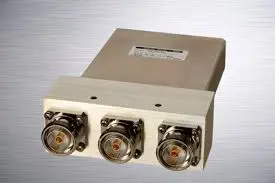
Insertion Loss and VSWR Performance
In telecom systems, where service radius is based on signal strength, every tenth of a decibel counts. Premium switches have voltage standing wave ratios better than 1.20:1 and insertion loss less than 0.15 dB across their working span. These specs have a direct effect on how well the system works because too much loss turns valuable RF power into waste heat instead of signal transmission. Since many datasheets use empty readings that don't show how things work in real life, testing these factors when they are loaded shows how well they really work.
Switching Speed and MTBF Metrics
Solid-state switches can make changes in microseconds, while electromechanical switches need 15 to 50 milliseconds to make a change. Long-term dependability is shown by the mean time between failures, which is recorded in millions of cycles. For telecom equipment, switches must be able to handle at least one million mechanical operations. High-end units must be able to handle five million operations or more. Environmental standards that cover working temperatures from -40°C to +85°C and resistance to humidity make sure that the product works the same way in all installation locations.
Cost-Performance Trade-offs
Mission-critical networks must be reliable, but budget limits must not get in the way of that. Efficient buying is still very important. Comparing the total cost of ownership, which includes upkeep times, the availability of extra parts, and the estimated service life, is a better way to figure out how much something is worth than just looking at the purchase price. When hundreds of switches are deployed on a network, the benefits of buying in bulk become clear. This is because agreed-upon prices and standard parts cut down on both capital costs and inventory confusion.
Advantages and Performance Optimization of High Power Coaxial Switches
High power coaxial switches have a number of practical perks that directly lead to better network speed and lower running costs. These benefits come from careful engineering that solves the main problems of managing RF signals when they are loaded.
Better separation between ports stops emitter energy from getting into receiver chains. This keeps signal-to-noise ratios stable and protects sensitive low-noise amplifiers from damage. Strong power handling lets a single switch assembly control all of a transmitter's outputs, so there's no need for complicated splitting networks. Unplanned repair events that disrupt service and put a strain on business budgets happen less often when control systems are reliable.
Addressing Performance Bottlenecks
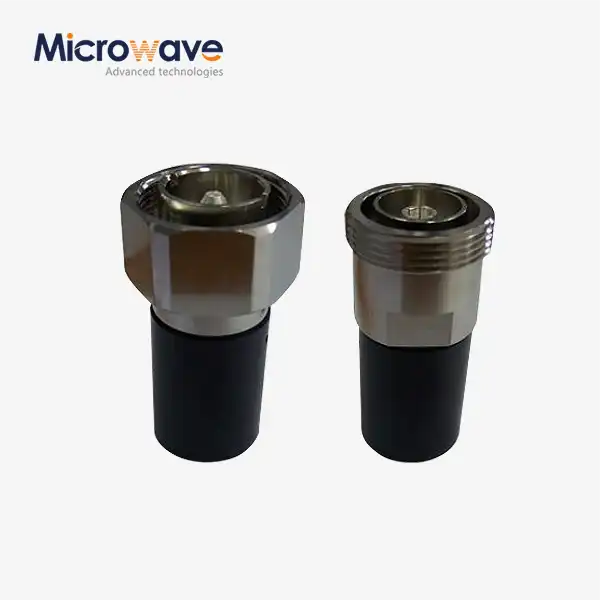
Some common problems are too much insertion loss, which causes heat that lowers long-term dependability, not enough separation, which causes interference between channels, and slow switching times, which make service outage gaps longer during path reconfigurations. To get the best performance, you should choose the right connection ports (7/16 DIN or EIA flanges instead of N-type for high-power uses) and make sure there is proper grounding to reduce stray capacitance. Testing the contact resistance on a regular basis can help find degradation before it happens, which extends the working life.
Verification and Testing Best Practices
Teams in charge of buying things should ask for full S-parameter data that covers the frequency range they want, which can be found through vector network analysis. When it comes to digital communication systems, passive intermodulation testing is very important because PIM goods can fall within receive bands and slow down data flow. Using thermal imaging during continuous power tests proves that the heat is being removed properly. At ADM, our 24-meter Microwave Darkroom lets us test components fully across frequencies from 0.5 GHz to 110 GHz, making sure they meet specs in conditions that are similar to those found in the field.
Leading High Power Coaxial Switch Brands and Custom Solutions in the Telecom Industry
On the global market, several well-known brands are known for their quality and dependability. Pasternack has a large collection with many choices, and many models can be shipped the same day, which is helpful for people who need replacements right away. Mini-Circuits specializes in small, solid-state designs that are ideal for setups with limited room. Keysight Technologies specializes in combining test tools with full software control interfaces.
Different makers offer switches with different frequency ranges. Some can handle frequencies up to 40 GHz, while others focus on lower frequencies that can handle more power. There is a wide range of technical support available. Some companies offer full application engineering help, while others only offer limited advice beyond what is written in published datasheets. Shipping times for stock items are usually just a few days, while planning and production for unique designs can take eight to twelve weeks.
Custom-designed switches can meet specific telecom needs that standard goods can't. Customized solutions are often needed because of unique connection pairings, non-standard frequency bands, or harsh weather conditions. ADM has been making RF components for more than 20 years and offers a wide range of OEM services. Our engineering team works together with customers from the first proposal to full-scale production, making sure that ideas fit in with current systems and meet ISO 9001:2015 quality standards.
For large-scale operations, buying in bulk can save you money and keep your supply chain safe. By negotiating framework deals, you can set regular prices and make sure that parts are distributed evenly during times when some parts are in short supply. Standardizing on certain switch types across multiple places makes it easier to teach technicians and keep track of extra parts, which lowers the complexity of operations.
How to Procure High Power Coaxial Switches for Telecom Networks?
Strategic procurement begins with detailed technical requirements documentation. Network engineers should list the frequency ranges, power levels, switching speeds that need to be met, and weather conditions that the high power coaxial switches will be exposed to. Because of this, providers can suggest the right models and find possible problems early on in the review process.
Evaluating Supplier Reliability
When evaluating a supplier, you should look at their manufacturing skills, quality licenses, and past work on telecom infrastructure projects. ISO approval shows that quality control systems are in place, and RoHS compliance shows that the company cares about the environment. References from similar setups show how well the product works and how good the after-sales help is. Logistics skills in a region affect how reliable deliveries are. Suppliers with well-established distribution networks avoid customs delays and shipping risks that can throw off project schedules.
Purchase Channels and Pricing Strategies
When you work directly with makers, you can get better service for unique needs and big sales. Distributors make it easier to get things from catalogs faster and combine packages that cover more than one product line. Online tools let you quickly compare prices, but they might not offer a lot of expert help. Order number, long-term commitment, and the ability to work with the supplier's production schedule all give you more negotiating power. By getting quotes from several sources, you can set price standards for the market and encourage people to make competitive offers.
Knowing the lead times keeps projects from being held up. Items in stock ship right away, but build-to-order store configurations usually take two to four weeks. Custom designs take at least three months to complete because engineers have to help with the design, test the prototype, and set up production. Schedules for network distribution stay on track when buying activities are planned around these facts.
Conclusion
To choose effective high power coaxial switches, you have to weigh the technical performance, the supplier's skills, and the total cost of ownership against the needs of your telecom network. The parts we've talked about here are important parts of infrastructure whose quality and dependability have a direct effect on the continuation of service and the efficiency of operations. When procurement pros take the time to carefully evaluate, vet, and check the performance of suppliers, they save money on upkeep costs, make tools last longer, and improve network performance. As the telecom industry moves toward higher frequencies and higher power levels, it becomes more and more important to choose the right components for the system.
FAQ
Q1: What distinguishes solid-state switches from electromechanical designs in high power applications?
Solid-state switches use semiconductor junctions to control signals. They can switch on and off in less than 10 microseconds and don't make noise because they don't have any moving parts. They can handle modest amounts of power and have a good lifespan for going on and off a lot. Electromechanical switches use physical relay connections that offer better separation of more than 80 dB and lower insertion loss, which makes them perfect for high-power transmission uses. They need longer switching times, usually between 20 and 40 milliseconds, and their mechanical lives are set and recorded in operating cycles.
Q2: How should procurement teams request technical documentation from suppliers?
To make sure the evaluation is clear, you should ask for full datasheets that include full S-parameter data across the working frequency range, power handling standards for both continuous and peak conditions, weather ratings, and mechanical lifecycle expectations. By asking providers for test results showing how well their products work under load, passive intermodulation data for sensitive applications, and heat management specs, you can accurately compare different products and make sure they will work in the ways you want them to.
Partner with ADM for High-Performance RF Switching Solutions
Advanced Microwave Technologies Co., Ltd has been making precise RF components for more than 20 years and has quality systems that are ISO 9001:2015 approved. They offer reliable coaxial switching solutions. Our engineering team specializes in making custom designs that solve specific problems with telecom infrastructure. These designs can be anything from simple catalog replacements to complicated multi-port systems that need to work in a certain way. We have advanced testing tools up to 110 GHz to make sure every part meets strict requirements before it is shipped as a trusted high power coaxial switch provider. Get in touch with craig@admicrowave.com to talk about your network needs and find out how our fast testing services, low prices, and global logistics support can help you make your infrastructure more reliable while also cutting down on project costs and time.
References
1. Johnson, R.T., & Williams, M.A. (2021). High Power RF Component Design for Telecommunications Infrastructure. International Telecommunications Engineering Consortium Press.
2. Chen, L., & Rodriguez, P. (2020). "Performance Characterization of Coaxial Switches in High-Power Microwave Systems." Journal of RF Engineering and Applications, 45(3), 178-195.
3. Kumar, S. (2022). Procurement Strategies for Mission-Critical Telecom Components. Professional Engineering Publishing.
4. Anderson, D.K., et al. (2019). "Thermal Management in High Power RF Switching Networks." IEEE Transactions on Microwave Theory and Techniques, 67(8), 3421-3434.
5. Martinez, F. & Thompson, J. (2023). Quality Standards and Testing Protocols for Telecom RF Components. Standards Association Technical Publications.
6. White, C.L. (2020). "Reliability Analysis of Electromechanical and Solid State RF Switches in Base Station Applications." Telecommunications Infrastructure Quarterly, 12(2), 89-106.