





How to Test and Maintain Waveguide Power Dividers for Optimal Performance
Testing and maintaining waveguide power dividers requires systematic protocols combining precision measurement equipment with scheduled preventive care. These passive RF components split electromagnetic signals across multiple output paths while preserving signal integrity through controlled insertion loss and isolation. Proper testing involves vector network analysis to measure return loss, insertion loss, isolation, and phase balance against manufacturer specifications, while maintenance encompasses routine inspections, environmental monitoring, and timely cleaning to prevent contamination-induced degradation. Implementing structured testing procedures alongside proactive maintenance schedules ensures mission-critical systems in satellite communications, radar applications, and telecommunications infrastructure maintain peak performance throughout their operational lifecycle.
Understanding Waveguide Power Dividers and Common Performance Issues
Core Operating Principles and Performance Parameters
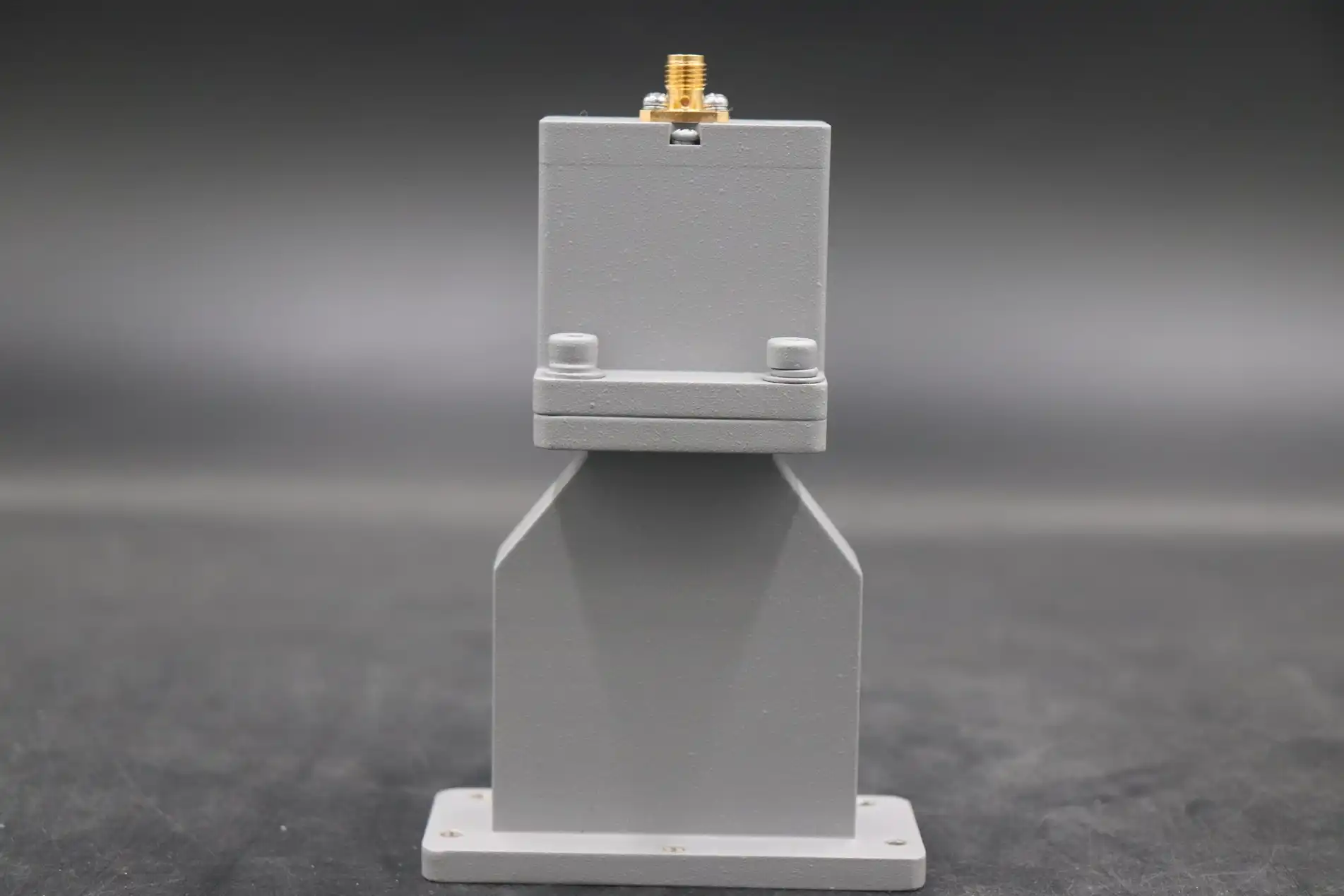
Waveguide Power Divider units divide electromagnetic energy that is moving through hollow metal structures. They usually work in the basic TE10 mode. These parts, unlike coaxial or microstrip options, use physical geometry—T-junctions, Magic Tees, or short-slot hybrids—to distribute power with little ohmic loss. Four important factors form the basis of evaluating performance. Return loss measures the amount of energy that is returned at the input ports. Values below -20 dB mean that the impedance matching is correct. Insertion loss is a way to measure how much power is lost from the input to the output ports. Typical waveguide designs achieve 0.2 to 0.5 dB across certain bands. Isolation between output ports keeps signals from interfering, and high-performance units have separation of more than 20 dB. Phase balance makes sure that the signal travels the same amount of time along all output routes. This is very important for phased array antennas because errors greater than ±5 degrees can make beamforming less accurate.
Degradation Mechanisms Affecting Long-Term Reliability
When we do field exams, physical pollution is one of the most common things that hurts performance. Surface resistance goes up when dust builds up, surfaces oxidize, or water gets in. This directly raises insertion loss. Thermal cycling puts stress on the environment and causes mechanical strain at joint points, which could break flange connections or bend internal septums. Material wear is clear in high-power settings where frequent electromagnetic stress changes the properties of metals over time. Aluminum housings are especially vulnerable to corrosion in marine or seaside settings where salty humidity can get in through surfaces that aren't properly sealed. When aircraft platforms vibrate, they can cause mechanical shocks that can misalign internal connection structures. This can hurt both isolation and phase balance at the same time. By knowing these types of failures, buying teams can set priorities for seller approval criteria, putting more emphasis on hermetic sealing, corrosion-resistant finishes, and mechanical strength when evaluating Waveguide Power Divider vendors.
Systematic Approach to Testing Waveguide Power Dividers
Essential Test Equipment and Calibration Requirements
Vector network analyzers (VNAs) are the building blocks for fully characterizing Waveguide Power Divider components. These tools measure S-parameters over a range of frequencies, giving numbers to all four important performance factors at the same time. The VNA's frequency range should meet your operational band. For example, X-band systems need to be able to cover up to 12.4 GHz, while Ka-band apps need to be able to handle up to 40 GHz.Precision power meters are used along with VNA measurements to check the exact power handling and distribution ratios when the system is under working load. Calibration kits that are made for your waveguide standard (WR-90 for X-band, WR-28 for Ka-band) get rid of the regular measurement mistakes that come from test port gaps. At Advanced Microwave Technologies, our labs keep their calibrations up to national standards. This makes sure that the error in measurements stays below ±0.15 dB across our 0.5-110 GHz test range. Environmental rooms let you test performance at very high and very low temperatures, showing how temperature affects insertion loss and phase stability. When you set up a test, torque wrenches that are calibrated to the flange specs stop any mechanical stress that could throw off measures or damage precision mating surfaces.
Structured Testing Protocol Implementation
Start every review with a visual check to record the state of the flange, the finish on the surface, and the stability of the alignment pins. Connect the divider to the VNA using waveguide connections that are properly torqued. Make sure the seal compression meets the manufacturer's requirements to keep the electromagnetic flow going. Before joining the device being tested, use short-open-load-thru standards to do full two-port calibration at test port interfaces. Do frequency sweeps that measure return loss at the input port. Values below -20 dB across the working span show good performance. Check the insertion loss from each input port to each output port and compare it to the specifications in the datasheet, making sure to account for test setup losses. To measure isolation between output ports, you have to connect a matching load to one port and measure transfer to the port next to it. Values above 20 dB show that the internal septum is properly designed and there is little connection. Phase balance testing checks the difference in phase between the output signals. This is very important for uses like monopulse radar or beamforming networks that need to keep system accuracy to very high standards. Design limits and maintenance problems can be told apart by anomaly analysis. Broadband decline points to contamination or corrosion, while narrowband return loss peaks point to internal resonances caused by manufacturing errors. Asymmetric insertion loss between output lines means that the mechanical parts are not lined up right, while consistent rises across all ports mean that the material is breaking down or the surface is oxidizing. Case studies from radar system repair show how the theory can be used in real life. We found that the separation dropped from 25 dB to 12 dB while we were fixing an S-band fire-control radar. Thermal cycling had weakened the screws that held the internal septum in place, which allowed mechanical vibrations to make irregular contact. To return separation to specification, hardware had to be retorqued, and thread-locking compound had to be applied. This kept expensive early replacement from being needed.
Best Practices for Maintaining Waveguide Power Dividers in Industrial Environments
Routine Inspection and Cleaning Protocols
Visual checks that are planned ahead of time are the basis of preventive maintenance programs for every Waveguide Power Divider. Check the flange surfaces every three months for rust and make sure that the protective finishes are still in good shape and that the gasket gaps haven't changed shape. Check the alignment pins for wear that could make the mating misaligned when the system is put back together. Cleaning methods must find a balance between getting rid of germs and protecting the surface. For the inside of waveguides, use cleanroom wipes that don't have lint and are wet with isopropyl alcohol. Don't use rough materials that can scratch the metal. Compressed dry nitrogen is a safe way to get rid of dust without adding water. If the surface is heavily oxidized, you may need to clean it with gentle chemicals that are safe for the plating material. For example, silver-plated copper can handle different methods than gold-plated Waveguide Power Divider aluminum. Systems that work in tough settings benefit from being taken apart and cleaned thoroughly once a year. To make sure the right setup, write down the torque settings before taking something apart. Ultrasonic cleaning in liquid baths with controlled temperatures gets rid of hydrocarbon contamination without using mechanical abrasion. However, this method needs special tools and training for the user.
Environmental Control and Protective Measures
Controlling humidity stops condensation, which speeds up rusting in sealed waveguide systems. Use dehumidification systems with automatic tracking to keep the relative humidity in the equipment room between 30 and 50 percent. Desiccant breathers on pressure waveguide systems take in water from breathing cycles that happen because of changes in temperature throughout the day. Thermal cycle stress can be avoided by keeping the temperature stable. Gradual temperature changes below 10°C per hour stop different metals from expanding at different rates, which can break mechanical connections. Outdoor setups at satellite ground stations or communication spots on top of mountains can be done safely in climate-controlled equipment shelters. Using elastomeric mounts or shock-absorbing clamps to block vibrations saves systems in space and on mobile platforms. It is important for mechanical supports to spread the weight widely across flange surfaces. This stops cantilever stress, which can bend internal structures over time. Protective coatings, like chromate conversion on metal or electroless nickel plating, make equipment more resistant to rust in marine settings where salt spray can get inside the shelters.
Calibration and Performance Verification Schedules
Every year, the system's performance is checked against standard measures to find signs of gradual degradation that happen before they affect the system's ability to work. Compare the latest S-parameter data to the records from testing. Any parameter change that goes beyond the limits in the datasheet should be flagged. If the insertion loss goes up by more than 0.3 dB from the standard numbers, it should be looked into, even if the overall performance stays within the specifications. Manufacturer datasheets list how often to recalibrate parts that can be changed, like phase trimmers or changeable ends. Measurements taken before and after each change should be recorded so that quality checks can follow the changes. Replacing worn parts before they break, like gaskets that show compression set or connections with worn threads, is cheaper than fixing them when they break while they're in use. Putting these maintenance tasks into computerized maintenance management systems makes organizing easier, keeps track of the collection of spare parts, and makes reports for quality certifications that show compliance. Investing in organized preventive programs up front lowers the total cost of ownership by increasing the service life of parts and reducing unplanned downtime.
Leveraging Advanced Testing and Maintenance Solutions for Long-Term Efficiency
Emerging Technologies in Predictive Maintenance
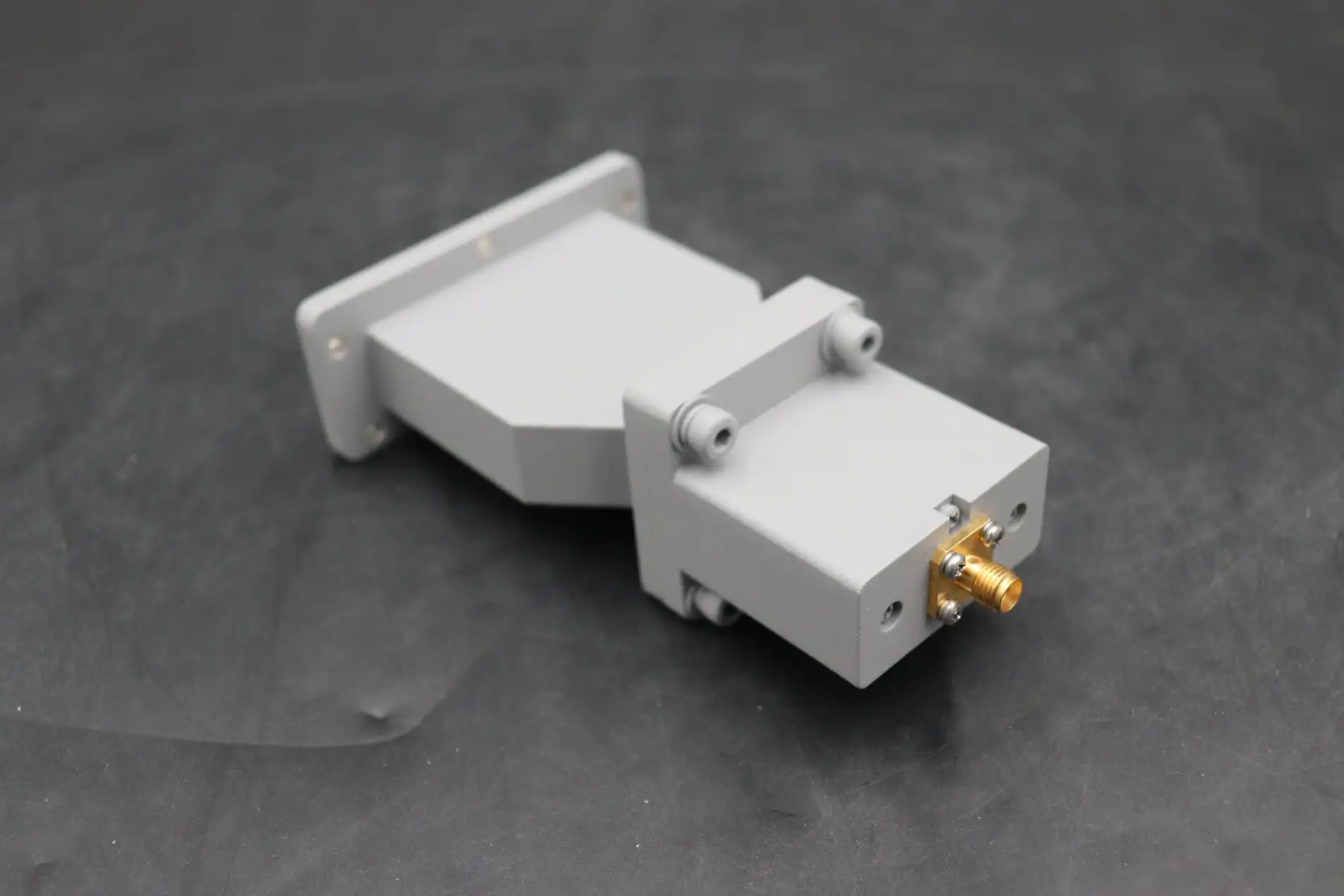
By letting you check performance often without having to do anything by hand, automated test systems turn reactive maintenance into predictive programs. Robotic waveguide handling combined with VNA test units characterizes installed Waveguide Power Divider parts overnight, tracking performance measures that show patterns of slow degradation. These systems collect data points that can't be tested by hand. For example, measuring insertion loss every week for years sets decline rates that allow condition-based replacement before problems happen. Using directional couplers for non-invasive testing lets you watch operating data without stopping service. Embedded sensors constantly measure forward and reflected power and send out alerts when return loss drops below certain levels. By keeping an eye on the temperatures at key points, hotspots can be found that show increased contact resistance due to rust or broken hardware.IoT-enabled weather tracking systems use cloud platforms to collect sensor data and apply machine learning algorithms that find links between environmental factors and performance trends. When humidity sensors are combined with insertion loss tracking, condensation effects are shown. On the other hand, vibration accelerometers connected to isolation data show how platform dynamics cause mechanical degradation. With these combined methods, care is no longer based on calendars, but on data-driven actions that make the best use of resources.
Data Analytics Supporting Proactive Intervention
Performance trends across groups of Waveguide Power Divider components find systemic problems that affect whole systems. By plotting insertion loss versus working hours, you can see if degradation follows a steady path or changes quickly, which could be caused by outside factors. When statistical process control is used on test data, it finds outliers that need to be looked into right away, while normal variation stays within acceptable bands. Predictive models based on past failure data estimate the product's remaining useful life. This helps with buying extra parts and planning when to schedule repair crews. Calculations of return on investment show that condition-based maintenance lowers costs by 20–35% compared to time-based overhauls. This is because it replaces worn-out parts before they break the system and extends the life of healthy ones.
Strategic Partnerships with Expert Manufacturers
Working with specialized providers gives you access to application engineering tools that help you choose the best parts and put them together in the best way possible. The expert team at Advanced Microwave Technologies looks over the system requirements and suggests Waveguide Power Divider configurations that meet performance goals without adding too many features that add to the cost without being needed. Our 24-meter anechoic room lets customers watch acceptance tests, which confirm performance in conditions that are similar to real-world situations. Lifecycle support includes more than just the original delivery. It also includes field service, repair programs, and managing things that are no longer useful. Long-term supply deals make sure that parts will be available for many years, which is usual for satellite ground infrastructure and military platforms. Design makeover services bring old parts up to date with modern production standards while keeping their form-fit-function interchangeability. This protects investments in good designs.
Future-Proofing Maintenance Strategies
Because 5G is growing and satellite mega-constellations are changing how frequencies are assigned, maintenance tools need to be able to react to new bands. As systems move to millimeter-wave frequencies, modular test tools with a frequency range that can be updated through software save capital investment. Training programs that keep expert staff up to date on new measurement methods for developing technologies make sure that the organization's skills keep up with the changes in the industry. Environmental laws are making it harder to use materials like hexavalent chromate coats, which used to be standard for protecting against rust. Working together with makers to keep an eye on changes in regulations and putting in place legal alternative finishes stops products from becoming outdated and needing expensive redesigns. Our ISO 14001 environmental management certification shows that we are dedicated to using environmentally friendly production methods that are in line with our customers' corporate responsibility goals. By keeping up with changes to industry standards, like new waveguide flange specifications or changes to test methods, you can make sure that your repair procedures are in line with the latest best practices. Being an active member of professional organizations lets you see early on how technical trends will affect long-term support strategies.
Conclusion
Structured preventive maintenance and systematic testing methods make Waveguide Power Divider components last longer while keeping up performance that is essential to mission success. Vector network analysis gives a full picture of the problem and finds degradation before it has a negative effect on the system. Routine checks and rules for the environment keep things from getting dirty and breaking down mechanically. Strategic relationships with suppliers not only provide parts but also technical support and lifetime services that lower the total cost of ownership. Organizations can be sure of practical excellence throughout the long lifecycles of satellite communications, radar systems, and telecommunications infrastructure by making purchases that include performance validation, customization options, and assistance after the sale.
FAQ
How often should waveguide power dividers be tested and maintained?
Testing frequency depends on the environment and the application. Indoor systems need annual checks. Outdoor or harsh conditions require testing every 3–6 months. Critical applications like radar or satellite systems may need continuous monitoring. Marine, desert, or aviation use should include quarterly inspections and annual full testing.
Can waveguide power dividers be repaired if performance issues are found?
Minor issues like contamination or oxidation can be fixed by cleaning or surface treatment. Loose hardware can be retightened. However, severe damage, such as warped flanges or internal failure, usually requires replacement. Compare repair costs with replacement, especially for repeatedly failing components.
What are the key specifications to review when purchasing a waveguide power divider?
Key specs include frequency range, insertion loss, return loss, and port isolation. Ensure adequate power handling for peak loads. Check flange type and size for compatibility. Certifications like ISO 9001 and RoHS indicate quality. Review environmental test data and supplier customization capability.
Partner with Advanced Microwave Technologies for Superior Waveguide Solutions
Advanced Microwave Technologies Co., Ltd has over twenty years of experience in RF engineering and state-of-the-art production skills. This makes us the best Waveguide Power Divider provider for tough uses. Our 24-meter anechoic chamber can measure up to 110 GHz, which makes sure that performance is tested in conditions that are similar to your working environment. ISO 9001 approval and RoHS compliance make sure that quality meets strict procurement standards. We offer services for making quick prototypes, OEM customization to solve specific integration problems, and full technical help from developing specifications to putting them into use in the field. Email craig@admicrowave.com to talk about your application needs, see detailed performance data for our waveguide power divider product line, and find out how our engineering team can help you get the best signal distribution solutions for your radar, telecommunications, or satellite communications infrastructure.
References
1. Marcuvitz, Nathan. "Waveguide Handbook." Institution of Engineering and Technology, London, 1986.
2. Pozar, David M. "Microwave Engineering, Fourth Edition." John Wiley & Sons, Hoboken, New Jersey, 2011.
3. IEEE Standard 147-2017, "IEEE Standard for Definitions of Terms for Waveguide Components." Institute of Electrical and Electronics Engineers, New York, 2017.
4. Balanis, Constantine A. "Advanced Engineering Electromagnetics, Second Edition." John Wiley & Sons, Hoboken, New Jersey, 2012.
5. Collin, Robert E. "Foundations for Microwave Engineering, Second Edition." IEEE Press, Piscataway, New Jersey, 2001.
6. MIL-DTL-3922, "Detail Specification: Couplers, Directional, and Assemblies." United States Department of Defense, Washington D.C., 2015.
YOU MAY LIKE
 VIEW MORELow Phase Noise Amplifier
 VIEW MOREAc Power Amplifier
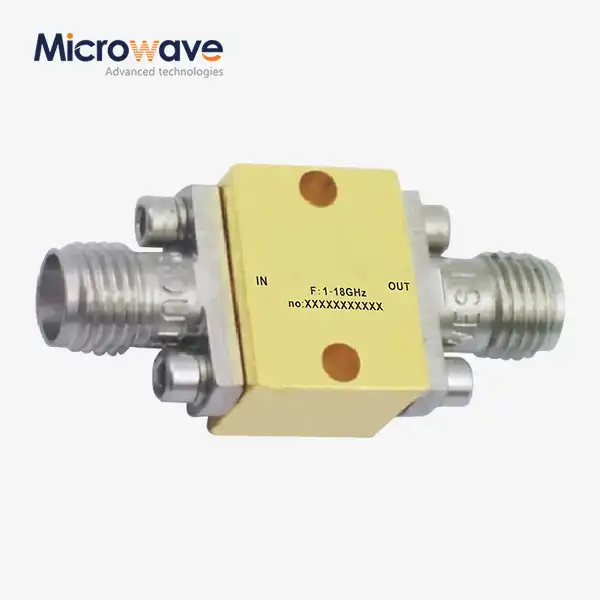 VIEW MOREActive Limiter
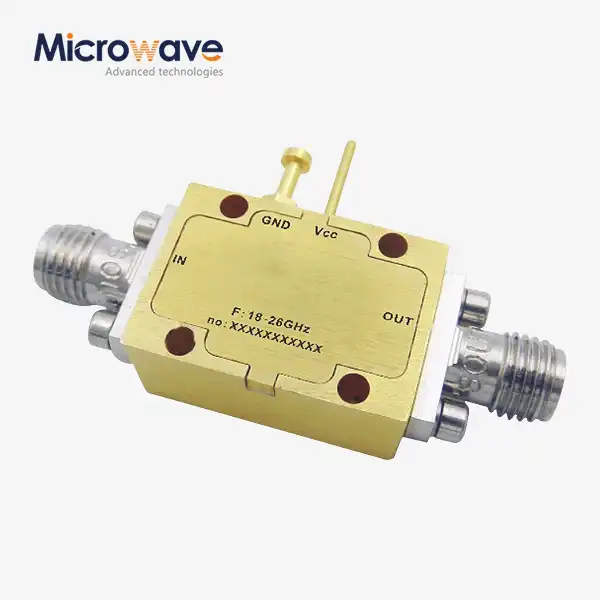 VIEW MOREVoltage Controlled Phase Shifter
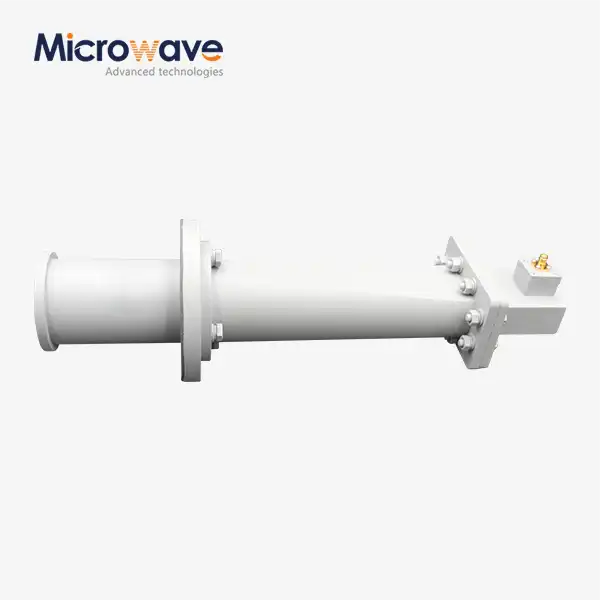 VIEW MORECorrugated Horn and Multimode Horn Antenna
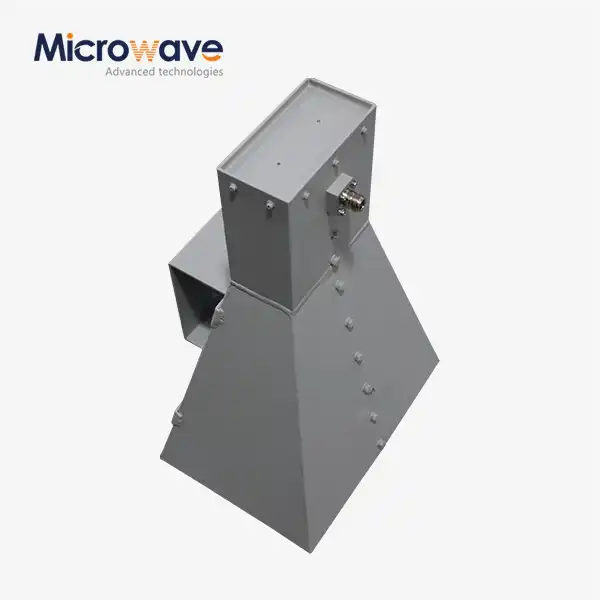 VIEW MOREWideband Double-ridged Horn Antenna
 VIEW MOREMini Wideband Double-ridged Horn Antenna
 VIEW MOREUltra Double-ridged Horn Antenna