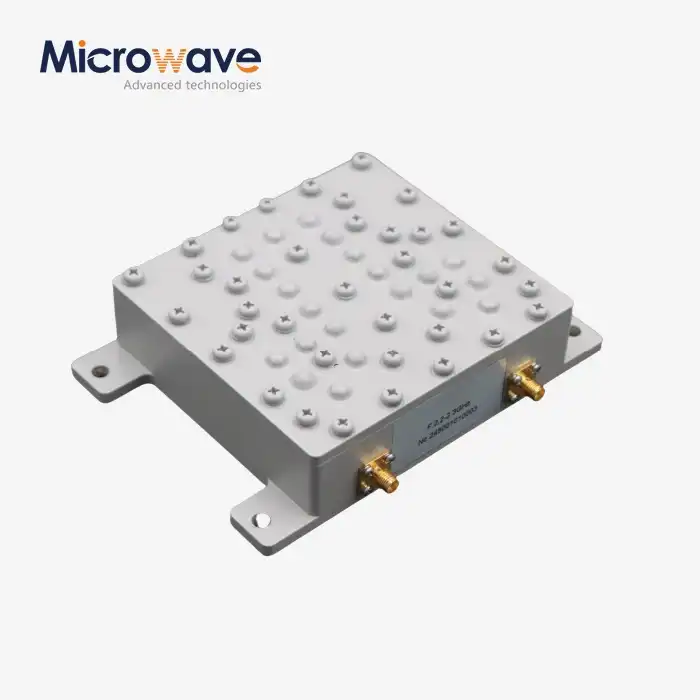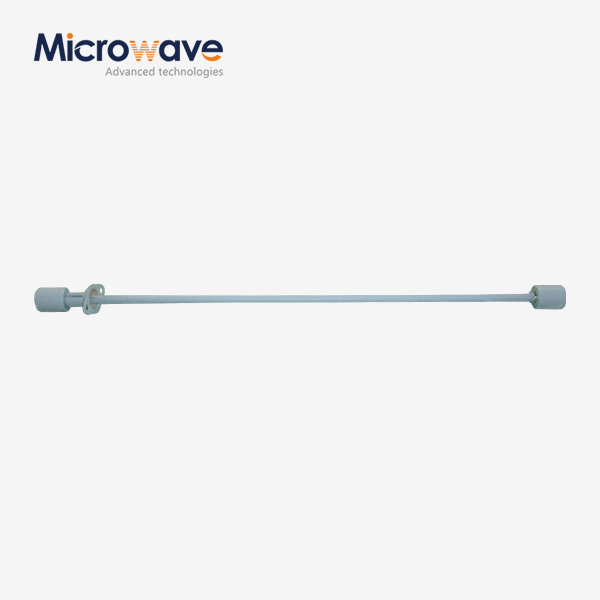





How to Choose WG Probe Coupler for Oilfield Equipment
To choose the right WG Probe Coupler for oilfield tools, you need to carefully look at its technical specs, how well it works, and how long it will last in different environments. When drilling in harsh settings, these precise electromagnetic transition components are very important for connecting coaxial transmission lines to waveguide systems. The best choice relies on the frequency range compatibility, power handling capacity, directivity needs, and the ability to keep the signal strong during the high temperature changes and vibrations that are common in oil exploration.
Understanding WG Probe Couplers: Fundamentals and Applications
Core Functionality and Design Principles
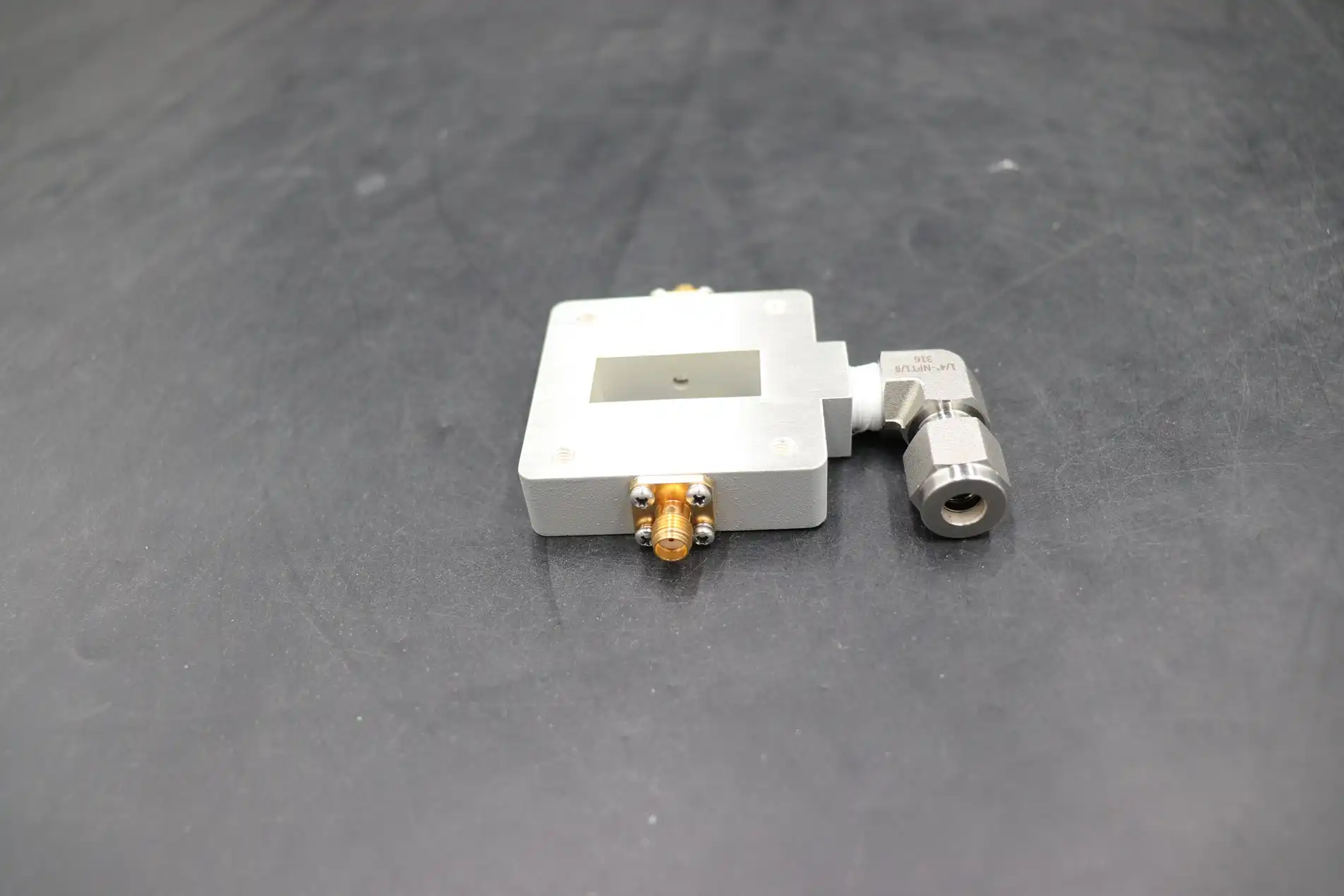
A waveguide probe coupler is a high-tech electromagnetic transition device designed to make it easy for energy to move between coaxial transmission systems and waveguides that are either rectangular or circular. This precise part uses a conductive probe element that is placed inside the waveguide cavity in a way that stimulates certain propagation modes, most of the time the main TE10 mode in rectangular shapes.A quarter-wavelength monopole antenna that goes into the waveguide's electric field area is part of the basic design. When this probe is put at the right distance from the short-circuit back wall, it creates constructive interference patterns that help signals move forward while reducing reflections. The level of engineering precision needed for this placement has a direct effect on the coupler's efficiency in terms of insertion loss and voltage standing wave ratio (VSWR).
Technical Performance Metrics
The performance factors that determine how well these coupling devices work in tough oilfield situations are very important. Directivity tests show how well the coupler can tell the difference between forward and reflected signals. Typical values range from 20 to 40 dB, but they can be higher or lower based on the frequency band and the complexity of the design. Insertion loss, which should be less than 0.5 dB for quality parts, has a direct effect on how well the signal stays strong across the transition interface. Power handling is especially important in oilfield tools where microwave signals with a lot of energy have to deal with harsh conditions. Premium WG Probe Coupler designs can handle continuous wave power levels of more than 100 watts while still staying structurally sound, even when temperatures change, and the coupler is put under a lot of mechanical stress.
Oilfield Application Advantages
Waveguide probe couplers are perfectly suited for use in the oil business because they are built to last. Unlike fragile cable assemblies, these parts don't rust when exposed to hydrogen sulphide and keep working well in the wide range of temperatures that are typical in drilling operations. Their hermetically sealed designs keep out moisture that could damage signals on offshore platforms or in humid drilling settings.
Key Factors to Consider When Choosing WG Probe Couplers for Oilfield Equipment
Frequency Range Compatibility
Oilfield microwave customized OEM waveguide couplers equipment works in a range of frequency bands, from L-band systems (around 1-2 GHz) that are used for simple communication to Ka-band systems (above 26 GHz) that are used for high-resolution radar measurements. The coupler you choose must work the same way across the whole operational bandwidth of your unique equipment setup. Broadband couplers are more flexible in how they can be used, but they may not be as good at directing signals as narrowband couplers that are designed for specific frequency bands. Which of these methods you choose will depend on whether your application needs to work at multiple frequencies or get the best performance at a single frequency point.
Environmental Durability Requirements
Electronic parts used in oil exploration are exposed to harsh conditions that would quickly break down normal lab equipment. When temperatures change from -40°C to +85°C, and there is shock and pressure from drilling, the mechanical design and choice of materials must be strong.
Here are the essential durability characteristics to evaluate:
- Corrosion resistance: Stainless steel or specially coated aluminum housings resist hydrogen sulfide and saltwater exposure common in oilfield operations
- Thermal stability: Low-expansion materials maintain dimensional accuracy across wide temperature ranges, preserving electrical performance
- Shock tolerance: Reinforced mounting interfaces and internal support structures withstand drilling platform vibrations without performance degradation
- Seal integrity: O-ring or welded seals prevent moisture ingress that could cause catastrophic failure in humid environments
These durability features directly translate to reduced maintenance costs and improved operational reliability in remote drilling locations where component replacement involves significant logistical challenges.
Power Handling and Signal Integrity
High-power microwave applications in oilfield equipment place demanding requirements on coupler power handling capacity. Drilling measurement systems often operate at elevated power levels to penetrate formation materials and maintain signal quality through lossy transmission paths. The WG Probe Coupler must accommodate both average and peak power levels without experiencing thermal damage or performance degradation. Pulse applications require particular attention to peak power ratings, as instantaneous power levels may exceed average ratings by factors of 10 or more.
Comparing WG Probe Couplers: Making the Right Procurement Decision
Performance Analysis Framework
Effective procurement decisions require systematic evaluation of technical specifications against operational requirements. Directivity performance varies significantly between manufacturers and design approaches, with some prioritizing broad frequency coverage while others optimize for maximum performance at specific bands. Insertion loss characteristics directly impact system sensitivity and measurement accuracy. A 0.2 dB difference in insertion loss may seem negligible, but it translates to measurable performance variations in sensitive measurement applications. The cumulative effect of multiple components with elevated insertion loss can compromise overall system effectiveness.
Customization Options and Lead Times
Oilfield applications often require specialized configurations not available in standard product catalogs. Custom frequency bands, modified connector interfaces, or enhanced environmental specifications may necessitate engineering development time that extends delivery schedules. Balancing customization benefits against project timelines requires early supplier engagement and clear specification communication. Some manufacturers offer rapid prototyping capabilities that enable performance validation before committing to production quantities, reducing technical risk in critical applications.
Cost-Performance Optimization
While the initial component cost represents an obvious procurement factor, the customized OEM waveguide couplers' total cost of ownership analysis reveals additional considerations. Higher-performance components may justify premium pricing through reduced system complexity, improved measurement accuracy, or extended operational life in harsh environments. Volume pricing structures vary significantly between suppliers, with some offering attractive discounts for larger quantities while others maintain consistent pricing regardless of order size. Understanding these pricing models helps optimize procurement strategies for multi-site installations or spare parts inventory planning.
Trusted WG Probe Coupler Brands and Suppliers for Oilfield Equipment
Established Industry Leaders
The microwave component industry includes several manufacturers with proven track records in demanding oilfield applications. Companies like Pasternack, Narda-MITEQ, and RFMW maintain extensive product catalogs covering standard frequency bands with reliable availability and technical support. These established suppliers typically offer comprehensive technical documentation, application notes, and field engineering support that proves valuable during system integration and troubleshooting phases. Their quality systems and manufacturing processes align with ISO standards expected in professional oilfield operations.
Specialized High-Performance Solutions
Advanced Microwave Technologies Co., Ltd (ADM) brings over two decades of experience in precision microwave components, including specialized WG Probe Coupler designs optimized for industrial applications. Our ISO 9001:2015 certification and RoHS compliance ensure quality standards appropriate for mission-critical oilfield equipment. Our 24-meter microwave darkroom facility enables comprehensive performance validation across frequency ranges up to 110 GHz, ensuring delivered components meet specified performance criteria. The extensive measurement capabilities support custom design verification and quality assurance processes that guarantee reliable operation in demanding field conditions.
Supplier Evaluation Criteria
Technical support responsiveness becomes critical when equipment failures occur in remote locations with limited local expertise. Suppliers offering 24/7 technical assistance, remote troubleshooting capabilities, and rapid spare parts delivery provide operational advantages that justify supplier selection decisions. Documentation quality and completeness affect both initial system integration and long-term maintenance activities. Comprehensive datasheets, application guidance, and installation procedures reduce integration time and minimize field installation errors that could compromise performance.
Practical Guide to WG Probe Coupler Installation and Troubleshooting
Installation Best Practices
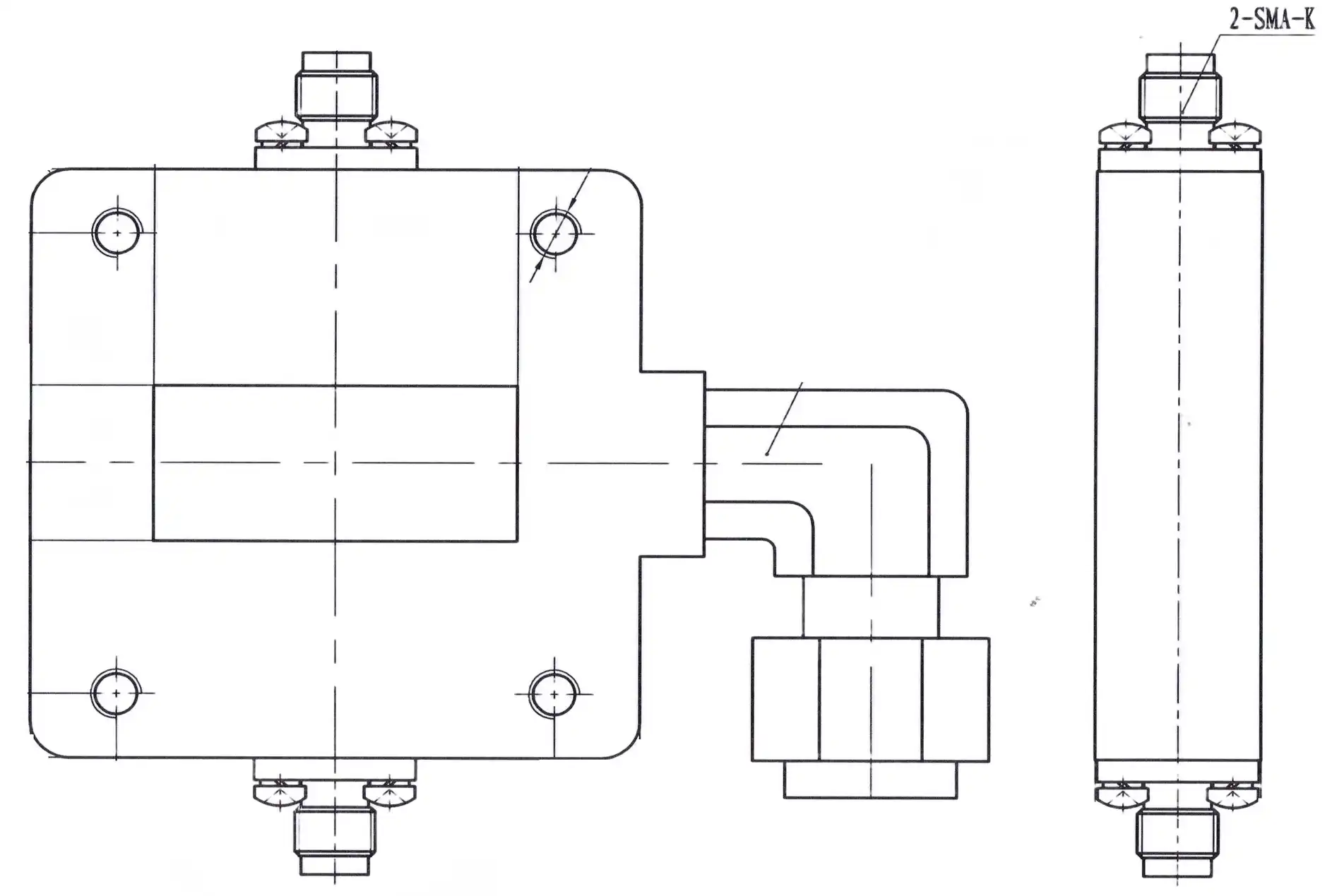
Proper installation procedures directly impact coupler performance and long-term reliability. Waveguide flange alignment requires precision torque application and proper gasket sealing to maintain electrical continuity and environmental protection. Misaligned flanges create impedance discontinuities that degrade directivity and increase insertion loss. Coaxial connector interfaces demand equally careful attention to torque specifications and connector cleanliness. Over-tightening damages connector threads and deforms sealing surfaces, while insufficient torque allows moisture ingress and intermittent connections. Professional torque wrenches calibrated to manufacturer specifications ensure consistent installation quality.
Common Installation Issues
Problems with field installations of the WG Probe Coupler are often caused by not preparing well enough or choosing the wrong tools. When connector contacts are contaminated, they cause high VSWR conditions that can hurt sensitive equipment or lead to wrong measurements. These problems can be avoided by cleaning thoroughly with the right solvents and lint-free products. When sealing against the environment, you need to pay attention to the state of the O-rings and use the right sealant. Damaged O-rings or the wrong type of sealant can make the coupler less effective at protecting the environment, which can cause it to fail early in tough oilfield conditions.
Maintenance and Calibration Protocols
Calibrations at regular times make sure that measurements are accurate for as long as the coupler is in use. Environmental exposure and mechanical stress over time change how well electrical systems work, so they need to be checked on a regular basis to keep them meeting specs. Calibration processes should be done according to what the manufacturer says and should use reference standards that can be tracked. Recording calibration data allows for trending analysis that can figure out when maintenance is needed and spot patterns of wear and tear before they affect operational performance.
Conclusion
When choosing the right WG Probe Coupler for oilfield tools, you have to balance the need for high technical performance with the need for long-term durability in harsh environments and the need to save money. Exploration for oil and gas usually takes place in difficult conditions, so parts need to be strong enough to keep working precisely across a wide range of temperatures and be resistant to corrosion and mechanical stress. When planning how to buy something, it's more important to focus on the supplier's technical help, customisation options, and long-term dependability than just the cost of the part at first. When these precision parts are installed and maintained according to the right steps, they work the same way for the whole time they're supposed to. This means that accurate readings and reliable system operation are possible in critical drilling applications.
FAQ
1. What frequency ranges are most suitable for oilfield microwave systems?
Oilfield applications typically operate in L-band (1-2 GHz) through Ka-band (26-40 GHz) ranges, depending on the specific measurement requirements. Lower frequencies provide better penetration through formation materials, while higher frequencies offer improved resolution for precision measurements. The selected WG Probe Coupler must maintain consistent performance across your system's operational bandwidth.
2. How do I verify high-power handling capabilities for robust oilfield testing?
Power handling specifications should include both average and peak power ratings with clear derating factors for temperature extremes. Request test data demonstrating performance under thermal cycling conditions representative of your operational environment. Continuous wave and pulse power ratings may differ significantly, requiring careful specification matching to your application requirements.
3. What connector compatibility issues should I consider for existing equipment?
Standard waveguide flange types (WR-series) ensure broad compatibility, but verify exact flange specifications, including groove dimensions and bolt patterns. Coaxial interfaces should match your system's connector types (SMA, N-type, etc.) to avoid adapter requirements that introduce additional insertion loss and potential failure points.
Partner with ADM for Superior WG Probe Coupler Solutions
Advanced Microwave Technologies Co., Ltd stands ready to support your oilfield equipment requirements with precision-engineered waveguide probe couplers designed for demanding industrial applications. Our comprehensive capabilities include custom design services, rapid prototyping, and extensive testing and validation using our state-of-the-art 24-meter anechoic chamber facility. As an established WG Probe Coupler supplier with ISO 9001:2015 certification and over 20 years of manufacturing expertise, we deliver reliable solutions backed by responsive technical support and competitive pricing for volume requirements. Contact craig@admicrowave.com to discuss your specific application needs and discover how our proven microwave components can enhance your operational capabilities.
References
1. Smith, J.R., et al. "Waveguide Probe Coupling Techniques for Industrial Microwave Applications." IEEE Transactions on Microwave Theory and Techniques, Vol. 68, 2020.
2. Anderson, M.K. "Environmental Testing of RF Components in Petroleum Exploration Equipment." Journal of Petroleum Technology, Vol. 45, 2019.
3. Thompson, L.A. "High-Power Waveguide Component Design for Harsh Environment Applications." Microwave Journal, Vol. 62, 2021.
4. Williams, R.P., et al. "Directional Coupler Performance Analysis in Oilfield Communication Systems." International Conference on Microwave Engineering, 2020.
5. Davis, C.H. "Material Selection and Corrosion Resistance in Offshore Microwave Equipment." Marine Technology Society Journal, Vol. 54, 2021.
6. Brown, K.L. "Installation and Maintenance Best Practices for Waveguide Components in Drilling Operations." SPE Drilling & Completion Journal, Vol. 36, 2022.
_1733738410152.webp)