




How does a slotted waveguide antenna work?
A slotted waveguide antenna works by carefully cutting holes in the walls of a cylinder or rectangular waveguide. This turns the sealed structure into a directed reflector. As electromagnetic waves pass through the circular metal waveguide, they create currents around the holes. These currents then act as magnetic dipoles, sending energy into space. Engineers can exactly control the antenna's radiation pattern and beam direction by changing the slot's size, spacing, and position along the waveguide. This makes it very efficient in high-frequency microwave and millimeter-wave uses.
Understanding Slotted Waveguide Antennas: Fundamentals and Operating Principles
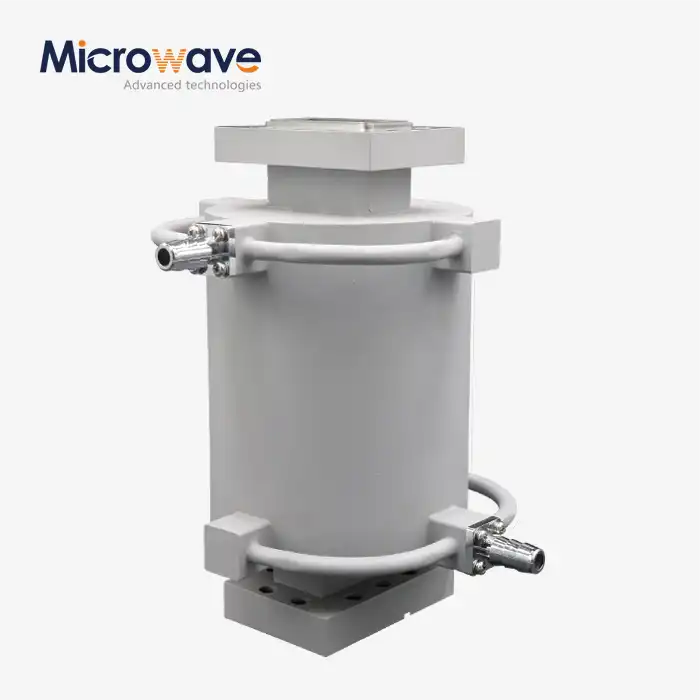
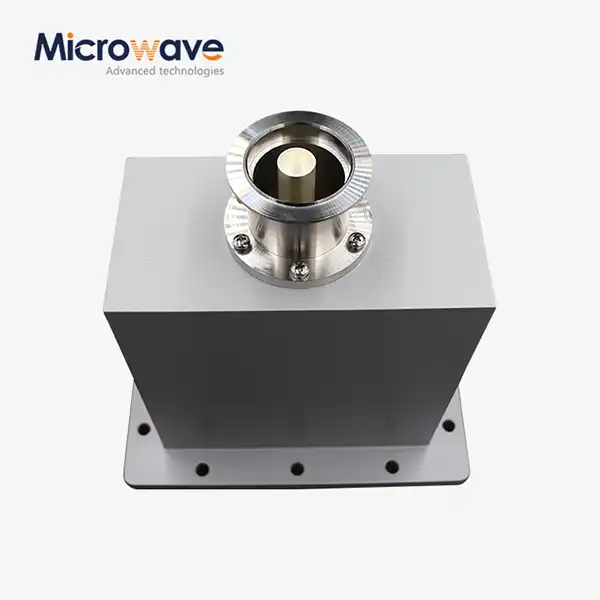
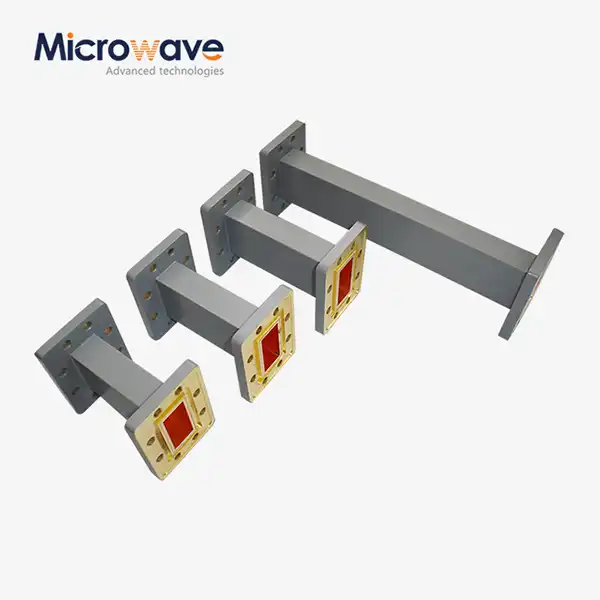
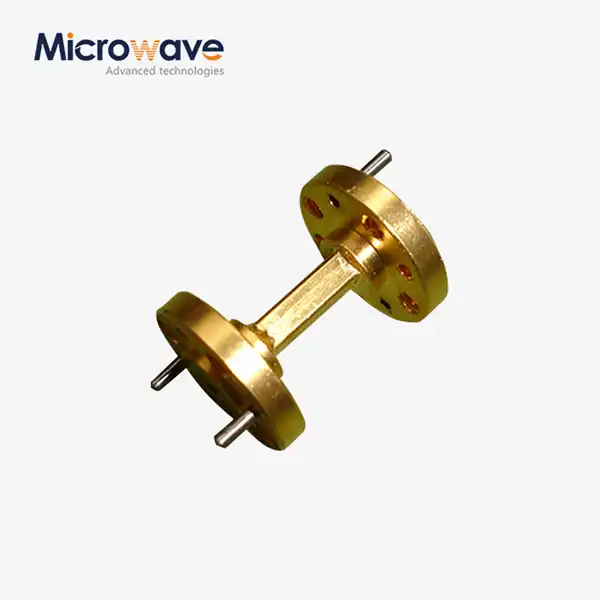
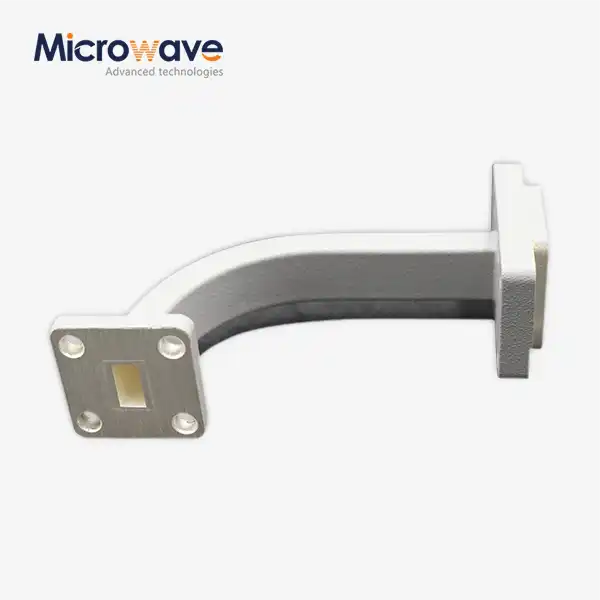
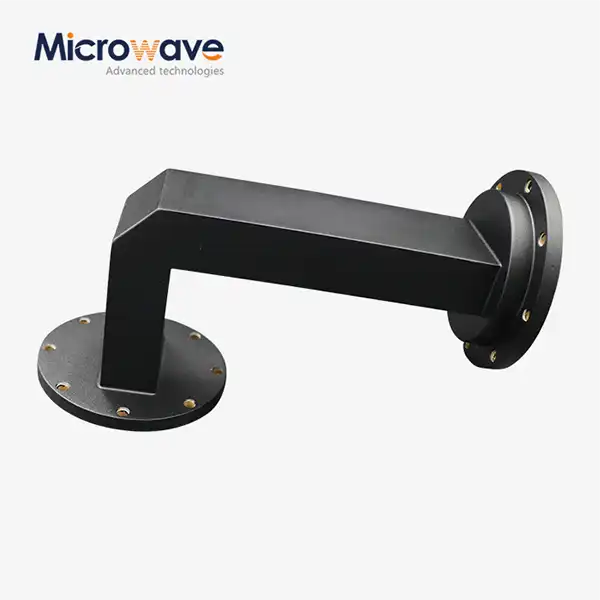
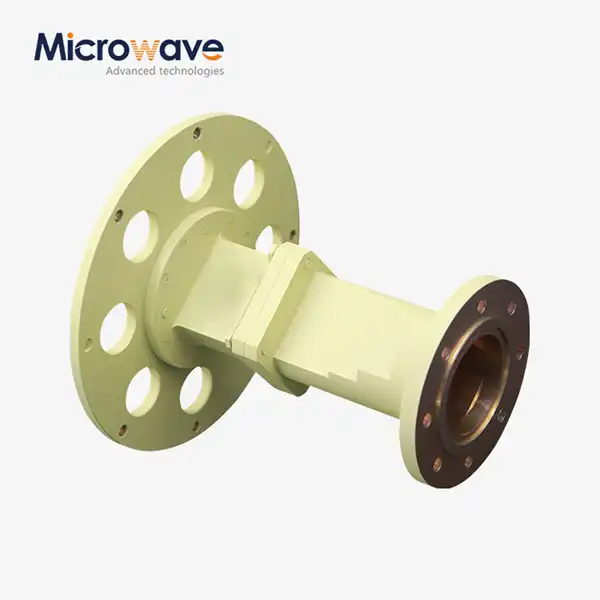
The structure of these antennas is based on basic microwave transmission rules and electromagnetic aperture theory. A waveguide is basically a thin metal tube (usually rectangular) that is made to carry electromagnetic energy with little loss at certain frequency bands. We stop the surface currents running along the conductor when we carefully make slots into the walls of the waveguide. Because of this break, energy has to spread outward instead of continuing to move down the tube.
Core Structural Components
The waveguide is usually made of light aluminum or copper metals, and the inside is often silver-plated to improve electrical flow and lower resistance losses. Based on the goal working frequency, the wall thickness and internal measurements are determined with great accuracy. Based on the polarization and radiation properties that are wanted, slots are cut or carved into the thick or thin walls. Differences in size between slots must be very small—even 10 microns can change resonant frequencies and bend beam patterns.
Wave Propagation Mechanics
In certain modes, electromagnetic waves move through the waveguide. For rectangle guides, the TE10 mode is the most popular mode. In this mode, the electric field lines run parallel to the narrow sides and perpendicular to the direction of transmission. When holes are cut perpendicular to the flow of current, they most effectively stop the currents, which results in the most radiation. The speed of waves inside the guide is different from the speed of waves in free space. This causes a wavelength compression effect that changes how the slot spacing is calculated.
Slot Configuration and Beam Shaping
Designers of antennas put holes at regular intervals that are linked to the guide frequency to make sure that the interference works in the way that the energy is wanted to go. When longitudinal slots are cut perpendicular to the waveguide plane, they send radiation that is perpendicular to the guide. On the other hand, slots that are tilted or offset can add phase delays that move the beam. We use amplitude tapering methods, such as Taylor or Chebyshev distributions, to keep sidelobe levels below -30 dB across the array. This is important for radar and transmission systems that need to accurately tell the difference between angles.
Bandwidth is based on how the slot shape and frequency response work together. When one end of the waveguide is short-circuited in a resonance design, standing waves are created. These waves make the design more efficient but limit the operating frequency. Traveling-wave designs end the guide with a paired load, soaking up any extra energy to get a wider bandwidth at the cost of a little less efficiency.
Performance Characteristics and Benefits of Slotted Waveguide Antennas
Knowing the performance standards for these devices helps buying teams decide if they are a good technical fit for mission-critical uses. Slotted waveguide antennas usually have radiation patterns with narrow beamwidths in one plane—often less than 2 degrees for long arrays—which makes them very good at guiding radiation toward targets and making long-distance communication links.
Gain and Directivity Metrics
When slotted arrays are well-designed, the aperture efficiency can reach 70–90%. This means that, based on the length and frequency of the array, gains of 20–35 dBi can be achieved. For frequencies above 10 GHz, where dielectric losses in printed circuit boards become a problem, this is better than many patch antenna arrays of the same size. The building of only metal prevents dielectric absorption, so it works the same in a -55°C to +125°C temperature range.
Frequency Range and Bandwidth Capabilities
These antennas work well from S-band to W-band (2–110 GHz), but in commercial radar and satellite ground stations, they are most often used in X-band (8–12 GHz) and Ku-band (12–18 GHz). Bandwidth depends on how the design is made. Resonant arrays can get 5–10% fractional bandwidth, while traveling-wave systems can get 20–30%. VSWR (Voltage Standing Wave Ratio) stays below 1.5:1 throughout the working range, and for precise designs, it drops below 1.2:1.
Operational Advantages in Demanding Environments
The tough metal design has built-in benefits that are very important to defense and aircraft users. It can handle up to kilowatts of normal power and megawatts of peak power without the dielectric breaking down. This is different from substrate-based antennas, which break down when the field intensity is too high. The sealed waveguide structure naturally keeps out water, which makes these antennas perfect for naval settings where salt fog would damage or destroy other types of antennas. Lightning protection is better because the metal structure is grounded and there are no visible dielectrics. This means that complex surge reduction gear is not needed when placing the device outside.
The thin, flat shape—often only a few centimeters thick—minimizes aerodynamic drag on planes and wind loads on sites on the ground. This mechanical toughness lets it work in places with hurricane-force winds and a lot of vibration, meeting MIL-STD-810 standards for shock and vibration without lowering performance. The polarization purity stays high, usually better than 30 dB cross-polarization isolation. This is very important for dual-polarization radar systems and satellite data links that need to separate channels.
Practical Applications and Installation Guidelines
These antennas are used in many different types of industries that need high dependability and performance. Buyers can see where this technology gives them a competitive edge over other options by learning about common usage scenarios.
Industrial Deployment Scenarios
Slotted arrays are used by airborne synthetic aperture radar (SAR) systems on robotic aerial vehicles to make high-resolution images of the ground. The antenna is the only one that can do this job because it can handle high peak powers while keeping a flat, efficient shape. Marine navigation radars, which have spinning bar antennas that you can see on both commercial ships and military warships, always use slotted waveguide technology to get the narrow horizontal beamwidth they need to find the exact heading of a target in a crowded sea.
Doppler radar systems use these antennas in weather monitoring networks to keep the radar working reliably even when the temperature changes and it rains. This makes it possible to track storms accurately. Large slotted arrays are used by satellite ground stations for telemetry, tracking, and command (TT&C) lines. The high gain and accurate pointing make it possible to stay in touch with satellites in a variety of orbital regimes. In cities with lots of people, wireless backup networks work better because the narrow beamwidth keeps interference between links lessened, and the high power handling lets point-to-point connections work over long distances.
Installation Best Practices
Preparing the site starts with a structural study to make sure that the frames for placing the antennas can handle the weight of the antennas and the wind. Slotted waveguide antenna arrays usually weigh 15 to 30 kg per meter of length, which is more than similar aperture reflector antennas. Mounting clamps need to be strong and flexible enough to accommodate thermal expansion. For example, a metal grid that is 3 meters long can grow or shrink by 2 to 3 millimeters when the temperature changes.
The accuracy of alignment has a direct effect on how well the system works. For data lines, mechanical boresight should be set to within 0.1 degrees. For precision radar uses, it should be set to within 0.05 degrees. During installation, we suggest using laser alignment tools and inclinometers, and then, if possible, taking readings of the far-field pattern. Calibration includes changing the phase and amplitude of the feed network to account for differences in manufacturing and heat effects. Electronic beam steering is used in newer systems to fine-tune the aiming without having to make any mechanical changes.
One common problem that needs to be fixed is a shift in frequency caused by changes in temperature. This can be forecast and fixed with temperature monitors and lookup tables. When water gets into feed ports that aren't properly sealed, it lowers VSWR and can cause arcing at high power levels. To avoid catastrophic failures, the system should be pressure tested with dry nitrogen before it is turned on. Pattern distortion is often caused by nearby metal buildings that reflect light. During installation planning, site studies should find and eliminate these multipath sources.
Choosing the Right Slotted Waveguide Antenna for Your Needs
It's important to balance scientific specs with budget and supply chain issues when choosing the best antenna. Procurement teams can make better choices when they know what makes each vendor's offers unique.
Evaluating Technical Specifications
The operating frequency range needs to match the system design and the band that is being used. Custom designs can focus on narrow bands to get the best performance or a wider range for systems that do more than one thing. The amount of gain needed depends on the link budget. Antennas with higher gains are longer and heavier, so their fixing frames need to be better. Sidelobe performance is very important in electromagnetic settings with a lot of interference from sources off-axis, that lower signal quality. People who want to buy something should ask for approved far-field pattern measures that show both the main lines and the cross-polarization features.
Values above 2:1 lose power and can hurt emitters; VSWR specs show how well the antenna is matched to the feed system. Power handling rates should include both average and peak values, along with enough safety gaps to account for the fact that antennas that are used close to their limits wear out faster. Environmental rates must match the conditions of placement. For example, antennas in warm ocean settings need better rust protection than antennas installed indoors, where the temperature is managed.
Custom Manufacturing and OEM Considerations
Many uses can be met by standard store items, but mission-critical systems often need solutions that are specifically made for them. Some of the ways that can be customized are frequency band optimization, special mounting connections, built-in radomes for environmental protection, and changes to the feed network to fit current RF designs. OEM vendors let engineers work together on the design, so they can choose their own slot patterns, array shapes, and interface features.
When making new systems, being able to make prototypes quickly speeds up the development process and lets you make changes over and over again before committing to large-scale production. Problems with feed line design, impedance matching, and system-level performance improvement can be fixed with technical help during integration. There are big differences in the quality of documentation provided by different providers. Full kits should include mechanical models, electrical performance data, material certificates, and test results that can be linked to standardized measuring tools.
Supply Chain and After-Sales Support
Lead times for slotted waveguide antennas range from a few weeks for basic models to several months for intricate custom setups. People who are in charge of projects with tight deadlines should look for suppliers who have a history of producing goods and keeping materials in stock. Shipping prices and travel times are affected by where the goods are shipped, especially for big items that need special care. For international projects that need to arrange supplies to various places, vendors with global transport networks are helpful.
Warranty terms reflect the manufacturer's confidence in the product's dependability. For business uses, look for covering periods of three to five years, and for defense projects, look for longer support periods. After the sale, technical assistance should include field service workers who can fix problems on-site, spare parts that can be ordered with reasonable lead times, and tuning services to keep the antenna working well for as long as it is operational. Suppliers who offer performance promises backed by tested data show they care about their customers' success and lower the risk of buying.
Conclusion
Slotted waveguide antennas work better than any other type of antenna for tasks that need high stability, precise beam control, and strong weather tolerance. Because the technology is naturally better at handling power, being mechanically tough, and having great electrical properties, it is the best choice for radar, satellite communication, and wireless infrastructure systems that can't fail. When purchasing these antennas, procurement professionals should look for suppliers that offer customization options and good after-sales support. They should also think about the total cost of ownership, which includes installation, maintenance, and reliability over the product's lifetime.
FAQ
Q1: What distinguishes resonant from traveling-wave slotted waveguide designs?
When a resonant array ends, it creates standing waves that make it more efficient but limit the frequency to 5–10%. Traveling-wave designs use matched loads to soak up extra energy, which gives them a 20–30% bandwidth but a slightly lower efficiency because the loads lose power. Types that are resonant work well for narrowband radar, while types that are traveling-wave work well for broad transmission systems.
Q2: How do environmental factors affect antenna performance?
Changing temperatures change the working frequency because metal expands and contracts, changing the size of the waveguide. Aluminum structures expand by about 23 ppm/°C. When ice builds up on the outside, it changes patterns and detunes resonant frequencies. For environmental protection, radomes and heated elements for de-icing in cold regions are necessary parts of a proper system. Protective coats and protected structures can slow down salt fog rusting.
Q3: Can these antennas support circular polarization?
Most designs have linear polarization by default, but circular polarization can be made by using cross-slot arrangements or hybrid couplers to connect two orthogonal arrays. This makes production more difficult and expensive, but it makes circular polarization possible for uses that need it, like satellite communication systems, where polarization movement improves link reliability when transmission conditions change.
Partner with Advanced Microwave Technologies for Precision Antenna Solutions
Advanced Microwave Technologies Co., Ltd has been developing and making high-performance microwave antennas, such as advanced slotted waveguide antenna systems, to your exact specs for more than twenty years. Our production sites are ISO 9001:2015 approved and have strict quality control as well as flexible manufacturing capabilities. They can make unique solutions for defense, aircraft, satellite communication, and industry uses.
Our tech team helps with every step of the process, from the first concept meeting to production and placement in the field. In our 24-meter anechoic room, we can measure up to 110 GHz and make sure that every antenna meets performance standards before sending it out. As a trusted provider of slotted waveguide antennas, we offer reasonable pricing, reliable global shipping, and quick technical support, whether you need a sample made quickly or a lot of them. Email craig@admicrowave.com to talk about your needs and find out how our antenna options can improve the performance of your system.
References
1. Balanis, Constantine A. Antenna Theory: Analysis and Design. 4th ed. Wiley, 2016.
2. Elliott, Robert S. Antenna Theory and Design. Revised ed. IEEE Press, 2003.
3. Pozar, David M. Microwave Engineering. 4th ed. Wiley, 2011.
4. Silver, Samuel. Microwave Antenna Theory and Design. MIT Radiation Laboratory Series, McGraw-Hill, 1949.
5. Skolnik, Merrill I. Radar Handbook. 3rd ed. McGraw-Hill, 2008.
6. Stutzman, Warren L., and Gary A. Thiele. Antenna Theory and Design. 3rd ed. Wiley, 2012.