





Variable Attenuator in Microwave Calibration Tips
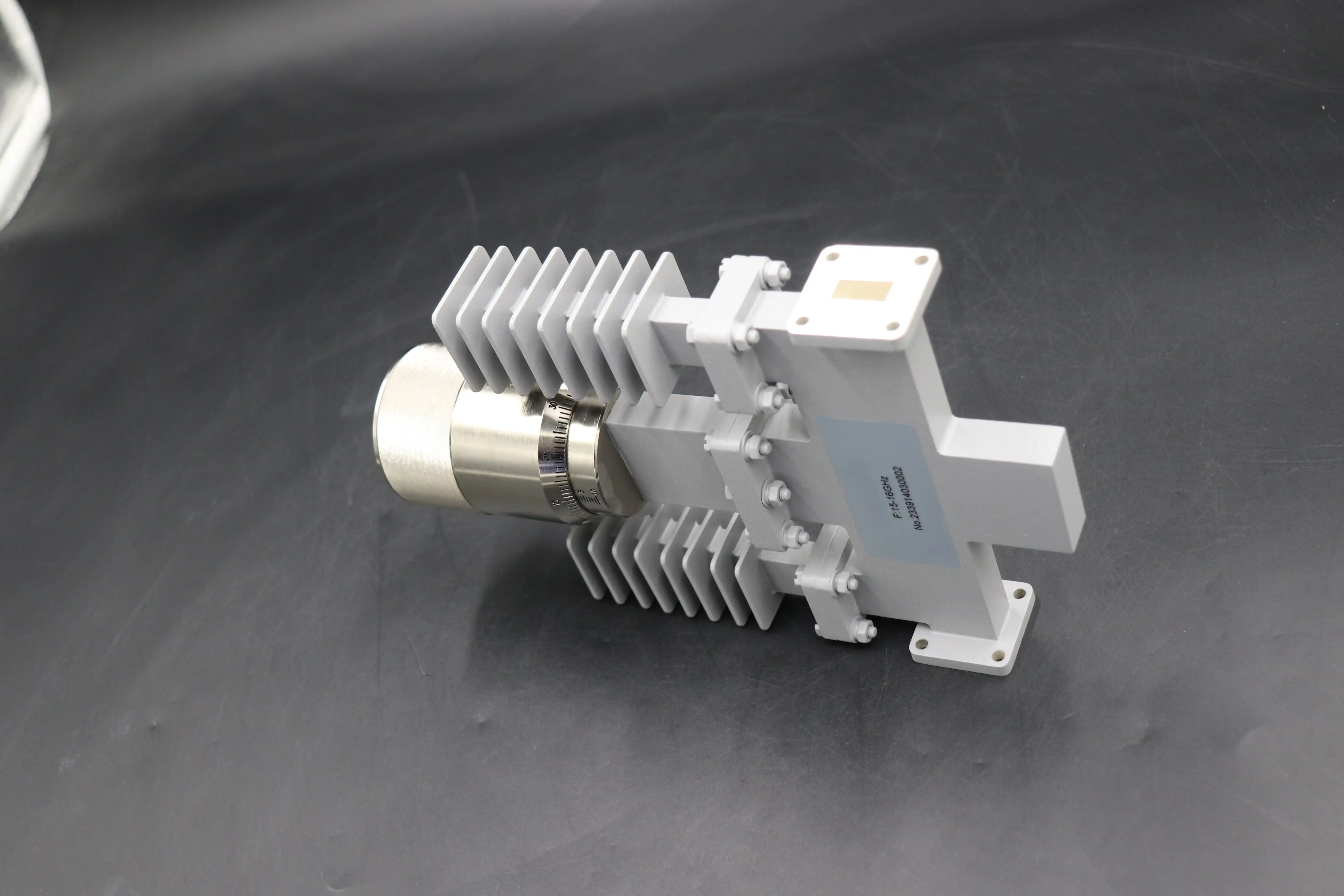
The variable attenuator in microwave systems is an important part of precise microwave tuning. It lets engineers handle signals accurately in a wide range of complex RF applications. Unlike their fixed peers, variable attenuators can be changed dynamically, which lets technical teams fine-tune signal intensity in real time. This makes sure that testing processes meet the strict needs of satellite communications, radar systems, and flight applications. This flexibility immediately leads to less measuring error and higher system stability, both of which are very important for procurement managers who are looking at parts for deployments that are mission-critical.
Understanding Variable Attenuators in Microwave Calibration
A very important job in microwave engineering is that variable attenuators in microwave systems precisely control the signal power levels while keeping the signal's purity throughout the transmission path. These gadgets work by adding controlled resistance to the path of an RF signal. This lets users lower the signal's intensity without changing its phase or frequency response too much. This feature is very important for adjusting sensitive measuring tools, keeping downstream parts safe from overload, or modelling real-life situations where signals get weak.
Working Principles and Core Advantages
Adjustable RF attenuators use resistive networks to enhance signal loss manually or electrically. Precision versions include sensitivity of 0.1 dB steps and attenuation levels of 0 to 60 dB or greater. Engineers may define precise reference levels during testing using this fine-grained control.
Changeable reduction devices provide advantages over set reduction devices. Testing accuracy improves greatly when engineers can progressively vary signal levels to discover trigger points or assess consistency across operating ranges. This reduces the amount of fixed attenuators you need to maintain on hand and simplifies test preparation. Modern systems often operate at multiple GHz. Some use millimetre waves to work from DC to 110 GHz.
Critical Applications in Microwave Systems
These devices are frequently used in RF testing labs to evaluate amplifier compression gain, mixers, and receiver sensitivity. Variable attenuators mimic route loss in communication system adjustment. This helps developers test connection costs and fading margins without infrastructure. Controlled attenuation protects measuring equipment from signal levels that may harm it during amplifier assessment in high-power circuit tuning, another significant function. Defence industries frequently test radar receivers with these parts. For dynamic range verification, they must carefully adjust signal strength across several frequency bands.
Key Factors to Consider When Choosing a Variable Attenuator
To choose the right variable attenuator in microwave device, you need to carefully consider a number of technical factors that have a direct effect on the accuracy of the measurements and their long-term dependability.
Performance Metrics That Matter
When the device is set to its lowest level, insertion loss remains. It can be 0.3 to 1.5 dB, depending on design arrangement. Lower insertion loss improves signal strength and system performance, especially in cascaded systems. Linearity parameters show how often the device hits your attenuation number over the changing range. The accuracy of high-quality units stays within ±0.5 dB across their whole working range.
Operating frequency range determines application compatibility. Purchasing teams should ensure that the attenuator's bandwidth covers all test frequencies with space to spare. This is because band edges typically function poorly. VSWR figures indicate how effectively the device fits the resistance. We recommend values below 1.30:1 for most applications. The reflected power from a poor VSWR might harm sensitive source equipment and reduce measurement accuracy.
Comparing Attenuator Architectures
Manual rotor attenuators are very repeatable and don't need any extra power, which makes them perfect for tabletop uses where automation isn't needed. These devices employ sensitive cards physically put in the RF line for high accuracy at low cost.
Automatic test settings and remote jobs benefit from electronic voltage-controlled types' quick changing rates. Computer-run measuring systems can use these units since they can handle analogue voltages or digital commands. They may add noise and have more insertion loss than manual versions.
Motorised attenuators combine computer automation and human precision. They are more costly and take up more space than mechanical systems, but have superior RF performance and computer adjustment.
Pneumatic systems are employed in high-power settings when heat removal is crucial. These units can handle average power levels of more than 100 watts continuous wave. They are crucial for testing radar transmitters and identifying high-power amplifiers.
Procurement Considerations Beyond Specifications
Minimum order quantities should be considered early in the buying process by business-to-business buyers. RF component MOQs are usually greater than those of ordinary electronics. Custom frequency bands or connection arrangements might take 8–12 weeks; projects must be properly planned. Buying more than 10 units normally results in volume discounts, although the manufacturer and product complexity determine the actual amount. OEM applications benefit from customisation options including non-standard frequency ranges, ruggedised housings for outdoor testing, and specialised ports, but they require detailed design papers and lengthier delivery periods.
Optimising Calibration with Variable Attenuators: Best Practices
To get accurate results from testing, you need to follow a set of steps that take into account how variable attenuators in microwave systems work.
Step-by-Step Calibration Workflow
Let the attenuator and measurement equipment attain thermal balance first. This is significant because temperature affects resistance element values and measurement accuracy. Clean and tighten all connections to manufacturer specifications. Impedance gaps from loose connectors might mess up calibration data.
Start by seeing how the system reacts to the lowest decrease level. This test examines insertion loss and signal line issues before variable attenuation. Move through the decrease range gradually, allowing the system time to adjust. Quick adjustments might temporarily disrupt measurements.
Addressing Common Calibration Challenges
Choosing the proper attenuator with naturally low minimum loss maintains measurement dynamic range and reduces insertion loss. When low-quality resistors generate too much heat, noise introduction occurs. Selecting devices with low additional noise ratio characteristics reduces this concern.
Bad filter selection has numerous symptoms. Because resistance elements can't tolerate adequate power, measurements shift when they grow too hot during tests. When the frequency response is poor, attenuation values fluctuate over the operating band, disproving calibration assumptions. By matching the attenuator's specs to the application, these issues won't impair measurement accuracy.
Real-World Performance Improvements
Recent reception testing at a satellite ground station used precision rotor attenuators with 0.25 dB accuracy. This is for 3.7–4.2 GHz downlink. The earlier fixed-attenuator approach required switching parts and extrapolating between measurement stations, adding over 1 dB of inaccuracy. Techs achieved 0.15 dB measurement reproducibility with adjustable attenuation. This allowed narrower link margins and higher service uptime. Improved measurement accuracy saved repairing time by 40% and reduced equipment replacements due to no cause.
Market Overview: Top Microwave Variable Attenuator Solutions for 2026
The global market for precise variable attenuator in microwave devices is always changing. Both well-known companies and smaller, more specialised ones are giving unique benefits.
Leading Supplier Capabilities
As a leader in automatic test equipment integration, Keysight Technologies continues to offer attenuators driven by USB and GPIB that work smoothly with their measurement systems. Mini-Circuits is known for providing low-cost solutions that cover a wide range of frequencies, which makes them ideal for OEM uses that need to be made in large quantities. Pasternack focuses on fast delivery of basic setups. For popular designs, they usually ship within 24 hours. Anritsu is an expert in millimetre-wave systems that work above 40 GHz and serve 5G and aircraft uses.
Suppliers set themselves apart in several ways. Some focus on off-the-shelf products that can be bought right away and don't need much customisation. Others focus on custom solutions that work with odd frequency bands, environmental needs, or limitations on integration. By comparing a supplier's skills to the needs of a specific project, you can avoid mismatches that could cause delays or poor performance.
Variable vs. Digital Step Attenuators
Traditional variable attenuators may be constantly modified, allowing engineers to select any attenuation value within the device's resolution. This independence is useful during research and development, when working points are unknown. With digital step attenuators, you may pick from predefined values. These values are commonly 0.5 or 1 dB. Step attenuators are ideal for automatic production testing when predetermined reduction states are enough, since they offer quick switching rates and high accuracy.
Essential Supplier Evaluation Criteria
Smart purchase decisions start with complete datasheets. Documentation should contain full S-parameter values over the frequency range, not just spot frequency requirements. Temperature coefficient specifications illustrate how attenuation values fluctuate over operating temperatures, which is critical for field equipment. Power handling rates must distinguish between regular and peak power capacities to avoid part failure.
Technical support is clear throughout pre-sale chats. Suppliers should immediately and clearly demonstrate their product knowledge when asked thorough enquiries. Post-sale support includes testing, repairs, and replacement parts for discontinued models. You should evaluate a supplier's delivery reliability by how often they deliver things on schedule and how fast they process requests when project deadlines are stretched.
How to Streamline Your Procurement Process for Microwave Variable Attenuators?
To find a specialised variable attenuator in microwave components quickly, you need to use organised methods that match technical needs with business goals.
Defining Technical Requirements Precisely
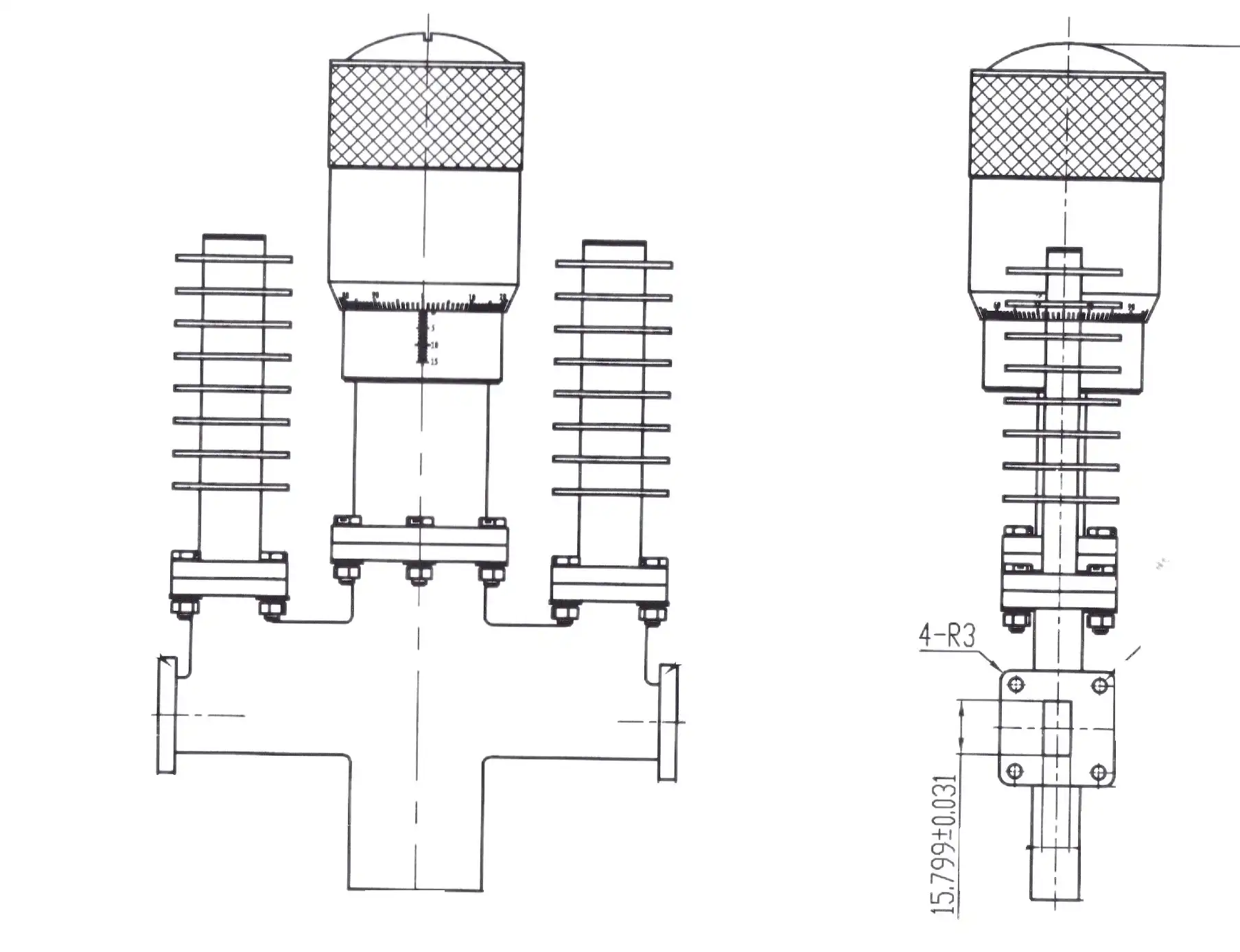
A successful procurement process starts with detailed design paperwork that includes all the important factors. Specifications should include more than just basic needs like frequency range and attenuation span. They should also talk about types of connectors, mounting arrangements, control interfaces, and the setting in which the device will be used. Specifications that aren't clear lead to quotes that don't meet real needs, which wastes time and causes confusion when choosing a seller.
Including engineering teams in the design phase makes sure that the standards are based on what the application actually needs, not on general "industry standard" factors that might not work or be too narrow.
Navigating Bulk Orders and Custom Manufacturing
Volume purchasing can save you a lot of money, but you need to plan to take advantage of those savings. Manufacturers usually set their prices so that there are discounts for buying 10, 25, 50, and 100 units. When buying, teams know these limits; they can combine needs from several projects into one, which lowers unit costs without having to buy too much inventory.
Cost-benefit analyses should be done carefully when people ask for custom-made. When common designs are changed, one-time planning fees can be anywhere from $5,000 to $25,000, based on how complicated the change is. Because these costs are spread out over multiple production numbers, tailoring is only cost-effective when order amounts are high enough. Instead, it's often more cost-effective to see if standard goods can meet the needs with only small system-level changes than to look for unique options.、
Evaluating Total Supplier Value
The quality of the product alone does not show if a supplier is right for the job. Sample supply policies show how confident a seller is and let you test things out in real life before committing to large amounts of production. Clear price systems that break down unit costs, tooling costs, and shipping costs make it easier to stick to a budget and avoid bad shocks. Lead time dependability is especially important for projects that need to be finished quickly. Suppliers should give realistic plans and back up their promises with data from past performance.
Shipping goods isn't the only thing that logistics can help with. Capable providers help with export paperwork for foreign shipments, offer packing that is safe for fragile RF parts, and can meet special delivery needs like sending parts of a package to more than one facility at different times.
Partnering with Advanced Microwave Technologies Co., Ltd
We at Advanced Microwave Technologies Co., Ltd. recognise that buying teams require more than part vendors. They also require professional partners to aid with complex projects from idea to production. We can advise on design and selection because we've made precision microwave parts for 20 years.
Our ISO 9001:2015-approved production procedures ensure uniform quality for aerospace, defence, and satellite communication applications. RoHS compliance fulfils corporate laws, and our 24-meter microwave lab can test from 0.5 to 110 GHz. This in-house testing ensures that each variable attenuator matches stated requirements before shipping.
OEMs and system installers require more than stock products. Our tech team collaborates with clients to develop custom app solutions. We can change frequency bands to match new needs, make strong housings for harsh situations, or add control interfaces to existing test systems that conventional devices can't.
Sample assessment programs enable qualified purchasers to test a product in real life before placing significant orders. Our transparent pricing and global logistics network ensure on-time delivery to venues worldwide. Technical assistance and application expertise are available for merging and addressing questions throughout a product's life.
We focus on understanding your business objectives rather than merely completing orders since we seek long-term connections. This allows us to assist you in identifying the proper parts, suggest cheaper choices when available, and stabilise your supply lines to meet your production objectives.
Conclusion
Variable attenuators are very important for accurate radio tuning in many fields, such as military technologies, satellite communications, and flight systems. To do a good job of buying, you need to balance academic requirements with practical factors like the ability to customise, the dependability of the provider, and the total cost of ownership. Procurement teams can choose parts that offer long-term value instead of just meeting basic requirements when they understand performance measures, design choices, and application-specific requirements. There are a lot of choices on the market from well-known sellers, and each one has its own strengths. When you look at a supplier's professional skills, quality certifications, customisation options, and support infrastructure as a whole, you can form relationships that help projects succeed and businesses grow.
FAQ
Q1: What distinguishes variable attenuators from fixed models in calibration applications?
Variable attenuators let signal levels be changed continuously during calibration processes, so parts don't have to be directly swapped out to set new reference points. This feature cuts down on setup time, makes measurements more accurate, and lets engineers find exact benchmark values that fixed-step methods might miss. Fixed attenuators work well when specific, constant reduction values are enough, but testing processes need the adaptability that only changeable devices can offer.
Q2: How do insertion loss specifications impact system performance?
Insertion loss means that the signal quality is getting worse, even at the lowest levels of reduction, which directly lowers the dynamic range that is accessible. When measuring receiver sensitivity, too much insertion loss can make it impossible to measure the true noise floor performance. To characterise the emitter, it uses up important signal power that could have gone to measuring tools otherwise. Choosing devices with insertion loss below 1 dB protects the ability to measure while keeping performance gaps that are appropriate.
Q3: What customisation options typically add the most value for OEM applications?
Optimising the frequency range for specific working bands gets rid of the needless performance losses that come with designs that are too broad. Custom connection setups let you connect directly to your current infrastructure, so you don't have to use switches that slow things down. Customising the control interface, whether it's for digital communication protocols or analog voltage control, makes it easier to integrate systems and cuts down on the time it takes to create new ones. Environmental ruggedisation is a more cost-effective way to deal with particular placement conditions than making market goods too specific.
Partner with ADM for Your Variable Attenuator in Microwave Needs
With more than twenty years of experience making fine RF components, Advanced Microwave Technologies Co., Ltd is ready to meet your needs. As a well-known variable attenuator in microwave seller, we offer ISO 9001:2015-certified goods with full expert support and the ability to make changes that fit your specific application needs. Our engineering team works closely with sourcing professionals and design engineers to come up with the best solutions, offer fast prototyping services, and make sure that your projects stay on track with their delivery dates. We can help you succeed whether you need standard setups quickly or custom designs for unique uses. We have the technical knowledge and production ability to do both. Get in touch with craig@admicrowave.com right away to talk about your needs with our applications engineering team and find out how our track record of helping customers in aerospace, defence, and telecommunications can help your company's next project.
References
1. Bryant, J. & Anderson, M. (2022). Precision RF Measurement Techniques for Modern Wireless Systems. Cambridge: Technical Publishing International.
2. Collin, R.E. (2021). Foundations of Microwave Engineering: Components and Calibration. 4th Edition. New York: IEEE Press.
3. Harper, T.S. (2023). "Variable Attenuation in High-Frequency Test Systems: Performance Analysis and Selection Criteria." Journal of RF Engineering and Applications, 48(3), 127-145.
4. Institute of Electrical and Electronics Engineers (2023). IEEE Standard for Calibration of RF and Microwave Power Meters. IEEE Std 1309-2023. Piscataway: IEEE Standards Association.
5. Pozar, D.M. (2021). Microwave Engineering: Theory and Components. 5th Edition. Hoboken: Wiley Technical Publications.
6. Richardson, K.L. & Williams, P.D. (2024). "Comparative Performance Assessment of Manual and Electronic Variable Attenuators in Satellite Ground Station Calibration." International Microwave Symposium Digest, 2024, 892-895.
YOU MAY LIKE
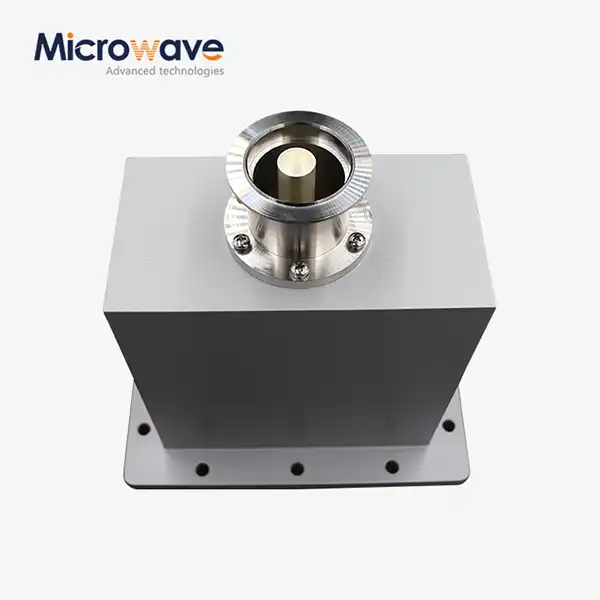 VIEW MOREEnd Launch Waveguide to Coaxial Adapter
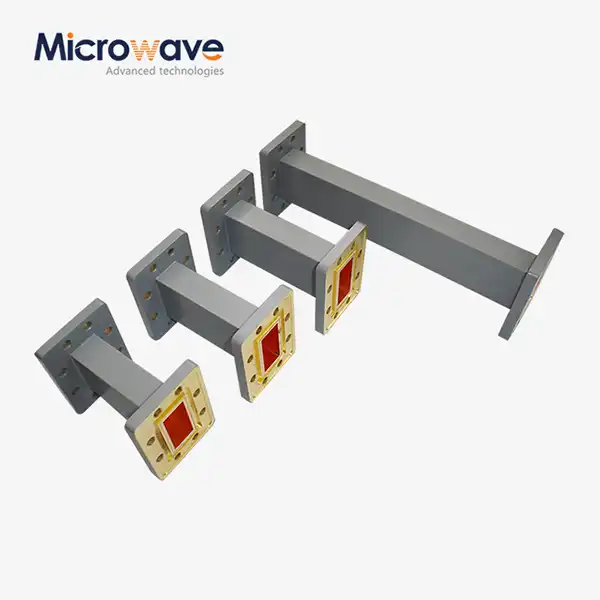 VIEW MORERectangular Straight Waveguide
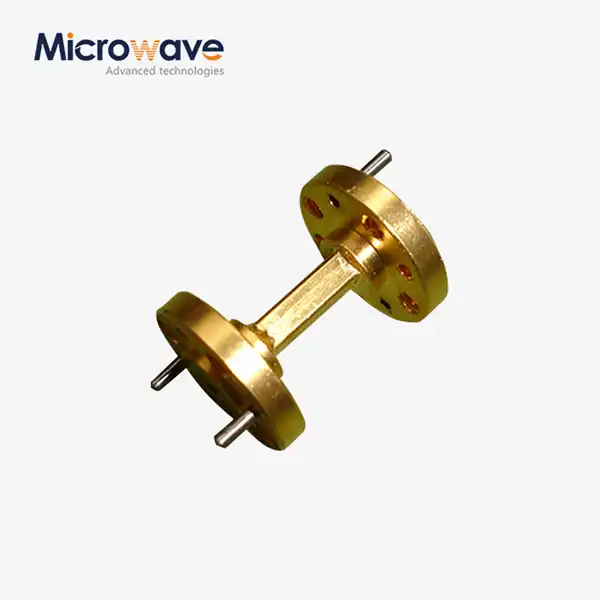 VIEW MORECircular Straight Waveguide
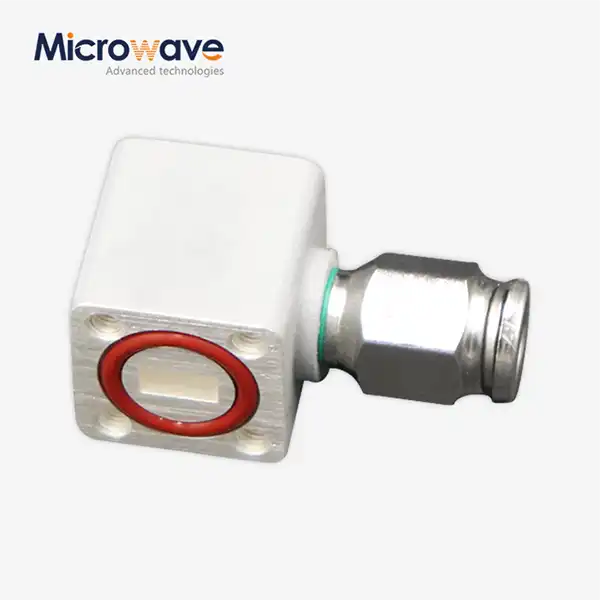 VIEW MOREInflatable Straight Waveguide
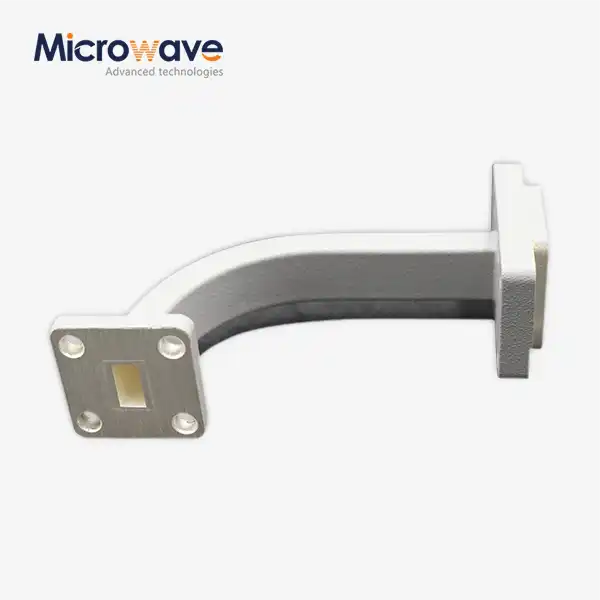 VIEW MOREWaveguide E Bend
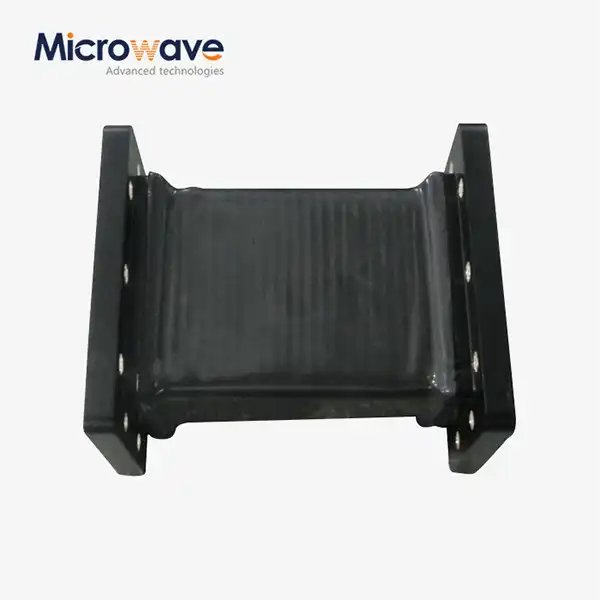 VIEW MOREFlexible Seamless Waveguide
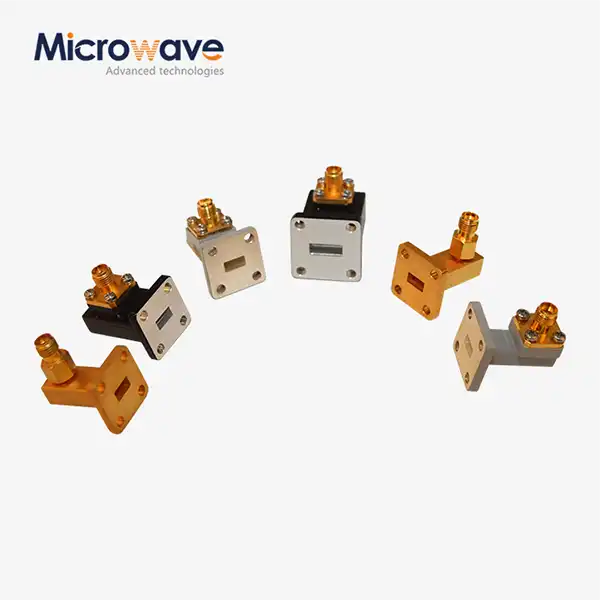 VIEW MORERight Angle Waveguide To Coaxial Adapter
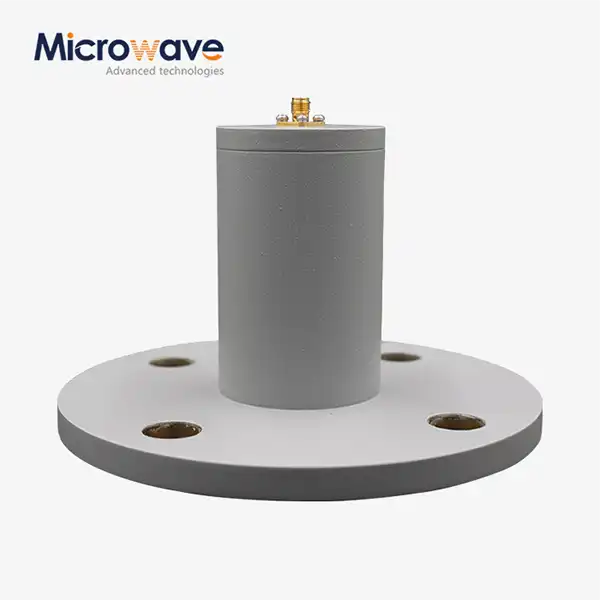 VIEW MORECircular Waveguide To Coaxial Adapter