





How Does a Coaxial Load Protect RF and Microwave Equipment?
The power that is sent is safely turned into heat by a cable load (coaxial load), which is also called a termination load or fake load. This keeps RF and microwave devices safe by keeping it from going back to sensitive parts. When signals hit impedance differences, they can damage readings, heat up amplifiers, or cause oscillations. These echoes are gone with a good cable load that gives a perfect 50Ω match. This keeps devices safe while they are being tested, calibrated, and integrated into systems in labs, on defense planes, and in telecommunications settings.
Understanding Coaxial Loads: Definition, Function, and Applications
What Is a Coaxial Load and How Does It Work?
The characteristic resistance of an RF or microwave transmission line is matched by a coaxial load, which acts as an inactive termination component. Most systems have an impedance of 50Ω, which means that the load has to have that resistance across the whole frequency range. Standing waves form along the wire without this match, putting more voltage load on busy devices and making measurements less accurate. Incoming RF energy is lost as heat by the resistance part inside the load. This "traps" the signal and stops it from going back to the source.
Core Functions in RF Systems
The purity of signals is important for RF and microwave devices. While engineers are testing an emitter, they are not allowed to send out messages without permission because uncontrolled radiation causes confusion. Full-power tests can be done safely with coaxial terminations. They also keep empty ports separate on multi-port devices like circulators and hybrid couplers, which stops crosstalk and maintains port-to-port separation. In base station infrastructure and spread antenna systems, where various signals share the same gear, this feature is very important.
Practical Applications Across Industries
Terminations are useful in many situations. They help telecommunications experts set up and maintain base stations by letting them run receivers at full power without sending out messages. High-power loads that can handle kilowatts of constant power are used by defense companies to test radar systems. Vector network monitors are calibrated with precision standard loads by research institutions. This sets the baseline readings for characterizing components. To keep the system stable, satellite ground sites close off receiving ports that aren't being used. Broadcasting sites use oil-cooled fake loads to service transmitters in a way that follows FCC rules and checks performance data.
Key Technical Specifications and Types of Coaxial Loads
Low-Power vs. High-Power Terminations
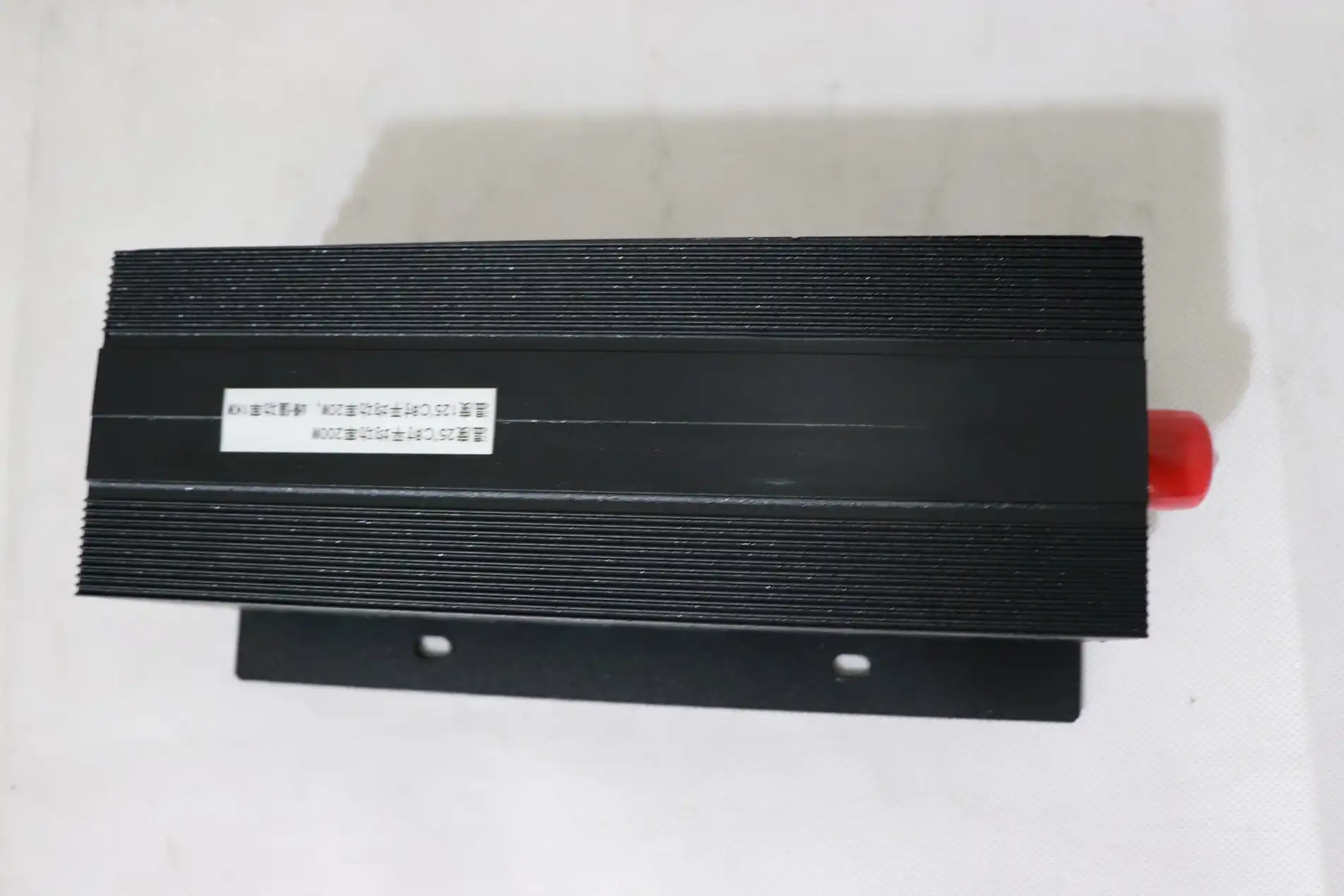
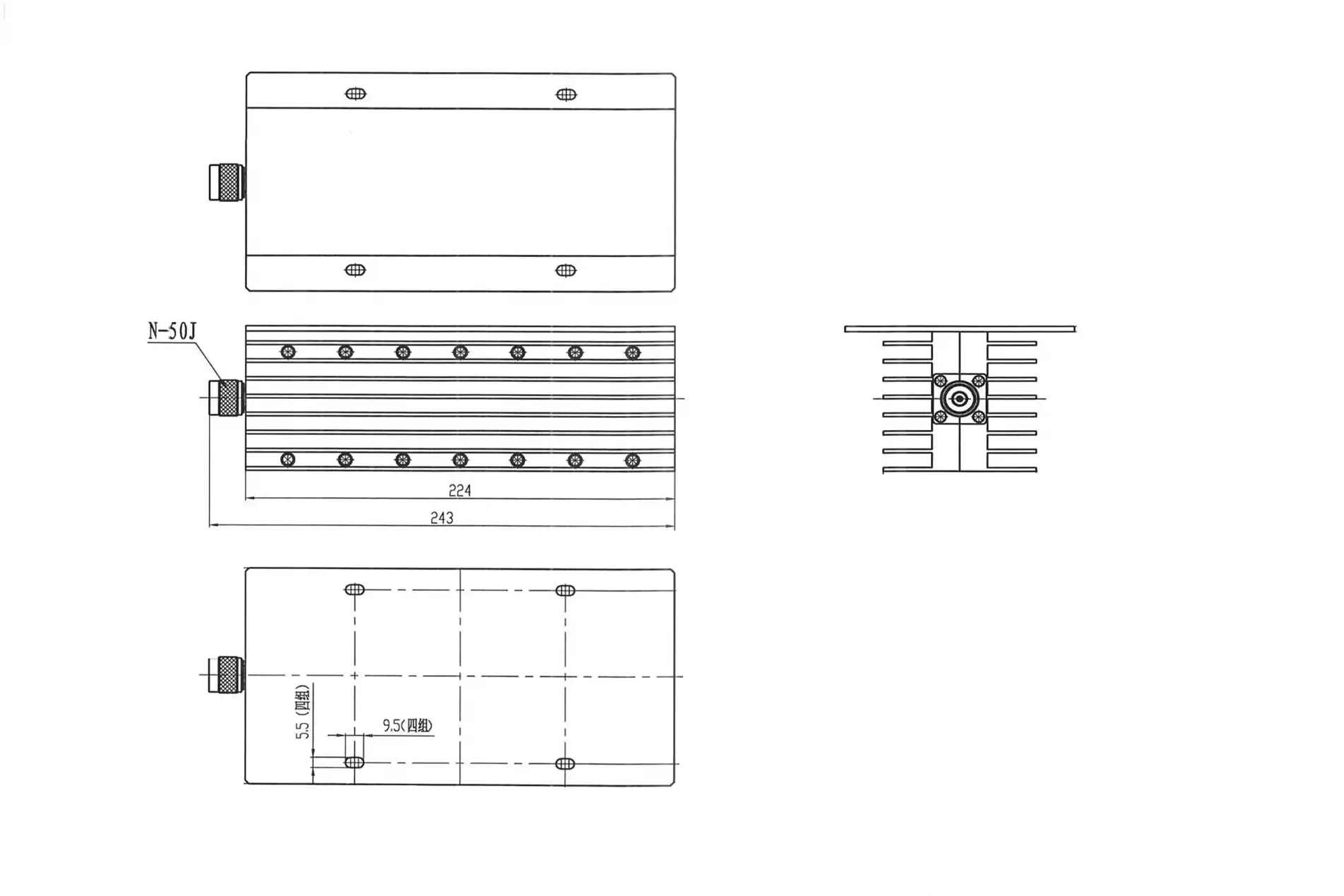
Power handling divides terminations into separate groups. Units with low power ratings, usually between 1 and 50 watts, are good for lab testing and end receiving ports. A lot of the time, these small gadgets have SMA or N-Type connections and air cooling. Advanced thermal management, such as metal fin arrays, forced-air cooling, or oil absorption, is used for high-power loads that range from 100 watts to several kilowatts. These strong designs are needed for defense and media uses that need to handle continuous-wave communications without heat runaway.
Frequency Range Considerations
Load efficiency is determined by the operating frequency. A termination designed for DC to 3 GHz won't work right at 5 GHz—beyond its stated range, the device turns reactive instead of resistive, which leads to bad VSWR and could damage the equipment. For reliable tests and safety, choosing the right frequency band is very important. The CL line from Advanced Microwave works from DC to 110 GHz, so it can be used for a wide range of things, from old HF systems to millimeter-wave uses in 5G infrastructure and satellite communications.
Characteristic Impedance and VSWR
Most systems have an impedance of 50 Ω, but some instruments and cable TV have coaxial load models with an impedance of 75 Ω. It is important that the load's resistance be the same. VSWR is a ratio that shows how well the load absorbs energy compared to how well it sends it back. The VSWR for commercial-grade terminations is less than 1.20:1, which means that less than 1% of the power is sent back. The precision of the standards is less than 1.05:1, which is needed for lab readings where accuracy affects the study's results. VSWR stays less than 1.2:1 on our CL line at Advanced Microwave Technologies Co., Ltd. across the whole frequency range. This keeps your amps safe and makes sure the readings are correct.
Comparing Terminations, Dummy Loads, and Attenuators
It can be hard for buying teams to use the wrong words. "Termination," "dummy load," and "coaxial load" all mean the same thing: a part that takes in all the power that comes in. Attenuators, on the other hand, turn down the signal level but let the energy move on to the next stage. An amplifier in front of a receiver keeps it from getting too hot while still letting signals pass. An endpoint on a port that isn't being used soaks up all the energy, which stops echoes. People can choose the right part for each job when they know the difference between these two types.
Best Practices for Using and Installing Coaxial Loads
Installation Steps and Connector Compatibility
Proper installation begins with connector selection. Common types include SMA (DC to 18 GHz), N-Type (DC to 18 GHz, higher power), TNC (military and ruggedized applications), and 2.92mm (DC to 40 GHz). The CL series from Advanced Microwave offers all these options, ensuring compatibility with existing infrastructure. Thread the connector carefully—crossthreading damages precision threads and degrades electrical performance. Tighten to the manufacturer's specified torque, typically 5-10 inch-pounds for SMA and 12-15 inch-pounds for N-type. Over-tightening deforms center pins; under-tightening creates intermittent connections.
Safety Protocols and Handling
High-power terminations reach elevated temperatures during operation—surface temperatures can exceed 85°C under rated conditions. Adequate ventilation prevents thermal stress and extends service life. Mount the load vertically when possible, allowing natural convection to aid cooling. Never touch the load body during or immediately after operation. For broadcast and radar applications, oil-cooled loads require periodic inspection for fluid levels and leak detection. Always verify power ratings before connecting to transmitters—applying excessive power damages resistive elements and creates hazardous conditions.
Verification Through VSWR Measurement
After installation, engineers should verify performance using a vector network analyzer or VSWR meter. Connect the analyzer to the system port where the load will operate, measure the return loss, and confirm it meets specifications. A properly functioning termination shows high return loss (low VSWR) across the frequency band. Deviations indicate connector damage, contamination, or frequency mismatch. Regular verification during scheduled maintenance catches degradation before it affects system performance, reducing unplanned downtime and protecting valuable test equipment.
Choosing the Right Coaxial Load for Your RF/Microwave Equipment
Critical Selection Criteria
Three parameters drive coaxial load selection decisions. Power rating must exceed your system's average output by 25-50% to account for temperature variation and peak power spikes—this safety margin prevents premature failure. The frequency range must encompass all operating bands with a margin; using a DC-3 GHz load for 5 GHz applications invites disaster. The connector interface must match your transmission line physically and electrically; mixing connector types requires adapters that introduce additional reflections and loss. Advanced Microwave Technologies provides comprehensive specifications for our CL series, including detailed derating curves that show performance across temperature ranges.
Evaluating Industry Solutions
Several manufacturers serve the RF termination market. Werlatone specializes in high-power broadcast and industrial loads with oil cooling and waveguide interfaces. Pasternack offers a wide variety of connectors and quick delivery for prototype quantities. Keysight (formerly Agilent/HP) provides precision calibration standards traceable to national metrology institutes. Mini-Circuits focuses on low-cost commercial-grade terminations for volume OEM applications. Each brand brings distinct strengths—broadcast power, rapid fulfillment, measurement traceability, or cost efficiency.
Advanced Microwave Technologies Co., Ltd. distinguishes itself through customization capability, rigorous quality control, and responsive engineering support. With over two decades of microwave manufacturing experience, ISO 9001:2008 certification, and RoHS compliance, we deliver terminations that meet mission-critical requirements. Our 24-meter anechoic chamber allows precise validation of every component before shipment, giving procurement teams confidence in long-term reliability.
Custom Solutions and Bulk Procurement
Standard catalog products serve many applications, but complex projects demand tailored solutions. Custom terminations address unique requirements: non-standard power ratings for specialized transmitters, modified connectors for legacy equipment, and compact form factors for space-constrained installations. At Advanced Microwave, our OEM services modify frequency ranges, power handling, and physical dimensions to match your exact specifications. Bulk ordering unlocks additional advantages—competitive pricing reduces project costs, consolidated delivery simplifies logistics, and dedicated engineering support accelerates integration. Procurement teams managing multi-year programs benefit from establishing long-term relationships with suppliers who understand their evolving needs.
Real-World Case Studies and Value of Coaxial Loads in Equipment Protection
Telecommunications Network Deployment
A regional telecommunications provider was upgrading cellular base stations across 200 sites. During commissioning, technicians needed to verify each transmitter's output power and spectral purity before connecting antennas. Using high-quality 100-watt terminations, they ran full-power tests at each site, detecting three transmitters with excessive spurious emissions. Early identification prevented interference complaints and regulatory violations, saving an estimated $150,000 in fines and service disruptions. The terminations, reused across all 200 sites, demonstrated excellent durability despite repeated thermal cycling and field handling.
Defense Radar System Maintenance
A defense contractor maintained a phased-array radar system requiring annual calibration. The radar's 5 kW transmitter demanded a high-power termination capable of continuous operation during multi-hour test sequences. Previous low-quality loads failed after 30 minutes, halting testing and delaying aircraft certification. Switching to precision-engineered terminations with forced-air cooling and aluminum nitride substrates eliminated failures. The contractor completed testing ahead of schedule, meeting contractual milestones and avoiding late-delivery penalties. Equipment protection translates directly to program success and enhanced reputation.
Laboratory Calibration Accuracy
A university research laboratory characterized novel GaN amplifier designs for satellite communications. Measurement accuracy depended on stable, low-VSWR terminations during S-parameter testing. Initial measurements using generic loads showed unexplained variations in gain flatness. Investigation revealed their terminations exhibited poor VSWR above 10 GHz, introducing measurement artifacts. After replacing them with precision standards maintaining a < 1.05:1 VSWR to 18 GHz, measurement repeatability improved by 40%. The researchers published their findings with confidence, advancing the field and securing additional research funding.
These cases illustrate how selecting appropriate terminations for coaxial loads prevents equipment damage, reduces downtime, and ensures data integrity. Investing in quality components from established manufacturers like Advanced Microwave Technologies pays dividends through operational efficiency, extended equipment life, and project success.
Conclusion
Coaxial loads form an essential line of defense for RF and microwave equipment, absorbing transmitted power and preventing destructive reflections that damage amplifiers, distort measurements, and destabilize systems. Selecting the right termination requires understanding power ratings, frequency ranges, connector types, and VSWR specifications. Proper installation and verification ensure optimal performance across telecommunications, defense, aerospace, and research applications. By partnering with experienced manufacturers offering customization, quality certifications, and responsive support, procurement teams secure the reliable components their mission-critical systems demand.
FAQ
1. How do I select the correct power rating for a coaxial load?
Apply a safety margin when specifying power ratings. Selecting a termination rated for 25-50% more power than your system's average output accounts for ambient temperature variation and peak power spikes. This approach prevents thermal overload and extends service life, particularly in outdoor or high-temperature environments.
2. What distinguishes a coaxial load from a dummy load?
These terms describe the same component—a passive device that absorbs RF energy and converts it to heat. "Dummy load" originated in broadcast engineering, while "coaxial load" and "termination" are common in telecommunications and defense. All refer to impedance-matched resistive elements that prevent signal reflection.
3. Can I use a DC-3 GHz load for 5 GHz applications?
No. Operating beyond the rated frequency range causes the load to become reactive rather than purely resistive, resulting in high VSWR and poor absorption. This mismatch reflects energy back to the transmitter, defeating the load's protective purpose and potentially damaging equipment. Always select terminations with frequency ranges exceeding your operating bands.
Partner with Advanced Microwave Technologies for Reliable Coaxial Load Solutions
Advanced Microwave Technologies Co., Ltd. brings over 20 years of microwave component manufacturing expertise to every project. Our CL series coaxial loads deliver reliable power absorption from DC to 110 GHz, handling up to 500 watts with VSWR < 1.2:1. ISO 9001:2008 certification and RoHS compliance ensure product quality, while our customization capabilities address unique requirements for defense, aerospace, telecommunications, and research applications. Whether you need precision laboratory standards, high-power broadcast terminations, or volume production for OEM integration, our engineering team provides responsive support from prototyping through delivery. Contact craig@admicrowave.com to discuss your specifications with an experienced coaxial load supplier and discover how our tailored solutions protect your RF and microwave equipment while meeting demanding procurement standards.
References
1. Pozar, David M. Microwave Engineering, Fourth Edition. Hoboken: John Wiley & Sons, 2011.
2. Collin, Robert E. Foundations for Microwave Engineering, Second Edition. New York: McGraw-Hill Education, 1992.
3. Institute of Electrical and Electronics Engineers. IEEE Standard for Precision Coaxial Connectors at RF, Microwave, and Millimeter-wave Frequencies. IEEE Std 287-2007.
4. Agilent Technologies. Fundamentals of RF and Microwave Power Measurements. Application Note 64-1A, 2000.
5. Ludwig, Reinhold and Gene Bogdanov. RF Circuit Design: Theory and Applications, Second Edition. Upper Saddle River: Prentice Hall, 2008.
6. Hewlett-Packard Company. Microwave Coaxial and Waveguide Terminations: Selection and Application Guide. Technical Publication 5952-8065, 1994.
YOU MAY LIKE
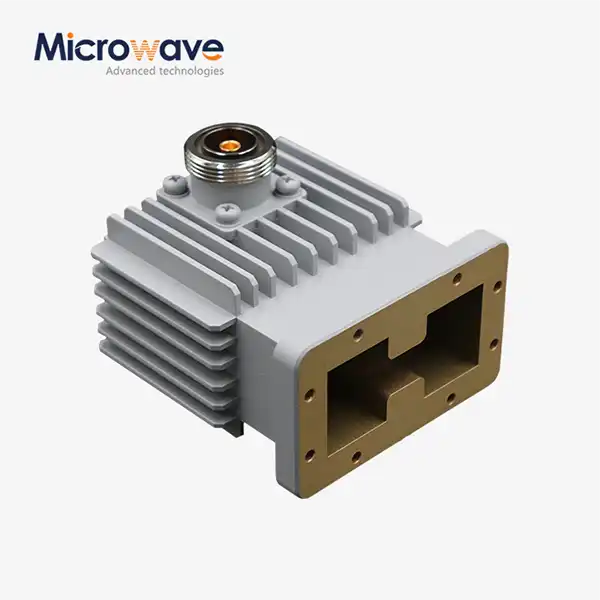 VIEW MOREHigh Power Waveguide to Coaxial Adapter
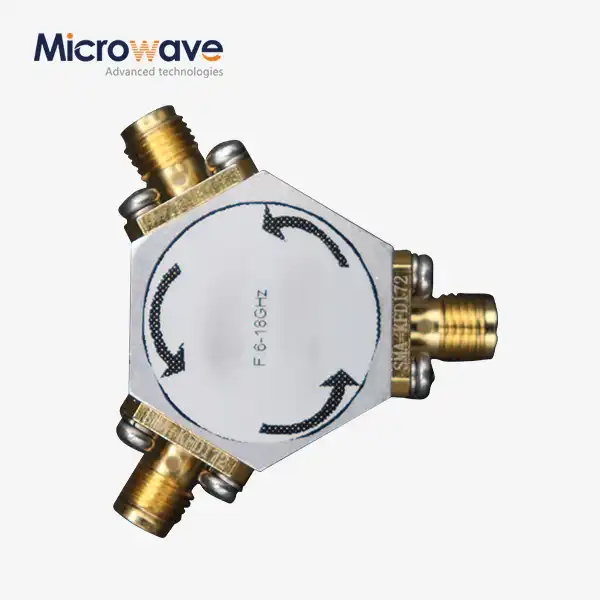 VIEW MOREBroadband Coaxial Circulator
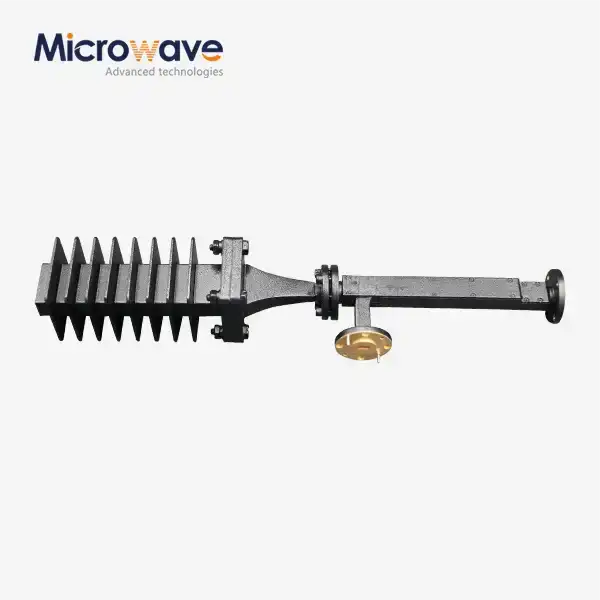 VIEW MOREMicrowave Fixed Attenuator
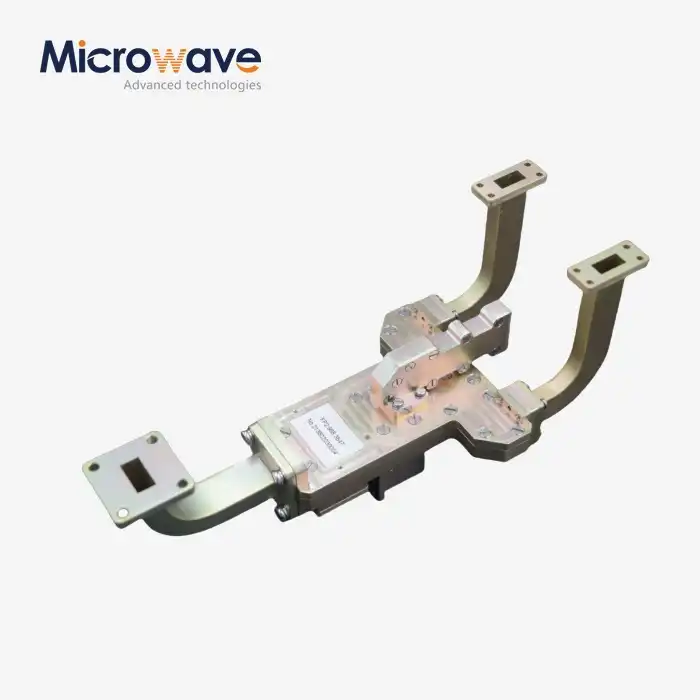 VIEW MOREMagic Hybrid Tee
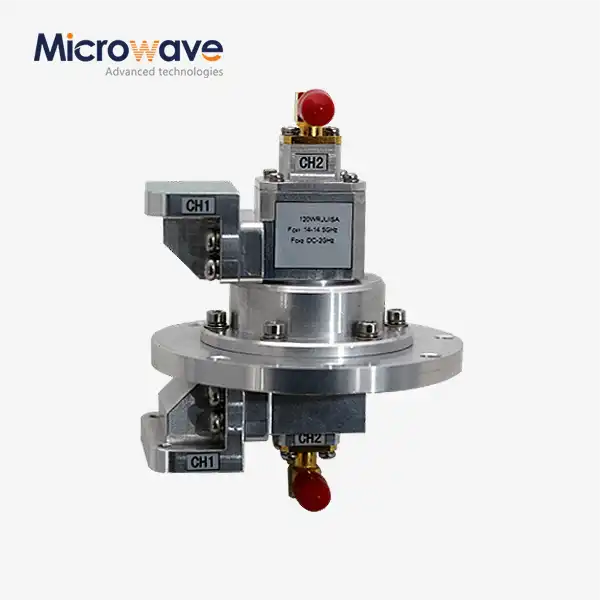 VIEW MOREWG Dual-Channel Rotary Joint
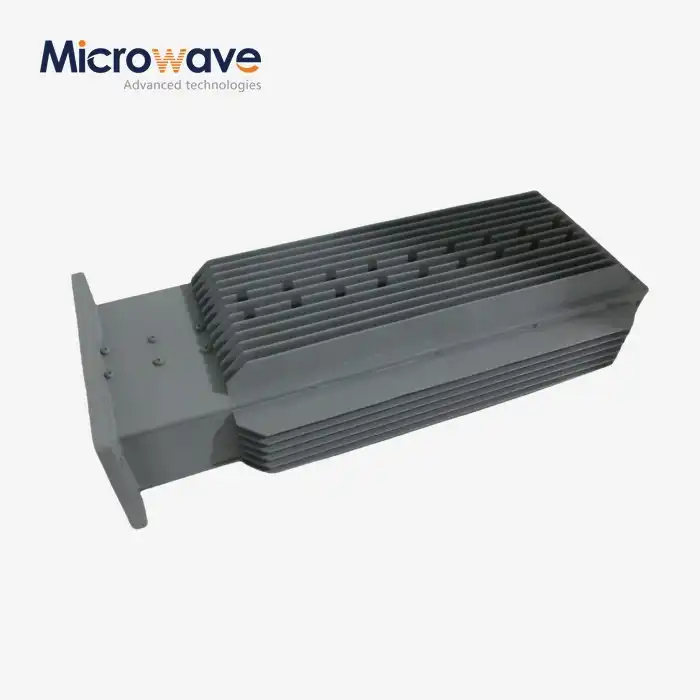 VIEW MOREDouble Ridge Waveguide Load
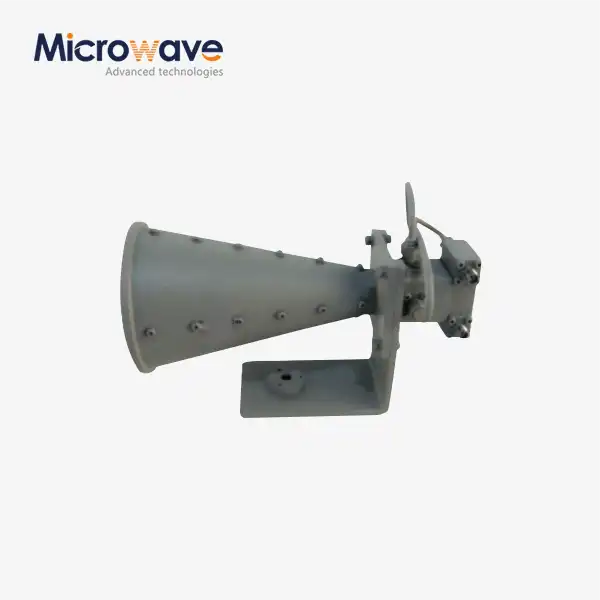 VIEW MOREDual Linear Broadband Dual Circular Polarization Horn Antenna
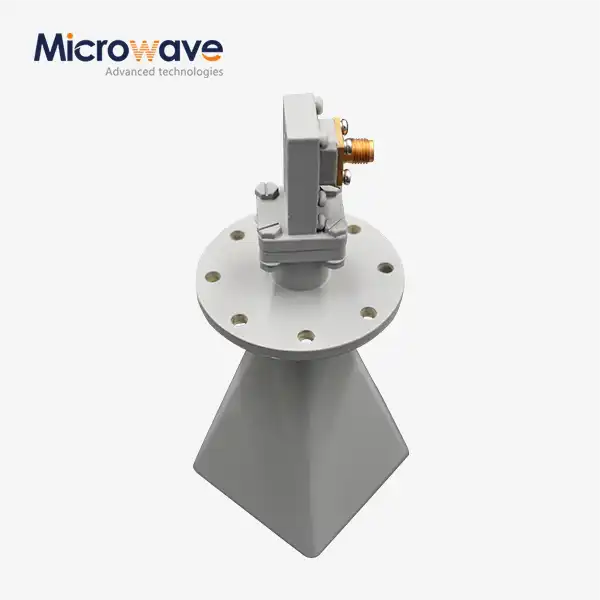 VIEW MORELow Side Lobe Diagonal Linear Polarization Horn Antenna