





E-Plane Tee Applications in Waveguide Distribution Networks
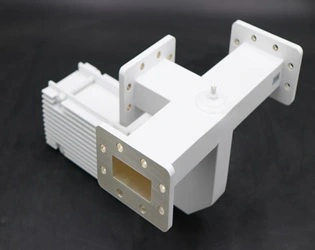
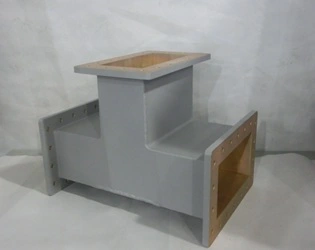
E-Plane Tee components serve as foundational elements in waveguide distribution networks, enabling precise signal splitting and combining with inherent 180-degree phase relationships. These three-port junctions align the auxiliary arm parallel to the electric field plane, making them indispensable for radar tracking systems, satellite ground stations, and high-power microwave applications where phase-dependent signal processing determines system accuracy. Their robust mechanical construction and exceptional power-handling capabilities address critical challenges in defence, aerospace, and telecommunications infrastructure.
Understanding the Basics of E-Plane Tee
The series tee, as engineers commonly reference this component, represents a specialized waveguide junction where electromagnetic behavior differs fundamentally from its H-plane counterpart. When microwave energy enters through the side arm, the junction divides power equally between the two collinear ports while introducing a natural 180-degree phase shift. This characteristic emerges from the geometric relationship between the auxiliary port and the electric field orientation within the main waveguide structure.
Physical Construction and Material Standards
Manufacturing these junctions requires precision metalworking with materials chosen specifically for their conductivity and mechanical stability. We typically construct units from oxygen-free high-conductivity copper, aerospace-grade aluminum alloy 6061-T6, or brass, depending on application requirements. Surface treatments include silver or gold plating to minimize skin-depth losses at high frequencies, which is particularly critical above 10 GHz, where resistive losses become significant. The internal dimensions must maintain micron-level tolerances because even small deviations cause mode conversion and reflected power. Flanges conform to EIA standards such as WR-90 for X-Band or WR-28 for Ka-Band applications, ensuring mechanical compatibility across multi-vendor systems. ISO 9001 certification and RoHS compliance represent baseline requirements for procurement in regulated industries.
Electromagnetic Performance Parameters
The junction discontinuity where three waveguide sections meet creates a reactive element that reflects energy unless properly matched. Without internal compensation structures such as inductive posts or irises, voltage standing wave ratio values can exceed acceptable limits for sensitive applications. Properly designed units achieve VSWR below 1.2:1 across operational bandwidths, with insertion loss typically maintained under 0.1 dB. Scattering parameters measured through vector network analyzer testing reveal the phase relationship between ports and isolation characteristics between collinear arms. Directivity, another critical specification, indicates how effectively the junction separates signals traveling in opposite directions, directly impacting system accuracy in tracking applications.
Differentiation from H-Plane Configuration
Understanding when to specify each junction type prevents costly design errors. The H-Plane version, where the side arm aligns with the magnetic field plane, produces in-phase outputs at the collinear ports. This shunt configuration suits power division where signals must remain phase-coherent. Conversely, the inherent phase reversal in series tees makes them ideal for difference channel generation in monopulse systems, balanced mixer feeds, and push-pull amplifier configurations. The structural differences also affect mechanical integration; the side arm orientation influences mounting options and space constraints within larger assemblies.
Applications of E-Plane Tees in Waveguide Distribution Networks
These junctions solve specific technical challenges across multiple industries where microwave signal integrity determines mission success. Their ability to generate phase-reversed outputs without external components reduces system complexity and improves reliability in harsh environments.
Monopulse Radar Tracking Systems
Defense contractors and aerospace integrators rely on these components, including E-Plane Tee, for the difference channel in tracking radars. Two antenna elements receive slightly different signal strengths depending on the target position relative to the boresight. The Series Tee subtracts these signals, creating an error voltage proportional to angular deviation. This technique enables missile guidance systems to maintain lock on maneuvering targets and air traffic control installations to track aircraft positions with sub-degree accuracy. The components must withstand extreme thermal cycling from -55°C to +85°C and high-vibration environments aboard naval vessels or airborne platforms. Our experience manufacturing units for defence applications demonstrates that proper material selection and thermal stress analysis during design prevent performance degradation over operational lifetimes exceeding 20 years.
Satellite Ground Station Feed Networks
Telecommunications infrastructure demands phase-symmetrical power combining for uplink and downlink paths in ground station antenna systems. These junctions enable balanced feeding of multiple antenna elements while maintaining the phase relationships necessary for beam steering and pattern control. When signals from two collinear ports enter with 180-degree phase offset, they combine constructively at the side arm, efficiently directing power toward satellite transponders. Conversely, signals arriving in-phase cancel at the side arm, providing inherent isolation that protects sensitive low-noise amplifiers. High-power handling capability becomes critical for uplink transmitters where kilowatt-level continuous wave power must pass through without voltage breakdown. Pressurisation with sulphur hexafluoride gas increases dielectric strength for megawatt-class broadcast applications.
Impedance Matching and Laboratory Instrumentation
Research institutions and industrial R&D departments employ Series Tees with sliding short circuits on the auxiliary arm to create adjustable series stub tuners. This configuration allows engineers to cancel reactive mismatches dynamically, protecting expensive signal sources like magnetrons or travelling wave tubes from reflected power. The ability to tune out impedance variations across frequency bands proves invaluable during prototype testing and system integration. Our laboratories equipped with measurement capabilities to 110 GHz enable comprehensive characterisation of these tuning configurations, providing customers with documented performance data that reduces integration risk.
How to Choose the Right E-Plane Tee for Your Project?
Procurement decisions require balancing technical specifications against budget constraints, delivery schedules, and supplier reliability. A systematic evaluation process ensures the selected component meets both immediate needs and long-term system requirements.
Technical Specification Assessment
The frequency range defines the starting point for component selection. Standard waveguide bands from L-Band through W-Band each require specific flange interfaces and internal dimensions. Operating bandwidth within the selected band affects matching complexity; broader bandwidths demand more sophisticated internal compensation structures that increase cost but reduce inventory requirements for multi-frequency systems. Power handling requirements stem from both average and peak power levels, with pulsed radar applications presenting particularly challenging thermal management demands. Insertion loss specifications must account for system link budgets, where every tenth of a decibel affects range or data rate. Physical envelope constraints in space-limited installations may necessitate custom geometries or alternative mounting configurations beyond standard catalogue offerings.
Comparative Analysis with Alternative Components
Magic Tees combine both E-Plane (E-Plane Tee) and H-Plane junctions into a single four-port device, offering sum and difference outputs simultaneously. While functionally rich, their larger size and higher cost make them inappropriate when only phase-reversed splitting is required. Hybrid couplers provide quadrature phase relationships rather than 180-degree splits, serving different application needs in mixers and image-rejection receivers. H-plane tees suit applications requiring in-phase division but introduce different matching challenges. Understanding these distinctions prevents over-specifying components that add unnecessary cost or selecting incompatible devices that compromise system performance.
Supplier Evaluation Criteria
Beyond technical datasheets, procurement professionals must assess supplier manufacturing capabilities and quality systems. ISO 9001 certification indicates established process controls, though aerospace and defence applications often require AS9100 certification, demonstrating compliance with additional traceability and documentation requirements. Lead times vary significantly between catalogue items and custom designs; standard configurations ship within weeks while bespoke solutions may require months for design validation and manufacturing. Pricing structures reflect this complexity, with volume discounts available for production quantities but prototyping quantities carrying premium charges. We maintain global logistics partnerships that ensure reliable delivery schedules, critical for projects with contractual milestones.
Procurement Considerations for E-Plane Tees
Effective sourcing strategies balance cost optimization with risk mitigation, particularly in global supply chains where component authenticity and quality assurance present ongoing challenges.
Authentication and Quality Verification
Counterfeit and substandard components infiltrate supply chains, particularly through unauthorized distributors. Procurement teams should request certificates of conformance documenting material composition, dimensional inspection results, and electrical performance testing. Reputable suppliers provide traceability to manufacturing lot numbers, enabling root cause analysis if field failures occur. We conduct swept frequency testing on every unit using calibrated vector network analyzers, with test data archived and available to customers. Plating thickness verification through X-ray fluorescence and salt spray corrosion testing per ASTM B117 standards ensure long-term environmental durability. Surface roughness measurements confirm internal finish quality that prevents passive intermodulation distortion and voltage breakdown at high power levels.
Pricing Structures and Volume Strategies
Unit costs decrease substantially with order quantity, though minimum order quantities for custom designs may exceed immediate project needs. Buyers can negotiate consignment inventory arrangements where suppliers maintain stock at customer facilities, reducing carrying costs while ensuring rapid access to components. Lead-time premiums apply for expedited manufacturing, sometimes adding 30-50% to base pricing. Strategic buyers forecast requirements across multiple projects to consolidate purchases and achieve volume pricing. Our flexible manufacturing approach accommodates both large production runs and small research quantities, with transparent pricing that reflects actual manufacturing complexity rather than arbitrary markups.
Technical Support and Documentation Access
Comprehensive datasheets detailing electrical specifications, mechanical drawings, and material certifications enable informed purchasing decisions and streamline system integration. Application notes describing matching techniques, power handling calculations, and thermal management approaches reduce engineering time and prevent implementation errors. Access to experienced RF engineers for pre-sales technical consultation helps buyers specify appropriate solutions without over-engineering or compromising performance. We provide this support at no charge, recognising that customer success drives long-term partnerships. Post-delivery assistance with integration troubleshooting and performance optimisation ensures that components deliver expected results within customer systems.
Future Trends and Innovations in E-Plane Tee Technology
Evolving application requirements drive continuous improvement in materials, manufacturing techniques, and performance capabilities. Strategic procurement planning should anticipate these developments to avoid component obsolescence.
Advanced Materials and Manufacturing Methods
Additive manufacturing techniques enable complex internal geometries impossible with traditional machining, potentially improving bandwidth and matching performance. Research into low-loss dielectric coatings may reduce insertion loss below current limits, particularly valuable in cascaded distribution networks where losses accumulate. Higher-frequency applications above 110 GHz require tighter tolerances and smaller dimensions, pushing manufacturing capabilities toward semiconductor fabrication techniques. We continue investing in advanced measurement equipment and manufacturing technology to support these emerging requirements, maintaining our position as a leading microwave manufacturer serving next-generation systems.
Integration with Digital Systems
Smart waveguide components (E-Plane Tee) incorporating embedded sensors and IoT connectivity enable real-time performance monitoring and predictive maintenance. Temperature sensors detect thermal excursions indicating excessive power or cooling system failures before damage occurs. Vibration monitors identify mounting degradation in mobile installations. Cloud-connected systems aggregate performance data across distributed installations, revealing patterns that guide design improvements. These capabilities particularly benefit satellite ground networks and radar installations where unscheduled downtime carries substantial operational costs. Procurement strategies should evaluate supplier roadmaps for incorporating these features into standard product lines.
Conclusion
Series Tee waveguide junctions remain indispensable in modern microwave systems requiring phase-dependent signal processing. Their unique ability to generate 180-degree phase relationships without external components simplifies system architectures while delivering exceptional power handling and reliability. Successful procurement demands careful specification of technical requirements, thorough supplier evaluation, and strategic planning that anticipates future technology trends. Organisations investing in comprehensive component characterisation, quality verification processes, and strong supplier partnerships position themselves for success in increasingly demanding aerospace, defence, and telecommunications applications.
FAQ
1. What frequency ranges do these waveguide junctions typically support?
Standard units cover established waveguide bands from 1 GHz through 110 GHz, with specific models designed for L-band, S-band, C-band, X-band, Ku-band, Ka-band, and millimetre-wave applications. Custom designs extend coverage to specialised frequency allocations. The operational bandwidth within each band typically spans 20-40% of the centre frequency, with broadband designs achieving octave bandwidths through advanced matching techniques.
2. Can these components handle high-power radar and communication applications?
Power handling depends on internal geometry and dielectric medium. Air-filled units typically handle kilowatt-level continuous power, with peak power capabilities reaching megawatt levels in pulsed radar applications. Pressurisation with sulphur hexafluoride increases breakdown voltage substantially. Thermal management becomes critical above kilowatt levels, often requiring water cooling or forced air convection to maintain junction temperatures within safe limits.
3. How do buyers verify compliance with system specifications?
Request complete test data from calibrated vector network analysers showing VSWR, insertion loss, and isolation across operational frequencies. Dimensional inspection reports confirm mechanical compatibility with mating components. Material certifications verify conductivity and environmental durability. Reputable suppliers provide this documentation as standard practice, with traceability to manufacturing lot numbers.
Partner with ADM for Premium E-Plane Tee Solutions
Advanced Microwave Technologies Co., Ltd brings over twenty years of expertise in precision waveguide component manufacturing to your most demanding projects. Our ISO 9001-certified production facilities and comprehensive testing capabilities up to 110 GHz ensure every E-Plane Tee manufacturer delivers documented performance meeting your exact specifications. Whether you need catalogue configurations for rapid deployment or custom-designed solutions optimised for unique system requirements, our engineering team provides expert consultation throughout the procurement process. Contact craig@admicrowave.com today to discuss your waveguide distribution network needs, request detailed technical datasheets, or obtain customised quotes. We serve defence contractors, aerospace integrators, satellite operators, and research institutions worldwide with reliable components, competitive pricing, and responsive technical support that transforms complex microwave challenges into successful system deployments.
References
1. Pozar, D. M. (2011). Microwave Engineering (4th ed.). Wiley Publications.
2. Collin, R. E. (2001). Foundations for Microwave Engineering (2nd ed.). IEEE Press.
3. Bhat, B., & Koul, S. K. (1987). Stripline-Like Transmission Lines for Microwave Integrated Circuits. Wiley Eastern Limited.
4. Marcuvitz, N. (1986). Waveguide Handbook. Institution of Engineering and Technology.
5. Ishii, T. K. (1995). Handbook of Microwave Technology: Components and Devices (Vol. 1). Academic Press.
6. Montgomery, C. G., Dicke, R. H., & Purcell, E. M. (1948). Principles of Microwave Circuits. McGraw-Hill Book Company.
YOU MAY LIKE
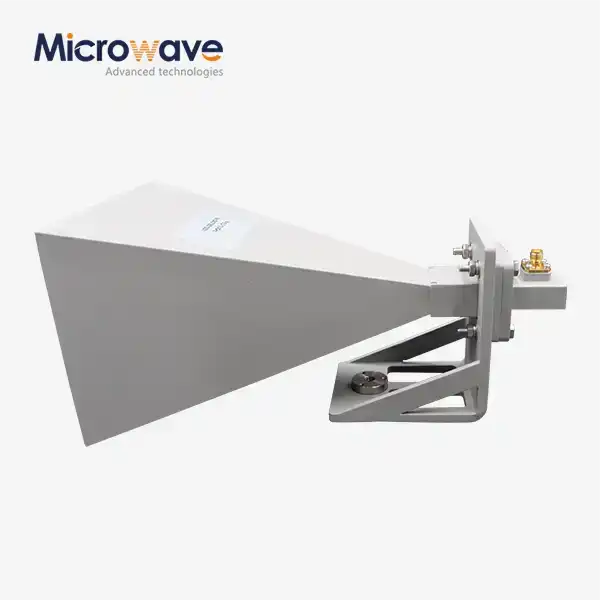 VIEW MOREWaveguide Horn Antennas
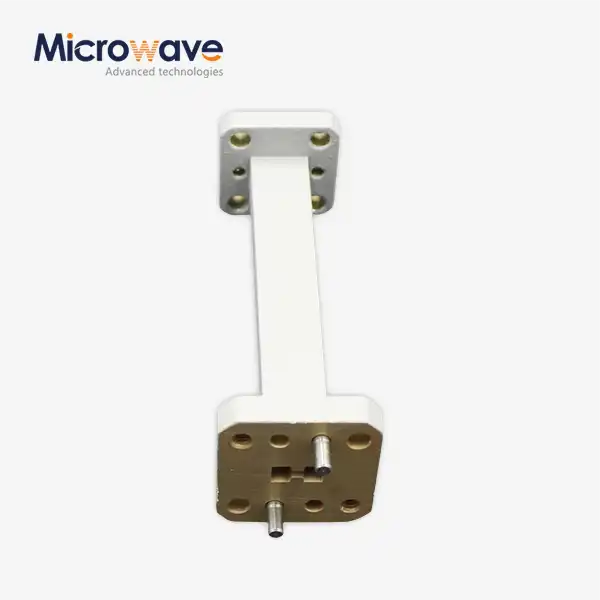 VIEW MOREWaveguide Straights and Transitions
 VIEW MOREWG Transition
 VIEW MOREDouble Ridged Flexible Waveguide
 VIEW MOREDouble-Ridged Waveguide Loop Coupler
 VIEW MORECoaxial Detector
 VIEW MOREUltra Double-ridged Horn Antenna
 VIEW MOREPyramidal Linear Polarization Horn Antenna