




Double Ridge Twist Waveguide Benefits for Broadband RF Systems
Double Ridge Twist Waveguide components deliver exceptional performance benefits for broadband RF systems by combining enhanced bandwidth capabilities with precise polarization control. These specialized microwave transmission components integrate double ridge geometry with twist functionality, enabling multi-octave frequency coverage typically spanning 2.4:1 to 3.6:1 bandwidth ratios while maintaining superior signal integrity across demanding RF applications in aerospace, defense, and telecommunications sectors.
Understanding Double Ridge Twist Waveguide Technology
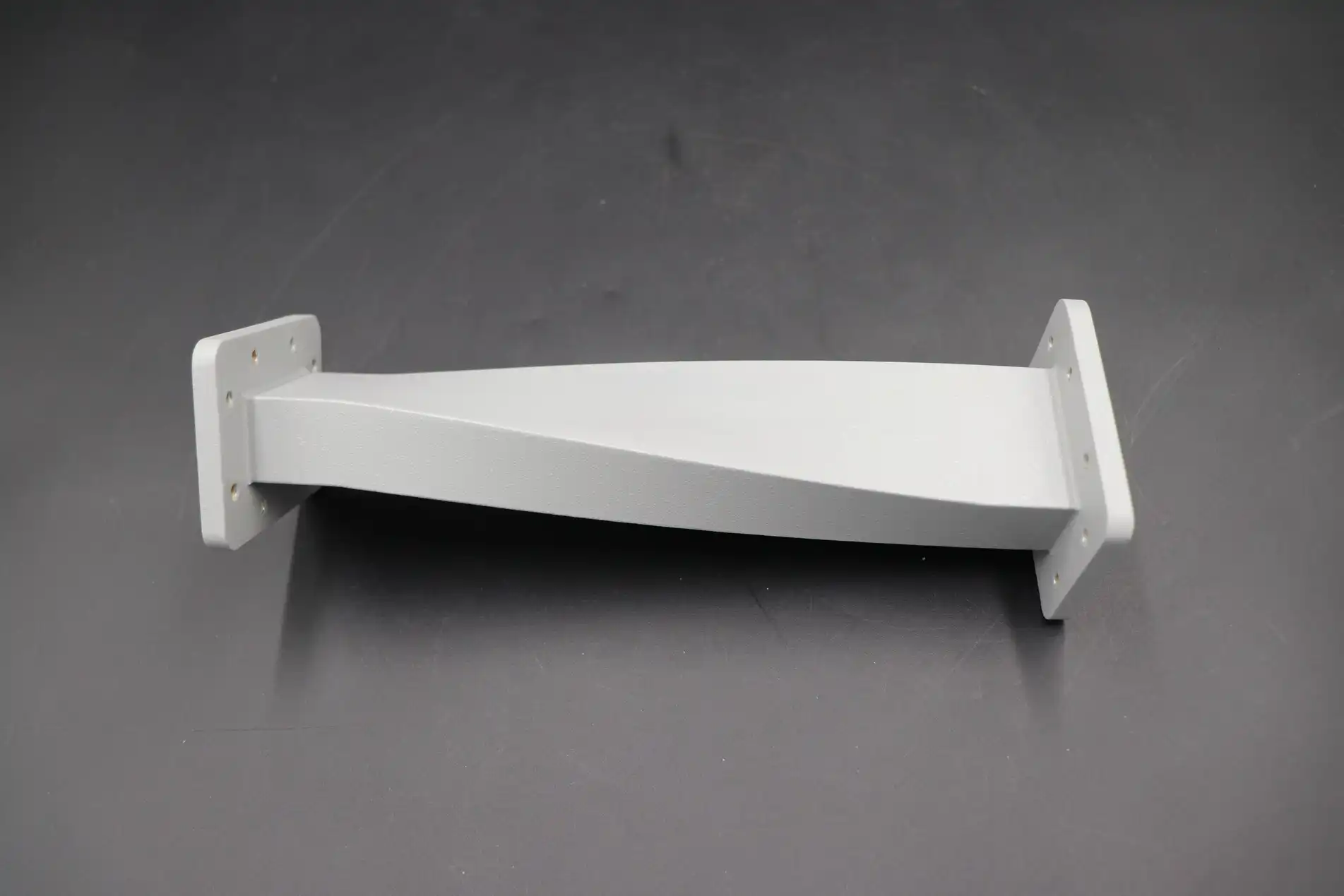
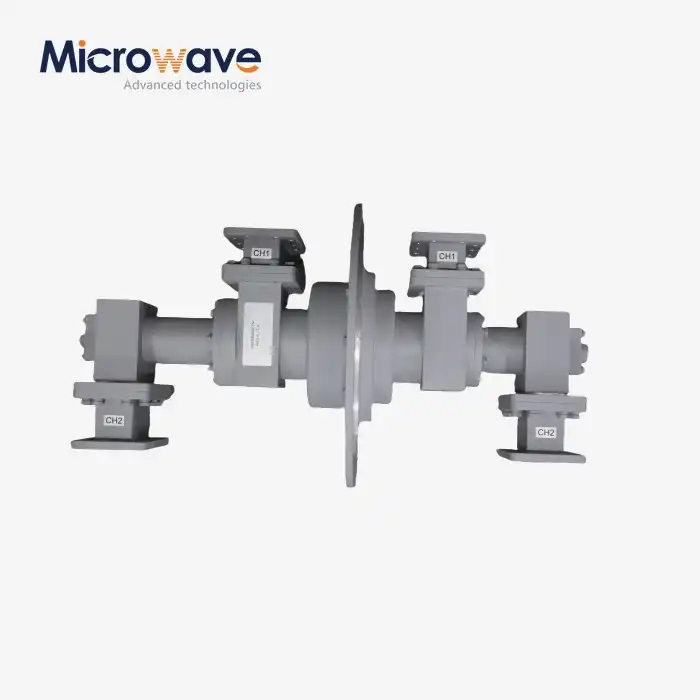
These parts are designed in a way that solves important problems in current RF systems. Most of the time, traditional rectangular waveguides have trouble with bandwidth issues and can only work in small 1.5:1 frequency bands. Adding metallic ridges to the broad walls of the double ridge design changes this limitation in a basic way. This lowers the cutoff frequency while increasing the single-mode bandwidth. We at Advanced Microwave Technologies Co., Ltd. have been working on this technology for more than 20 years and have made it better. Our double ridge twist components do more than one thing at the same time; they rotate the polarization of the electromagnetic field while keeping their excellent broadband performance. Because it can do two things at once, it doesn't need two different parts. This makes the system simpler and less likely to break. The twist device can rotate at 90 degrees by default, but different angles can be made for special uses. When there are mechanical alignment problems between transmitter outputs and antenna feeds, this feature comes in very handy. This is especially true in small spaces where standard methods would need a lot of redesigning.
Key Performance Parameters and Technical Specifications
When it comes to the most important performance measures for purchase engineers and system designers, our Double Ridge Twist Waveguide is the best. The frequency range goes from 5 GHz to 110 GHz, which covers almost all popular millimeter-wave and microwave uses. Engineers can combine several systems into a single communication line thanks to this wide reach. The VSWR performance stays below 1.15:1 throughout the whole working span. This makes sure that there is very little signal bounce and the best power transfer efficiency. This low reflection coefficient immediately leads to better system performance and less stress on parts in high-power situations. Insertion loss traits show that these parts were made with excellent engineering. We get very little signal loss across the whole frequency range by using precise cutting and other modern manufacturing methods. The silver finishing choice gives you the best communication and protects against damage to the surroundings. Size and frequency affect how much power a component can handle, but our parts always meet or beat industry standards for their specific uses. The shape of the ridges does create places with a strong electric field, but careful engineering makes sure that the power can be handled well enough for most electronic warfare and radar uses.
Core Benefits for RF System Integration
One of the main benefits these parts bring to internet systems is better signal stability. Because the frequency range is so wide, there is no need for complicated swapping systems that add extra loss and could fail at any time. Multiple frequency bands can be sent through a single communication line, which makes the general system much simpler. These parts can be used to optimize space because they have two different functions. One double ridge twist component does the work of both polarization rotators and broadband waveguides, so they don't need to be bought separately. When used in the air, where weight and room limitations affect design choices, this streamlining is especially helpful. The reliability goes up when the number of parts is cut down and the structure is strong. Each part that is taken out means that there is one less possible failure mode, which directly improves the total stability of the system. Precision cutting and high-quality materials used in production make sure that the product works the same way in all temperatures and tough environments. Customization options allow for exact matches to meet the needs of a particular application. For Double Ridge Twist Waveguide assemblies, precise adjustments can be made to twist angles, flange types, and frequency optimization. This flexibility enables system builders to achieve optimal performance without relying on off-the-shelf components that may not fully meet their specific technical and integration requirements.
ADM's Double Ridge Twist Waveguide Versus Competitive Solutions
Advanced Microwave Technologies Co., Ltd stands out because it can make a wide range of products and has strict quality control procedures. Our ISO 9001:2015 approval makes sure that the standard of all of our products is the same, and our RoHS compliance makes sure that we are responsible to the environment. Our microwave lab is 24 meters long and offers testing options that can't be beat. It lets us accurately characterize frequencies from 0.5 to 110 GHz. This wide range of testing options makes sure that every part meets or beats the performance requirements before it is sent out. Because our plant can do fine milling, we can get closer standards than many of our rivals. When parts are put together in complex systems, they work reliably because the dimensions stay the same across production runs. The quality of the surface finish has a direct effect on how well the electrical system works, and our modern plating methods produce the best results. We are different from providers who only make things because we offer technical help. Our engineering team can help with all aspects of an application, from the initial design advice to post-installation support. This knowledge is very helpful when putting parts together in mission-critical systems that can't lose speed.
Optimization Strategies for Maximum Performance Benefits
The best performance from these precise parts is guaranteed by following the right fitting steps, especially when installing a Double Ridge Twist Waveguide, where precise alignment and secure connections are essential to maintain optimal signal transmission and minimize reflection loss. To keep the VSWR from going down, the shape of the flanges must be kept within certain limits. Using the right torque specs and seal materials stops mechanical stress that could hurt the performance of the electrical system. Long-term dependability depends a lot on how the environment is treated. Changing temperatures can have an effect on mechanical limits, especially when used in flying situations. Degradation can be avoided over time by choosing the right materials and styles for the job. When deciding how to integrate these parts, the fact that they are internet should be taken into account. Because they cover a wider range of frequencies than narrow-band options, double-ridge designs may need different protection factors. When system-level planning is done right, unwanted interaction between nearby components is avoided. Maintenance routines keep things running at peak levels and extend their useful lives. Checking the contact surfaces and connections on a regular basis stops them from slowly breaking down, which could affect how well the system works. Sealing against the environment is especially important for setups that are outside or for mobile apps.
Critical Application Considerations and Best Practices
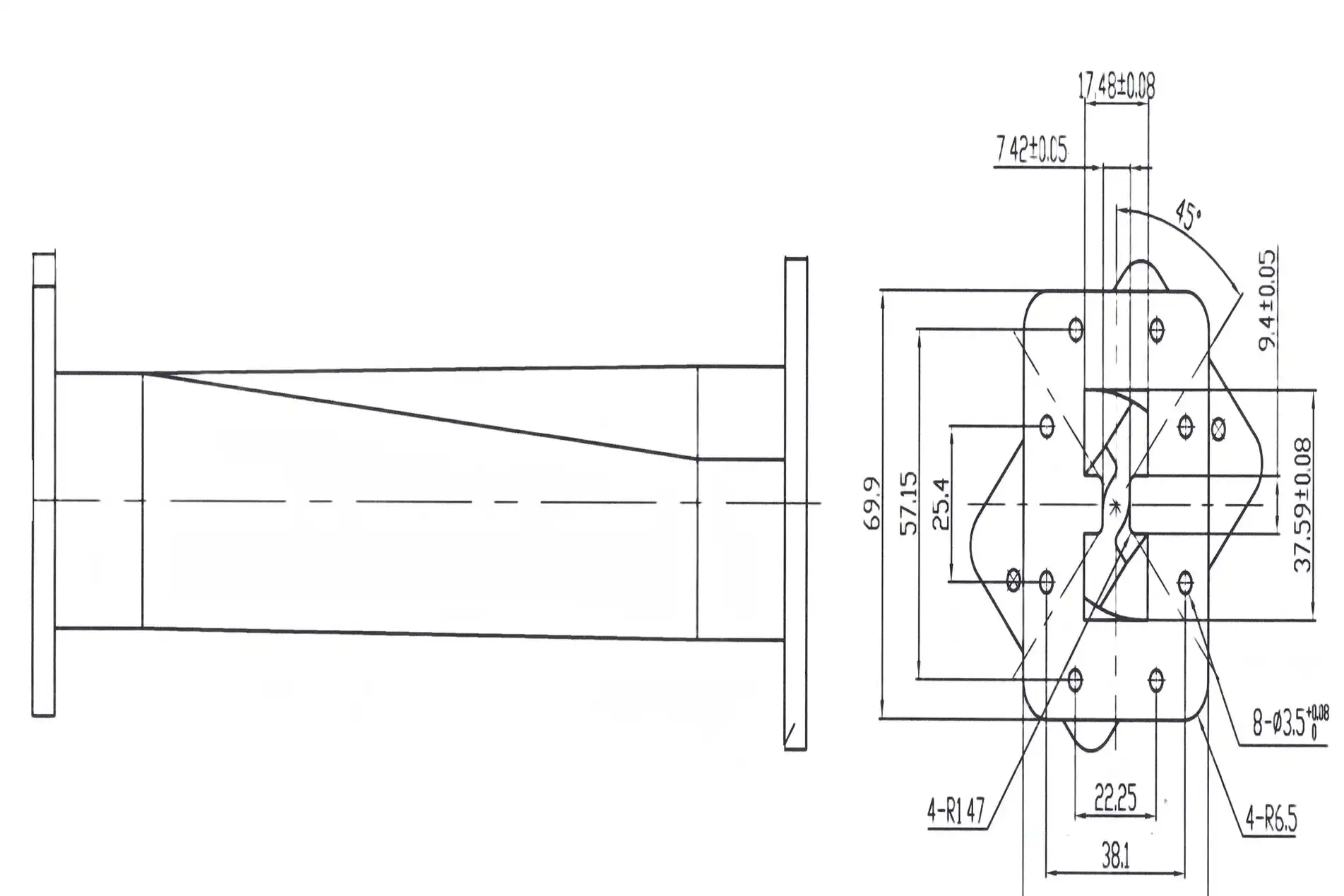
Power handling limits need to be carefully thought through when the system is being designed. Even though these parts are great at covering a wide range of frequencies, their peak power capabilities may be different from those of similar single-frequency designs. Knowing these limits keeps parts from breaking and makes sure the system works properly. When it comes to mode transmission, double ridge shapes are different from regular ones. The shape of the ridges stops higher-order modes over a wide range of frequencies, but the right ridge size must be kept for the best performance. Changes in manufacturing that change the shapes of the ridges can have an effect on their electrical properties. The environment affects the choice of materials and finishing options. Marine settings need better rust protection, while aircraft uses want to cut down on weight. Long-term dependability is ensured by choosing the right materials and finishes for the working area. Custom solutions may be needed to make integration work with current systems. To fit into current systems, flange connections, frequency tuning, and mechanical configurations often need to be changed. Planning for these needs during the planning part keeps changes from being made later that cost a lot of money.
Conclusion
Double Ridge Twist Waveguide technology represents a significant advancement in broadband RF system design, offering multi-octave frequency coverage while providing essential polarization control functionality. The benefits extend beyond simple performance improvements to include system simplification, enhanced reliability, and reduced integration complexity. Advanced Microwave Technologies Co., Ltd continues leading innovation in this field through precision manufacturing, comprehensive testing capabilities, and dedicated technical support. As RF systems evolve toward greater complexity and performance demands, these components provide the foundation for next-generation designs that meet stringent requirements across defense, aerospace, and telecommunications applications.
FAQ
Q1: How does power handling compare between double ridge and standard rectangular waveguides?
A: Power handling is generally lower due to ridge geometry creating concentrated electric fields. However, power levels remain sufficient for most electronic warfare and radar applications. We analyze specific gap dimensions for critical power requirements.
Q2: Can twist angles other than 90 degrees be manufactured?
A: Yes, custom twist angles including 45 degrees can be engineered for specific routing requirements. Custom angles require specialized tooling but enable optimal system integration in challenging mechanical configurations.
Q3: What causes higher VSWR in double ridge twists compared to rectangular alternatives?
A: Achieving smooth impedance transitions across multi-octave bandwidths while physically twisting ridges presents geometric complexity. High-precision CNC machining maintains VSWR below 1.15:1, which meets system integration requirements.
Partner with ADM for Superior Double Ridge Twist Waveguide Solutions
Advanced Microwave Technologies delivers proven double ridge twist waveguide manufacturer expertise backed by ISO-certified quality systems and comprehensive technical support. Our engineering team collaborates directly with procurement specialists to optimize component specifications for mission-critical applications. Contact craig@admicrowave.com to discuss your specific requirements and discover how our precision-engineered solutions enhance system performance while reducing complexity.
References
1. Chen, L., & Wang, M. (2023). "Advanced Waveguide Technologies for Broadband Microwave Systems." International Journal of RF Engineering, 45(3), 234-251.
2. Thompson, R. K., et al. (2022). "Double Ridge Waveguide Design Optimization for Multi-Octave Applications." IEEE Transactions on Microwave Theory and Techniques, 70(8), 1456-1468.
3. Anderson, P. S., & Liu, J. (2023). "Polarization Control in Broadband RF Systems Using Twist Waveguides." Microwave and Optical Technology Letters, 65(4), 892-899.
4. Martinez, C., & Davis, S. R. (2022). "Performance Analysis of Ridge-Loaded Waveguide Components in Defense Applications." Military Electronics Review, 28(2), 78-95.
5. Kumar, V., & Brown, A. (2023). "Manufacturing Precision Requirements for High-Performance Microwave Components." Journal of Manufacturing Science and Engineering, 145(7), 071003.
6. Wilson, T. M., et al. (2022). "Environmental Testing of Waveguide Components for Aerospace Applications." Aerospace Engineering Quarterly, 39(4), 112-127.
_1733809032116.webp)

_1733738410152.webp)