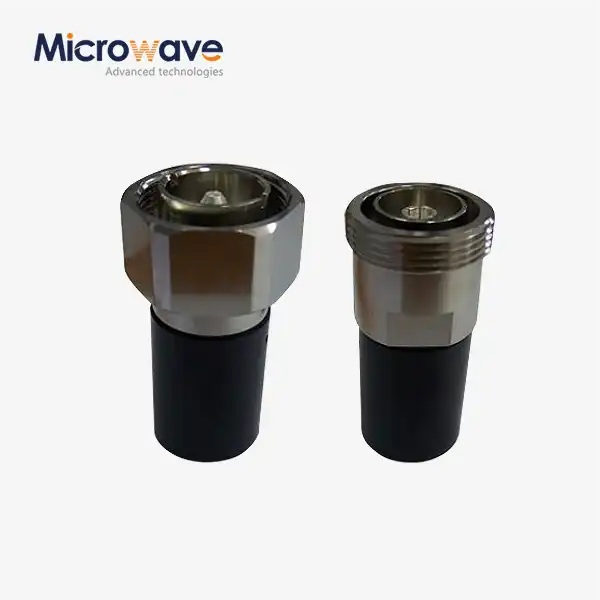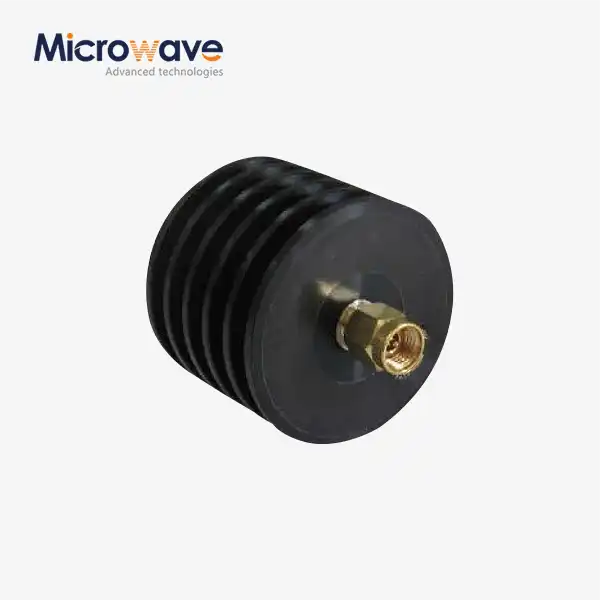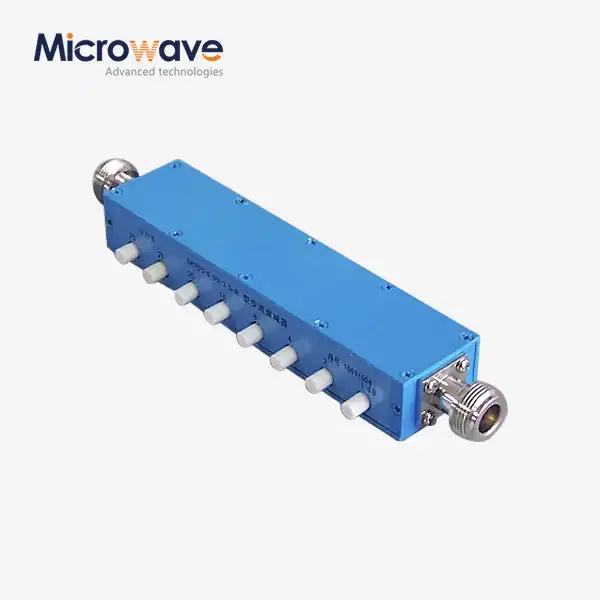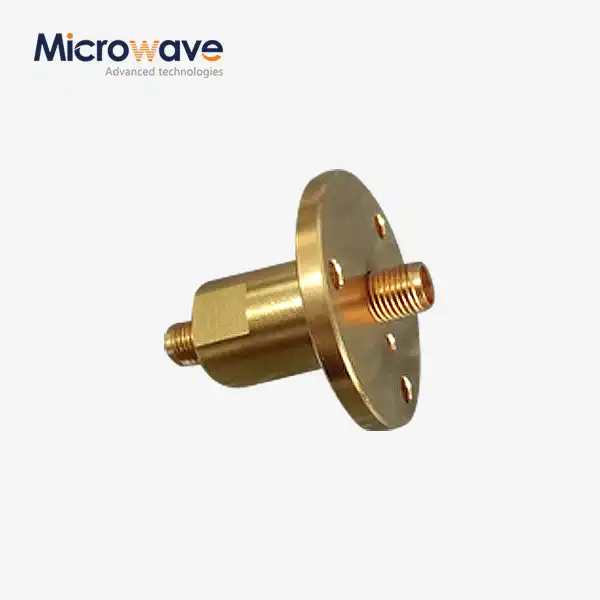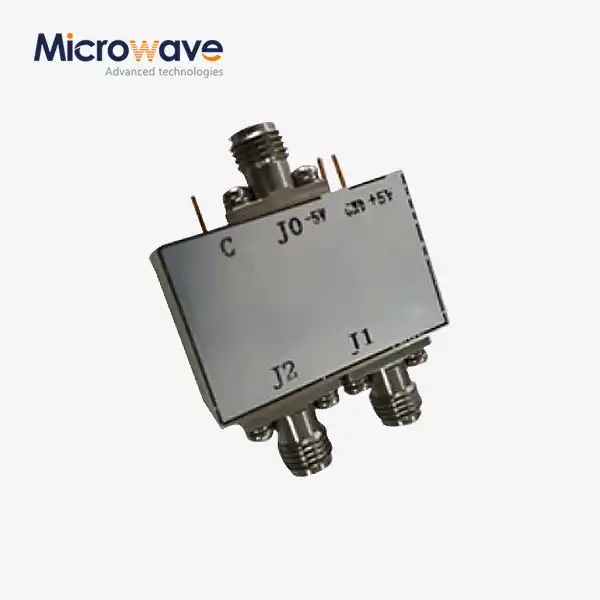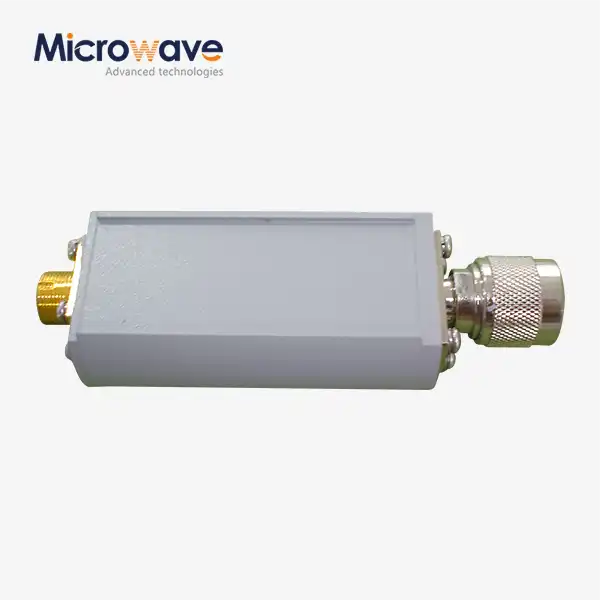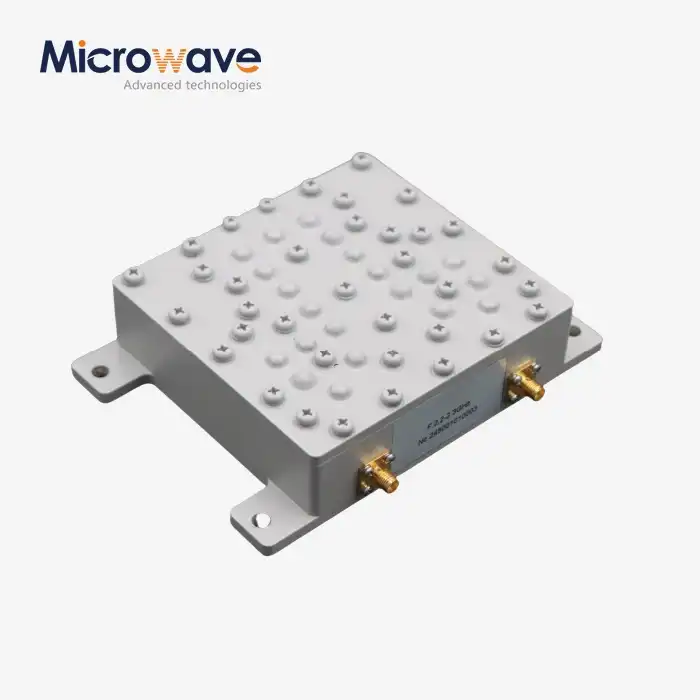





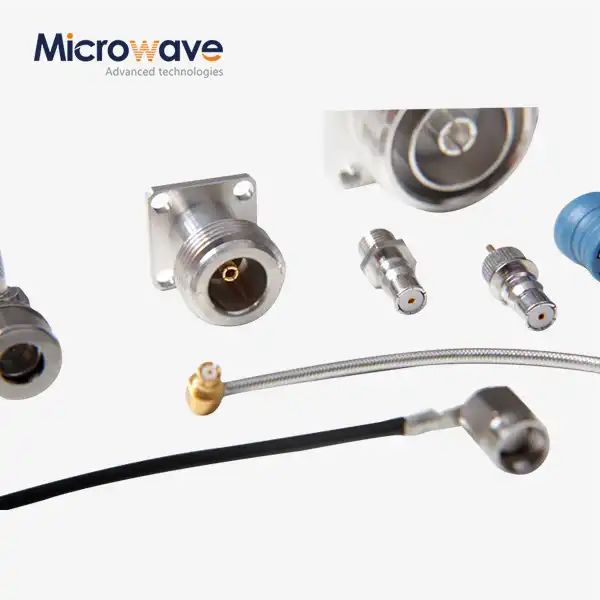
Coaxial Cable Connector
Coaxial Cable Connector for RF & Microwave Systems — Precision Interconnect Solutions by ADM
Advanced Microwave Technologies Co., Ltd. (ADM) creates and sells a line of coaxial cable connectors for RF and microwave systems that work from DC to 110GHz. ADM engineers these passive interconnect parts to keep the characteristic impedance at 50© or 75Ω and give VSWR that is usually less than 1.20. They have more than 20 years of experience in the field. ADM has a specialised R&D lab and a 24-meter microwave darkroom where RF performance is checked. 5G base stations, satellite communication, aerospace radar, and industrial data transmission are just a few of the uses.
What Is a Coaxial Cable Connector and Why Does It Matter?
A product is a precise electromechanical device that connects the end of a coaxial cable to something else. Across the mating contact, it keeps the shielding integrity and characteristic impedance, which lets signals pass between cables, devices, and PCBs with little loss.
Poorly designed connections can fail in three different ways. Signal reflection and power loss are caused by impedance mismatch. These gaps let EMI and RFI enter or leave the gearbox path. Over time, moisture and oxidation can hurt the operation of high-frequency equipment, especially in outdoor settings. To make sure that none of these failure modes happen, ADM's connectors are made with very tight mechanical tolerances, shielding continuity that goes all the way around, and corrosion-resistant plating.
Materials and Construction
When cost is a factor, connector housings are made from brass. When durability and resistance to corrosion are important, they are made from stainless steel. Gold, nickel, or white bronze (tri-metal) surface plating options are chosen to find the best mix between conductivity, wear resistance, and passive intermodulation (PIM) performance.
PTFE is used to make the dielectric insulator because it has a fixed dielectric constant over a wide temperature range. This stability is very important for high-frequency uses where changes in the dielectric directly affect the integrity of the signal.
For LTE and 5G networks that need to work outside or with low PIM levels, tri-metal or silver plating over nickel underplating is suggested to keep ferromagnetic material effects from raising PIM levels.
Key Technical Specifications
Parameter | Specification |
Characteristic Impedance | 50Ω (RF/data) / 75Ω (video) |
Frequency Range | DC to 110GHz (connector-dependent) |
VSWR | Typically < 1.20 (up to cutoff frequency) |
PIM Performance | Better than −160 dBc |
Mating Cycles | 500+ (brass) / 1,000–5,000 (stainless steel) |
Gold Plating Thickness | Min. 0.8µm on center contacts |
Operating Temperature | −65°C to +165°C (mil-grade) |
Housing Material | Brass or Stainless Steel |
Dielectric Material | PTFE |
Plating Options | Gold / Nickel / White Bronze (Tri-metal) |
Interface Standards | BNC, N-Type, TNC, SMA, SMP, DIN 7-16, NEX10, 4.3-10 |
Supported Interface Types
ADM sells coaxial cable connectors for a lot of different types of standard interfaces. SMA connections work from DC to 18GHz and need 8–10 in-lbs of torque to install. For millimeter-wave uses, 1.0 mm connectors increase the range to DC to 110 GHz. There are also N-Type, TNC, BNC, DIN 7-16, SMP, NEX10, and 4.3-10 interfaces that can be used for streaming video, cellular infrastructure, and 5G distributed antenna systems (DAS).
The right interface should be chosen based on the cable size, working frequency, number of mating cycles needed, and installation environment. The tech team at ADM can help you choose the right interface for your system.
Application Areas
5G Telecommunications and DAS
Base stations and tower-top amps use low-PIM connectors like NEX10 and 4.3-10. These connectors can handle being outside in rain and UV light while still keeping the low amounts of interference needed by dense massive MIMO antenna arrays.
Aerospace and Defense
The MIL-STD-348 standard is used to test connectors for radar systems, avionics, and satellite communication. In these places, there is high-G vibration, thermal shock from -65°C to +165°C, and changes in pressure based on altitude. In this field, SMA, TNC, and SMPM are all popular interface choices.
Industrial Automation and Medical Imaging
MRI systems need connection materials that aren't magnetic. Robotic assembly environments need to be able to send signals reliably even when there is high-voltage electrical noise nearby and the robots are moving all the time. The range of coaxial cable connectors from ADM is made to work in both settings.
Quality Control and Testing
Every batch of products made by ADM goes through a multi-step quality control method. Vector Network Analysers (VNA) are used to check the performance of the radio waves across a certain frequency range. They check for return loss and VSWR. IEC 62037 is used for PIM testing of telecom-grade products.
Pin gauges are used for dimensional inspection to check the center contact height and holding force against interface standards like IEC 60169 or MIL-STD-348. For commercial grades, ASTM B117 says that salt spray testing takes 48 hours. For military grades, it takes 96 hours or more.
RoHS (lead-free) and REACH testing are parts of material compliance. XRF research shows that the gold plating on the center contacts is at least 0.8µm thick.
Customization and Supply Options
ADM can make solutions that are unique for different types of cables, frequency bands, plating needs, and environmental ratings. There are versions with ratings of IP67 and IP68 that come with internal O-rings and potting seals for use outdoors or in places with a lot of moisture where regular connectors won't work.
For large purchases, ADM offers reliable batch performance backed by records of lab tests. You can talk to the tech team directly about custom interface configurations, unique plating combinations, and non-standard cable termination styles.
FAQ
Q: How do I pick between plugs that cost 50© and 75©?
A: Match the impedance of the connector to the system and wire. If you need RF power or data for things like WiFi, cellular, or radar, use 50Ω. For sending video signals, like those for CATV, CCTV, and broadcast systems, use 75©.
Q: When putting in a threaded connector, why does torque matter?
A: When you over-torque, the mechanical interface changes shape and impedance, which makes the signal bounce back. When you under-torque, holes form that let PIM and RF through. For SMA connectors, use a torque wrench that has been set to 8–10 in-lbs.
Q: What makes connections have a high PIM?
A: Common reasons are ferromagnetic materials like nickel underplating, corrosion, loose contacts, and metal chips inside the body of the connector. To keep PIM below −160 dBc for LTE and 5G operations, choose tri-metal (white bronze) or silver plating.
Q: Can I use a normal SMA connection outside?
A: As you can see, standard SMA connectors are not waterproof. For outdoor installations, choose a product with an IP67 or IP68 rating and interior O-rings and potting seals to keep water out when the product is not mated or when it is under pressure.
Q: How long does a link last?
A: Mating rounds are used to measure life span. Most brass connectors are rated to last 500 cycles. Depending on how well they are cleaned and lined up before each use, stainless steel precision connectors can be used 1,000 to 5,000 times.
Q: What standards are used to test ADM's connectors?
A: IEC 60169, IEC 62037, MIL-STD-348, and ASTM B117 are the standards that ADM tests against. The VNA checks the RF performance, and the XRF analysis checks the plating thickness. There must be at least 0.8µm gold on the center contacts.
Contact Us
Send your Coaxial Cable Connector specifications to craig@admicrowave.com. ADM's engineering team will review your requirements and get back to you.