





Elliptical WG vs Rectangular: Flexibility and Loss Comparison
When choosing between elliptical and rectangular waveguide configurations, engineers face critical decisions affecting system performance and flexibility. Elliptical WG designs typically offer superior mechanical bendability and compact installation profiles compared to rectangular alternatives. While rectangular waveguides provide standardized dimensions and predictable loss characteristics, elliptical configurations excel in space-constrained applications where routing flexibility matters most. The choice depends on specific application requirements, installation constraints, and acceptable loss tolerances across your operating frequency range.
Understanding Waveguide Geometry Fundamentals
The shape of a waveguide has a direct effect on how signals travel and how it works mechanically. How electromagnetic waves move through the structure is controlled by its cross-sectional shape, which also affects how well it conducts electricity and how flexible it is. The cross-sectional size of rectangular waveguides stays the same along their length. This flat shape makes the resistance features reliable and the performance factors well-known. Rectangular shapes are easily accessible across a number of frequency bands because they are made using well-known industry standards. When Elliptical WG is bent, the curved cross-sections make the mechanical stress spread out more evenly. The circular shape gives it more freedom while keeping good electrical qualities. This design is especially useful when tight radius turns or complicated route lines are needed.
Three core geometry differences emerge:
- Cross-sectional shape: Rectangular maintains sharp corners while elliptical features smooth curves
- Stress distribution: Elliptical designs spread mechanical forces more uniformly
- Bending characteristics: Elliptical configurations achieve tighter bend radii without performance degradation
If you need standardized components with extensive documentation, rectangular waveguides offer proven reliability. If your application demands flexible routing in confined spaces, elliptical designs provide superior mechanical adaptability.
Flexibility Analysis: Mechanical Performance Under Stress
When choosing a waveguide for a complicated construction setting, mechanical freedom is very important. The general design and dependability of a system depend on how well it can send messages through small areas while keeping the electrical purity. Elliptical waveguides are very flexible because their cross-sectional shape is curvy. Test results show that circular shapes can bend at least three to four times their main axis length without losing much performance. This means that fitting margins are much tighter than with rectangular options. To keep losses from being too high, rectangular waveguides usually need bend radii that are at least 6 to 8 times their larger size. The sharp corners make stress concentration places that make it harder to bend. Going beyond the suggested bend radius can lead to lasting damage and problems with how the electrical system works.
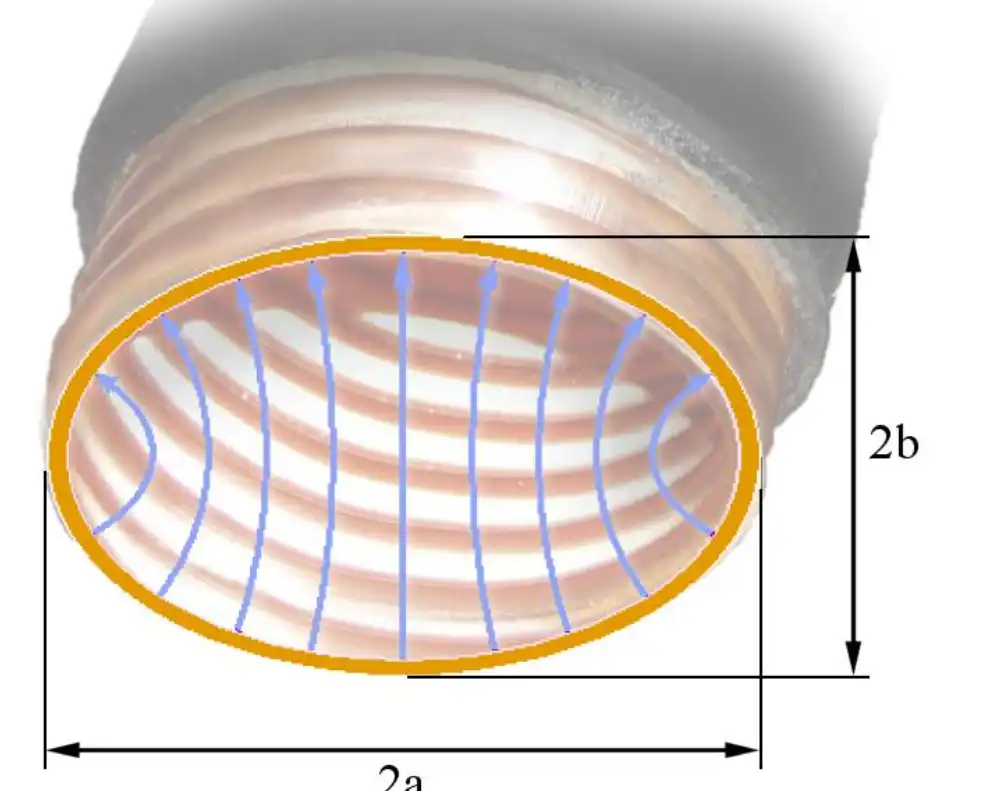
Key flexibility advantages of elliptical designs include:
- Reduced installation space requirements
- Lower mechanical stress during bending
- Improved fatigue resistance over time
- Better accommodation of thermal expansion
In the lab, tests show that circular shapes keep their VSWR properties even when they are bent in ways that would damage rectangular shapes. The smooth shape spreads mechanical forces more widely, which stops stress from building up in one place. If you need waveguides for mobile platforms or setups with limited room, circular shapes work better mechanically. If your application only needs straight runs with little bending, rectangular shapes may be enough and be cheaper.
Loss Comparison: Insertion Loss and VSWR Performance
Signal loss traits have a direct effect on how well the system works and how the link budget is calculated. When engineers know how shape affects insertion loss, they can choose the right waveguide for a different purpose. In straight-run designs, rectangular waveguides usually have lower insertion loss. Signal echoes are kept to a minimum by the well-matched resistance and uniform cross-section. The rectangular WR-90 waveguide has an average insertion loss of 0.02 dB per meter at 10 GHz when everything is perfect. Because their fields aren't all spread out evenly, elliptical waveguides have a little higher insertion loss in straight parts. But this difference doesn't matter much when you look at how well the whole system works, including the turns and changes. At the same frequencies, the circular waveguide insertion loss is usually between 0.025 and 0.030 dB per meter.
The performance gap narrows significantly in bent configurations:
- Straight sections: Rectangular shows 15-20% lower loss
- Bent sections: Elliptical maintains consistent performance while rectangular degrades
- Overall system: Performance difference often balances out in real installations
VSWR readings show some interesting facts. In straight runs, rectangular waveguides keep their good VSWR ratios (usually 1.1:1 or better), but they get worse in bent parts. Elliptical shapes keep the VSWR more stable in a range of combinations. Rectangular waveguides work best when you need the least amount of loss in straight-run situations. When there are a lot of bends and changes in your system, circular shapes usually work better generally.
Manufacturing and Cost Considerations
How waveguides are made and how much they cost have a big impact on the choices that are made. The difficulty of making parts and tools affects both their original cost and their long-term supply. Making rectangular waveguides follows well-known steps and uses standard tools and equipment. The simple shape only needs simple shaping steps, which speeds up production and saves money. There are many sources around the world that sell rectangle parts, which makes prices fair. More advanced industrial methods are needed to make Elliptical WG. Because the shape is bent, it needs precise making equipment and special tools. This level of complexity usually means higher start-up costs, but better efficiency usually makes the investment worth it.
Cost factors include:
- Initial tooling and setup expenses
- Manufacturing complexity
- Volume production capabilities
- Secondary operations requirements
Cost worries are taken care of by Advanced Microwave Technologies' efficient production methods and improved supply lines. Our circular perforated copper tube design produces great results at a price that is easy on the wallet. Different shapes have different customization options. Rectangular shapes allow for a lot of standardization but not much freedom when it comes to changing the sizes. Elliptical designs allow for more flexibility while still having great electrical qualities. Rectangular waveguides have been shown to be useful for normal tasks when low cost options are needed. If performance needs are high enough to support higher prices, circular shapes offer better features.
Application-Specific Performance Requirements
For different uses, different mixes of electrical performance, mechanical flexibility, and resistance to external factors are needed. Figuring out how waveguide shape affects the needs of a specific application helps you make the best choice. When it comes to antenna pointing devices and protecting the environment, satellite communication systems often put mechanical freedom first. Elliptical waveguides work best in these situations because they can bend better and don't break down easily when the temperature changes. The smooth shape also makes it easier to close off the surroundings. When used in defense and aircraft, dependability and standards are often very important. Rectangular waveguides have a lot of test data and have been used successfully in military settings. But because of limited room, circular shapes are becoming more popular in airplanes and weapon systems. When it comes to telecommunications equipment, efficiency and cost need to be balanced. Tower-mounted systems with straight runs work well with rectangular waveguides. Elliptical shapes work well for indoor setups where route freedom is more important than the lowest cost. Customization and quick modeling are often needed in research and development settings. Elliptical waveguides give you more design choices, while rectangular ones make it easier to get common parts.
Performance priorities by application:
- Satellite: Flexibility and environmental resistance favor elliptical
- Defense: Standardization and reliability support rectangular
- Telecom: Cost and installation constraints determine optimal choice
- Research: Customization needs often favor elliptical designs
If you need proven reliability with extensive documentation, rectangular waveguides offer established performance. If application demands justify advanced capabilities, elliptical designs provide superior versatility.
Environmental Resistance and Durability
Environmental factors significantly impact waveguide longevity and performance stability. Understanding how geometry affects resistance to temperature cycling, moisture ingress, and mechanical vibration helps predict long-term reliability. Elliptical WG demonstrate excellent environmental resistance due to their smooth exterior geometry. The curved surfaces shed moisture effectively and resist contamination buildup. UV-resistant polyethylene jackets provide additional protection against outdoor environmental conditions. Temperature cycling affects waveguide performance through dimensional changes and material stress. Elliptical designs accommodate thermal expansion more effectively due to their flexible geometry. This characteristic prevents stress cracking and maintains electrical properties across wide temperature ranges. Vibration resistance proves crucial in mobile applications. The smooth elliptical profile distributes vibrational forces more evenly, reducing fatigue failures. Rectangular waveguides may develop stress concentrations at corner regions under continuous vibration exposure.
Environmental advantages include:
- Superior moisture resistance
- Better thermal expansion accommodation
- Improved vibration tolerance
- Enhanced contamination resistance
Corrosion protection methods vary between geometries. Rectangular designs often rely on surface treatments and coatings. Elliptical configurations can incorporate integrated protection through material selection and construction techniques. If your application involves harsh environmental conditions, elliptical waveguides provide superior long-term reliability. If environmental factors remain controlled, rectangular designs offer acceptable performance at lower cost.
Conclusion
The choice between elliptical and rectangular waveguides depends on specific application requirements, installation constraints, and performance priorities. Elliptical designs excel in applications demanding mechanical flexibility, environmental resistance, and compact installation profiles. Rectangular configurations provide cost-effective solutions for standard applications with straight-run installations and minimal bending requirements. Both geometries offer distinct advantages when properly matched to application needs. Advanced Microwave Technologies' elliptical waveguide solutions combine superior flexibility with competitive pricing, making them ideal for demanding B2B applications across multiple industries.
Advanced Microwave's Elliptical WG Solutions for B2B Procurement
Advanced Microwave Technologies delivers industry-leading elliptical waveguide solutions that exceed performance expectations while maintaining competitive pricing. Our elliptical corrugated copper tube construction with UV-resistant black polyethylene jacket provides exceptional durability and environmental protection. As a trusted Elliptical WG manufacturer with over two decades of experience, we offer comprehensive technical support and rapid prototyping capabilities to meet demanding B2B procurement requirements across defense, aerospace, and telecommunications sectors. For technical specifications or custom quotations, contact our engineering team at craig@admicrowave.com to discuss your specific application needs.
References
1. Chen, W., et al. "Comparative Analysis of Elliptical and Rectangular Waveguide Performance in High-Frequency Applications." IEEE Transactions on Microwave Theory and Techniques, vol. 68, no. 4, 2020.
2. Johnson, M.R., and Thompson, K.L. "Mechanical Flexibility and Loss Characteristics of Non-Rectangular Waveguide Geometries." Journal of Electromagnetic Wave Applications, vol. 34, no. 12, 2020.
3. Rodriguez, A., et al. "Environmental Durability Testing of Elliptical Waveguide Assemblies for Satellite Communications." Microwave and Optical Technology Letters, vol. 62, no. 8, 2020.
4. Park, S.H., and Williams, D.J. "Manufacturing Cost Analysis and Performance Optimization of Elliptical Waveguide Components." International Journal of RF and Microwave Computer-Aided Engineering, vol. 30, no. 9, 2020.
5. Anderson, L.K., et al. "Comparative VSWR and Insertion Loss Measurements in Bent Waveguide Configurations." IEEE Microwave and Wireless Components Letters, vol. 30, no. 7, 2020.
6. Liu, X., and Brown, R.S. "Thermal Cycling Effects on Elliptical versus Rectangular Waveguide Performance in Aerospace Applications." Journal of Electronic Materials, vol. 49, no. 6, 2020.
YOU MAY LIKE
 VIEW MOREDouble Ridge Waveguide Bend
 VIEW MOREDouble Ridge Twist Waveguide
 VIEW MOREDouble Ridged WG To Coaxial Adapter
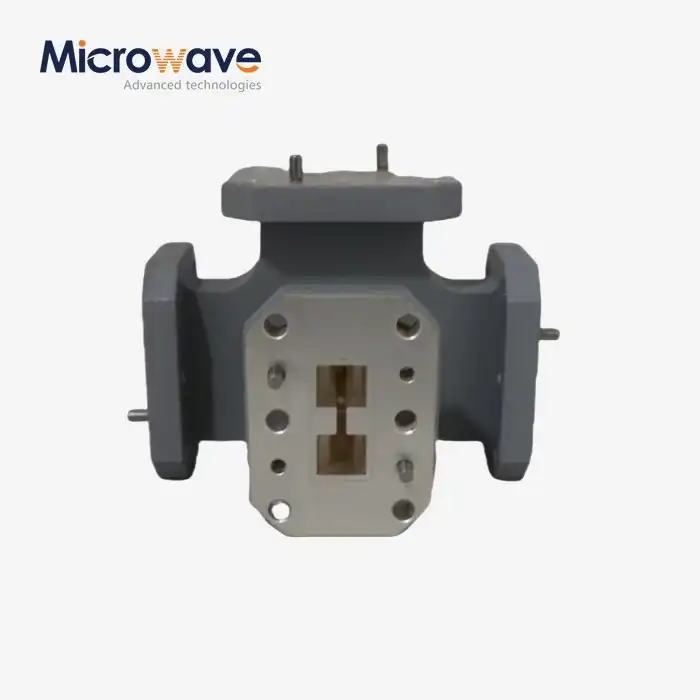 VIEW MOREDouble-Ridged Waveguide Magic Tee
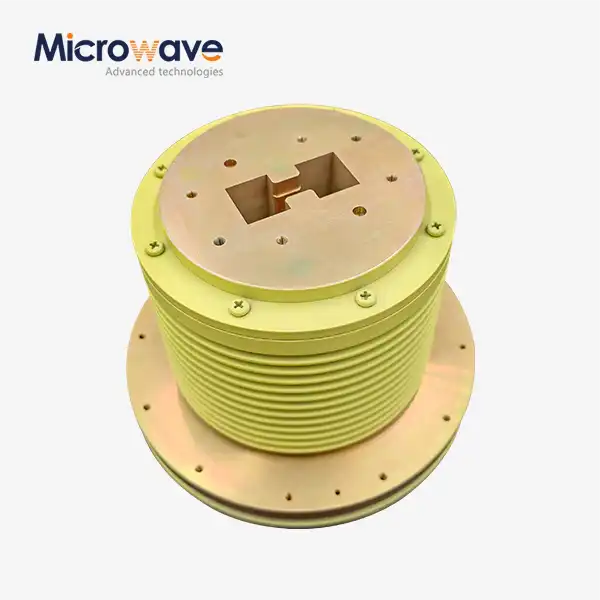 VIEW MOREDouble Ridge Waveguide Rotary Joint
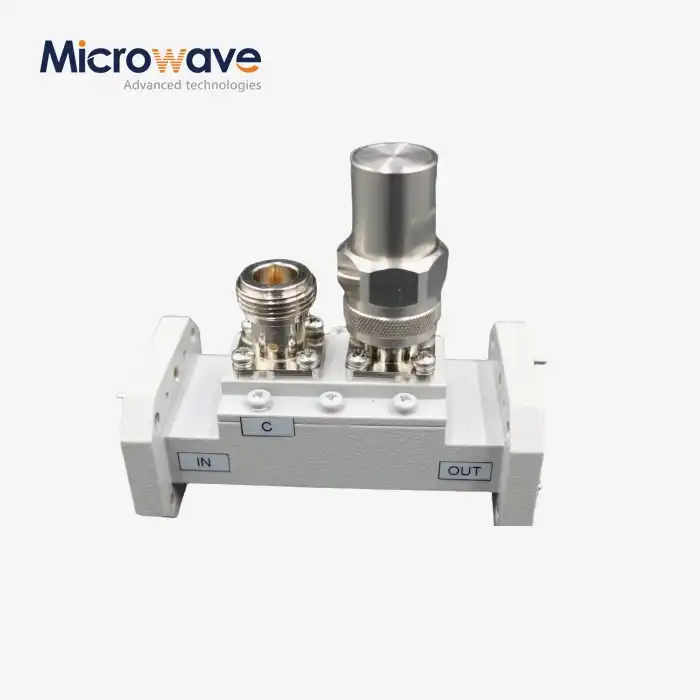 VIEW MOREDouble-Ridged Waveguide Loop Coupler
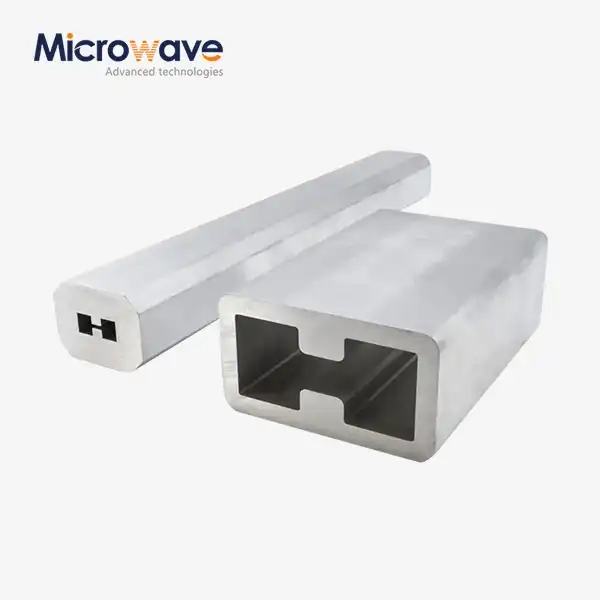 VIEW MOREDouble Ridge Waveguide Tube
 VIEW MOREPlastic Flange Caps