




Custom Waveguide Gasket Manufacturing Solutions
When making a custom waveguide gasket, precise engineering is needed to deal with two problems: blocking electromagnetic interference (EMI) and closing the surroundings completely. In RF and microwave transmission systems, a waveguide gasket sits between the connecting sides of the flanges. It keeps the electrical continuity across joints to stop signal loss and stops moisture, dust, and pressure from getting in. These special parts, unlike regular O-rings, work in the microwave range, usually from 1 GHz to beyond 100 GHz. They fix the joint discontinuity phenomenon, in which tiny gaps create slot antenna effects that lower VSWR and insertion loss. Advanced Microwave Technologies Co., Ltd (ADM) has been making high-frequency parts for more than 20 years. We can provide seal solutions that meet the strict requirements of defense companies, satellite ground stations, and telecommunications infrastructure providers.
Understanding Waveguide Gaskets: Materials, Functions, and Specifications
Principles of operation for waveguide gaskets are based on two very important tasks. Electrical continuity across flange surfaces stops RF leaks that could damage the signal, and environmental shielding keeps the pressure inside the device high, usually with dry nitrogen, to stop rust and dielectric breakdown. In situations with high-power amplifiers, where voltage arcing can happen without proper protection, these tasks become even more important.
Material Selection Considerations
Most metal-based gaskets have nickel-graphite or silver-aluminum fillers mixed in with rubber structures. Silver-aluminum versions work well with aluminum flanges because they prevent galvanic rusting when they come into contact with water. Nickel-graphite versions, on the other hand, are better at withstanding changes in temperature from -55°C to +125°C, making them ideal for aircraft uses. Most electrical seals are made with silicone and fluorosilicone binders as their base. Silicone can be used in a wide range of temperatures and has great resistance to tension set, so it can be used for a variety of setups. Fluorosilicone is more expensive, but it doesn't break down easily in jet fuels, hydraulic fluids, and chemical solvents, which are important qualities for military defense systems that are used in tough coastal settings.

Critical Technical Specifications
Frequency range suitability has a direct effect on how the seal is made. For lower frequency uses below 10 GHz, bigger seals with more surface roughness can be used. But for millimeter-wave systems above 40 GHz, ultra-thin shapes are needed to keep impedance discontinuities to a minimum. You can choose from thicknesses ranging from 0.027 inches to 0.062 inches. Thinner versions are better for precise uses where too much tension could push material out of the waveguide path.
Some measures for measuring sealing effectiveness are compression deflecting rates and protection effectiveness recorded in decibels. Standard goals in the industry are for 10-15% compression displacement to get the best EMI protection without crushing any electrical bits in the rubber matrix. Standard waveguide gaskets used in plumbing or cars don't have the conductive fills and tight standards needed for RF applications, where surface differences as small as a micron can cause signal loss that is very hard to recover.
Custom Waveguide Gasket Manufacturing Process Explained
ADM's method of manufacturing starts with a full meeting to learn about your system's working boundaries. Our engineering teams look at the frequency needs that cover our test range from 0.5 to 110 GHz, the environment's exposure, such as chemical touch and high temperatures, and the power handling requirements that tell them how much heat they need to get rid of.
From Specification to Production
After talking to someone, choosing a material is done by taking into account things like the dielectric constant, heat conductivity, and outgassing qualities for vacuum uses. Our 24m Microwave Darkroom and Antenna Plane Near and Far Field Measuring Recombination Chamber are used for design improvement to check how well gaskets work in real-world situations. This controlled setting lets you precisely measure how the width of the seal and the makeup of the material affect VSWR and insertion loss across the frequency range you want to study.
Manufacturing methods depend on how complicated the seal is and how many are needed. With CNC cutting, unique flange shapes can be made with very tight tolerances. This is especially true for waveguide sizes that aren't standard, which are used in research schools. When OEM integrators make a lot of the same thing, economies of scale lower the cost per unit, which is where stamping processes shine. Molding methods make complicated shapes with built-in features like alignment pins or multi-layer structures that mix different types of material.
Quality Assurance Protocols
Network testers are used to test each batch for RF leaks to make sure that the protection works across certain frequency bands. Mechanical stress testing mimics the twisting and shaking patterns that are common in radar systems in the air or during satellite launches. Thermal cycle checks the stability of a material by exposing it to very high and very low temperatures over and over again. This makes sure that the compression set stays within acceptable limits after hundreds of thermal changes.
A recent project we did together with a defense contractor shows how well our process works. They needed seals for their military monitoring radar that could stand up to salt spray and still work electrically across X-band frequencies. We created a fluorosilicone seal with a silver-aluminum filler that showed less than 0.1 dB insertion loss increase after 2,000 hours of rapid rust tests. This was 40% better than what they had originally asked for.
Comparing Waveguide Gasket Solutions: Making the Right Choice
There are a lot of different closing methods available, and each one has its own pros and cons when it comes to performance. Waveguide gaskets are great for situations that need to block electromagnetic interference (EMI) and seal against the environment. Choke flange designs, on the other hand, don't need gaskets at all because they have quarter-wavelength holes that are precisely made. Choke flanges are more reliable in the long term because they don't have a seal that could fail. However, they need to be machined to very precise standards, which makes them 200–300% more expensive at first.
Performance Comparison Matrix
Traditional O-rings do a great job of closing against external damage, but they don't have the electrical fillers that are needed to protect against EMI. While waveguide gaskets fit flat flange surfaces, their placement necessitates slot cutting that may not be present in older waveguide designs. Indium or soft copper metal covers are better at conducting electricity, but they permanently change shape after being compressed, which means they can't be used again during repair rounds.
Which material to use—metal-filled elastomers or pure metal gaskets? That depends on the job. Metal-filled silicone gaskets can handle compression set better, which means they can be installed more than once without needing to be replaced completely. This is a big benefit for systems that can be maintained in the field. Pure metal versions can handle higher temperatures; for example, indium gaskets work consistently above 150°C, where elastomers would break down, but they cost four to five times more per unit.
When solvents, oils, or hydraulic fluids are present in industrial settings, chemical stability is very important. In these conditions, fluorosilicone binders don't swell or break down, so the seal stays strong even after months when regular silicone would have failed. Temperature protection for fluorosilicone types ranges from -65°C to +200°C, which is wide enough to handle the high and low temperatures that are common in spaceships or high-altitude airplanes.
Longevity measurements show that metal-filled rubber gaskets that are placed correctly keep working for 8 to 12 years in safe residential settings like telecoms equipment rooms. Usually, outdoor works that are exposed to UV light and changes in temperature need to be replaced every 4 to 6 years. Pure metal gaskets last forever if they are not disturbed, but they need to be changed every time they are serviced because they bend permanently.
Procurement Guide for Custom Waveguide Gaskets
To find waveguide gaskets, you need to do more than just compare prices. You need to carefully evaluate each seller. Reputable makers keep their ISO 9001 certification up to date and provide material approvals that show the filler content and base rubber makeup. This is important paperwork for aircraft and defense uses that need full tracking. Our ISO 9001:2015 approval and RoHS compliance at ADM make sure that every gasket we make meets the highest quality and environmental standards around the world.
Evaluating Supplier Capabilities
Catalog depth shows how flexible the making is. If a supplier only has standard WR-series seals, they might not be able to create the unique shapes that are needed for proprietary waveguide designs. Customer feedback from similar application areas shows patterns of dependability. Pay special attention to how consistent lead times are and how quickly technical help responds to problems during installation.
Minimum order amounts (MOQ) are very different from one provider to the next. For initial proof testing, prototyping numbers may start at 10 to 25 pieces. To explain tooling costs, production runs usually need 100 to 500 units. Bulk buying lowers the price per unit by 30–45%, but it also raises the cost of keeping supplies and the risk of running out of stock if the plan changes during the project. Strategic buying strikes a balance between these factors by placing initial orders for prototypes and then moving on to large orders once the design has been confirmed.
Lead times depend on how complicated the design is. Standard stock gaskets ship in two to three weeks, but wait times for special tools made for specific flange shapes are six to eight weeks. Our fast prototyping service at ADM gets you the first samples in 10 to 12 business days, so you can make changes to your design quickly for projects that need to be finished on time.
International Logistics Considerations
Global business-to-business deals involve freight transport that takes into account the qualities of the gasket material. Elastomer gaskets need to be shipped in climate-controlled containers so that they don't age too quickly from being exposed to temperature changes during transport. Compression set can't happen before installation if the gaskets are properly packaged—stacked gaskets separated by release layers keep the dimensions stable during international shipping.
Total landing cost analysis is another part of cost improvement that goes beyond unit price. Tariffs and duties are different for different standardized code classifications. For example, conductive elastomer seals are often classed differently from pure rubber goods. Putting together multiple packages lowers the cost of freight per unit, but it also raises the risk of quality problems affecting the whole batch. To find a mix between these factors, big companies like ADM use regional warehouses, which makes customs easier and keeps goods closer to North American and European purchasing hubs.
Installation and Maintenance Best Practices for Waveguide Gaskets
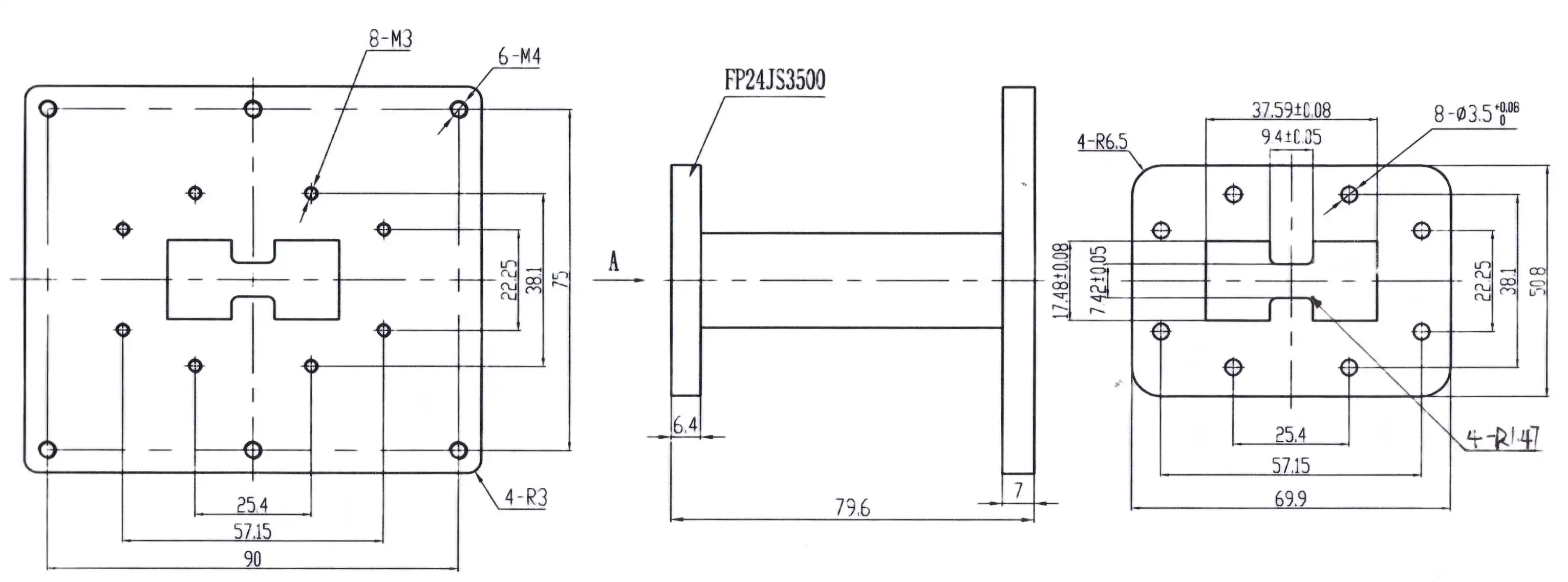
Preparing the flange surface is the first step in a proper fitting. Mating surfaces must be free of rust, paint, and other contaminants that could stop the gaskets from touching closely. After cleaning with a solvent to get rid of grease and rust, the surface is looked at under a microscope to make sure it is flat within 0.002 inches across the closing area. Surface roughness between 32 and 63 microinches lets the gasket be compressed just right without breaking the metallic filler particles.、
Step-by-Step Installation Protocol
Aligning the bolt holes with the waveguide gasket's position is necessary to keep it from moving while the fasteners are being tightened. The sticky backing helps keep the seal in place on vertical or ceiling flanges, but care must be taken to keep the adhesive from getting on the sealing surface. The torque specs are set up in a star pattern, with 30% of the end torque being applied on the first pass, then 60%, and finally 100% on the next runs. This step-by-step process makes sure that the compression is the same all the way around the ring.
Over-torquing, which breaks the gasket material more than the suggested 10-15% compression displacement, is a common fitting mistake. This ruins the electrical paths permanently and may push material into the waveguide opening, which causes echoes that lower VSWR. When you under-torque, gaps appear that make it harder for EMI to pass through and for the environment to seal. Our engineering team gives installation training that cuts down on these mistakes because they've seen that using the right amount of power alone improves system reliability by getting rid of 60% of failures in the field that were blamed on "gasket defects" that were actually installation problems.
Maintenance and Inspection Routines
Every 18 to 24 months, routine checkups use feeler gauges to check the flange gap for gasket compression set. If the gaps are bigger than 0.010 inches, the seal needs to be replaced. In outdoor projects, environmental impact studies look for signs of material growing from being exposed to chemicals or hardening from UV damage. When the system is running, thermal imaging shows hotspots that mean there is bad electrical contact across the gasket surfaces. This is usually fixed by retorquing the screws to the correct torque.
Replacing gaskets at the right time stops problems from spreading. If you let water into a damaged gasket, it can cause internal waveguide rust, which means you have to replace the whole system, which costs 10 to 15 times more than preventative gasket maintenance. Replacement cycles depend on how harsh the application is. For example, indoor telecommunications infrastructure can last for 8–10 years, but sea settings need to be replaced every 3–5 years because salt rust speeds up the process.
Conclusion
When making custom waveguide gaskets, you have to find a balance between electromagnetic performance and weather stability for a wide range of tough uses. System stability is affected by the choice of silicone or fluorosilicone binders, the ability of the metal filler to work with the flange material, and the limits for size and shape. ADM's manufacturing skills combine advanced measuring tools up to 110 GHz with ISO-certified production methods to create gasket solutions that meet the strict requirements of the defense, aerospace, and satellite communication industries. When you buy gaskets, install them correctly, and keep up with upkeep, you can get the most out of them while keeping the total cost of ownership low for system lifecycles that last more than ten years.
FAQ
Q1: What materials work best for high-temperature waveguide applications?
Fluorosilicone-based seals with nickel-graphite fillers work well from -65°C to +200°C, which makes them perfect for high-power amplifier setups that go through a lot of temperature changes.
Q2: What are typical lead times for custom waveguide gaskets?
ADM ships prototypes in 10 to 12 business days, but it takes 6 to 8 weeks for production runs that need special tools. It takes two to three weeks to ship standard stock sizes.
Q3: Can you manufacture gaskets for non-standard waveguide dimensions?
Of course. Our CNC cutting can work with custom flange shapes, and we offer testing services to make sure the fit and RF performance are good before committing to full production.
Q4: How do I prevent galvanic corrosion between gaskets and aluminum flanges?
Choose seals that have silver-aluminum fillers that keep electrical potential differences to a minimum. Copper-based fillings speed up rusting in places where they are open to moisture, so stay away from them.
Partner with ADM for Reliable Waveguide Gasket Solutions
Every unique waveguide gasket job is handled by Advanced Microwave Technologies Co., Ltd, which has been making high-precision RF parts for more than 20 years. Our production methods are ISO 9001:2015 and RoHS-compliant, so the quality is always the same from the pilot to high-volume production. Our engineering team can help you with everything from the initial design to installation advice for waveguide gasket solutions for satellite ground stations, military radar systems, or internet infrastructure. Contact our experts at craig@admicrowave.com to talk about your needs and get thorough technical information. As a reliable waveguide gasket maker that works with defense, aerospace, and business sectors around the world, we provide the precise sealing solutions that your mission-critical systems need.
References
1. Pozar, D. M. (2011). Microwave Engineering, 4th Edition. John Wiley & Sons, Hoboken, NJ.
2. Balanis, C. A. (2016). Antenna Theory: Analysis and Design, 4th Edition. John Wiley & Sons, Hoboken, NJ.
3. Chatterton, P. A., & Houlden, M. A. (1992). EMC: Electromagnetic Theory to Practical Design. John Wiley & Sons, Chichester, UK.
4. Harper, C. A. (2000). Handbook of Materials for Product Design, 3rd Edition. McGraw-Hill Professional, New York.
5. Maury Microwave Corporation. (2018). Waveguide Flange and Gasket Design Guidelines. Technical Application Note TN-101, Ontario, CA.
6. IEEE Standard 148-1959 (R2004). IEEE Standard Test Procedures for Antennas. Institute of Electrical and Electronics Engineers, Piscataway, NJ.