




Is the KU Band good for satellite internet?
Dealing with waste materials in a good way is still one of the biggest problems Low Ku Band Diplexer when looking for phenolic sheet for industrial uses. Choosing between standard sheet sizes and custom-cut layouts has a direct effect on how much waste you have, how much it costs to buy materials, and how efficiently you make things overall. You can cut down on waste by 20–40% by carefully considering how your parts fit into the available material dimensions. Phenolic resin laminates are great for electronics, power distribution, and making machines because they are strong, don't conduct electricity, and don't get hot.
Understanding KU Band and Its Role in Satellite Internet
Working for electrical equipment and industrial machinery builders for more than 20 years has taught me that material waste isn't just bad for the environment; it also costs a lot and hurts your bottom line. Integrating a low Ku-band diplexer into high-performance communication systems requires the same attention to component efficiency as selecting the right industrial laminate sizes.
Why Ku Band Dominates Satellite Internet Markets
Phenolic resin composites have great performance qualities that make them essential for thermal barriers, electrical insulation, and building parts. By combining phenolic resin with reinforcing substrates like paper, cotton canvas, or glass cloth, these materials make laminates that are very strong and durable. The problem starts during production when purchasing teams order standard sizes that don't match the shapes of the actual parts.
Differentiating Low Ku Band and High Ku Band Frequencies
Too much scrap affects every part of your procurement process. More often, reordering is needed when more materials are used, which raises shipping costs, storage needs, and administrative costs. It's harder to plan your production when the actual yields of materials don't match the theoretical calculations. This can cause shortages and rush orders that throw off your manufacturing schedules.
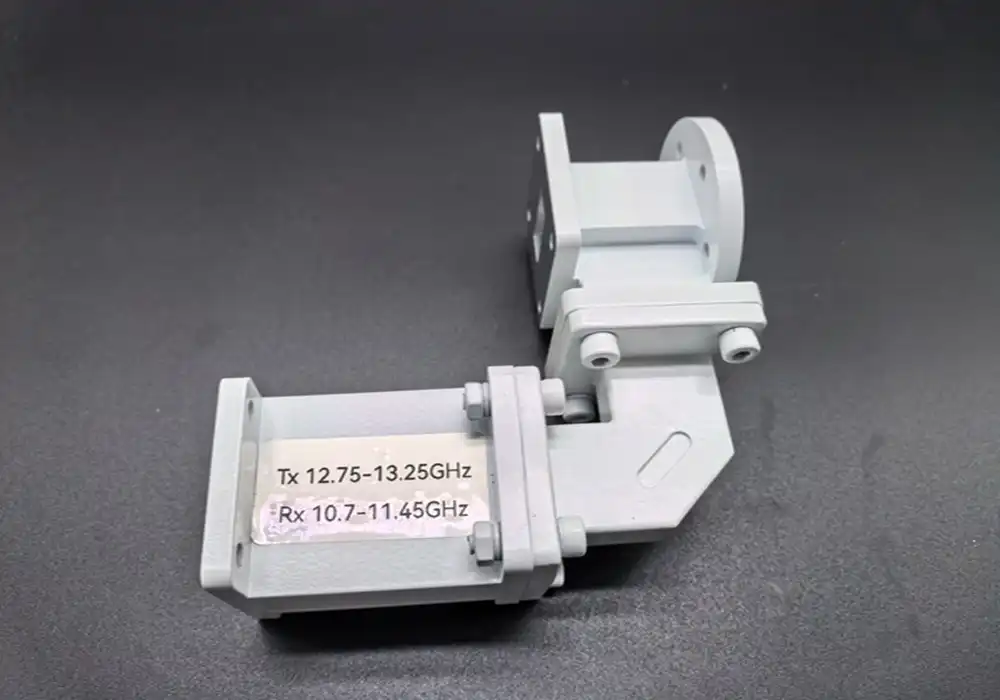
How Diplexers Enhance Satellite Communication Efficiency
The dimensions of standard phenolic laminates have been shaped by common industrial needs and the capabilities of manufacturing equipment. This has made them a useful starting point for many uses. If you need material quickly, you can get it faster because suppliers keep common sheet sizes in stock. This instant availability gives you a lot of freedom for maintenance tasks, making prototypes, and doing short runs of production.
Technical Insights into Low Ku Band Diplexers
Standard sizes are helpful, but they Low Ku Band Diplexer come with a big downside: the sheet size might not match up with the exact needs of your components. When rectangular sheets are cut to make a motor part that needs 85 mm diameter circular insulation washers, a lot of waste is created. Similar to the precise filtering required in a Low Ku Band Diplexer, unless you can cleverly nest complementary parts within the same sheet, the material between the round parts is wasted.
Frequency-Specific Characteristics and Design Principles
Modern CAD nesting software looks at the shapes of your parts and figures out the best way to arrange them on a sheet. Through digital optimization, the best configurations for using materials are found. Sometimes, yields are higher than 90%, compared to 60% to 70% with standard sheets. Planning a cutting layout that arranges all of these parts on a single custom sheet size saves you the time and effort of cutting each piece from a separate standard sheet.
Critical Performance Indicators for System Integration
The technology that makes custom layouts possible has come a long way. Laser cutting, water jet cutting, and CNC routing can all make complex cuts with little waste and close tolerances. These precision cutting methods cut down on secondary machining tasks, which saves money on labor while still meeting the needs of electrical and mechanical applications for precise measurements.
Comparing Diplexer Performance Across Frequency Bands
When you need custom sheet sizes, you usually need to place a minimum order in order for the special production setup to be worth it. If a supplier presses sheets to non-standard sizes, they have to make changes to the tools they use, make sure the process works, and check the quality of the work. Lead times are longer than for standard inventory items because your custom sheets go into production instead of shipping from stock that is already there.
Applications and Benefits of Low Ku Band Diplexers in Satellite Internet
Standard sheets look cheaper at first, but the total cost includes getting rid of waste, ordering extra materials, and storing pieces that aren't being used. One company that makes machines figured out that their standard material really costs significantly more after taking into account the 38% scrap rate and disposal fees. Implementing high-efficiency components like a Low Ku Band Diplexer mirrors this economic logic: the real value is found by comparing total landed cost rather than just the initial price per unit.
Key Deployment Scenarios Across B2B Sectors
The material yield percentage has a huge effect on your cost per component. Find out how much each piece of material costs by counting how many usable parts you can cut from each sheet and then dividing the total cost of the sheet by the number of parts. With this metric, it's easier to see which approach brings the most value to your specific industrial application.
Operational Advantages in Signal Processing
You should think about how lead time affects your analysis, especially when planning production and figuring out how much it costs to keep inventory on hand. While standard sheets allow for just-in-time ordering, which reduces the need for warehouse space, custom layouts may require bigger orders and earlier procurement. Which method fits your operational needs better depends on your working capital needs and storage space.
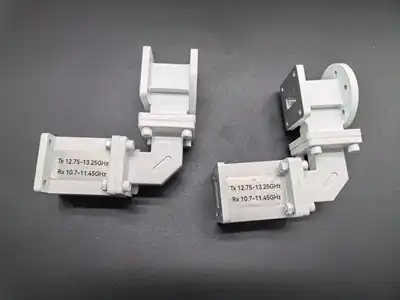
Installation Best Practices and Performance Optimization
You can get the same material properties from both standard and custom sheets. The properties of heat resistance, dielectric strength, mechanical durability, and dimensional stability stay the same no matter what size sheet you choose. Because they cut down on handling steps, custom layouts can actually improve quality results and streamline Low Ku Band Diplexer the entire assembly process for technical hardware.
Decision-Making Guide: Choosing the Right KU Band Diplexer for Your Business
During the whole sourcing cycle, procurement, engineering, and supplier partners need to work together strategically to cut down on material waste. Before deciding on final dimensions, component design reviews should include an analysis of how the materials are used. Engineering teams sometimes choose the sizes of parts based only on their functions, but including a Low Ku Band Diplexer in the system architecture requires a more holistic view of technical specifications.
Evaluating Low Ku Band Versus High Ku Band Diplexers
Engineering teams sometimes choose the sizes of parts based only on their functions, without thinking about how those sizes will fit within the materials that are available. If the design calls for an insulation plate that is 315 mm x 245 mm, it might make a lot more scrap than a slightly different size that fits better inside standard sheet sizes, but does the same job for the final assembly.
Integrated Versus Standalone Diplexer Configurations
By using the same component sizes across all of your products, you can get better use out of the materials you have. When several product lines use the same mounting plate or insulation barrier sizes, you can combine material specifications and find the best cutting layouts for larger production volumes. This standardization also makes it easier to keep track of your inventory and cuts down on different sheet sizes.
Alternative Filtering Solutions and Their Trade-offs
When you involve suppliers early on in the design process, they can help you figure out how to best use materials. Expert manufacturers can suggest changes to dimensions that keep performance the same while greatly increasing yield. This way of working together has helped many clients cut waste by 15 to 25 percent without affecting the functionality of the products.
Procurement Strategies and Supplier Selection for Low Ku Band Diplexers
Requesting samples of the material before placing a large order protects your quality standards and confirms that the material will work as expected. Testing real production samples through your fabrication processes lets you know about any problems that might arise with the way they're machined or how consistent their dimensions are. This step is especially helpful when evaluating a new Low Ku Band Diplexer supplier or switching to custom sheet specifications.
Sourcing Options and Supplier Landscape
With more than 20 years of experience making things and 10 years of experience in Low Ku Band Diplexer trading internationally, J&Q can help you keep quality high while reducing waste. Together with your purchasing and production teams, our engineering team looks at the shapes of parts, finds the best cutting layouts, and suggests the most cost-effective way to do things for your specific needs.
Pricing Structures and Volume Economics
Because they have to be made in a different way, custom sheets usually cost 8–15% more than standard dimensions. When waste reduction is greater than the price premium, however, the better material yield often leads to lower per-component costs. Break-even usually happens when standard sheet waste goes over 25–30%, making custom layouts cheaper for medium- to high-volume production.
Quality Assurance and Certification Requirements
No matter what size sheet it is, the requirements for certification don't change. No matter if you get standard sheets or custom sheets, the material documentation you need for electrical equipment applications that need to meet standards is the same. You should always ask for technical datasheets, certifications, and test reports that show the material's properties meet your performance needs.
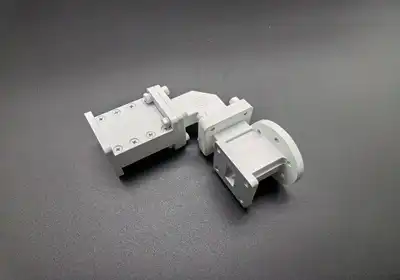
Custom Engineering and OEM Partnership Opportunities
Work with J&Q to get the best phenolic sheet solutions. We can give you exactly what you need for making electrical, machinery, or power equipment, whether you need standard sizes for quick-turn projects or custom phenolic sheet layouts for mass production. We offer an integrated one-stop service that makes your supply chain easier and lowers total landed costs.
Conclusion
To reduce the amount of phenolic laminate scrap you have, you need to weigh the immediate cost against the total value delivered over the course of your procurement cycle. Standard sheet sizes are useful for low-volume applications, prototype development, and maintenance work because they are easy to use and have shorter lead times. When you use custom layouts, including precision components like a Low Ku Band Diplexer, you get better material utilization, less waste, and lower costs per component, all of which become more valuable as your production volumes rise.
FAQ
1. What performance specifications matter most when selecting a Low Ku Band diplexer?
Most waste is caused by geometric mismatches between the sizes of parts and sheets. When you cut circular or irregular-shaped parts from rectangular sheets, the gaps between them are too big to be useful. When nesting calculations are done wrong and don't optimize how parts are arranged within the available material, extra material is cut off. Material handling damage also adds to the waste, especially along the edges.
2. How does diplexer quality affect satellite internet system uptime?
Because they have to be made in a different way, custom sheets usually cost 8–15% more than standard dimensions. When waste reduction is greater than the price premium, however, the better material yield often leads to lower per-component costs. Break-even usually happens when the standard sheet waste goes over 25–30%. This means that custom layouts are cheaper for medium- to high-volume production, even though they cost more at first.
3. Can existing satellite terminals be upgraded with higher-performance diplexers?
Sure thing. For quick-turnaround needs, prototyping, and low-volume parts, many procurement teams keep standard sheets on hand. For high-volume production parts, they use custom layouts. This combined method strikes a good balance between adaptability and reducing waste, lowering overall procurement costs across a wide range of use cases and technical requirements.
Partner with ADM for Superior Low Ku Band Diplexer Solutions
Our engineering team at Advanced Microwave Technologies Co., Ltd brings over two decades of microwave component expertise to your satellite communication challenges. We manufacture precision Low Ku Band Diplexer solutions featuring insertion loss below 0.5 dB, isolation exceeding 70 dB, and robust construction that performs reliably across extreme temperature ranges from -40°C to +85°C. Whether you're a systems integrator requiring custom frequency ranges, an OEM partner seeking volume pricing on standardized designs, or a procurement manager evaluating Low Ku Band Diplexer suppliers for critical infrastructure projects, our technical specialists provide comprehensive support from specification development through installation guidance. Contact us at craig@admicrowave.com to discuss your requirements and receive detailed technical documentation tailored to your application.
References
1. Rao, S.K. (2015). Advanced Antenna Technologies for Satellite Communications. Institution of Engineering and Technology Press.
2. Maral, G. & Bousquet, M. (2020). Satellite Communications Systems: Systems, Techniques and Technology (6th ed.). John Wiley & Sons.
3. Capps, C. (2018). "Passive Intermodulation in Satellite RF Hardware: Analysis and Mitigation Strategies." IEEE Transactions on Microwave Theory and Techniques, 66(5), 2347-2359.
4. Inmarsat Technical Paper Series (2021). "Link Budget Optimization for Ku-Band Maritime VSAT Networks." Inmarsat Global Limited.
5. Federal Communications Commission (2022). "Ku-Band Frequency Allocation and Interference Management Guidelines." FCC Technical Report 22-118.
6. Hunter, I.C. & Rhodes, J.D. (2019). "Electronically Tunable Microwave Bandpass Filters for Satellite Communication Applications." International Journal of RF and Microwave Computer-Aided Engineering, 29(8), e21891.