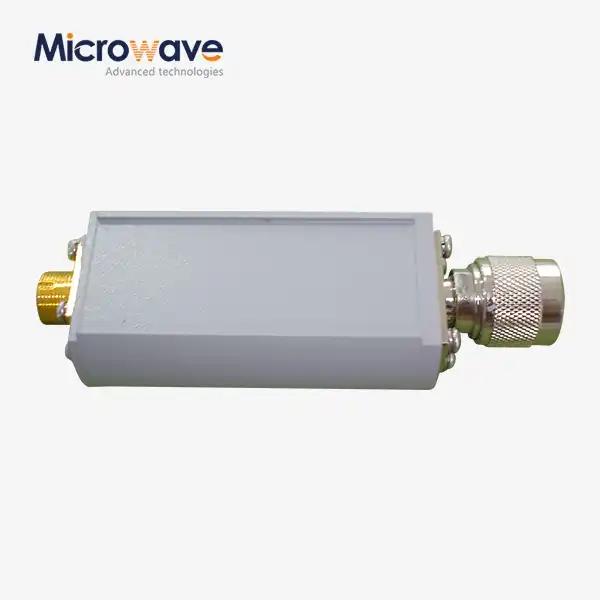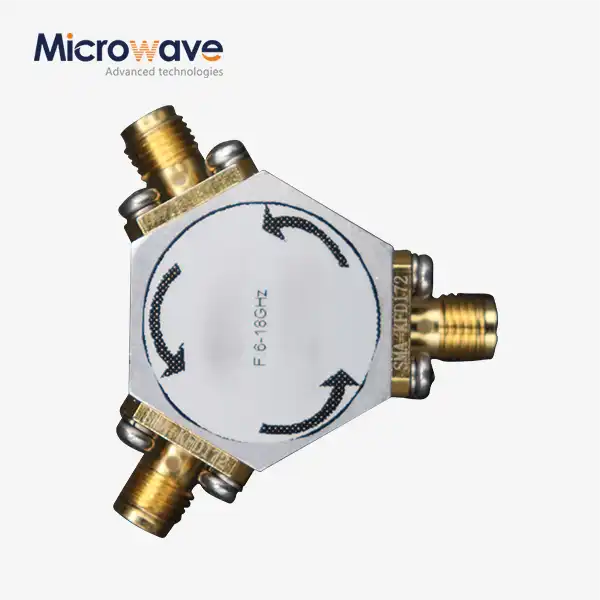





Benefits of Waveguide Harmonic Filter in Industrial Systems
Waveguide Harmonic Filters are very useful in industrial systems because they get rid of unwanted harmonic frequencies that are generated by high-power amps. This keeps the spectrum pure and makes sure that regulations are followed. These passive microwave parts keep interference from happening with nearby frequency bands, which is very important in radar and satellite communication settings with a lot of people. They also keep high-energy harmonic signals from damaging sensitive equipment further down the line. In defense, aerospace, telecommunications, and research settings where accuracy and dependability are essential, Waveguide Harmonic Filters improve system efficiency, lower electromagnetic interference, and extend the life of equipment by keeping signals clean and insertion loss to a minimum.
Understanding Waveguide Harmonic Filters in Industrial Systems
What Defines a Waveguide Harmonic Filter?
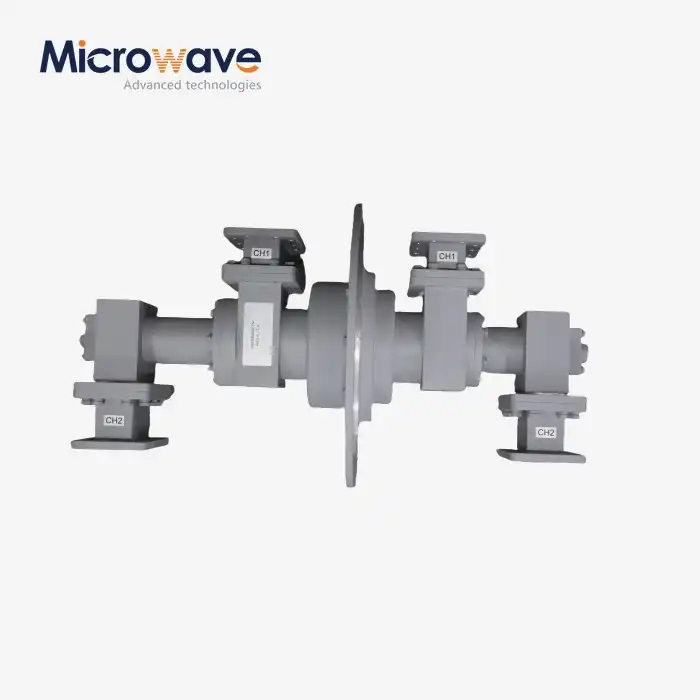
A Waveguide Harmonic Filter is a complex passive microwave part that is built into high-frequency transmission lines. These devices are different from basic coaxial filters because they use the physical cutoff qualities of waveguide structures to get better rejection levels. They often use waffle-iron or corrugated internal shapes. The fundamental frequency is barely affected, and harmonics that aren't needed are successfully blocked by high-power amplifiers like Traveling Wave Tube Amplifiers and Klystrons.
These filters solve some of the biggest problems in the industry, like regulatory noncompliance caused by false spectral emissions that don't follow FCC or ETSI masks, interference with adjacent frequency bands that is important for dense satellite communication environments, and protecting sensitive downstream components from high-energy harmonic signals. They are the most important way to make sure that high-power RF systems are spectrally pure, which is required by law and is also good for business.
Working Principles Behind Harmonic Suppression
The way it works depends on the waveguide cutoff frequency features. EMF waves can't pass through a building below a certain frequency level that is set by the waveguide's dimensions. For engineers, this concept is used to create internal shapes that let the basic frequency pass through while blocking harmonic frequencies. Tolerances for precise cutting are very important because even small changes in dimensions can hurt performance.
Materials are also very important. Surface finishes with a lot of conductivity, like silver or gold finishing, on Aluminum 6061-T6, copper, or Invar, make sure that resistance losses are kept to a minimum. These choices of materials also offer the temperature stability that is needed for high-power uses. Because these filters don't have any dielectric materials, they don't have the breakdown risks that come with coaxial filters. This makes them perfect for vacuum settings and space-grade uses.
Key Industrial Applications
Earth stations for satellite communication are a main area of application. When you put the filter right after the high-power amplifier, it gets rid of the nonlinear harmonics that are made by transmission amplifiers that work in the C, Ku, or Ka bands. This keeps satellite receive bands and close land communications from interfering, which keeps the quality of the link and ensures that regulations are followed.
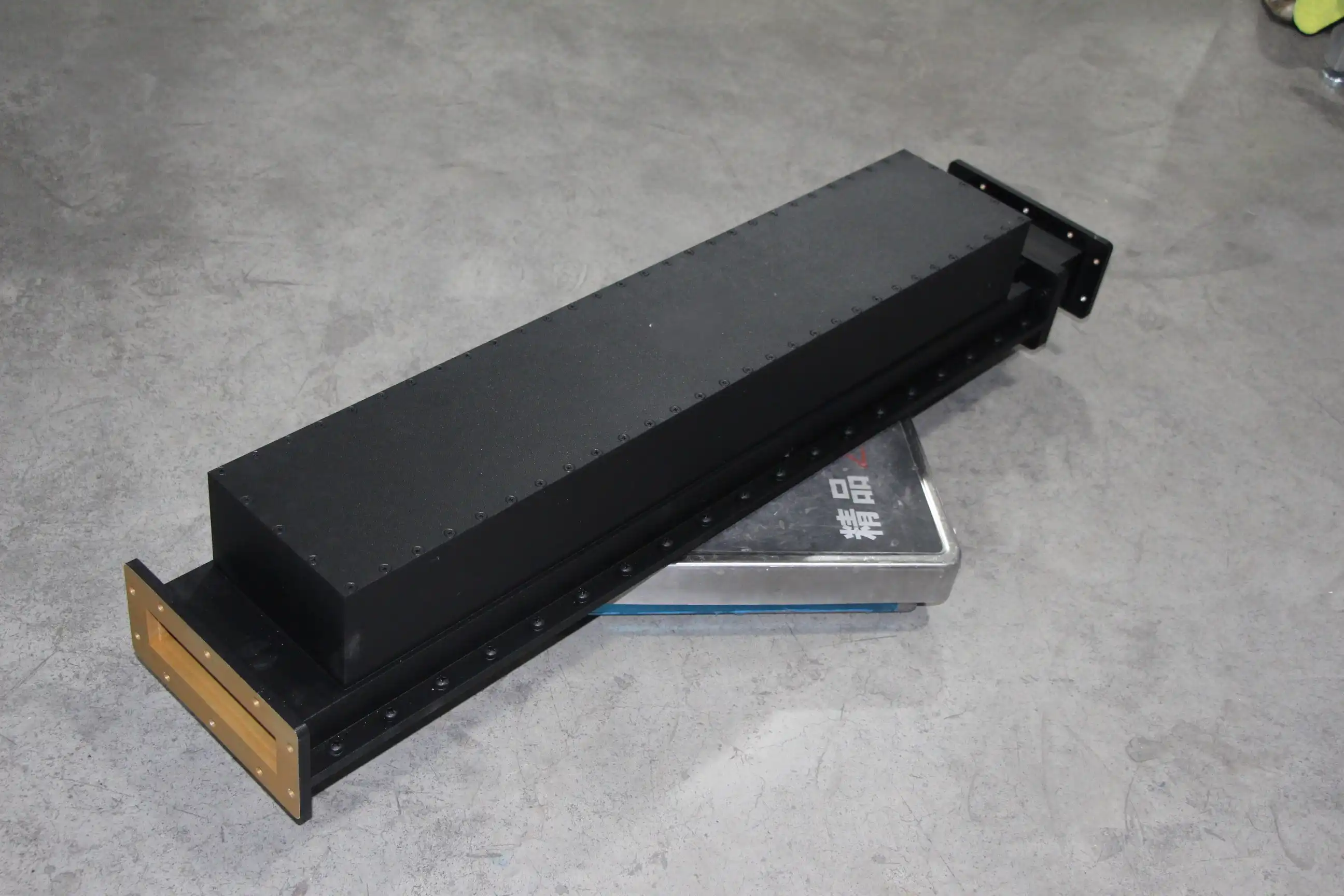
Megawatts of peak power are used by high-power radar systems in the military and naval industries. Specialized filters clean the pulse spectrum, which keeps radar signals inside spectral masks and lets them handle the high electric field stresses of pulsed operation in salty, wet, and tough environments. It is important for mission-critical applications that the filter can work in harsh situations without losing any speed.
Medical linear accelerators for radiation gear are another example of a specific use. RF sources speed up particles, and filters make sure that the pushing RF energy stays at a stable frequency. These parts directly improve patient safety and treatment accuracy by blocking harmonics that might lead to mode hopping or less efficient accelerating cavities. More and more, new 5G networks and high-frequency communication systems depend on these filters to keep signals intact in situations with a lot of deployments.
Core Benefits of Waveguide Harmonic Filters for Industrial Applications
Superior Frequency Selectivity and Signal Integrity
Because Waveguide Harmonic Filters have very low insertion loss (usually less than 0.1 dB), they keep signal power and make the system more efficient. Because amplifiers need less power to reach the desired output amounts that are wanted, this small loss directly leads to lower operating costs. The low voltage standing wave ratio, which is usually kept below 1.15:1, keeps reflected power from hurting source amps. This makes equipment last longer and costs less to maintain.
Stopband performance goes to the second, third, and fourth harmonics, and rejection levels are often higher than 60 to 80 dB. This high level of selectivity makes sure that frequencies that aren't needed are successfully blocked from the transmission path. This keeps the spectrum clean and stops interference with other systems. When procurement workers look at filter options, they know that this level of performance is necessary for situations where signal purity has a direct effect on business success.
Enhanced Durability and Environmental Resilience
These filters stand out because they are made of strong materials that can handle tough industrial conditions. Precision-machined metal or copper housings are strong enough to handle vibration, temperature changes, and physical stress that come up in field operations. In kilowatt-class systems, external cooling fins or liquid cooling tubes successfully get rid of resistive losses, even though they don't make much heat because of low insertion loss.
Environmental closing defenses make sure that the system works reliably in a wide range of temperatures, humidity levels, and toxic environments. Multipactor-free designs with special internal shapes lower the chance of electron resonance in space and vacuum uses. Secondary electron yield reduction coatings, such as chromating or alodine, and proper venting to avoid gas pockets getting stuck, keep things working smoothly in harsh conditions. These features that make something last a long time directly meet the long-term dependability needs that B2B buying pros put first when choosing parts for mission-critical systems.
Reduced Interference and Improved Energy Efficiency
System-level effects go beyond the performance of individual parts. These filters lower electromagnetic interference that could hurt the performance of systems that are close to each other by getting rid of harmonic content before it travels through transmission lines and spreading elements. This interference reduction is very important for keeping channel capacity and service quality high in dense deployment situations, like satellite ground stations with many uplink and downstream chains.
There are several ways that improvements in the energy economy show up. Lower insertion loss keeps signal power, which lowers the power used by the amplifier. Getting rid of reflected power keeps amps from working in less-than-ideal situations that make them use more power and generate more heat. These efficiency gains have been proven by tests that followed strict quality control guidelines. Vector network testers check the performance of S-parameters, and high-power continuous wave or peak power tests make sure the temperature stays stable under operational stress. These proven improvements in efficiency lead to measured drops in operating costs over the span of the equipment.
Practical Procurement Considerations for Waveguide Harmonic Filters
Supplier Selection and Customization Options
Finding high-frequency passive component manufacturers is the first and most crucial step. Suppliers should be ISO 9001-certified, RoHS-compliant, and have defense, aerospace, and telecommunications experience. Perfect description for Advanced Microwave Technologies Co., Ltd. Waveguide Harmonic Filters can measure 110 GHz and have been made for 20 years. They have a 24-meter microwave lab for complete testing.
Customization is crucial since typical catalog products rarely match unique system demands. Application requirements must be met for frequency range, power handling, harmonic order reduction, flange kinds, and temperature control. Quality manufacturers provide engineering assistance during specification. They improve filter designs before making them using modeling tools and project experience. This collaboration reduces iteration cycles and ensures product quality.
OEM vs. aftermarket depends on product importance and budget. OEM filters for certain amplifiers have matching flanges and mounting holes and operate well, but they cost more. Aftermarket solutions from specialist manufacturers typically perform as well or better at reasonable pricing when tailored. Technical parameters, test results, and guarantee terms allow objective comparison beyond pricing.
Lead Times, Volume Considerations, and Total Cost of Ownership
Precision-machined waveguide pieces take 8-16 weeks to produce, depending on complexity and manufacturing line length. Plan for project timelines when system integration dates are approaching. Setting up framework partnerships with providers for future needs will help you receive priority production slots and maintain pricing over several orders.
Volume greatly impacts unit economics. Due to tool and setup expenses, prototype quantities cost more per unit but aid with design input. Because setup expenses are distributed over several units, making 10 or more units generally lowers the price by 20–40%. Talking about volume pricing tiers early in the bid process helps buying managers handle tight budgets and schedules by identifying economic breakdowns.
More than simply the purchase price, the entire cost of ownership includes shipping, customs taxes, insurance, and lifetime support. Filters sent overseas must be safeguarded to avoid flange damage. By checking the guarantee terms, such as coverage length, projected failure rate, and return processes, you may avoid project delays from malfunctioning devices. Working with vendors that provide skilled assistance throughout the equipment's lifetime helps solve integration issues and improve system performance. All of these factors demonstrate a purchase's economic value.
Installation, Testing, and Maintenance Best Practices for Industrial Use
Step-by-Step Installation Guidelines
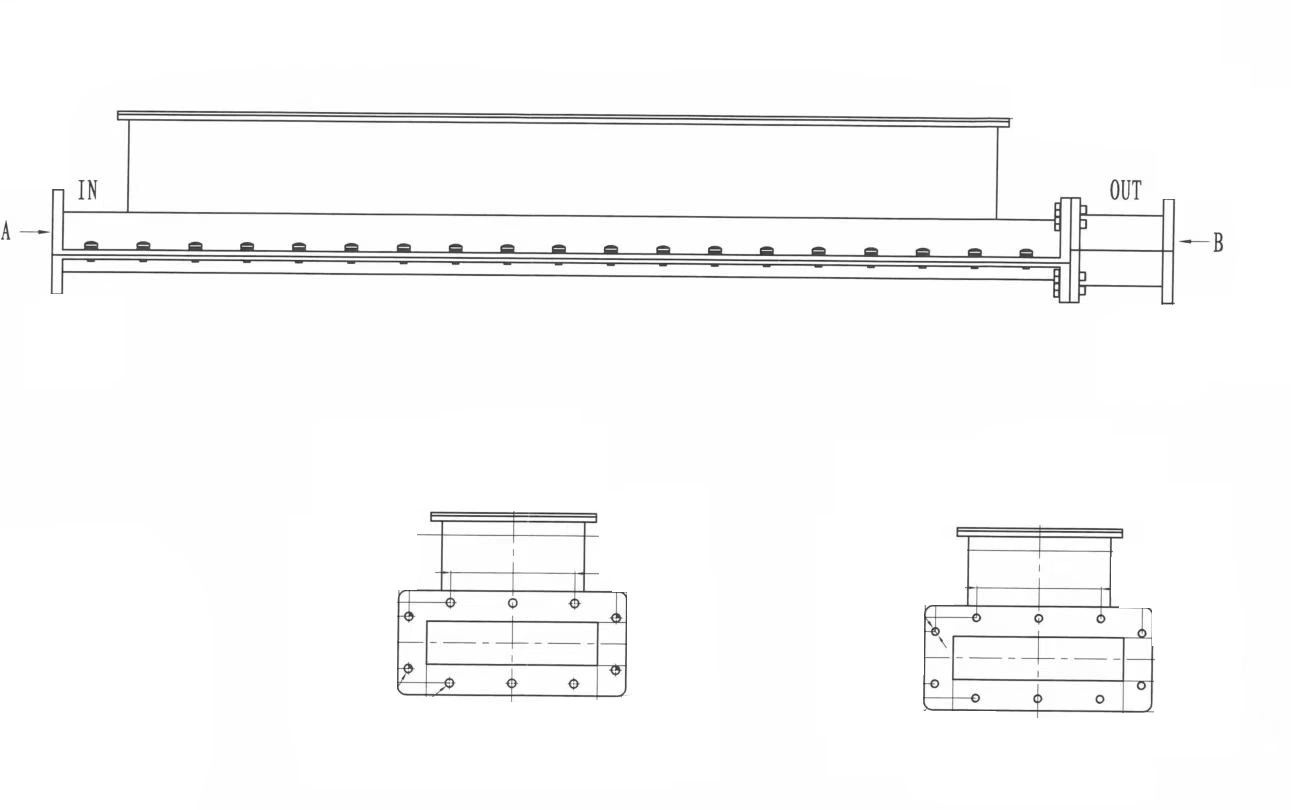
The first step in a proper fitting is to check the flanges for harm and make sure the gasket surfaces are clean and free of anything that could affect the RF sealing. Depending on the needs of the system, picking the right seals (conductive types for low-loss uses, silicone for sealing against the environment) keeps performance from dropping. Tightening flange bolts to the manufacturer's instructions, usually in a star design to keep the pressure even, makes sure that mechanical and electrical connections are safe.
For heat control, orientation is important. The best way to get rid of heat is to mount Waveguide Harmonic Filters with cooling fins or thermal management features that are set up for natural airflow or forced air cooling. Checking the gaps around the filter body stops airflow problems that could cause heat runaway when the power is turned up high. If there are grounding requirements, they need low-impedance links to chassis ground to keep lightning safety and electromagnetic compatibility.
Alignment is important when working with waveguide communication lines. Even a small angle or side-to-side misalignment between matching flanges can cause return loss decline and even arcing when the power is high. Using alignment pins or supports during assembly keeps the concentricity within certain limits. Doing low-power functional tests after installation but before using full operating power makes sure that everything works well together and finds problems that are easy to fix.
Testing Protocols and Performance Verification
Measurements made with a vector network analyzer give a full picture of how well an installed filter works. By checking S-parameters over the operating frequency range, we can be sure that the passband insertion loss, return loss, and stopband rejection meet the requirements. By comparing readings taken in the field to test data provided by the maker, problems with installation or broken parts can be found and fixed before the system can be put into use.
High-power testing makes sure that the temperature is stable and that there are no breakdowns. By slowly raising power while keeping an eye on reflected power and filter body temperature, the part works within its intended limits. Thermal imaging cameras find hot spots that mean there is bad thermal contact or loss processes that were not expected. For vacuum uses, multipactor and corona discharge tests in thermal vacuum tanks make sure that space-grade designs are correct before they are put into orbit.
Using spectrum monitors to measure frequencies proves that harmonic reduction works well in real-world situations. By looking at the broadcast spectrum while the amplifier is running at full power, we can see how well the filter works in the real world and confirm that the harmonic content is below regulatory masks and system interference limits. Keeping track of baseline readings during commissioning gives future maintenance reviews a place to start.
Preventive Maintenance and Troubleshooting
Setting up preventive maintenance plans based on what the maker says and what you've learned from using the filter will make it last as long as possible. Visual checks done on a regular basis can find corrosion on surfaces that are left out in the open, especially in sea settings where salt builds up quickly and speeds up the breakdown process. Maintaining thermal efficiency means cleaning the outside surfaces and making sure that the cooling holes aren't blocked.
Measurements made by a network monitor once a year show how speed has changed over time. Gradual rises in insertion loss could mean that there is internal rust or plating bonding problems that need to be fixed. When return loss changes quickly, it could mean that there are technical problems, like a flange coming loose or a seal being squished. If these trends are found early, planned maintenance can be done during planned breaks instead of having to be done on the spot, which would have caused problems with operations.
Isolating the filter from the rest of the system is the first step in fixing speed problems. Checking the filter on its own shows if the problems seen are caused by the part or somewhere else in the transmission chain. Some common ways things can go wrong are the flange seal wearing down, which increases insertion loss; working beyond the power limits, which damages the internal arc; and thermal stress, which changes the dimensions of the part and shifts the frequency response. Diagnostic methods work best when you understand how these failures happen.
Conclusion
Waveguide Harmonic Filters give measured performance benefits to industrial systems that need to handle high power, be spectrally pure, and be reliable. Their better frequency selection, resistance to environmental damage, and energy savings directly meet the needs of the military, aircraft, telecoms, and research industries. There are clear benefits to using these filters over other technologies in mission-critical situations where power levels, frequency ranges, and weather conditions make lumped element, coaxial, or dielectric options inadequate. To do good buying, you need to look at what the seller can do, how they can customize the product, and the total cost of ownership, which goes beyond the initial price. When these precision-engineered parts are installed correctly, tested thoroughly, and maintained regularly, they work longer and more reliably, which makes the investment worth it.
FAQ
Q1: How do waveguide harmonic filters handle heat generation during high-power operation?
Because ultra-low insertion loss is often less than 0.05 dB, very little heat is produced. Kilowatt-class systems have external cooling fins or liquid cooling channels, and the filter bodies are made of aluminum or copper, which are both good at transferring heat and preventing resistance losses.
Q2: Can waveguide harmonic filters be tuned after manufacturing?
In most cases, no. Waveguide harmonic filters, especially waffle-iron types, are fixed-frequency devices that are precisely made, unlike combline filters. High-power breakdown points would be added by tuning screws, which is why initial design modeling and CNC machine tolerance are so important for performance.
Q3: What distinguishes absorptive from reflective waveguide harmonic filters?
Harmonic energy that is reflected toward the source needs to be protected by an isolator or circulator. Absorptive filters couple harmonic content into a load material, where it heats up and disappears. They protect amplifiers better, but they usually need to be bigger.
Q4: Which industries benefit most from waveguide harmonic filters?
These filters are very helpful for satellite communications, military radar systems, aircraft uses, and setting up telecommunications infrastructure. They are also used in medical linear accelerators and high-frequency study uses because they are accurate and reliable.
Partner with ADM for High-Performance Waveguide Harmonic Filter Solutions
Advanced Microwave Technologies Co., Ltd is ready to help you with your Waveguide Harmonic Filter needs. They have been making these filters for over 20 years. For difficult satellite communication, military radar, and telecommunications tasks, our tech team has a lot of experience customizing filter solutions. All of our products are still certified with ISO 9001 and RoHS, which means they meet the highest quality standards and meet the strictest buying requirements. Our 24-meter microwave lab and measurement tools that can go up to 110 GHz allow for thorough testing and approval before shipping.
Our open approach to manufacturing means that we can handle projects of all sizes, from small prototypes to large production runs at low prices. Professionals in purchasing, system integration, and engineering are welcome to email craig@admicrowave.com for technical advice, thorough quotes, and to talk about custom filter specs. As a reliable Waveguide Harmonic Filter maker that serves B2B markets around the world, we can help your projects with technical support, quality testing, and logistics.
References
1. Pozar, David M. "Microwave Engineering, Fourth Edition." John Wiley & Sons, 2011. Chapter 6: Microwave Resonators and Filters.
2. Cameron, Richard J., Chandra M. Kudsia, and Raafat R. Mansour. "Microwave Filters for Communication Systems: Fundamentals, Design, and Applications." Wiley-Interscience, 2007.
3. Matthaei, George L., Leo Young, and E.M.T. Jones. "Microwave Filters, Impedance-Matching Networks, and Coupling Structures." Artech House, 1980.
4. Levy, Ralph. "Filters for Satellite Communications." IEEE Transactions on Microwave Theory and Techniques, Vol. 51, No. 3, 2003, pp. 1024-1035.
5. International Telecommunications Union. "Spurious Domain Emissions of Space Stations in the Fixed-Satellite Service." ITU-R Recommendation SM.329-12, 2015.
6. Ness, James B. "A Unified Approach to the Design, Measurement, and Tuning of Coupled-Resonator Filters." IEEE Transactions on Microwave Theory and Techniques, Vol. 46, No. 4, 1998, pp. 343-351.
_1733809032116.webp)
_1733738410152.webp)