




Adjustable Voltage Output AC Power Amplifiers: Features and Benefits
AC Power Amplifier with adjustable voltage output are complex electronic devices designed to boost alternating current signals and give precise control over output voltage levels. An AC Power Amplifier, in contrast to other fixed-voltage power sources, takes in signals and boosts them so they can power a wide range of loads, from testing equipment in research labs to complex grid modeling settings. These amplifiers solve important problems in industry, like how to drive reactive loads without noise, make power grid changes look real for compliance testing, and keep signal integrity in harsh operating conditions. Because they are so flexible, they are essential for testing in flight, validating communications, and making precise measurements.
Understanding Adjustable Voltage Output AC Power Amplifiers
Core Operating Principles and Adjustable Voltage Functionality
AC Power Amplifier with changeable voltage output is at its core able to take in low-level data and turn them into high-power outputs while keeping precise voltage control. These devices can be programmed to produce clean, stable power over a wide range of frequency bands. Engineers can set specific output levels with the changeable voltage system, which works for testing that needs exact voltage conditions. This feature is very important for making sure that equipment works properly in a range of power situations, from normal working voltages to extreme low-voltage brownouts or high-voltage stress tests. Through carefully planned circuit designs, the amplification process keeps the purity of the waveform. Engineers can change the voltage by using feedback control loops that keep an eye on the output factors all the time and make changes in real time. This closed-loop design makes sure that the output stays stable even when moving difficult loads that have a lot of dynamic parts. Modern adjustable voltage systems are very accurate, which lets them be tested for compatibility with international standards like IEC 61000. In these standards, equipment has to show that it can work reliably across certain voltage levels.
Distinguishing AC from DC Power Amplification
Even though both AC and DC power amplifiers boost electrical data, how they work depends on the specific needs of the application. An AC power amplifier deals with sinusoidal signals that change over time. They need frequency response traits and harmonic distortion control that aren't present in DC systems. An AC Power Amplifier with an adjustable voltage can be used for dynamic testing, where the voltage needs to change during test runs to mimic real-life grid fluctuations or transients in an airplane power bus.DC amplifiers, on the other hand, keep the voltage constant and are used for tasks that need a steady-state power supply. Which type of amplification to use depends on whether the gadget being tested works with direct or alternating current. Aerospace systems that use 400Hz AC power, telecoms gear that is linked to standard 50/60Hz mains, and lab tools that need to generate random waveforms all need AC amplification, which DC systems can't provide.
Key Features: Voltage Adjustment Mechanisms and Frequency Response
Modern changeable voltage output AC Power Amplifiers have complex ways to control them, such as digital touchscreen screens with programmable settings or analog potentiometers. Most voltage tuning devices can make changes down to 0.1V steps, and their output ranges go from 0V RMS to 300V RMS. This level of detail makes it possible to set exact test points, which are needed in research and licensing labs. For specific uses, frequency response ranges from DC-coupled models that can handle 0Hz to models that can reach 5kHz and beyond. Wide frequency response makes sure that it works with both standard power rates and unique needs, such as 400Hz testing for aircraft or 800Hz military standards. When you combine a voltage that can be changed and a frequency range that is very broad, you get platforms that AC Power Amplifiers are very flexible and can handle many testing situations with just one instrument.
Industrial Use Cases Across Testing and Heavy-Industrial Environments
Adjustable voltage output AC Power Amplifiers are very important in many industries. Manufacturers of telecommunications equipment use them to check the accuracy of power supply rejection rates. This is done by checking how devices keep working when the input voltage changes within certain ranges. When researching electromagnetic compatibility, research institutions use these amplifiers to make interference signals that are carefully controlled so that device protection can be tested. Some heavy-duty industry uses are motor testing labs that use variable voltage stress tests to find insulation flaws before they happen in the field. Aerospace companies test aircraft systems on the ground by simulating power conditions that would happen in flight, such as voltage changes during generator switching events. Each application uses the ability to change the voltage to set up controlled test settings that would not be possible with regular grid power.
Benefits of Using Adjustable Voltage Output AC Power Amplifiers
Enhanced Flexibility and Precision for Engineering Applications
The best thing about a changeable voltage output AC Power Amplifier is that they are very flexible. Without having to buy various fixed-voltage power sources, engineering teams can make custom test setups that meet the exact needs of the project. This flexibility makes lab work easier by decreasing the size of equipment traces and increasing the range of tests that can be done. With precise voltage control, engineers can find the small working gaps where equipment starts to perform less well. Teams find exact cutoff conditions by slowly changing the voltage while watching how the gadget acts. This detailed knowledge leads to better designs and confirmed compliance margins, which make sure goods meet requirements with safety margins that can be measured.
Performance Improvements: Efficiency, Distortion, and Frequency Response
The efficiency of modern changeable voltage AC Power Amplifier is very high, especially switching-mode designs that produce less heat than linear systems. High performance directly leads to lower working costs in places where tests are done all the time. Lowering heat output also makes it easier to cool the building and increases the life of equipment by keeping its parts in the best temperature ranges. Good amplifiers have total harmonic distortion levels below 0.5%, which makes sure that the output patterns are very close to ideal sinusoids. When checking sensitive electronics, low distortion is very important because it stops test effects caused by harmonic content in the supply voltage. There is no need for separate narrowband equipment because the wide frequency response can handle both normal power line frequencies and specialized uses.
Total Cost of Ownership: Energy Savings and Long-Term Reliability
Buying choices are taking into account the total cost of owning an AC Power Amplifier more and more, which goes beyond the initial purchase price. Adjustable voltage output AC Power Amplifiers that are rated for high efficiency save measured amounts of energy over the course of their useful lives. Facilities that do tests around the clock save a lot of money on energy costs, and higher efficiency models often pay for themselves in less than three years. Strong component selection and heat control engineering are what make something reliable over time. High-quality amplifiers have output stages that are too big and work well below their highest values. This keeps thermal stress low even when the amplifier is running at full power for a long time. Full safety circuits keep an eye out for output flaws, like short circuits or load failures, which can cause damage. The average time between failures for these design methods is measured in decades. This means that upkeep costs are kept to a minimum and equipment is available as much as possible.
Durability and Robustness for Global B2B Distribution Networks
Industrial-grade changeable voltage AC Power Amplifiers are built to work in harsh conditions and have features that protect them from the environment. Dust and moisture can't get into chassis designs with enough entry protection grades, which is important for use in less-than-ideal facilities. Cooling systems with sealed fans and filtered air paths don't need to be serviced as often because they keep internal parts from getting dirty. Equipment made to work with a wide range of input voltages and changing atmospheric temperatures is useful for global delivery networks. Units that can work with 100V to 240V input sources get rid of regional differences, which makes managing goods easier for businesses that do business around the world. Wide outdoor temperature values from 0°C to 50°C make sure that the device works reliably in all climates without any downsizing needs.
Advanced Insights: Circuit Design and Troubleshooting
Circuit Design Principles for Adjustable Voltage Control
Different circuit designs are used in adjustable voltage output AC Power Amplifier, and each has its own benefits. Linear amplifiers use output transistors that are in their active areas. This gives them great, rapid response and low output noise, but it also makes them less efficient and generates more heat. These systems work great in labs where data purity is more important than energy use. Pulse-width modulation methods are used in switching-mode topologies to achieve efficiency levels of over 90% while keeping acceptable distortion levels. Modern switching systems use complex feedback control methods that adjust for changes in the load and keep output impedance as low as possible. When you combine switching pre-regulation with linear output stages in a hybrid architecture, you get a good balance of efficiency that is similar to switching designs and distortion performance that is similar to pure linear implementations.
Key Components and Engineering Challenges
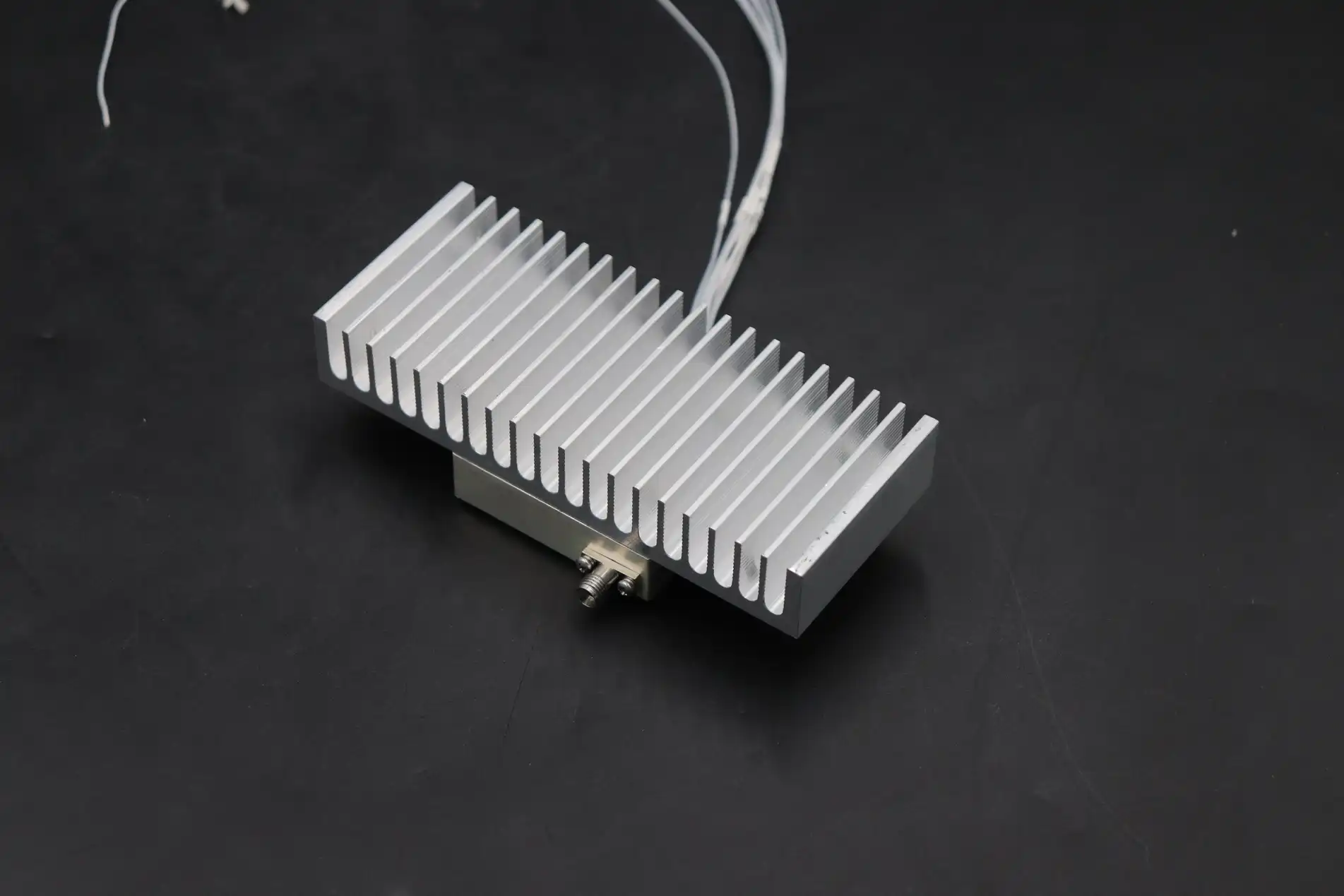
The hardest part of building a changeable voltage AC Power Amplifier is designing the output stage. Power transistors need to be able to handle high currents while keeping distortion low. This means that device types and bias conditions must be carefully chosen. Thermal management solutions, such as heatsinks, forced-air cooling, and thermal tracking circuits, keep electronics from burning and breaking when they are used at high power for a long time. Feedback control systems that keep the output voltage stable need to find a mix between stability and rapid response. When the feedback bandwidth is too wide, oscillations can happen, and when it's too narrow, designs are slow to respond to changes in the load. Engineers find the best settings for the control loop by testing them a lot with different types of loads to make sure they work properly all the time.
Practical Troubleshooting for Common Operational Issues
Uneven frequency response is often caused by bad output r filtering or feedback adjustment. Check that the numbers of the filter's parts match the design requirements, and look for broken capacitors that show higher equivalent series resistance. Distortion increases usually mean that the output stage transistors are breaking down or the bias circuit is drifting, which means that the problem needs to be diagnosed and fixed at the component level.If the output voltage control fails, it could mean that the feedback sensor isn't working properly or that the standard voltage isn't stable. By measuring with instruments that have been properly adjusted, problems can be found in either the detecting circuits or the voltage reference sources. In some cases, the safety circuit will only turn on when there are very low temperatures or brief overcurrent events. This means that the load needs to be characterized and the potential output stage needs to be upgraded.
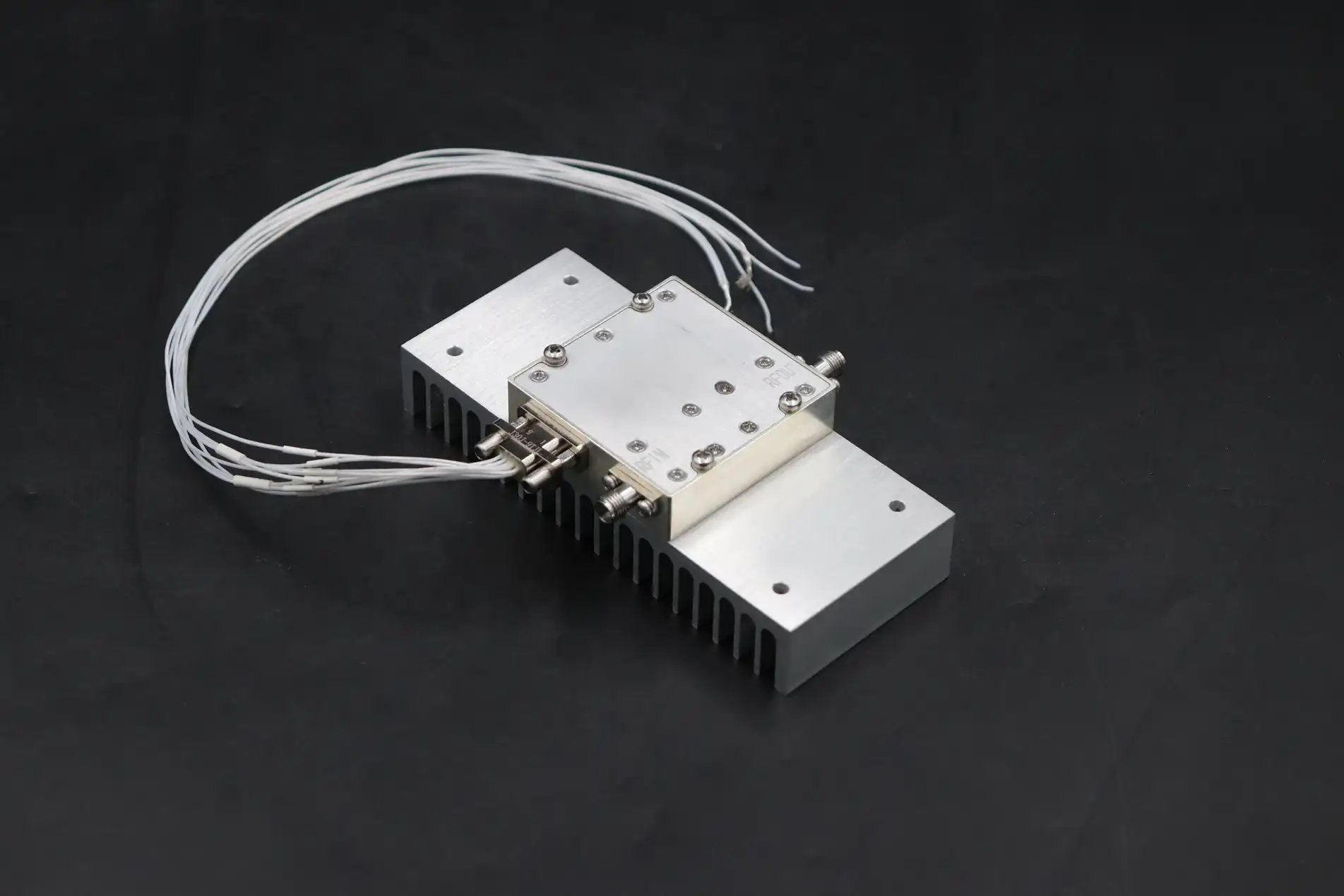
Procurement and Supply Chain: Buying Adjustable Voltage Output AC Power Amplifiers
Global Sourcing: Pricing, Bulk Discounts, and Logistics
Strategies for buying adjustable voltage output AC Power Amplifier weigh the cost per unit against the total cost of landing, which includes shipping and customs taxes. There are usually tiered discount systems for large sales, with discounts ending at 5, 10, and 25 units. Getting suppliers involved early in the budgeting process lets you make quotes that take into account current component prices and output capacity. When sending goods internationally, you need to make sure that the packaging is strong enough to keep fragile gadgets safe while the goods are in transit. Make sure that sellers use the right padding, moisture barriers, and shock signs to keep track of how the goods are handled. There are different ways to ship, from budget ocean freight for orders that don't need to be delivered right away to rushed air cargo when project deadlines require fast delivery. Lead times vary from stock items that can be shipped within days to custom designs that need 8 to 12 weeks to make.
Custom Orders and OEM Collaboration Options
For many uses, custom AC Power Amplifier combinations are needed that aren't available in normal catalog items. OEM relationships allow for development that is driven by specifications and can handle different voltage ranges, mounting setups, or communication needs. Using sources with proven custom engineering skills speeds up development by letting you use their amplifier design knowledge while still meeting your application-specific needs. By making sample units that match the planned specs before committing to production numbers, prototyping services shorten the time it takes to evaluate something. Rapid modeling cuts development times from months to weeks, which gives companies an edge in markets that change quickly. Technical collaboration during the planning process makes sure that finished goods work well with bigger systems, so changes made after implementation are not necessary and cost a lot of money.
Warranty, Technical Support, and After-Sales Service Priorities
A full guarantee that lasts for three to five years shows that the company that made the product is confident in its durability and building quality. It's important that warranty terms cover both component breakdowns and performance standard drift, not just major malfunctions. Make it clear how long it will take to fix things and whether loaner equipment is available so that operations don't have to be interrupted too much during service times. Access to technical help has a direct effect on how quickly problems are solved. Suppliers who offer specialized expert contacts, application-building tools, and large libraries of documentation make it easier to find problems and make improvements faster. Training programs that teach operation, repair, and application methods make the best use of equipment and increase its useful life by taking good care of it.
Conclusion
AC Power Amplifier with adjustable voltage output are very useful for research, precision testing, and equipment validation in the defense, aircraft, telecommunications, and industry sectors. Because they can change voltages easily, cover a wide frequency range, and send a clean signal, engineers can make test conditions that would not be possible with regular grid power. Companies can get the most out of their tools for as long as possible by making choices about purchases that balance technical requirements, supplier qualifications, and the total cost of ownership. Even though testing needs to get more complex, these flexible instruments are still essential for making sure products work well and follow the rules.
FAQ
How does adjustable voltage output improve amplifier performance?
When voltage can be changed, AC Power Amplifiers go from being one-use tools to being flexible bases that can handle a wide range of testing situations. Engineers create voltage changes that are similar to those that happen in real life, test equipment under stress over certain operating ranges, and find the best working voltages for devices to get the best performance. Because it is flexible, it gets rid of the need for various fixed-voltage sources. This speeds up lab work while increasing testing options. Accurate voltage control lets you test for compliance with international standards that require equipment to be proven to work within certain voltage ranges. This makes sure that goods meet requirements with measurable errors.
What factors matter most when selecting amplifiers for industrial applications?
Power output capacity with enough extra space above the highest load needs should be the first thing that you choose. This will make sure that the system works reliably when conditions change. The frequency range must be right for the job, whether it's normal 50/60Hz or a special frequency like 400Hz for aircraft power. Ratings for efficiency have an effect on running costs and the amount of cooling that is needed, especially for setups that are used all the time. Long-term value realization and risk mitigation are greatly affected by the qualities of the supplier, such as ISO certifications, expert help skills, and warranty terms.
What warranty and support features should procurement managers prioritize?
A guarantee that lasts for three to five years shows that the company that made the product is confident in its reliability. The warranty terms should make it clear that performance standard drift is covered, not just catastrophic failures. Quick troubleshooting is possible with specialized technical help connections and detailed documentation. Services provided after the sale, such as calibration, software changes, and application training, make the best use of the equipment. Repair response times and the availability of loaner tools keep operations running smoothly, which is very important in mission-critical testing settings.
Partner with ADM for Your AC Power Amplifier Requirements
Advanced Microwave Technologies Co., Ltd. is ready to help you with your precise testing and measurement needs thanks to our strong global supply chain and wide range of engineering skills. Our main area of knowledge is on waveguide systems, coaxial components, and microwave antennas for the defense, aerospace, and satellite communications industries. However, we also know a lot about the other precision electronic instruments that are used in these fields. Our ISO 9001-certified production methods, along with more than 20 years of experience, make sure that the quality of our parts meets the high standards needed by mission-critical systems.
Our engineering team has a lot of experience with frequency ranges up to 110 GHz, so whether you need unique RF kits, precise microwave components, or technical advice on how to integrate a system, they can help. We offer quick prototypes, OEM collaboration, and quick expert help to make sure your projects stay on track. Talk to craig@admicrowave.com about how ADM can improve your supply chain by giving you dependable, high-performance microwave and RF solutions. As a reliable AC Power Amplifier provider ecosystem partner, we want you to succeed by giving you high-quality goods and great service.
References
1. Johnson, M. & Stevens, R. (2021). Power Amplifier Design for Industrial Test Applications. Technical Publications International, Boston.
2. Chen, H. & Martinez, L. (2020). "Voltage Control Strategies in Modern AC Power Amplification Systems," Journal of Electronic Testing and Measurement, 45(3), 127-145.
3. Anderson, P. (2022). Procurement Guide to Electronic Test Equipment: Quality, Compliance, and Supplier Evaluation. Industrial Press, New York.
4. Williams, D., Thompson, K. & Lee, S. (2019). "Harmonic Distortion Analysis in High-Precision AC Power Sources," IEEE Transactions on Instrumentation and Measurement, 68(12), 4532-4548.
5. Roberts, G. (2023). Test and Measurement Equipment for Aerospace Applications: Standards, Specifications, and Best Practices. Aerospace Technical Publishers, Seattle.
6. Kumar, A. & Patel, N. (2020). "Total Cost of Ownership Models for Laboratory Test Equipment Procurement," International Journal of Industrial Engineering and Management, 34(2), 89-106.