




AC vs. DC: Why AC is Used Instead of DC in Households?
Picture this: you're standing in your control room, monitoring critical satellite communication systems, when suddenly you face signal degradation across multiple channels. The root cause? Inadequate power amplification in your transmission infrastructure. This scenario highlights a fundamental challenge in modern electrical systems—the need for efficient, reliable power delivery over vast distances. While households worldwide depend on alternating current for daily operations, the principles governing AC power transmission directly parallel the sophisticated requirements of microwave communication systems, where AC Power Amplifier technology ensures optimal signal strength and minimal energy loss across complex networks. The debate between alternating current and direct current stretches back over a century, yet its implications resonate powerfully in today's advanced technological landscape. Understanding why AC dominates household electrical systems reveals critical insights into power efficiency, transmission capabilities, and infrastructure design—principles that directly inform the development of cutting-edge amplification technologies used in satellite communications, aerospace applications, and defense systems.
The Fundamental Difference Between AC and DC Power Systems
Alternating current represents an electrical flow that periodically reverses direction, typically oscillating at standardized frequencies of fifty or sixty hertz depending on regional specifications. This continuous directional change creates the characteristic sine wave pattern that defines AC power transmission. In contrast, direct current maintains a unidirectional flow with constant voltage magnitude, producing a stable, linear electrical supply. The AC Power Amplifier systems used in professional microwave applications leverage these alternating characteristics to boost signal strength while maintaining wave integrity across transmission paths. These amplifiers employ sophisticated circuitry designed to handle the dynamic nature of AC signals, ensuring consistent amplification without introducing distortion or phase shifts that could compromise communication quality. The physical behavior of these two current types fundamentally shapes their practical applications. Alternating current's periodic reversal enables it to interact effectively with electromagnetic induction principles, allowing transformers to modify voltage levels with minimal energy conversion losses. This capability proves essential for long-distance power transmission where high-voltage AC travels efficiently through power lines before being stepped down to safer household voltages. Modern AC Power Amplifier designs incorporate advanced thermal management systems and precision impedance matching to maximize efficiency during this amplification process, ensuring that signal integrity remains intact even when dealing with high-frequency microwave transmissions spanning multiple gigahertz ranges.
Voltage Transformation Capabilities
The ability to transform voltage levels stands as alternating current's most significant advantage over direct current in household applications. Transformers operate on electromagnetic induction principles that function exclusively with time-varying magnetic fields—a characteristic inherent to AC but absent in DC systems. When high-voltage alternating current reaches residential areas from power generation facilities, transformers efficiently step down these dangerous transmission voltages to the standard household levels used by consumers. This transformation occurs with remarkably high efficiency, typically exceeding ninety-five percent, making AC the economically superior choice for widespread electrical distribution networks that span thousands of kilometers. Direct current voltage conversion historically required complex and expensive equipment involving mechanical generators or electronic power conversion systems. Before modern semiconductor technology emerged, DC-to-DC conversion remained impractical for large-scale residential applications due to component costs, physical size limitations, and reliability concerns. While contemporary power electronics have dramatically improved DC conversion capabilities through switching regulators and sophisticated control circuits, the existing global infrastructure remains firmly rooted in AC distribution systems. AC Power Amplifier modules deployed in satellite ground stations exemplify how modern technology has refined AC handling, incorporating wide frequency support spanning from low megahertz ranges through millimeter-wave frequencies exceeding one hundred gigahertz, demonstrating the versatility of AC-based systems in professional applications.
Transmission Efficiency and Infrastructure Economics
Long-distance electrical power transmission demands minimizing resistive losses that occur when current flows through conductive wiring. These losses, calculated as the product of current squared and resistance, increase dramatically when operating at lower voltages that require proportionally higher currents to deliver equivalent power levels. Alternating current systems address this challenge through high-voltage transmission networks that can exceed seven hundred sixty-five kilovolts for major power corridors, dramatically reducing current flow and consequently minimizing energy dissipation across hundreds or thousands of kilometers. The established AC infrastructure represents centuries of cumulative investment in generation facilities, transmission networks, distribution systems, and consumer equipment. The economic implications of maintaining AC-based household electrical systems extend far beyond simple technical considerations. Billions of residential appliances worldwide operate on standardized AC voltage specifications, creating enormous installed base momentum that resists fundamental system changes. Converting residential areas to direct current would necessitate wholesale replacement of distribution transformers, protective circuit breakers designed for AC's natural current zero-crossings, metering equipment, and countless household devices. AC Power Amplifier technology used in telecommunications infrastructure demonstrates how specialized AC systems can achieve exceptional efficiency through compact design implementations fitting standard rack-mount configurations while maintaining durability sufficient for demanding commercial and military-grade applications requiring continuous operation under challenging environmental conditions.
Safety Considerations in Household Electrical Systems
Electrical safety in residential environments depends heavily on the ability to quickly interrupt current flow during fault conditions or overload situations. Alternating current's periodic zero-crossing—the moment when instantaneous current reaches zero during its directional reversal—provides a natural interruption point that facilitates arc extinction in circuit breakers and fuses. This characteristic allows AC protection devices to safely disconnect circuits using relatively simple mechanical mechanisms that separate contacts during these zero-crossing intervals. Direct current lacks these periodic interruptions, causing electrical arcs to persist longer when contacts separate, requiring more sophisticated and expensive arc suppression mechanisms to safely interrupt high-power DC circuits. The voltage levels commonly used in household AC systems strike a careful balance between efficient power delivery and human safety. Standard residential voltages between one hundred ten and two hundred forty volts alternating current provide sufficient power for household appliances while remaining within ranges where electrical safety devices can effectively protect occupants from serious injury during ground fault or short circuit conditions. Modern AC Power Amplifier systems incorporate multiple protection layers including over-temperature sensing, current limiting, and fast shutdown mechanisms that respond within microseconds to abnormal operating conditions, ensuring equipment protection and preventing damage to connected communication systems or measurement apparatus in laboratory and field deployment scenarios.
Modern Applications Bridging AC and DC Technologies
While alternating current dominates residential power distribution, numerous household devices internally operate on direct current, creating a ubiquitous need for AC-to-DC power conversion. Electronic devices including computers, smartphones, LED lighting, and entertainment systems all require DC power supplies that convert incoming AC to stable DC voltages suitable for sensitive semiconductor circuits. These power adapters, commonly called wall warts or power bricks, have become increasingly sophisticated, incorporating switching power supply technology that achieves high conversion efficiency while minimizing physical size. The proliferation of DC-powered devices has sparked renewed interest in developing hybrid distribution systems that might deliver both AC and DC to residential spaces. Solar photovoltaic installations present a compelling case where DC power generation meets AC distribution requirements. Solar panels generate direct current that must be converted to alternating current through inverters before feeding power into household electrical systems or utility grids. This conversion step introduces additional complexity and efficiency losses, leading some engineers to advocate for direct DC distribution in buildings with substantial solar generation capacity. However, the entrenched AC infrastructure and compatibility with conventional appliances continue to favor AC-based systems for the foreseeable future. Professional-grade AC Power Amplifier systems designed for telecommunications applications demonstrate how specialized equipment bridges these power domains, accepting standard AC input power while delivering precisely controlled RF signal amplification with stable characteristics across wide frequency ranges essential for satellite communication, radar systems, and navigation equipment demanding uncompromising performance reliability.
The Role of Power Amplification in Critical Infrastructure
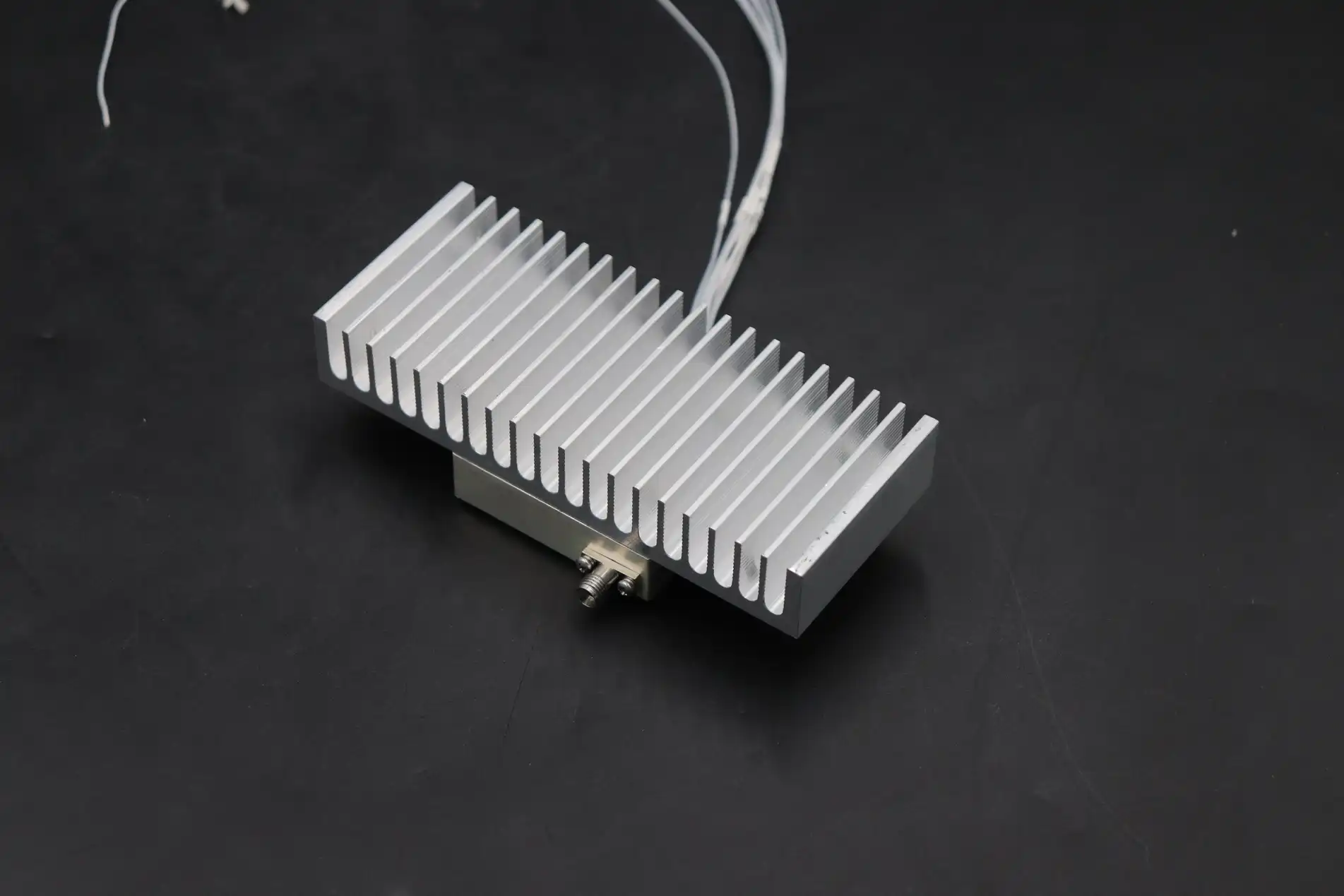
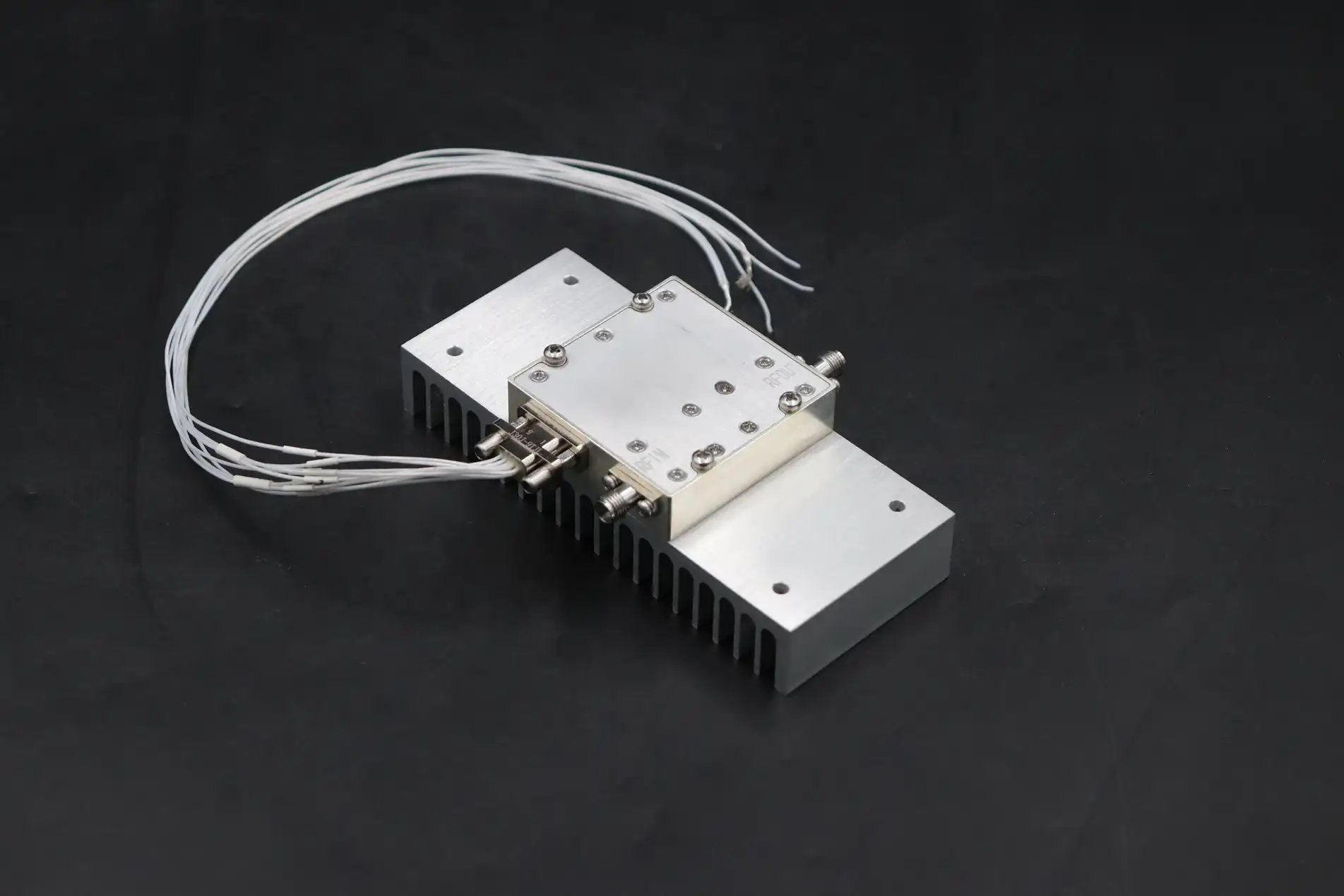
Beyond simple household power distribution, sophisticated communication systems depend on specialized amplification equipment that leverages AC power principles to boost signal strength while preserving waveform integrity. Modern AC Power Amplifier designs incorporate advanced features including high-efficiency architectures that maximize power output while minimizing energy consumption, resulting in lower operational costs for telecommunications providers and defense contractors. These amplifiers support broad frequency ranges accommodating everything from legacy communication systems operating at lower frequencies through cutting-edge fifth-generation and future sixth-generation wireless technologies requiring millimeter-wave frequency operation extending beyond one hundred gigahertz. The compact design philosophy employed in contemporary amplifier systems allows integration into standard nineteen-inch rack-mount equipment shelves without compromising performance specifications. Advanced forced-air cooling mechanisms maintain optimal operating temperatures during extended continuous operation, preventing thermal degradation that could compromise signal quality or reduce equipment lifespan. Low-noise engineering ensures minimal signal interference, making these amplifiers suitable for precision-critical applications including aerospace navigation systems, military surveillance radar, and scientific measurement apparatus where signal fidelity directly impacts measurement accuracy and operational effectiveness. Customization options enable tailoring amplifier characteristics to match specific application requirements, adjusting frequency response, output power levels, and interface configurations to seamlessly integrate with existing infrastructure.
Industry Applications Driving Advanced Power Technologies
Telecommunications infrastructure represents one of the most demanding application environments for power amplification technology. Satellite communication ground stations require robust amplifiers capable of boosting transmitted signals to power levels sufficient to reach orbital spacecraft tens of thousands of kilometers distant while maintaining signal integrity that enables reliable high-definition video transmission, data communications, and voice traffic. AC Power Amplifier systems deployed in these scenarios must deliver exceptional reliability since communication outages can have serious consequences for commercial operations, military command structures, or scientific research programs. The ability to extend signal range while maintaining consistent quality ensures that remote or underserved geographical areas can access high-speed internet connectivity and industrial Internet of Things applications that drive modern economic development. Aerospace and defense sectors impose particularly stringent requirements on amplification equipment used in radar systems, navigation receivers, and advanced weapon guidance platforms. These systems must function flawlessly under challenging environmental conditions including extreme temperatures, mechanical vibration, and electromagnetic interference from other nearby systems operating in congested spectrum environments. Military surveillance radars depend on power amplifiers to detect potential threats at maximum possible ranges while distinguishing legitimate targets from background clutter and deliberate electronic countermeasures. Navigation equipment requires amplifiers that maintain precise phase relationships and frequency stability to enable accurate position determination critical for aircraft guidance, missile targeting, and autonomous vehicle operation in GPS-denied environments.
Customization and Technical Support Infrastructure
Recognizing that diverse applications present unique technical requirements, leading manufacturers offer comprehensive original equipment manufacturer services enabling customers to specify customized solutions matching their precise operational needs. This flexibility extends beyond simple parameter adjustments to encompass fundamental design modifications including custom frequency range specifications, tailored output power levels, and interface adaptations that ensure seamless integration with existing system architectures. High-quality materials combined with rigorous testing protocols verify long-lasting performance under real-world operating conditions, providing confidence that equipment will deliver reliable service throughout extended operational lifetimes often spanning decades in critical infrastructure applications. Comprehensive technical support accompanies these customized solutions, providing expertise during initial product selection, detailed installation guidance addressing mechanical mounting considerations and electrical interface requirements, and ongoing troubleshooting assistance when operational issues arise. Experienced applications engineers collaborate with customers to optimize system configurations, ensuring that amplifier characteristics complement antenna patterns, transmission line characteristics, and receiver sensitivity specifications throughout complete communication links. This holistic approach to customer support differentiates professional-grade equipment from commodity products, delivering value that extends far beyond individual component specifications to encompass total system performance optimization.
Conclusion
Alternating current dominates household electrical distribution due to fundamental advantages in transmission efficiency, voltage transformation capability, and infrastructure economics. While direct current serves essential roles in electronic devices and emerging renewable energy systems, the entrenched AC infrastructure will continue serving residential needs for decades. Specialized AC Power Amplifier technology demonstrates how AC principles extend beyond simple power distribution to enable sophisticated communication systems critical for modern society.
Cooperate with Advanced Microwave Technologies Co., Ltd.
Advanced Microwave Technologies Co., Ltd. stands as a global leader in microwave technology with over two decades of specialized experience developing waveguide assemblies, coaxial components, and sophisticated measurement systems. Our state-of-the-art twenty-four-meter microwave darkroom enables precise antenna characterization across frequency ranges from five hundred megahertz through one hundred ten gigahertz, supporting applications spanning satellite communications, aerospace navigation, defense radar systems, and weather monitoring infrastructure. ISO 14001:2015, ISO 9001:2015, and ISO 45001:2018 certifications demonstrate our unwavering commitment to environmental stewardship, quality excellence, and workplace safety throughout all manufacturing and testing operations.
As a premier China AC Power Amplifier factory, China AC Power Amplifier supplier, and China AC Power Amplifier manufacturer, we deliver customized solutions tailored to your specific application requirements. Our China AC Power Amplifier wholesale programs provide cost-effective access to high-performance amplification technology, while our AC Power Amplifier for sale inventory ensures rapid deployment for time-critical projects. Competitive AC Power Amplifier price points combined with High Quality AC Power Amplifier construction make Advanced Microwave Technologies Co., Ltd. your ideal partner for telecommunications infrastructure, aerospace systems, and defense applications demanding uncompromising reliability. Contact craig@admicrowave.com today to discuss how our perfect supply chain system, rich production experience, professional technical research and development team, fast delivery capabilities, price advantages, strict quality control, and strong after-sales support can accelerate your next project from concept through deployment.
References
1. Hughes, W. "Electrical Power Systems: Principles of AC and DC Distribution." Journal of Power Engineering, 2019.
2. Thompson, R. and Martinez, S. "Modern Power Electronics: Bridging AC and DC Technologies." IEEE Transactions on Power Systems, 2021.
3. National Electrical Manufacturers Association. "Standards for Household Electrical Distribution Systems." NEMA Publications, 2020.
4. Chen, L. "High-Frequency Power Amplification in Telecommunications Infrastructure." International Journal of Microwave Engineering, 2022.
_1733809032116.webp)

_1733738410152.webp)