




Why Use Waveguide Band Stop Filter in Automotive Systems
If you work in automotive RF engineering or procurement, you already know how noisy the electromagnetic environment inside a modern vehicle can get. From 77 GHz radar modules to V2X communication links, today's vehicles generate and receive signals across a wide spectrum. A waveguide band stop filter—sometimes called a notch filter or band-reject filter—addresses one of the hardest problems in this space: how do you block a specific interference frequency without degrading the signals you actually need? This article explains why this component belongs in your automotive system design and what to look for when sourcing one.
Understanding Waveguide Band Stop Filters in Automotive Context
What This Filter Actually Does
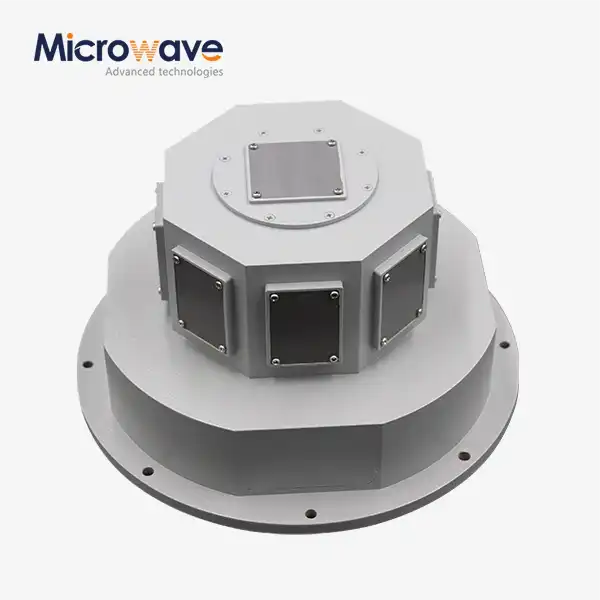
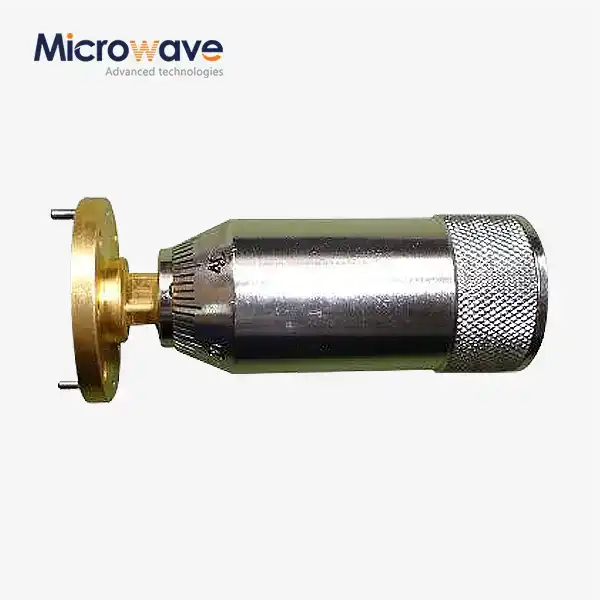
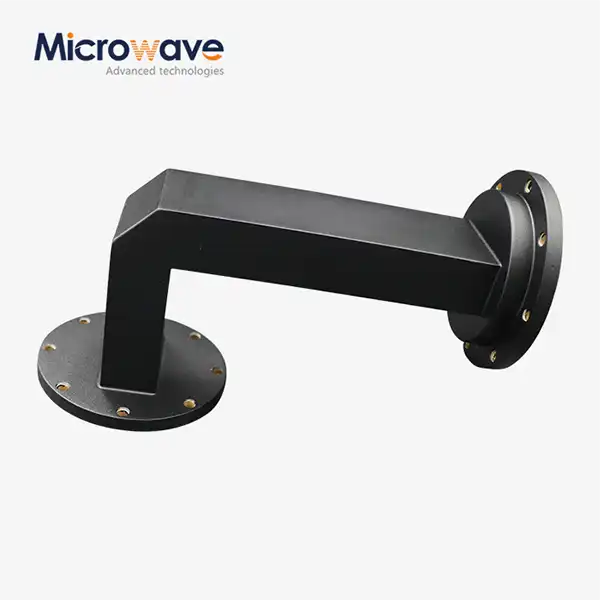
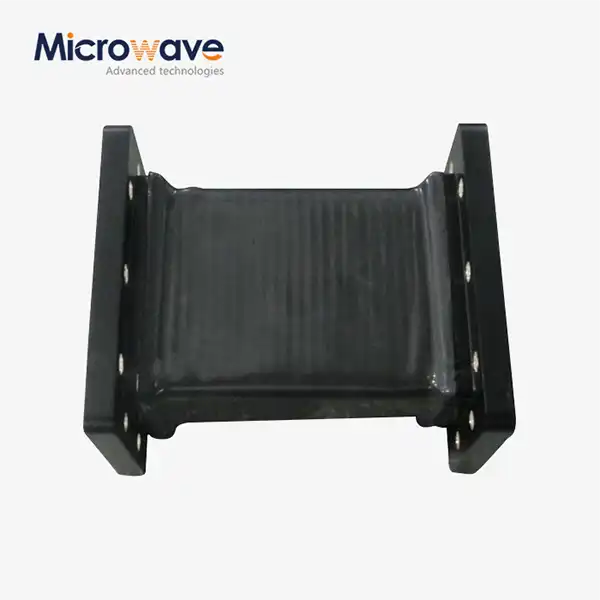
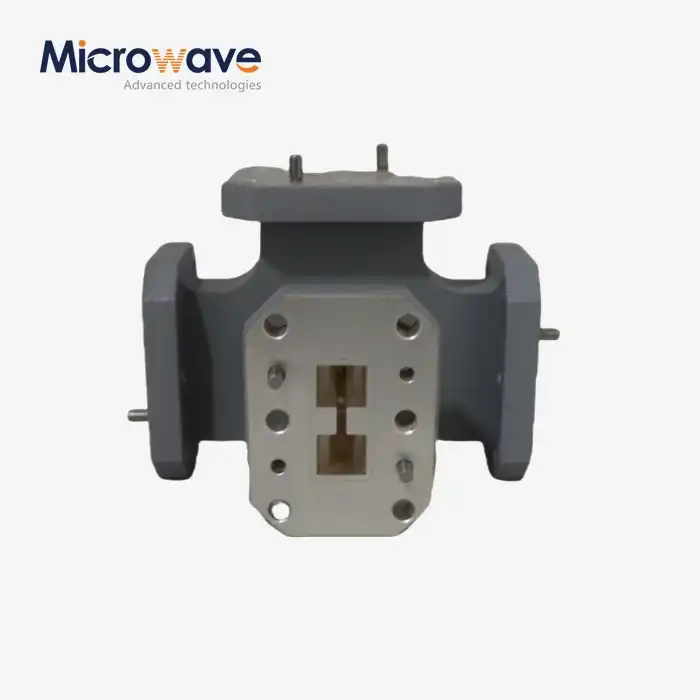
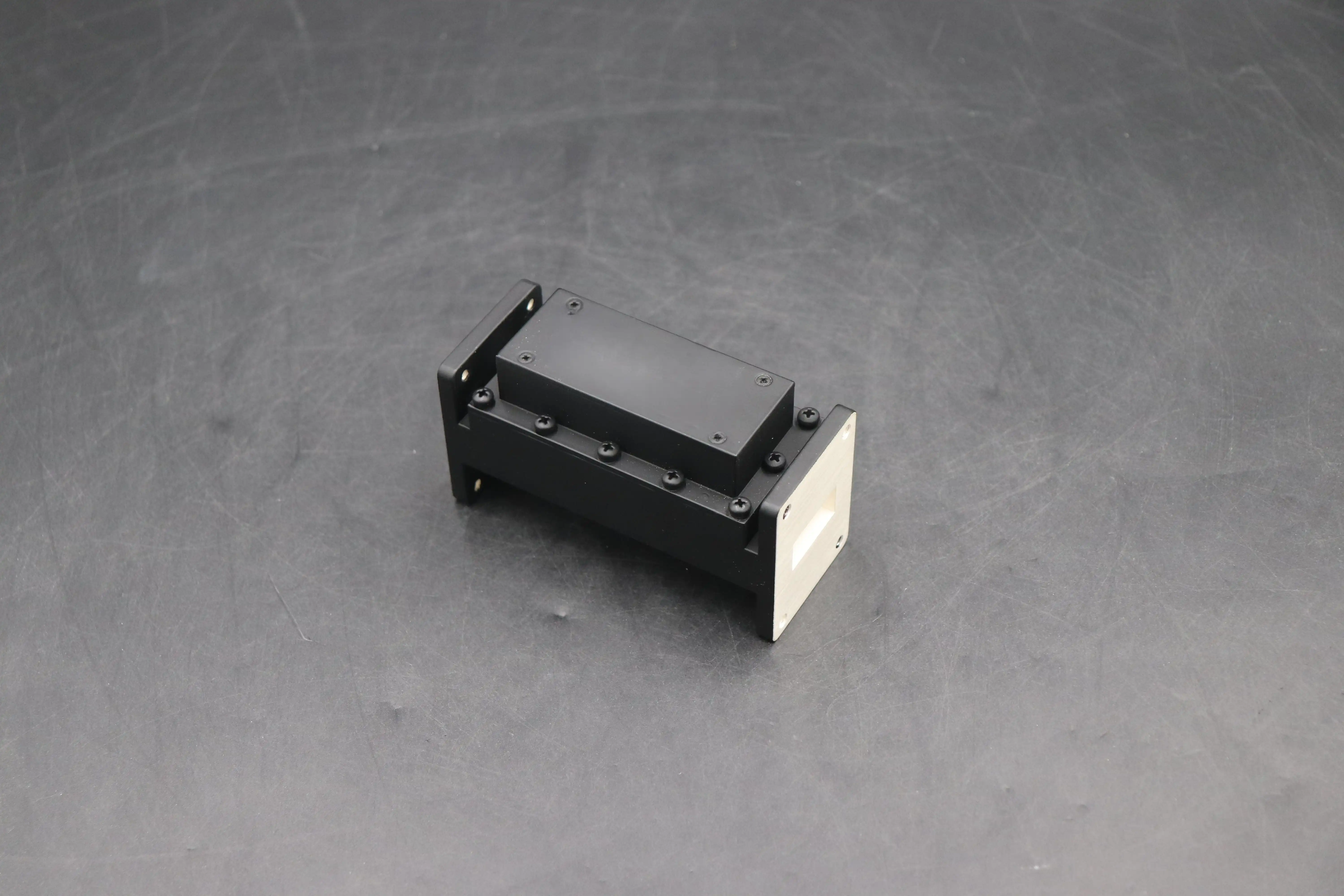
A waveguide band-stop filter is a passive RF part that is made up of thin metal waveguide shapes. It uses resonant cavities or shunt stubs connected to the main transmission line to block and trap energy at a certain stopband frequency. All other frequencies can pass through with very little loss, usually less than 0.3 dB insertion loss. This makes exact frequency notching possible without adding noise to channels next to it.
Why Waveguide Technology Fits Automotive RF
Along with DSRC and C-V2X communication modules, automotive radar systems that work in the 24 GHz and 77 GHz bands do so in areas with a lot of spectrum. Coaxial and microstrip filters have trouble handling the high power levels and high temperatures needed for these uses. Waveguide structures use air as their insulator, which means they have lower loss and higher Q-factors. These are important when the rejection depth needs to be more than 40 dB while the passband response stays clean.
Key Frequency Ranges in Automotive Electronics
For example, short-range radar operates at 24 GHz, long-range radar operates at 77–81 GHz, and V2X operates in bands below 6 GHz. In electric cars, harmonic interference from the power electronics and motor drive inverters can go right into these bands. If you set the notch filter properly, it will get rid of those harmonics at the source, before they get to the front ends of the receivers.
Advantages of Waveguide Band Stop Filters in Automotive Systems
A printed microstrip notch circuit costs less than waveguide-based filtering, which is something that procurement engineers often want to know. The reason lies in the difference in success in real-world settings.
Here are some of the best things about this device:
- Low insertion loss: Air-dielectric waveguide paths achieve passband loss between 0.05 dB and 0.25 dB, preserving system noise figure in sensitive receiver chains—a measurable benefit over microstrip equivalents that can lose 0.5 dB or more.
- High rejection depth: Custom cavity designs reach 60 dB to over 80 dB rejection within the stopband, surgically removing interference without a wide spectral footprint.
- Thermal and mechanical stability: Aluminum 6061-T6 or Invar construction, combined with MIL-STD-810 vibration ratings, allows these components to survive underhood temperature swings from −40 °C to +125 °C and road-induced shock loads.
- Extended service life: The absence of a solid dielectric inside the waveguide channel eliminates the degradation mechanism that shortens the life of PCB-based filters in high-temperature zones.
These benefits directly address the failure modes that automakers see in field returns: passband degradation from thermal cycling and EMC test failures due to not enough rejection depth. When engineers choose a waveguide-based solution, they lower the chance of having to re-certify the system and the total cost of ownership over the life of a car program.
Selecting the Right Waveguide Band Stop Filter for Automotive Procurement
Filter Type Comparison
The most important things to look at when comparing a waveguide band stop filter to a microstrip or lumped-element design are the Q-factor, the amount of power it can handle, and how stable the frequency is over time. Microstrip has Q-factors in the tens to low hundreds, but waveguide holes have Q-factors in the thousands. This difference is very important for uses where the rejection notch needs to stay the same across temperature.
Material Selection
Aluminum 6061-T6 is usually used for lightweight car designs because it has a good mix of conductivity and machinability. When a notch frequency tolerance of less than ±5 MHz across temperature is needed, invar (a nickel-iron alloy) is the best choice because its nearly zero thermal expansion coefficient keeps cavity dimensions stable. It is sometimes necessary to use copper for its high conductivity in very low-loss situations, but it is heavy.
Supplier Qualification Criteria
For automotive supply lines, it is necessary to get parts from a manufacturer that is ISO 9001:2015 certified and can provide full S-parameter test results from a Vector Network Analyzer (VNA). Teams in charge of buying things should also make sure that the supplier can provide 3D CAD models, material certifications, and documents that show how each lot was made. Custom waveguide filters usually have lead times of 6 to 12 weeks from when the drawing is approved, so it's important to plan ahead for the program schedule.
Practical Applications and Case Studies in Automotive Systems
Automotive Radar Interference Suppression
In 77 GHz FMCW radar systems, harmonic content from the VCO or power amplifier can cause unwanted signals at 154 GHz or, even worse, at sub-harmonic offsets that fall into channels next to each other. Adding a notch waveguide band stop filter to the transmit chain gets rid of these spurs before they leave the antenna. This keeps cars from interfering with each other in heavy traffic, as proven by an SAE International study on automobile radar coexistence that came out in 2021.
Electric Vehicle EMC Challenges
When battery electric vehicles (BEVs) use high-voltage inverters that switch at frequencies between 10 kHz and 100 kHz, they create wideband harmonic families that can go all the way up to microwave bands. Putting a band-stop element between the inverter's RF-coupled noise path and the vehicle's radar or transmission antennas has been shown to improve emitted emission test results in a way that can be measured. Tier 1 providers working on ADAS sensor integration are asking for this kind of application more and more.
Autonomous Vehicle Sensor Protection
One EMC failure in a LiDAR or radar module on a Level 3 or Level 4 autonomous platform can cause a safety-critical fault. Notch filtering at the RF front end of these sensors adds an extra layer of defense against in-band interference from high-power transmitters that are close by, like V2X radio units that are placed on the same car platform.
Installation, Maintenance, and Technical Support for B2B Clients
Installation Best Practices
Precision plates that usually meet MIL-DTL-3922 interface standards are used to connect waveguide band stop filters to the system. It's important to use the right torque steps on flange bolts because uneven clamping changes the notch frequency and bends the waveguide aperture. Most makers list the torque in the datasheet, and it only takes about ten minutes per link to follow it.
Maintenance and Long-Term Reliability
Passive waveguide filters don't need as much regular maintenance as active components do. The main check is the cleanliness of the flange surface. If the interface is dirty, it increases contact resistance and insertion loss. Silver- or gold-plated surfaces according to MIL-QQ-S-365 don't rust, but high-reliability programs should still do visual checks on a regular basis, like when the car or system is serviced.
Technical Resources Available
A good provider should give you all the paperwork you need, including measured S-parameter files (S2P format), mechanical plans with GD&T callouts, thermal derating curves, and 3D STEP models that can be used with CAD. ADM has its own labs with microwave measurement tools that can work up to 110 GHz. This means that test data can cover the full frequency range of car radars and is produced on equipment that is certified and can be traced back to national standards.
Conclusion
At the same time, RF devices in cars are getting denser and smarter. A waveguide band stop filter is a good way to deal with the interference issues caused by 77 GHz radar, V2X communications, and high-voltage inverter noise in electric vehicles. Waveguide-based notch filtering is a good option for OEM and Tier 1 procurement teams that need parts that pass EMC certification and keep their specs for the whole lifecycle of the vehicle. It has low insertion loss, deep notch rejection, and a history of being mechanically durable.
FAQ
How much power can a waveguide band stop filter handle in an automotive module?
Most standard waveguide band stop filters handle continuous wave (CW) power from a few watts up to several hundred watts, depending on waveguide size and internal geometry. For automotive radar applications, which typically operate at milliwatt to low-watt transmit power levels, standard designs are well within specification. Higher-power edge cases—such as communication relay modules—may require pressurized waveguide sections to prevent arcing at the resonant cavity gaps.
How does a waveguide notch filter compare to a microstrip filter in cost and performance?
Microstrip notch filters cost less upfront and are easier to integrate into PCB assemblies. However, their Q-factors are lower, their insertion loss is higher, and their notch frequency shifts more under temperature changes. For programs where EMC test margins are tight or the operating temperature range is wide, the total program cost of a microstrip solution—including re-testing after failures—often exceeds the initial cost difference.
What are typical lead times for a custom waveguide band stop filter order?
Standard catalog designs ship in 2–4 weeks from stock. Custom designs, which require drawing approval, prototype fabrication, and VNA acceptance testing, typically take 6–12 weeks. Early engagement with the supplier's engineering team during the concept phase shortens this timeline significantly.
Partner With ADM for Your Waveguide Band Stop Filter Supply
Advanced Microwave Technologies Co., Ltd. (ADM) has been making things for more than 20 years and brings that experience to every waveguide band stop filter order. ADM is a reliable company that makes waveguide band stop filters for satellite, defense, and car projects all over the world. They offer ISO 9001:2015-certified production, full S-parameter test paperwork, and OEM customization from prototype to volume supply. Our experts are ready to look over your frequency needs and help you choose the best plan for your project.
Craig@admicrowave.com is the address to send your specs or ask for a price.
References
1. SAE International — Automotive Radar Interference Mitigation Techniques, 2021.
2. IEEE Transactions on Microwave Theory and Techniques — High-Q Waveguide Band-Stop Filters for Millimeter-Wave Applications, 2019.
3. Society of Automotive Engineers — EMC Design Guidelines for Automotive Electronic Systems, SAE J551 Series, 2020.
4. IET Microwaves, Antennas & Propagation — Thermal Stability of Waveguide Cavity Filters in Harsh Environments, 2018.
5. IEEE Electromagnetic Compatibility Magazine — EMI Challenges in Electric Vehicle Powertrains and Mitigation Strategies, 2022.
6. Microwave Journal — Waveguide Filter Design for Automotive Radar Front-End Modules, 2023.