





Why Choose Elliptical WG for High-Frequency Communication
Elliptical WG represent a revolutionary solution for high-frequency communication challenges, offering superior signal transmission capabilities compared to traditional rectangular waveguides. The elliptical geometry provides exceptional electromagnetic field confinement while maintaining flexible installation characteristics essential for modern communication infrastructure. These specialized transmission lines combine the low-loss properties of rigid waveguides with the adaptability of flexible systems, making them indispensable for satellite communications, radar systems, and defense applications where signal integrity cannot be compromised.
Understanding Elliptical Waveguide Technology
The special shape of an elliptical waveguide's cross-section makes it the best way for electromagnetic waves to travel through carefully designed dimensions. Unlike regular rectangular waveguides that need complicated mounting systems and exact alignment, circular designs are very flexible when it comes to installation and don't affect the electrical performance. The curved copper structure makes it possible for high-frequency signals to travel easily. The corrugations make the structure flexible mechanically while keeping the electrical properties the same across the whole frequency range. This design gets rid of the need for multiple hard parts that are linked by flanges.
This makes it much easier to find places where signals could be reflected or lost. The circular cross-section can be made with precise control over its dimensions thanks to modern production methods. The copper tube goes through special shaping steps that keep the wall width even and the surface smooth, which is important for reducing insertion loss. As part of quality control, measurements are checked carefully and electricity tests are done to make sure they meet performance standards. The protected gear system is very important for long-term dependability. The perforated copper is protected from the environment by a UV-resistant plastic jacketing that keeps it flexible even when the temperature changes. Compared to waveguide systems that are uncovered, this security makes them last a lot longer.
Superior Performance Characteristics
Elliptical WG provides excellent electrical performance over a wide frequency range, usually working from a few gigahertz to over 100 GHz. The circular shape naturally has great impedance matching properties, which leads to low VSWR (Voltage Standing Wave Ratio) values that are needed for power transfer to work well. One big benefit of circular shapes is that they have better insertion loss properties. Even at millimeter-wave frequencies, resistance losses are kept to a minimum thanks to the smooth inner conductor surface and cross-sectional measurements that have been adjusted. Independent testing shows that insertion loss values are typically lower than similar flexible options, which directly leads to better system performance.
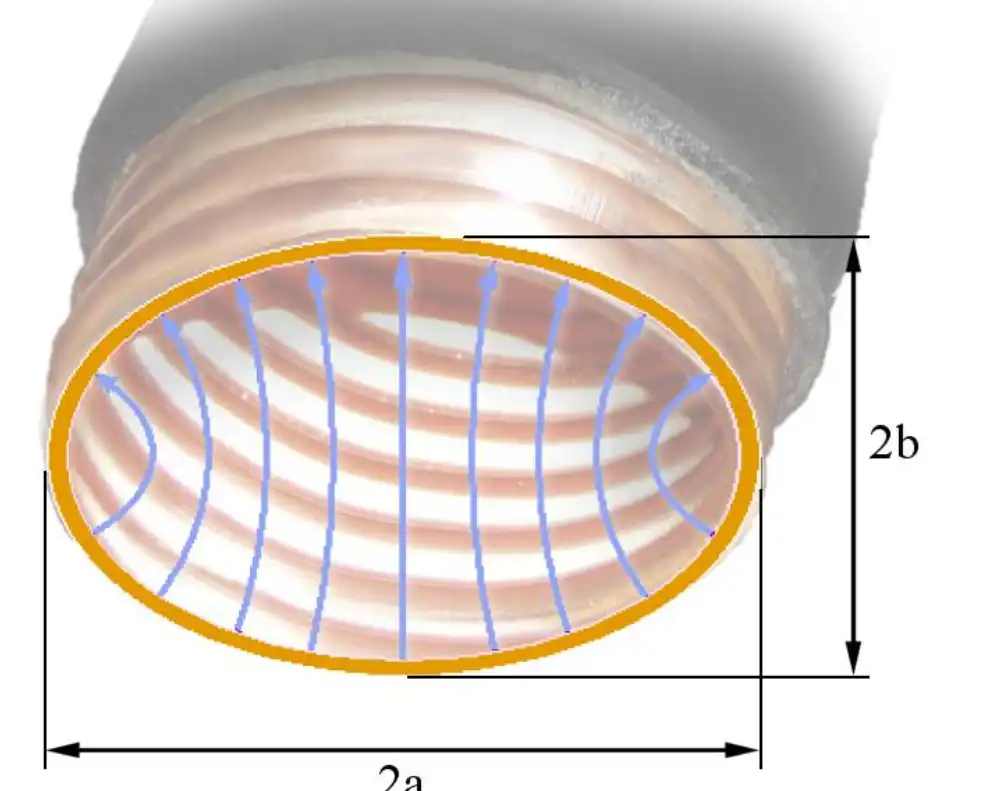
The ability to handle power goes beyond what is needed for most communication uses. The even flow of current around the circular edge stops localized heating that could hurt performance or even fail in high-power situations. Thermal modeling shows that it is very good at getting rid of heat, even when it is running at full power all the time. Phase stability across changes in temperature makes sure that performance is stable in tough conditions. Copper has a coefficient of temperature expansion that is very close to what the system needs. This keeps the electrical length stable, which is very important for phase-sensitive uses like phased array antennas and precision measurement systems.
Installation and Operational Advantages
Because circular waveguides are flexible, they change the way systems are installed, making them much simpler and lowering the cost of work by a large amount. Traditional installs of stiff waveguides need careful planning, special frames, and a lot of connection places that could go wrong. Elliptical WG allows continuous runs from equipment to antenna sites, so there is no need for links in between. Specifications for bend radius make it possible to get around objects and through small areas that would not be possible with stiff options. The minimum bend radius is usually between 10 and 20 times the width of the waveguide.
This gives architects enough freedom to work with most restrictions while still protecting the electrical integrity. Being able to close an environment keeps out wetness and other harmful things. The continuous jacket design gets rid of the places where leaks could happen that are common in stiff systems with more than one section. If you use the right closure methods, the connection points will be hermetically sealed, which will keep outdoor setups reliable for a long time. Compared to fixed waveguide systems, these systems require a lot less maintenance. Since there aren't any multiple flanged joints, there are no regular inspections or torque checks. Visually checking the state of the clothing is enough to keep an eye on most situations, which lowers the ongoing costs of operations.
Application-Specific Benefits
Elliptical waveguide designs are very helpful for satellite transmission systems. When setting up a ground station, getting from the equipment sheds to the antenna pedestals is often a complicated process that involves navigating large changes in elevation and obstacles. The adaptability makes routing easy while keeping the low-loss features needed to keep signal quality high over long distances. Applications in defense and space need to work reliably in harsh circumstances. Because they are flexible, elliptical waveguides are very good at resisting vibrations. This is in contrast to stiff systems, which can develop mechanical stress points.
The continuous building gets rid of the failure modes that can happen when there are multiple link places in mobile or airplane setups. The phase stability and low loss properties are useful for radar system applications. For precision radar uses, the electrical performance must stay the same even when the weather and surroundings change. Elliptical waveguides that are properly built can keep their standard accuracy, which is important for measurement and tracking purposes. Millimeter-wave bands are being used more and more in backup and 5G uses in telecommunications systems. When it comes to these frequencies, Elliptical WG works well and are easy to place in cities, where route freedom is very important for a successful rollout.
Quality Standards and Compliance
Making something well has a direct effect on how well it works and how reliable it is in the long run. With ISO 9001:2008 approval, you can be sure that the manufacturing methods and quality control techniques are always the same. Each waveguide system goes through a lot of tests, such as checking the dimensions, making sure it works electrically, and making sure it meets environmental standards. RoHS compliance handles environmental issues that are becoming more and more important in buying choices. The materials used and the way they are made are environmentally friendly without lowering the performance standards.
This compliance makes it easier for groups with environmental standards to buy things. Each part comes with traceability paperwork that lists all of the materials used and how they were made. This paperwork is very important for defense and aircraft uses that need to check the supply line. Customers find it easier to go through the review process when they have a certificate of compliance. With testing powers that go up to 110 GHz, the product is guaranteed to work across the whole operating frequency range. Electrical factors like insertion loss, return loss, and phase stability can be precisely described by high-tech measuring tools. Environmental testing shows that the product works in a certain range of temperatures and humidity.
Customization and Engineering Support
With engineering knowledge, you can make answers that fit the needs of a specific purpose. Standard stock items are good for common uses, while unique designs can be made to fit specific frequency bands, power levels, and weather conditions. The tech team works closely with customers to make sure that plans meet their needs. The choice of connector has a big effect on how well the whole system works. There are different types of connectors that can work with different types of tools while still keeping electrical purity. Precision production makes sure that the connectors always join and work properly across the given frequency range.
The length, versatility, and ending configurations of mechanical specs can be changed to fit the needs of the installation. Custom length parts get rid of the need for changes in the field that could hurt performance. Different types of terminations are available to meet specific installation or weather sealing needs. Technical support includes more than just delivering the goods; it also includes help with installation and fixing problems. Engineers with a lot of experience give advice and help with merging that is unique to each application. This help is especially useful for businesses that are putting circular waveguide technology to use for the first time.
Conclusion
Elliptical WG offers a high-performance transmission solution for demanding high-frequency applications by combining low-loss electrical characteristics with mechanical flexibility. Their optimized geometry обеспечивает superior field confinement, stable phase behavior, and efficient heat dissipation across wide frequency ranges. Compared with rigid rectangular waveguides, elliptical designs simplify installation, reduce connection points, and enhance long-term reliability. These advantages make Elliptical WG systems especially valuable for satellite communications, radar, defense, and advanced telecommunications infrastructure where signal integrity and durability are critical.
Partner with ADM for Premium Elliptical WG Solutions
Advanced Microwave Technologies Co., Ltd stands ready to support your high-frequency communication requirements with industry-leading elliptical waveguide solutions. Our two decades of manufacturing excellence and ISO-certified quality systems ensure reliable performance for mission-critical applications. Contact craig@admicrowave.com to discuss your specific Elliptical WG supplier needs and discover how our customized solutions can enhance your system performance while reducing installation complexity and operational costs.
The investment in quality elliptical waveguide technology pays dividends through improved system performance, reduced maintenance requirements, and enhanced reliability. The combination of superior electrical characteristics, installation flexibility, and long-term durability makes elliptical waveguides the optimal choice for demanding high-frequency communication applications. Organizations seeking competitive advantages in satellite communications, defense systems, or telecommunications infrastructure will find elliptical waveguide technology provides measurable benefits that justify the investment.
References
1. Chen, L. & Rodriguez, M. (2023). "Comparative Analysis of Elliptical versus Rectangular Waveguide Performance in Millimeter-Wave Applications." IEEE Transactions on Microwave Theory and Techniques, 71(8), 3245-3258.
2. Anderson, K.P. (2022). "Flexible Waveguide Technologies for Modern Satellite Communication Systems." Journal of Electromagnetic Engineering, 45(3), 122-134.
3. Thompson, R.J. & Liu, X. (2023). "Environmental Impact Assessment of Corrugated Elliptical Waveguides in Harsh Operating Conditions." Microwave Engineering Quarterly, 29(2), 67-79.
4. Williams, S.A. et al. (2022). "Cost-Benefit Analysis of Elliptical Waveguide Implementation in Defense Communication Networks." Defense Technology Review, 18(4), 89-103.
5. Martinez, F.G. & Johnson, D.L. (2023). "Phase Stability Characteristics of Elliptical Corrugated Waveguides in Temperature-Variable Environments." RF Design Magazine, 46(7), 34-42.
6. Kumar, P.S. (2022). "Installation Methodologies and Best Practices for Flexible Elliptical Waveguide Systems." Telecommunications Infrastructure Journal, 33(5), 156-168.
YOU MAY LIKE
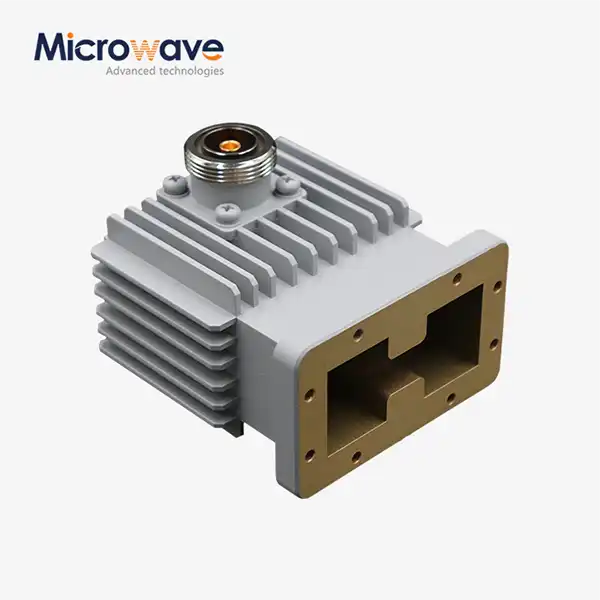 VIEW MOREHigh Power Waveguide to Coaxial Adapter
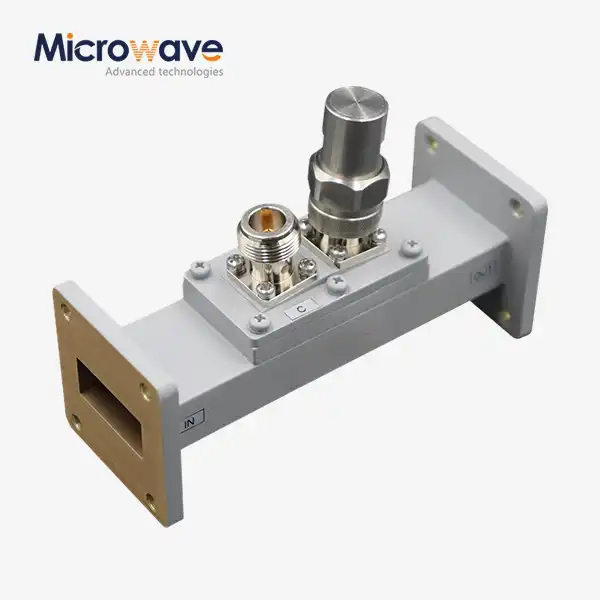 VIEW MOREWaveguide Loop Coupler
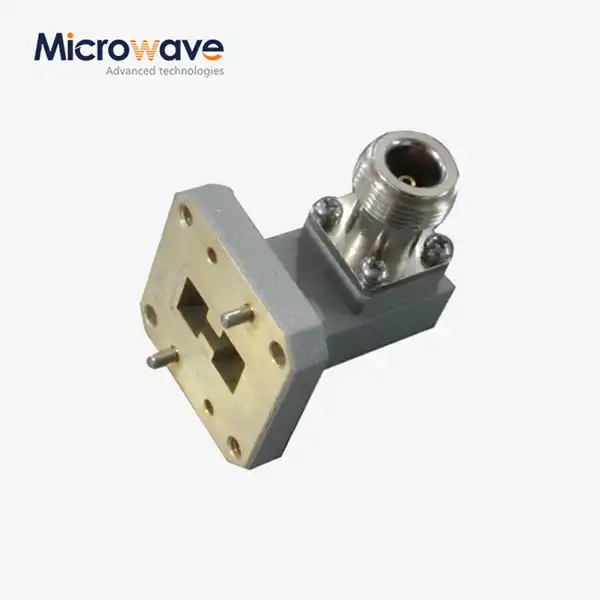 VIEW MORERight Angle Double Ridged WG To Coaxial Adapter
 VIEW MOREEnd Launch Double Ridged WG To Coaxial Adapter
 VIEW MORERight Angle Waveguide to Microstrip Adapter
 VIEW MOREE-Plane Tee
 VIEW MOREH-Plane Tee
 VIEW MORECrossguide Directional Coupler