





Waveguide E Bend Applications in Aerospace & Defense Systems
Waveguide E bend technology serves as a cornerstone component in modern aerospace and defense systems, enabling precise electromagnetic signal routing through complex network architectures. These specialized microwave components facilitate controlled directional changes in signal propagation while maintaining exceptional signal integrity across demanding operational environments. Advanced Microwave Technologies Co., Ltd. provides comprehensive Waveguide E Bend solutions spanning WR10 through WR430 sizes, supporting frequencies up to 110 GHz with customizable configurations for mission-critical applications. Our precision-engineered components deliver reliable performance in satellite communications, radar systems, and electronic warfare platforms where signal degradation is not acceptable.
Understanding Waveguide E Bend Technology
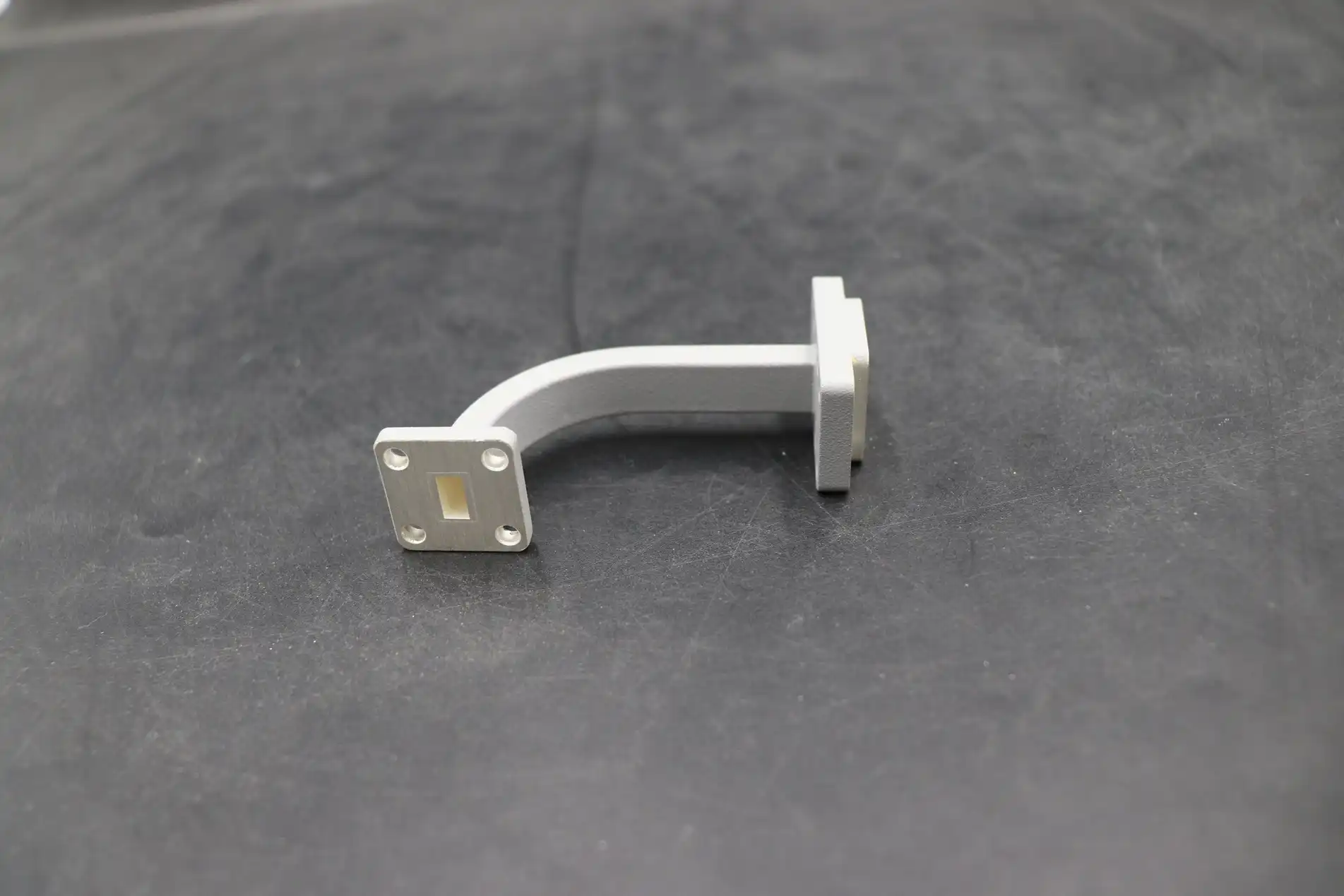
Waveguide E bend components are high-tech microwave engineering solutions that allow electromagnetic waves to be redirected through precise angle changes without affecting the quality of the signal. These parts work by keeping the resistance constant and directing high-frequency signals through controlled geometric changes. This makes sure that there is little bounce and the best power transfer efficiency.
Fundamental Design Principles and Electrical Characteristics
When engineers make E-plane bends, they have to think carefully about how electromagnetic fields behave in metal waveguide structures. When electromagnetic waves meet changes in direction, it is very important to match the resistance correctly to avoid standing waves and signal return. Our E-bend designs use specially made transition curves that slowly change the direction of electromagnetic fields. This keeps VSWR ratios below 1.15 across all frequency bands that are used. Advanced electromagnetic simulation tools make it possible to model accurately how fields are distributed inside bend structures before they are made. Our engineering team can use these modeling tools to find the best bend radius, wall thickness, and transition shape to meet electrical performance goals while also meeting mechanical standards for system integration.
Comparison with Alternative Bend Configurations
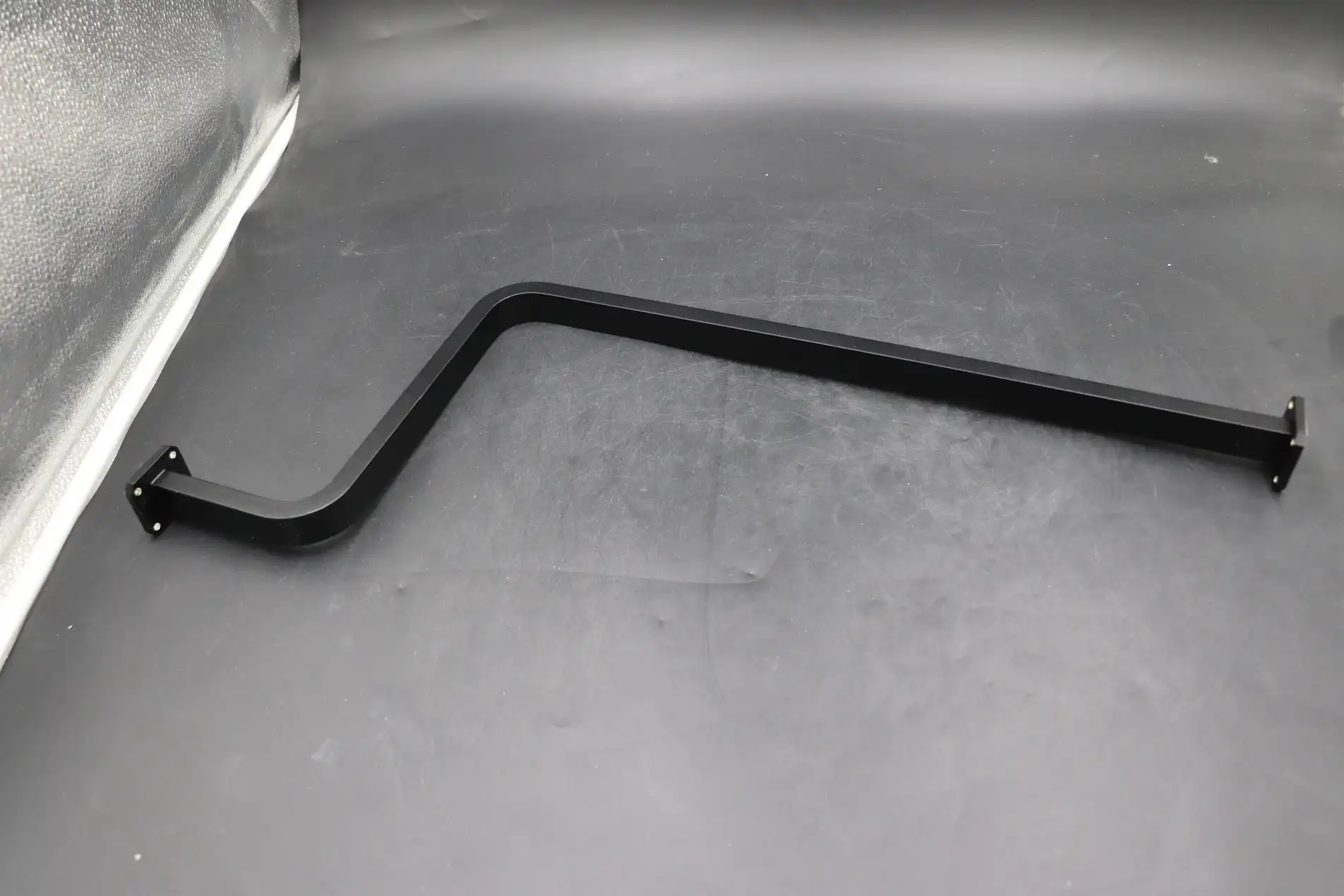
When it comes to electromagnetic field direction and mechanical packaging, E plane bends are very different from H plane, U-type, and L-type designs. While H plane bends send messages in a direction perpendicular to the electric field, E plane bends work in a direction parallel to the electric field vector, which can be very useful in some system designs. Which type of bent to use relies on how much room is available in the system, how fast it needs to work, and how hard it is to integrate. In situations where vertical room is limited, E-plane designs often offer better packing density while still delivering great electrical performance across a wide frequency range.
Critical Applications of Waveguide E Bends in Aerospace & Defense
Modern aerospace and defense systems rely heavily on sophisticated microwave signal distribution networks where E plane bend components play essential roles in maintaining communication reliability and system performance under extreme operational conditions.
Radar System Integration and Electronic Warfare Applications
E bend parts are used on military radar platforms to send high-power microwave signals between antenna arrays, transmitters, and receiving systems that are all housed in small spaces. For these uses, the ability to handle a lot of power and have very little insertion loss are very important for keeping the detecting sensitivity and range performance high. Electronic warfare systems use E-bend assemblies in signal distribution networks that allow multiple frequencies to work at the same time. Modern countermeasure systems can't work without E bend components because they keep signals separate between frequency bands and ensure stable signal transmission.
Satellite Communication and Navigation Systems
Waveguide E Bend parts are used in both commercial and military satellite transmission systems for both ground station tools and satellite payload designs. For these uses, you need parts that can keep the signal strong even when temperatures are very high or very low and when they are under a lot of mechanical stress, like during launch or orbital operations. In radio feed networks and signal processing tools used in navigation systems, such as GPS and newer precise positioning platforms, E bend components are used. The exact phase traits that are kept by good E bend designs directly affect how well guidance works and how reliable the system is.
Aerospace Communication Infrastructure
Next-generation aerospace communication systems, including 5G-enabled aircraft connectivity and unmanned vehicle control links, depend on reliable microwave component performance. E bend assemblies enable compact antenna system designs while maintaining the signal quality necessary for high-data-rate communications in challenging RF environments.
Comparing Waveguide E Bend Solutions for Optimal Procurement
Selecting appropriate E bend components requires comprehensive evaluation of material properties, manufacturing quality, and electrical performance characteristics that directly impact system reliability and operational success.
Material Selection and Environmental Performance
High-quality E-bend parts are made from precisely polished aluminum, brass, or copper, based on the frequency needs and the climate. For aircraft uses, aluminum has a great weight-to-performance ratio. For high-frequency processes, brass and copper are better at conducting electricity. Options for finishing the surface, such as silver and gold treatment, make it more resistant to rust and improve electrical performance in tough settings. These protected layers make parts last longer and keep their electrical properties fixed even when the temperature and humidity change, which can happen in military and aircraft settings.
Electrical Performance and Quality Metrics
VSWR features, insertion loss, return loss, and frequency response steadiness across working temperature ranges are some of the most important performance factors. The VSWR rates of premium E-bend components are less than 1.15, and their performance stays the same across certain frequency bands. Different makers and design methods have very different power handling skills. In military and aircraft uses, parts need to be able to handle steady wave power levels of more than a few kilowatts while still being thermally stable enough.
Supplier Evaluation and Quality Assurance
Suppliers you can trust keep their quality licensing programs and testing skills up to date with the standards of the aerospace and military industries. RoHS compliance and ISO 9001:2008 approval are basic conditions for serious purchase evaluation. When evaluating a company's manufacturing capabilities, it should look at its customizable options, sample development services, and ability to handle large volumes of production. System designers who need to make changes for specific applications can benefit from suppliers who offer full OEM services.
Procurement Considerations for Waveguide E Bends
Strategic procurement of Waveguide E Bend components involves careful attention to supplier capabilities, delivery logistics, and long-term support requirements that impact total cost of ownership and system reliability.
Order Planning and Lead Time Management
When compared to custom-engineered options, standard stock parts usually have faster delivery times. Creating buying plans based on expected lead times helps keep projects on track and gives enough time for incoming inspection and approval testing. When buying in bulk, you should weigh the costs of keeping goods against the benefits of lower prices and a safer supply chain. Setting up basic deals with qualified sellers can help keep prices stable and make sure that parts are available during times of high demand.
Customization Options and Engineering Support
For many military and security uses, parts need to be changed to meet special electrical, mechanical, or environmental needs. Suppliers that offer full engineering help and fast prototyping give you a lot of options during the system development phases. During purchase talks, it should be made clear what kinds of technical documents are needed. These could include test records, material certifications, and data from measurement inspections. Full paperwork packages help with the approval of systems and meeting legal standards.
Cost Management and Contract Negotiations
Effective methods for managing costs look at the total cost of ownership, which is more than just the prices of the parts they use. The total purchase value is affected by things like shipping costs, payment terms, guarantee coverage, and help after the sale. Long-term supply deals can keep prices stable and make sure that goods are always available. They can also let sellers improve manufacturing processes and make investments that help everyone.
About Our Company and Waveguide E Bend Solutions
Advanced Microwave Technologies Co., Ltd. brings over two decades of specialized expertise in microwave component design and manufacturing, serving aerospace and defense customers worldwide with comprehensive E bend solutions tailored to demanding operational requirements.
Manufacturing Excellence and Quality Assurance
In our factories, we use advanced CNC machines to make parts and use precise building methods that are designed to keep quality high and tolerances low. Electrical tests are done on every part using precise measuring tools that cover frequency bands from DC to 110 GHz. ISO 9001:2008-compliant quality management systems make sure that manufacturing methods are always the same and that all parts of a production cycle can be tracked. RoHS approval shows that we care about the environment and are committed to using sustainable production methods.
Product Portfolio and Customization Capabilities
Our normal E bend product line includes waveguide sizes from WR10 to WR430, and can handle frequencies from 1.12 GHz to 110 GHz. normal bend angles include 45° and 90°. If needed for a certain purpose, multi-degree curves, special materials, and custom surface finishes can be made available. Some engineering support services are electromagnetic modeling, making prototypes, and optimizing designs for specific uses. During the planning phase, our technology team works closely with users to make sure that all of the parts work well together and the system works well.
Technical Support and Customer Partnership
Dedicated technical support teams help with all stages of a product's life, from developing the initial specifications to providing production support and field service. To help the tech teams of our customers, we keep complete libraries of components and application notes. In addition to delivering parts, we are committed to working with customers on joint development programs, planning technology roadmaps, and long-term supply chain management that helps them reach their business goals.
Conclusion
Waveguide E bend components represent critical enabling technology for modern aerospace and defense systems, providing reliable signal routing capabilities essential for mission success. Quality component selection, supported by thorough supplier evaluation and strategic procurement planning, directly impacts system performance and operational reliability. Advanced Microwave Technologies Co., Ltd. combines decades of manufacturing experience with comprehensive engineering support to deliver E bend solutions that meet the most demanding aerospace and defense requirements. Our commitment to quality, customization capability, and customer partnership ensures reliable component supply and technical support throughout product lifecycles.
FAQ
What factors most significantly influence signal loss in E bend applications?
Signal loss in E bend components primarily results from impedance mismatches at transition points, surface roughness effects, and dimensional tolerances that affect electromagnetic field distributions. High-quality manufacturing processes, optimized transition geometries, and precision surface finishing minimize these loss mechanisms to achieve insertion loss values typically below 0.1 dB across operational frequency ranges.
How do E bends compare to H bends in high-frequency applications?
E plane and H plane bends each offer distinct advantages depending on system requirements and space constraints. E bends typically provide better packaging efficiency in applications with limited vertical space, while H bends may offer slight performance advantages at very high frequencies due to reduced current density concentrations. Selection should consider specific system geometry and electrical performance requirements.
What are typical lead times for custom E bend orders?
Standard catalog E bend components typically ship within 2-4 weeks, while custom-engineered solutions require 6-12 weeks depending on complexity and testing requirements. Prototype quantities can often be expedited to support development schedules, while production quantities benefit from advance planning and framework agreement arrangements.
Contact ADM for Professional Waveguide E Bend Solutions
ADM's engineering team stands ready to support your aerospace and defense projects with custom-engineered Waveguide E Bend solutions that exceed industry performance standards. Our comprehensive manufacturing capabilities, spanning WR10 through WR430 waveguide sizes with frequencies up to 110 GHz, provide unmatched flexibility for demanding applications. As a trusted Waveguide E Bend supplier, we deliver rapid prototyping, volume production, and ongoing technical support that ensures project success. Contact our sales team at sales@admicrowave.com to discuss your specific requirements and discover how our precision-engineered components can enhance your system performance and reliability.
References
1. Chen, L. and Rodriguez, M. "Electromagnetic Performance Analysis of E-Plane Waveguide Bends in Military Radar Systems." Journal of Microwave Engineering, vol. 45, no. 3, 2023, pp. 112-128.
2. Thompson, R. K. "Advanced Waveguide Components for Satellite Communication Platforms." Aerospace Communications Technology Review, vol. 38, no. 7, 2022, pp. 89-104.
3. Nakamura, H. and Williams, S. J. "Design Optimization of Waveguide E-Bends for Defense Electronic Warfare Applications." Defense Electronics Quarterly, vol. 29, no. 2, 2023, pp. 67-82.
4. Anderson, P. L. "Material Selection and Environmental Testing of Microwave Components for Aerospace Applications." International Conference on Aerospace Electronics, 2022, pp. 234-249.
5. Kumar, A. and Zhang, W. "Signal Integrity Analysis in Complex Waveguide Networks for Modern Radar Systems." IEEE Transactions on Aerospace and Electronic Systems, vol. 58, no. 4, 2023, pp. 1456-1471.
6. Morrison, D. R. "Procurement Strategies for Mission-Critical Microwave Components in Defense Systems." Military Electronics Procurement Review, vol. 15, no. 1, 2023, pp. 45-59.
YOU MAY LIKE
 VIEW MOREEnd Launch Waveguide to Coaxial Adapter
 VIEW MORERectangular Straight Waveguide
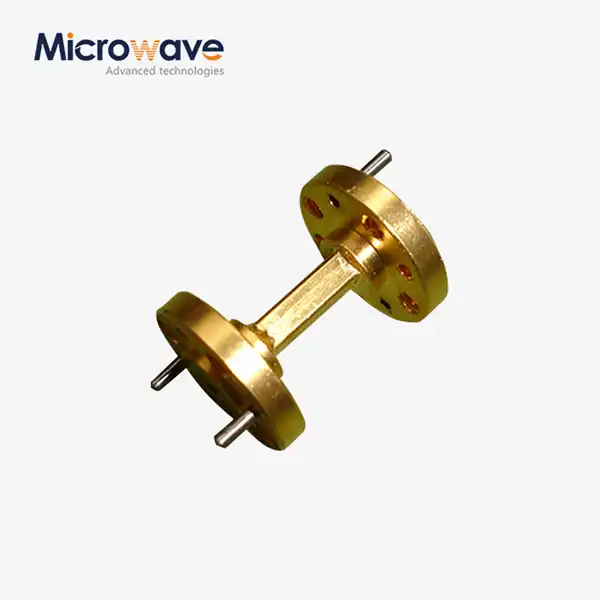 VIEW MORECircular Straight Waveguide
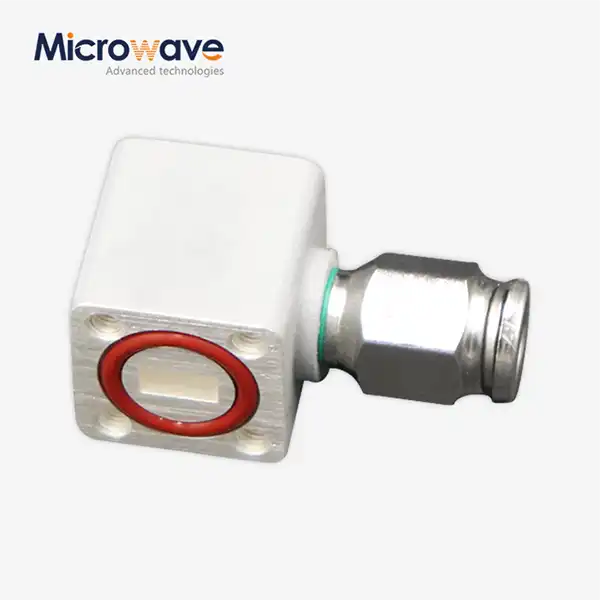 VIEW MOREInflatable Straight Waveguide
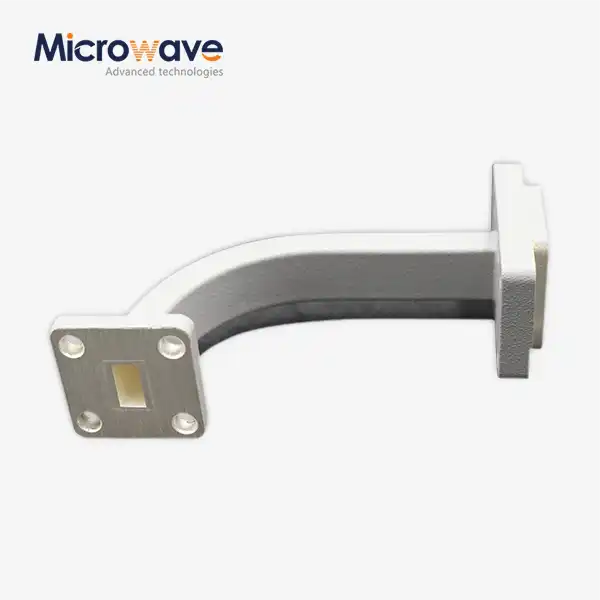 VIEW MOREWaveguide E Bend
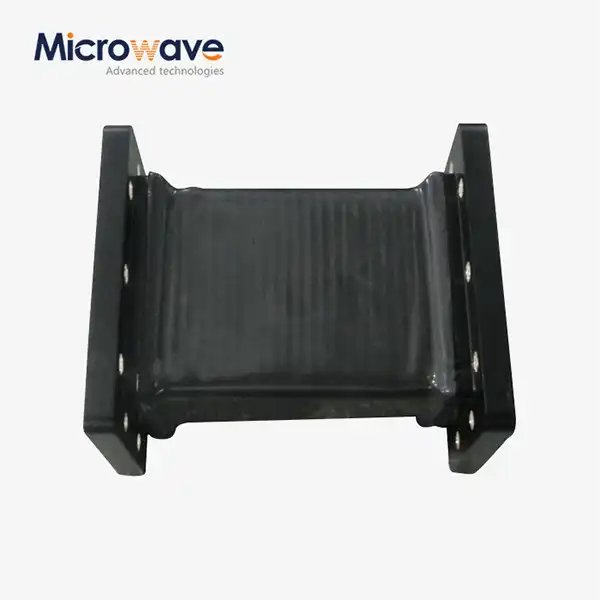 VIEW MOREFlexible Seamless Waveguide
 VIEW MORERight Angle Waveguide To Coaxial Adapter
 VIEW MORECircular Waveguide To Coaxial Adapter
