





Waveguide Termination Design Guide for Workshop Systems
When making workshop systems for high-frequency RF and microwave uses, picking the right waveguide termination is an important engineering choice that has a direct effect on how well and how reliably the system works. A waveguide termination acts as a matched load that absorbs electromagnetic energy moving through waveguide structures and turns it into heat. It also stops harmful reflections that could hurt sensitive transmitter parts like magnetrons, klystrons, and solid-state power amplifiers. The right waveguide termination design saves expensive equipment from reflected power, keeps signals intact, and allows accurate system calibration in testing settings that must not radiate.
Understanding Waveguide Termination: Fundamentals and Functions
In microwave systems, waveguide terminations are very important because they collect energy, get rid of standing waves, and keep source equipment safe from mirrored signals. An open-ended waveguide sends energy out into space or makes echoes that are hard to predict. A properly designed waveguide termination, on the other hand, fits the transmission line's characteristic impedance, making sure that very little energy bounces back toward the source.
Core Functions in RF Systems
A waveguide termination's main job is to do three very important things. It takes in extra RF energy that would otherwise bounce back into emitters and mess up the frequency or break a part. It keeps the integrity of the signal by lowering noise levels and making measures of return loss better across all operating bandwidths. It also offers a stable reference load during testing processes, which lets engineers check the system's performance without sending signals into the environment.
Common Termination Types and Materials
These days, there are two main ways to build waveguide terminations. Materials like carbon-loaded ceramics or silicon carbide are examples of resistive loads. These materials use resistive heating to change electromagnetic energy into thermal energy. These systems work great in high-power situations where controlling heat is important. Dielectric loads use low-loss absorbing materials that weaken signals gradually along the length of the waveguide. They come in small sizes that are good for low-power uses. The choice of material has a big effect on how well something works. Carbon-loaded ceramics are great at moving heat and handling power up to several kilowatts, which makes them perfect for protecting radar transmitters. In aerospace settings where temperatures change a lot, silicon carbide performs better at higher temperatures, which increases working reliability. Knowing these qualities of materials helps buying teams choose parts that meet the thermal and power needs of particular applications.
Key Design Principles for Effective Waveguide Termination in Workshop Systems
To make waveguide terminations that work well, you have to balance a lot of performance factors that have a direct effect on how well the system works and how long it lasts. To get the best results in workshops where equipment is constantly being tested and calibrated, engineers need to think about things like voltage standing wave ratio, power handling capacity, and heat cooling strategies.
VSWR and Return Loss Requirements
The most important efficiency measure for waveguide terminations is the voltage standing wave ratio. If the VSWR is 1.2:1 or better across the working span, then less than 1% of the power that comes in will be reflected toward the source. When protecting traveling wave tube amplifiers or solid-state receivers, this standard is very important because even small reflections can cause safe shutdowns or slow performance over time. Measurements of return loss add to VSWR standards by giving a decibel-level value to the returned power. High-quality waveguide terminations have return loss values greater than 20 dB. This means they have excellent impedance matching, which keeps system noise levels low and lets the network analyzer take accurate readings during calibration processes.
Power Handling and Thermal Management
Power handling potential tells you if a waveguide termination can safely take in energy without getting too hot or breaking permanently. Systems used in workshops to test high-power radar devices or satellite ground station amplifiers need waveguide terminations that can handle constant power levels of several kilowatts to hundreds of watts. Designs that are effective are different from those that are likely to fail because of how well they handle heat. Air-cooled waveguide terminations have metal housings with fins that let heat escape naturally through airflow. They are good for uses with less than 500 watts of power. Water-cooled designs move coolant through internal pathways, which lets them run continuously at multi-kilowatt power levels without losing performance due to changes in temperature. During the planning process, thermal models find hot spots and help find the best ways to cool things down before the prototypes are made.
Comparing Related Load Components
Engineers can make better selection decisions when they know how waveguide terminations are different from similar parts. Waveguide terminations and matched loads do the same thing, so the terms are often used equally in technical documents. Dummy loads are usually waveguide terminations that are made to test transmitters without radiation, with a focus on taking a lot of power and being strong. Antenna loads are a bigger group that includes both waveguide terminations that are perfectly matched and parts that are purposely mismatched in impedance that are used for VSWR stress testing. Keeping a collection of both matched and purposely mismatched waveguide terminations is helpful for workshop use. When matched units are used, they allow for accurate calibration and safe equipment protection. On the other hand, unmatched models with VSWR rates of 3:1 make sure that the transmitter safety circuits work correctly when an antenna is disconnected.
Selecting the Right Waveguide Termination: Comparison and Decision-Making Guide
To pick the best waveguide termination, you need to carefully consider the frequency needs, the purpose, and the supplier's skills. Different operating situations, such as calibrating a radar system or protecting a satellite transmission, have different technical requirements that affect how parts are chosen.
Frequency-Specific Considerations
Waveguide size and suitable waveguide termination schemes are based on the operating frequency. X-band systems that work between 8 and 12 GHz use WR-90 waveguide dimensions. This means that the waveguide terminations need to have exact internal shapes that keep the impedance matched across the band. Smaller WR-62 parts are needed for Ku-band uses, but as you move into millimeter-wave land with Ka-band systems, manufacturing tolerances become more important. Broadband waveguide terminations can handle a wider range of frequencies, but their peak performance is often worse than that of narrowband designs that are better suited to certain uses. When it comes to radar workshop systems, narrowband waveguide terminations provide better VSWR performance within working bandwidths. On the other hand, study labs that need to be flexible across multiple frequency bands prefer broadband designs, even though they make some performance compromises.
Application Context and Performance Trade-offs
Radar system classes focus on making sure that the systems they work on can handle a lot of power and are built to last, so they can be connected and disconnected many times during testing. Waveguide terminations used in these situations have strengthened edges and strong internal structures that keep working even when they are under a lot of mechanical stress. Ground stations for satellite communications choose waveguide terminations with conservative power derating and materials that don't break down easily in harsh environments to ensure long-term dependability and thermal stability. For defense applications, it's necessary to have safe supply lines and follow military rules about where to get materials and how to record production.
Supplier Evaluation Criteria
Working with well-known makers guarantees consistent quality and expert help throughout the whole process of buying something. Material certifications that show the composition of a part passes RoHS and other legal requirements are important evaluation factors. Instead of single-frequency measures that hide differences in performance, VSWR specifications should include test results across the whole working bandwidth. Power rates need to separate peak handling capacity from constant handling capacity. This keeps devices from accidentally overloading during long test sessions. The warranty terms show that the maker trusts the product to work well. Comprehensive guarantees that cover production flaws and performance loss show that the company cares about quality, while limited coverage could lead to reliability issues. Getting providers to provide specific datasheets, thermal modeling data, and application notes speeds up the merging of systems and cuts down on the time engineers spend validating components.
Procurement Strategies: How to Buy the Best Waveguide Termination for Workshop Systems?
A successful buying process includes more than just figuring out the technical requirements. It also involves managing relationships with suppliers, setting prices, and coordinating logistics. All of these factors affect the total cost of ownership and the success of the project.
Partnering with Reputable Manufacturers
There are several well-known makers of microwave parts who are known for their steady quality and new ideas. Defense, aerospace, and telecoms companies like API Technologies, HUBER+SUHNER, and Pasternack have built strong names over many years of service. Their large product catalogs cover a wide range of frequency bands and power levels, making it easier to choose the right parts for different workshop needs. Advanced Microwave Technologies Co., Ltd has become a strong option because it has been making products for over 20 years, is ISO 9001 certified, and follows RoHS rules. We are experts in making waveguide terminations that are used in defense, aircraft, and satellite communications. We serve customers who need precise parts that are backed by strict quality control. We can measure up to 110 GHz and have a state-of-the-art 24-meter microwave lab for testing antennas. Our technical depth is on par with that of well-known Western makers, but our prices are lower.
Understanding Pricing Structures
Waveguide termination price is strongly linked to the amount of power it can handle and how complicated the design is. Standard air-cooled units with a 100-watt rating usually cost between $200 and $500, making them affordable options for most workplace uses. Designs that are cooled by water and can handle multiple kilowatts of power cost between $2,000 and $10,000 more than other designs. This is because they need more advanced thermal engineering and materials to work in harsh circumstances. Custom solutions are made to meet specific needs that can't be met by standard store items. Custom engineering is helpful for situations that need non-standard frequency bands, flange setups, or monitoring sensors that are built in, even though it takes longer and costs more per unit. When off-the-shelf options hurt system efficiency or require expensive workarounds, the investment becomes worth it.
Logistics and After-Sales Considerations
Lead times are very different depending on how complicated the product is and where the maker is located. Standard waveguide terminations from well-known providers usually ship within two to four weeks. Custom designs, on the other hand, need eight to twelve weeks for engineering, prototyping, and production approval. By planning buying timelines around project goals, delays that throw off schedules for system integration can be avoided. Customers who combine purchases for multiple jobs or build up inventory for ongoing upkeep needs can get discounts when they place a bulk order. When you agree on the same waveguide termination models for all of your facility's workshop systems, you can negotiate better prices on a larger scale. This makes managing extra parts easier and lowers the cost per unit. Support after the sale is what sets great sellers apart from those who just do a good job. Configuration mistakes that slow things down can be avoided with technical help during installation. Support for troubleshooting quickly fixes practical problems, reducing downtime in work settings. Calibration services and performance proof keep parts accurate over their entire useful lives, making sure that measures can always be traced back to national standards.
Best Practices and Future Trends in Waveguide Termination Design
To keep waveguide terminations working at their best, you need to follow tried-and-true methods and stay up to date on new technologies that promise to make next-generation workshop systems more powerful.
Operational Best Practices
Protocols for regular inspections find possible problems before they get worse and cause breakdowns. Corrosion on the flange surfaces, which breaks down electrical contact, can be seen visually. Abnormal temperature patterns seen on thermal imaging show that the inside is breaking down. Regular VSWR readings make sure that performance stays within the acceptable range, which means that worn-out waveguide terminations need to be replaced before they affect the accuracy of the system. When you fix something correctly, you protect the purity of the parts and make sure they work as expected. Flange bolt torque requirements stop both under-tightening, which makes electrical contact poor, and over-tightening, which damages sealing surfaces. Alignment steps reduce the amount of mechanical stress on waveguide surfaces, which keeps impedance matching and increases the operating life.
Material Innovations and Advanced Designs
New developments in absorber materials offer better performance at higher power levels and frequencies. Nanostructured ceramics have better heat conductivity and low dielectric losses, which lets designers make smaller devices that can handle the same amount of power. Composite materials that contain carbon nanotubes are more stable at high temperatures and keep their impedance matching over a wider range of temperatures that are common in tough settings. Smart diagnostics are a new trend that gives the ability to watch passive waveguide termination components in real time. Embedded temperature monitors provide constant thermal data, which lets predictive maintenance plans replace parts based on how they've actually worked in the past instead of safe replacement schedules. Integrating with building tracking systems lets engineers know right away when something is wrong, which keeps related equipment from getting damaged again.
Preparing for Millimeter-Wave Applications
As 5G communications and car radar continue to move into millimeter-wave bands, the need for waveguide terminations that work above 40 GHz grows. Surface roughness and physical changes that don't matter much at X-band frequencies have a big effect on performance at V-band and W-band, so these use stricter manufacturing standards and material requirements. Using additive manufacturing methods could help make small devices with complex internal shapes that improve impedance matching and heat dissipation. As these technologies improve, they will make unique designs more affordable that were previously only possible through expensive traditional cutting. This will make high-performance waveguide terminations more available to everyone for research and development uses.
Conclusion
Waveguide terminations are important parts of workshop systems because they protect sensitive equipment and make it possible to take accurate readings and calibrate systems. To apply something successfully, you need to know basic design principles, check the skills of your suppliers, and follow best practices for setup and upkeep. Staying up to date on new materials and technologies is important for workshops to stay competitive as microwave systems move toward higher frequencies and higher power levels. Teams in charge of procurement get solid parts that last a long time and work well by working with experienced makers who offer full technical support.
FAQ
Q1: What role does proper waveguide termination play in preventing equipment damage?
How does the right waveguide termination keep items from getting damaged? Waveguide terminations take in reflected energy that would have gone back to transmitters and amplifiers otherwise. This could have caused arcing, frequency pulling, and the loss of the component for good. Without proper closure, even small reflections can cause standing waves that put stress on active devices, shortening their useful lives and causing safe shutdowns during important operations.
Q2: How do I select terminations for radar workshop systems?
In a radar workshop, how do I choose the waveguide terminations? When used for radar, the waveguide terminations need to be rated for high power levels with safety margins that are modest, usually 150% of the maximum transmission output. It is best to choose designs with VSWR values lower than 1.2:1 across all operating bandwidths, and make sure that the thermal ratings allow for continued operation during long test runs.
Q3: What lead times and customization options do suppliers offer?
What lead times do suppliers offer, and what customization choices do they have? Most standard catalog waveguide terminations ship in two to four weeks, but unique patterns take eight to twelve weeks. For non-standard frequency bands, custom flanges, and built-in tracking systems, leading makers offer technical support. Advanced Microwave Technologies Co., Ltd. has over 20 years of engineering experience and can offer fast prototyping services as well as open customization. They can make solutions that are exactly what a workshop needs.
Partner with ADM for Superior Waveguide Termination Solutions
Advanced Microwave Technologies Co., Ltd. is ready to help you with your workshop system needs by making waveguide terminations that are precisely designed and meet the highest standards in the industry. Our wide range of products covers frequencies from X-band to W-band, and we offer both regular catalog items and unique solutions made to fit your needs. We are an experienced maker of waveguide terminations that are in line with RoHS and ISO 9001 standards. We offer low prices and great customer service. During the selection process, our engineering team gives you expert advice to make sure you get the best part specs for your radar, satellite communication, or study needs. Contact craig@admicrowave.com right away to talk about your needs and get full technical specs along with competitive quotes that show how much we care about the success of your project.
References
1. Pozar, David M. Microwave Engineering, 4th Edition. Wiley, 2011.
2. Marcuvitz, Nathan. Waveguide Handbook. IEEE Press Series on Electromagnetic Wave Theory, 1986.
3. Saad, Theodore S. Microwave Engineers' Handbook, Volume 1. Artech House, 1971.
4. Baden Fuller, A.J. Microwaves: An Introduction to Microwave Theory and Techniques. Pergamon Press, 1990.
5. Collin, Robert E. Foundations for Microwave Engineering, 2nd Edition. Wiley-IEEE Press, 2001.
6. Harvey, A.F. Microwave Engineering. Academic Press, 1963.
YOU MAY LIKE
 VIEW MORELog Periodic Antenna
 VIEW MORESlotted Waveguide Array Antenna
 VIEW MOREOpen Boundary Dual Linear Polarization Four Ridged Horn Antenna
 VIEW MOREConical Dual circular Polarization Horn Antenna
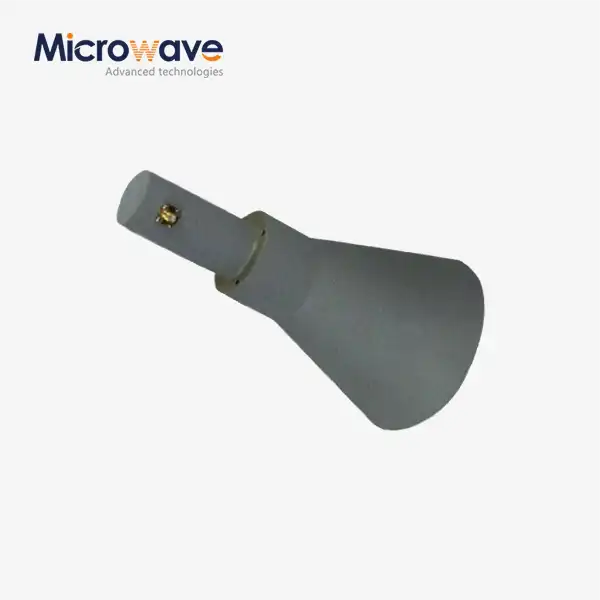 VIEW MORELadder Membrane Conical Dual circular Polarization Horn Antenna
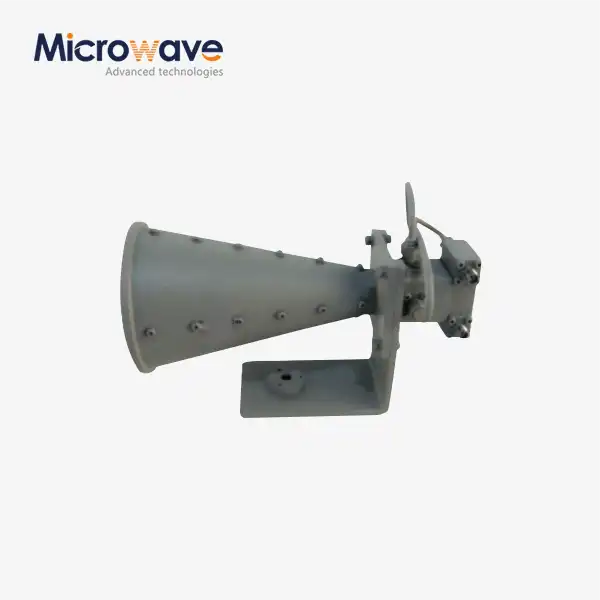 VIEW MOREDual Linear Broadband Dual Circular Polarization Horn Antenna
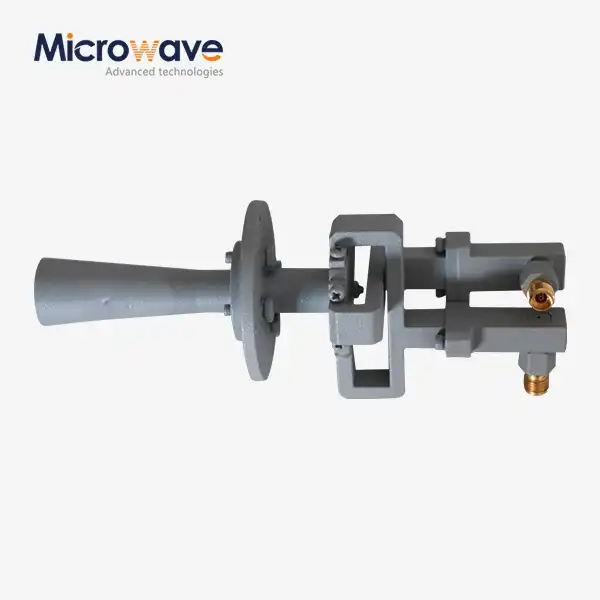 VIEW MOREConical Linear Polarization Horn Antenna
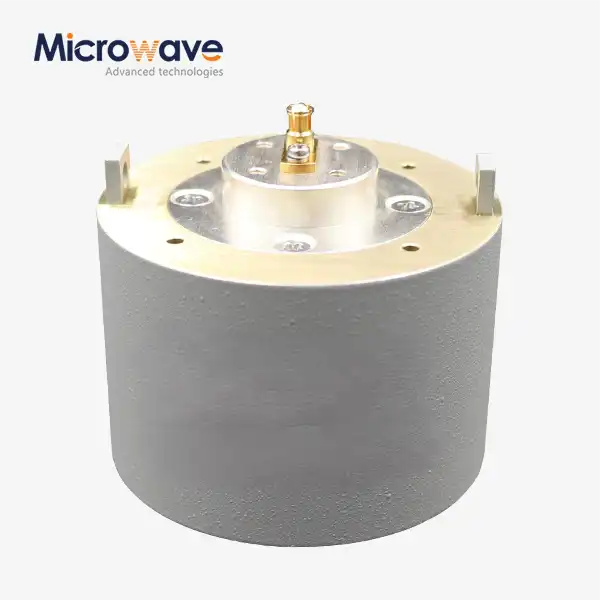 VIEW MOREPlanar Spiral Antenna