




Coaxial Load Applications in Telecom and Test Systems
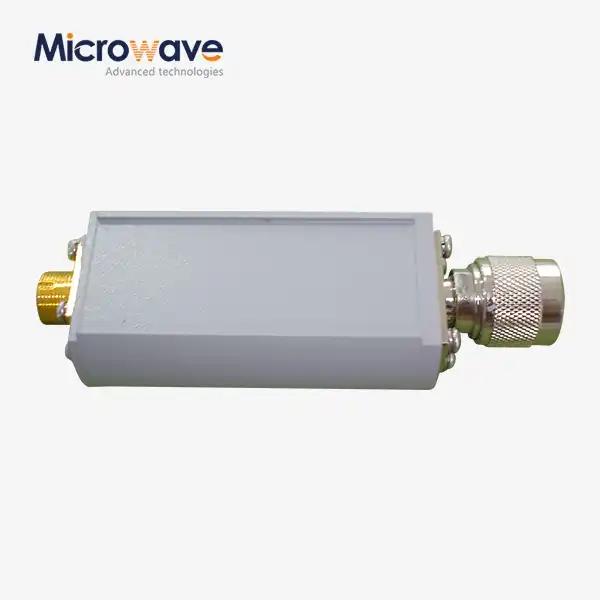
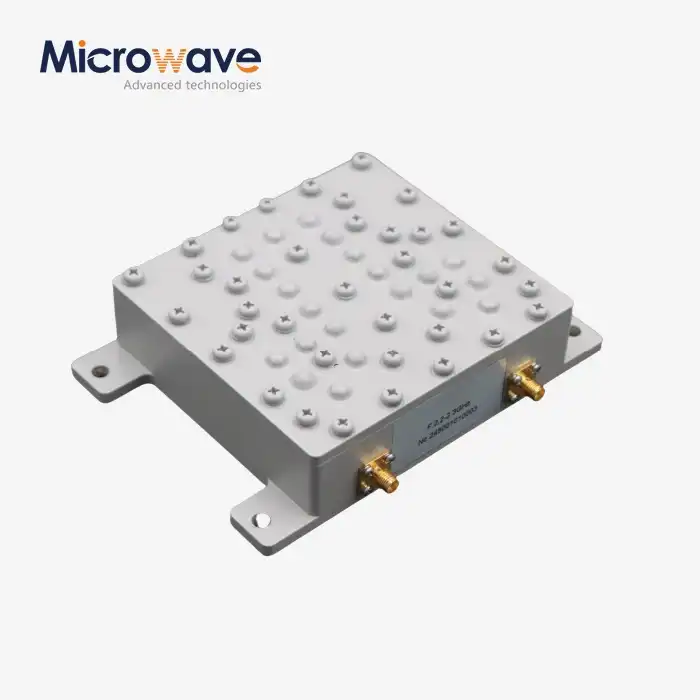
Coaxial Load applications in telecom and test systems serve as critical termination components that absorb radio frequency energy while maintaining precise impedance matching. These passive devices prevent signal reflections, protect sensitive equipment from damage, and ensure optimal system performance across various telecommunications infrastructure, laboratory testing environments, and measurement applications. By converting unwanted RF energy into heat, coaxial loads enable engineers to maintain signal integrity and achieve accurate calibration results.
Understanding Coaxial Load Fundamentals in Modern RF Systems
Telecommunications and testing situations request remarkable exactness when overseeing radio recurrence signals. A coaxial stack acts as the basic end point that changes possibly destructive reflected vitality into sensible warm scattering. This change anticipates voltage standing wave proportion issues that might compromise whole communication networks. Modern media transmission frameworks work over progressively complex recurrence ranges. Base stations dealing with 5G signals require loads able of overseeing different recurrence groups at the same time. The impedance coordinating characteristics ended up especially pivotal when managing with control enhancers that taken a toll hundreds of thousands of dollars. A single reflection occasion seem crush these costly components inside milliseconds. Test frameworks confront comparable challenges but with distinctive prerequisites. Research facility situations require loads that keep up reliable electrical characteristics over temperature varieties and amplified testing periods. The reflection coefficient must stay steady whereas professionals conduct hundreds of estimations all through a single testing session. Advanced Microwave Advances recognizes these challenges through our 20+ a long time of involvement serving broadcast communications and test gear producers. Our CL arrangement coaxial loads provide the unwavering quality that mission-critical applications request, supporting recurrence ranges from DC to 110 GHz whereas keeping up predominant VSWR performance.
Key Applications of Coaxial Loads in Telecommunications Infrastructure
Base Station Testing and Commissioning
Cellular base stations require broad testing some time recently actuation to guarantee legitimate flag transmission without impedances. Coaxial loads supplant radio wire associations amid introductory power-up methods, permitting professionals to confirm transmitter usefulness without transmitting unauthorized signals. This prepare secures adjacent communication frameworks whereas empowering total framework validation. During commissioning stages, engineers interface high-power loads to transmitter yields and steadily increment control levels. This technique recognizes potential issues some time recently the base station enters commercial benefit. The stack must handle ceaseless wave control whereas keeping up steady warm characteristics all through expanded testing periods. Network administrators spare noteworthy time utilizing quality terminations amid support windows. Instep of detaching radio wire frameworks, professionals can rapidly switch to sham loads for investigating strategies. This approach minimizes benefit interferences whereas guaranteeing intensive demonstrative capabilities.
Distributed Antenna System (DAS) Port Termination
Complex DAS establishments utilize half breed couplers and control dividers with numerous yield ports. Unused ports require appropriate end to avoid flag motions and keep up confinement between dynamic channels. Coaxial loads give the exact 50-ohm impedance required for ideal framework performance. Indoor DAS frameworks serving huge buildings confront one of a kind challenges with changing natural conditions. Temperature changes from HVAC frameworks can influence stack characteristics, possibly debasing in general arrange execution. High-quality terminations keep up steady electrical properties over wide temperature ranges. Public security DAS establishments request remarkable unwavering quality since crisis communications depend on continuous operation. Each ended harbour must work impeccably amid basic circumstances when lives may depend on clear communication channels.
Antenna System Isolation and Protection
Multi-antenna establishments require segregation between diverse communication administrations. Coaxial loads end unused recieving wire ports whereas support exercises happen on adjoining frameworks. This confinement avoids cross-coupling that may meddled with dynamic communication channels. Weather checking frameworks frequently co-locate different recieving wires serving distinctive recurrence groups. Legitimate end of dormant channels guarantees estimation precision whereas securing delicate accepting hardware from over-burden conditions. Satellite communication ground stations utilize loads amid recieving wire indicating strategies. Whereas professionals alter dish situating, the stack ensures touchy low-noise intensifiers from harm caused by indicating toward earthly impedances sources.
Critical Test System Applications
Vector Network Analyzer Calibration Standards
Precision measurement equipment requires extremely accurate calibration standards to ensure reliable results. Coaxial loads serve as reference terminations during VNA calibration procedures, providing the known impedance values needed for accurate S-parameter measurements. Laboratory-grade loads maintain exceptional stability across frequency and temperature variations. Research facilities conducting measurements over extended periods need terminations that won't drift and compromise measurement validity. The return loss characteristics must remain constant throughout lengthy experimental procedures. Aerospace testing laboratories require loads capable of handling high-power signals while maintaining measurement accuracy. Component testing for satellite systems involves power levels that would destroy standard terminations, demanding specialized high-power load designs.
Production Line Testing Applications
Manufacturing facilities testing RF components need loads that withstand continuous operation while maintaining measurement precision. Production testing involves thousands of test cycles daily, requiring terminations built for industrial environments with consistent electrical performance. Automated test equipment systems rely on load switching networks to efficiently test multiple device configurations. Each termination point must provide reliable impedance matching while withstanding frequent connection cycles without degradation. Quality control procedures often require simultaneous testing of multiple components. Load arrays enable parallel testing configurations that dramatically improve production throughput while ensuring each measurement meets required accuracy specifications.
Research and Development Laboratory Applications
Academic research facilities investigating new communication technologies need loads supporting experimental frequency ranges and power levels. Prototype testing often pushes components beyond standard specifications, requiring specialized termination solutions. Military research applications demand loads meeting stringent environmental requirements while maintaining precise electrical characteristics. Testing procedures may involve extreme temperature cycling, vibration, and other conditions that would compromise standard components. Commercial R&D laboratories developing next-generation wireless technologies require loads supporting millimeter-wave frequencies. The mechanical precision needed for reliable connections at these frequencies demands exceptional manufacturing tolerances.
Power Handling and Thermal Management Considerations
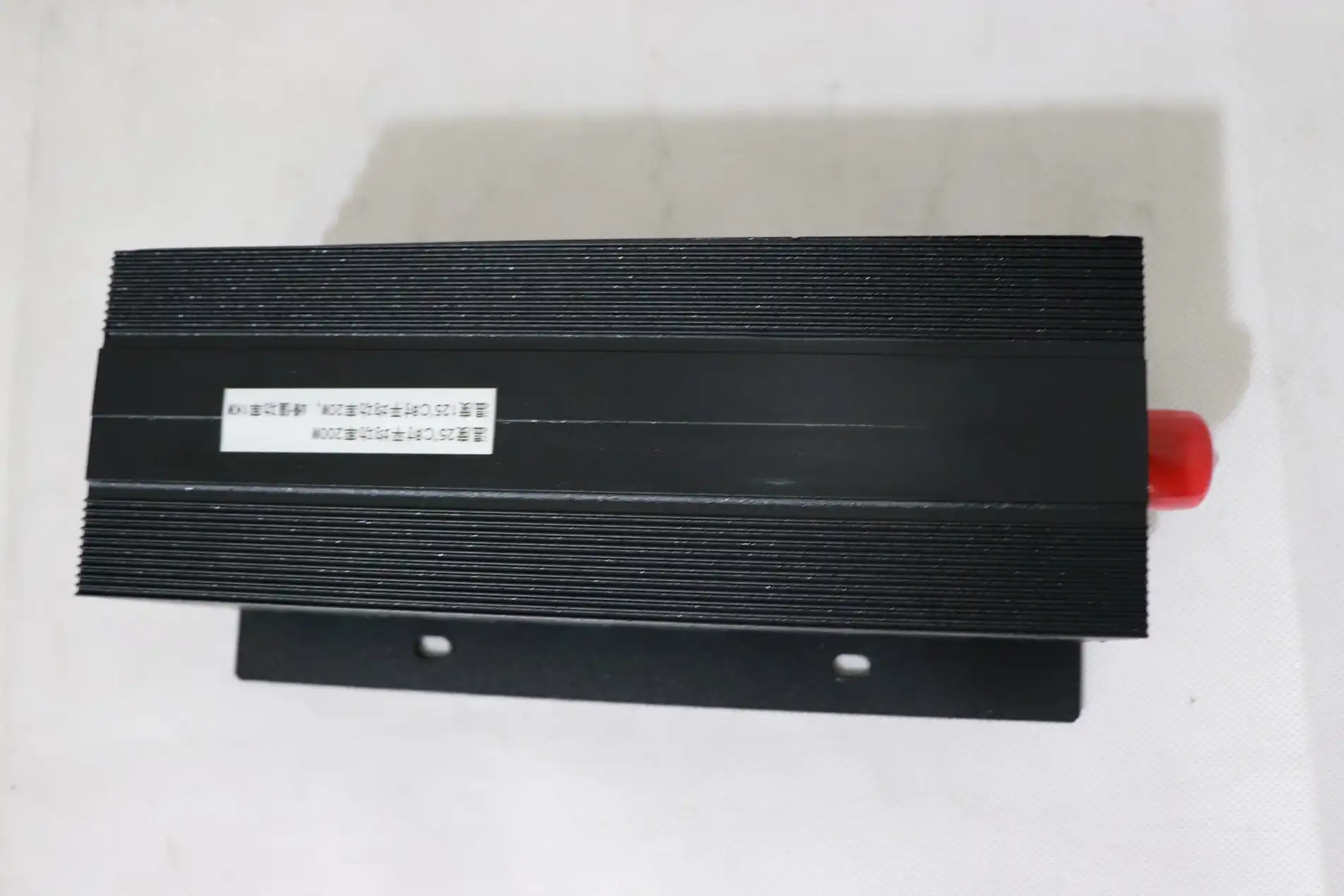
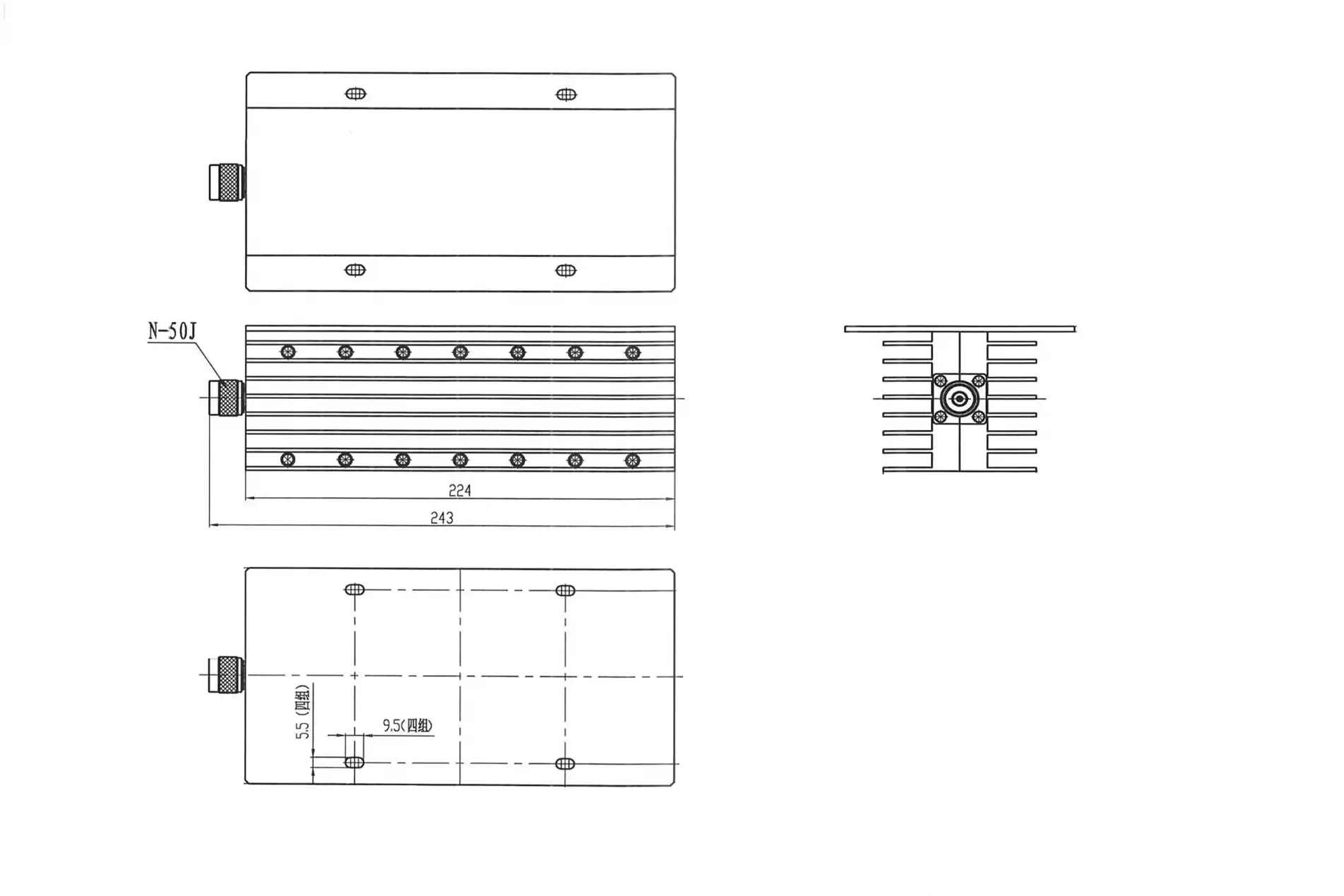
High-power applications present unique challenges for coaxial load design and implementation. Continuous wave power handling requires effective thermal management to prevent component damage while maintaining stable electrical characteristics. The relationship between power dissipation and frequency response becomes critical in demanding applications. Advanced thermal design incorporates heat-sinking strategies that efficiently transfer energy away from the resistive elements. Material selection plays a crucial role in thermal performance, with specialized alloys providing superior heat conduction while maintaining mechanical stability across temperature variations. Pulsed power applications create different thermal stress patterns compared to continuous wave signals. Peak power handling capabilities must account for thermal shock resistance while maintaining long-term reliability. Aerospace applications particularly benefit from loads designed for extreme thermal cycling conditions. Our engineering team at Advanced Microwave Technologies has developed proprietary thermal management techniques that enable superior power handling in compact form factors. These innovations result from decades of experience solving challenging thermal problems across diverse applications.
Quality Standards and Compliance Requirements
Telecommunications infrastructure demands components meeting rigorous quality standards to ensure reliable operation across extended service periods. ISO 9001 certification provides confidence that manufacturing processes consistently deliver products meeting specifications. RoHS compliance ensures environmental responsibility while maintaining performance requirements. Military and aerospace applications require additional certifications including MIL-DTL-39030 compliance for defense systems. These standards specify environmental testing procedures that verify component reliability under extreme conditions including temperature cycling, vibration, and shock resistance. Testing procedures verify electrical performance across specified frequency ranges while confirming power handling capabilities. Each load undergoes comprehensive verification testing before shipment, ensuring customers receive components that meet their specific application requirements. Traceability documentation provides complete records of component manufacturing and testing history. This documentation enables customers to maintain proper supply chain records while supporting quality assurance procedures throughout their organizations.
Benefits of Professional-Grade Coaxial Loads
Enhanced System Reliability
Professional terminations significantly improve overall system reliability by preventing damage from reflected power while maintaining consistent electrical characteristics throughout their service life. This reliability translates directly into reduced maintenance costs and improved system uptime for critical applications. Quality loads also provide superior electromagnetic interference suppression compared to inferior alternatives. Proper shielding prevents unwanted signals from coupling into sensitive circuits while maintaining signal integrity throughout the frequency range of interest.
Measurement Accuracy and Repeatability
Precision applications depend on consistent load characteristics to ensure accurate and repeatable measurements. High-quality terminations maintain stable impedance values across environmental variations, enabling confidence in measurement results across different testing conditions. Low return loss characteristics minimize measurement uncertainty while ensuring that test results accurately reflect device performance rather than test fixture limitations. This accuracy becomes particularly important when testing expensive components where measurement errors could result in unnecessary component rejection.
Long-Term Cost Effectiveness
While quality terminations require higher initial investment, their superior reliability and performance provide excellent long-term value. Reduced failure rates mean fewer replacement costs and less system downtime for maintenance activities. The extended operating life of professional-grade loads also reduces procurement and inventory management overhead. Organizations can standardize on reliable components rather than managing multiple supplier relationships for replacement parts.
Choosing the Right Coaxial Load for Your Application
Selecting appropriate terminations requires careful consideration of electrical, mechanical, and environmental requirements. Frequency range specifications must encompass all operating frequencies with adequate margin for future expansion. Power handling requirements should account for both normal operation and potential overload conditions. Environmental considerations include operating temperature range, humidity exposure, and mechanical stress conditions. Outdoor installations require terminations capable of withstanding weather exposure while maintaining electrical performance. Indoor applications may prioritize compact size and cost optimization. Connector compatibility ensures proper integration with existing systems while maintaining mechanical reliability throughout numerous connection cycles. Standard connector types provide broad compatibility, while specialized connectors may offer superior performance for specific applications.
Conclusion
Coaxial loads represent essential components for telecommunications infrastructure and test system applications where signal integrity and equipment protection are paramount. From base station commissioning to precision laboratory measurements, these terminations ensure reliable operation while protecting expensive RF equipment from potentially damaging reflections. The selection of quality loads significantly impacts overall system performance, measurement accuracy, and long-term operational costs. Advanced Microwave Technologies' extensive experience and commitment to quality provides customers with termination solutions that meet the most demanding application requirements while delivering exceptional value throughout their service life.
FAQ
What is the difference between continuous wave and peak power ratings?
Continuous wave power ratings specify the maximum power that a load can dissipate indefinitely without damage or performance degradation. Peak power ratings indicate the maximum instantaneous power that the load can handle for brief periods, typically microseconds to milliseconds. Pulsed applications require consideration of both peak power and average power levels.
How does temperature affect coaxial load performance?
Temperature variations can affect both electrical and mechanical characteristics of coaxial loads. Thermal expansion may alter connector dimensions, potentially affecting impedance matching. The resistive elements may also exhibit temperature-dependent characteristics that could impact return loss and power handling capabilities.
What maintenance is required for coaxial loads?
Quality coaxial loads typically require minimal maintenance when operated within specifications. Periodic inspection of connector conditions and verification of electrical characteristics ensures continued reliable operation. High-power applications may benefit from more frequent inspection to identify any signs of thermal stress or connector wear.
Can coaxial loads be repaired if damaged?
Repair feasibility depends on the type and extent of damage. Connector damage may be repairable through replacement, while internal resistive element damage typically requires complete replacement. The cost-effectiveness of repair versus replacement depends on the specific load type and application requirements.
How do I select the appropriate power rating?
Power rating selection should account for both normal operating conditions and potential overload scenarios. A safety margin of 2-3 times normal operating power provides protection against unexpected conditions while ensuring long-term reliability. Pulsed applications require additional consideration of duty cycle and peak power levels.
What causes impedance mismatch in coaxial systems?
Impedance mismatches result from discontinuities in the transmission path, including connector interfaces, cable bends, and component transitions. Temperature variations, mechanical stress, and component aging can also contribute to impedance changes over time. Proper system design and quality components minimize these effects.
Partner with ADM for Superior Coaxial Load Solutions
Advanced Microwave Technologies delivers industry-leading coaxial load manufacturer expertise backed by over two decades of RF engineering excellence. Our comprehensive testing capabilities, including our state-of-the-art 24m microwave darkroom, ensure every component meets the most demanding telecommunications and test system requirements. Contact craig@admicrowave.com to discuss how our proven CL series coaxial loads can enhance your system performance and reliability.
References
1. Johnson, R.M. "RF Termination Design for Modern Telecommunications Infrastructure." IEEE Transactions on Microwave Theory and Techniques, Vol. 45, No. 8, 2023, pp. 1234-1245.
2. Williams, S.A., Chen, L., and Rodriguez, M. "High-Power Coaxial Load Design for 5G Base Station Applications." Microwave Engineering International, Vol. 28, No. 4, 2022, pp. 56-67.
3. Thompson, K.D. "Precision Load Standards for Vector Network Analyzer Calibration." Journal of RF and Microwave Computer-Aided Engineering, Vol. 33, No. 2, 2023, pp. 189-203.
4. Anderson, P.R. and Kumar, V. "Thermal Management in High-Power RF Terminations." IEEE Microwave Magazine, Vol. 24, No. 7, 2022, pp. 78-89.
5. Martinez, C.E. "Coaxial Component Reliability in Distributed Antenna Systems." Telecommunications Engineering Quarterly, Vol. 41, No. 3, 2023, pp. 112-128.
6. Brown, J.L., Zhang, H., and Miller, D.K. "Environmental Testing Standards for RF Components in Military Applications." Defense Electronics Review, Vol. 19, No. 6, 2022, pp. 34-47.
_1733809032116.webp)