




Solid State vs Electromechanical High Power Coaxial Switch Compared
When sourcing RF switching components for demanding applications, one question comes up repeatedly in procurement conversations: should you go with a solid-state high power coaxial switch or an electromechanical one? If your system handles significant power levels — we're talking hundreds of watts to several kilowatts — the answer carries real consequences for performance, maintenance budgets, and system uptime. This guide breaks down both technologies side by side so you can make a well-informed decision before placing an order.
Understanding High Power Coaxial Switches
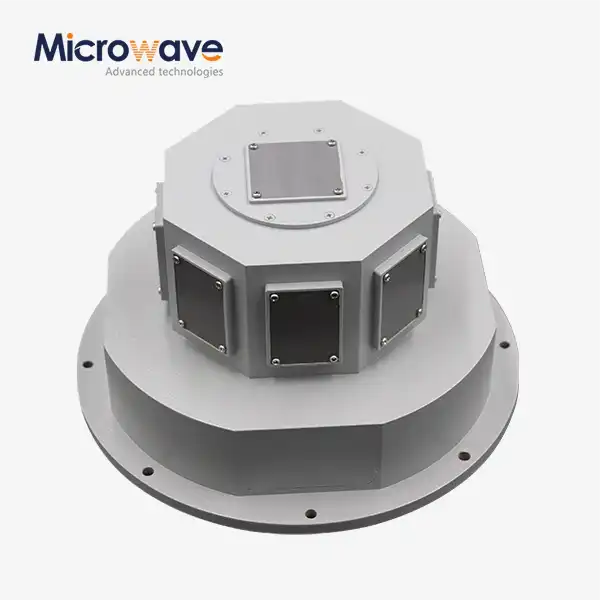
A high-power coaxial switch is a special kind of radio frequency (RF) device that manages large amounts of power while sending data along transmission lines. In continuous wave (CW) operation, it can handle hundreds of watts of power, and in pulsed radar systems, it can handle peak spikes of megawatts or more. These parts are different from regular switches because they are made with stronger dielectric materials, better contact shape, and heat management systems that stop arcing, corona discharge, and impedance mismatches.
Core Technical Specifications
Most high-power RF switches can handle CW power of 5 kW or more at 1 GHz, with VSWR less than 1.15:1 and insertion loss less than 0.05 dB. Regularly, isolation values are higher than 70 dB, which stops transmitter energy from getting into receiver circuitry.
Working Principles
Electromechanical types have contacts that move when they are activated by solenoids or magnetic locking systems. In solid-state versions, PIN diodes or GaAs FETs are used instead of moving parts to switch data electrically, so there are no moving parts at all.
Key Application Environments
These switches are used in AESA radar systems, broadcast transmitter redundancy networks, MRI RF coils, satellite ground stations, and test setups for semiconductor manufacturing. They are used anywhere that RF signal routing under load can't fail.
Solid State vs Electromechanical Switches: Core Differences and Performance Comparison
It's not enough to just say which of these two technologies you like better. Each type has different electrical and technical trade-offs that are very important when buying something.
Here are the most important ways in which these technologies are different:
- Switching Speed: Solid-state switches switch in microseconds or nanoseconds — far faster than electromechanical designs, which typically require 10 to 50 milliseconds per actuation. For time-division systems or fast-scan radar, this gap is decisive.
- Insertion Loss: Electromechanical high power coaxial switches generally achieve lower insertion loss (often under 0.05 dB) because metal contacts create a near-ideal conductive path. Solid-state switches introduce semiconductor resistance, pushing insertion loss higher, particularly above 3 GHz.
- Isolation: Both types can exceed 80 dB of isolation, but electromechanical designs perform more predictably at higher frequencies without the nonlinear behavior PIN diode circuits can sometimes exhibit under high drive levels.
- Power Handling: Electromechanical switches handle kilowatt-class CW and megawatt-range peak power with well-established designs using 7/16 DIN or EIA flange interfaces. Solid-state switches are typically limited to lower average power ratings due to semiconductor junction temperature constraints.
- Lifecycle and Durability: A well-maintained electromechanical switch offers 1 to 5 million actuation cycles. Solid-state switches carry no mechanical wear limit, making them preferable for high-cycle applications exceeding millions of operations per day.
These aren't just academic differences. A broadcast engineer who has to switch between main and backup sources 24 hours a day, seven days a week has very different tasks to do than a defense contractor who is building a pulsed radar system. Knowing where each technology shines saves you a lot of money by avoiding mistakes in choosing the right parts for the job.
Cost Comparison
Electromechanical switches usually have lower unit costs at first, but they cost more in the long run to maintain because they need to have contacts replaced and actuators serviced. Solid-state switches are more expensive at first, but they save money on upkeep costs over their lifetime, especially in automated systems that move a lot.
Waveguide vs. Coaxial Switching
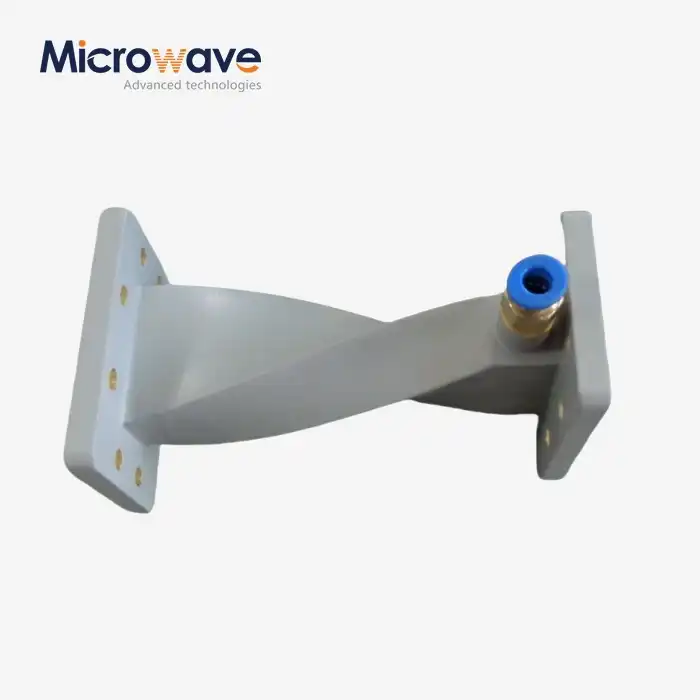
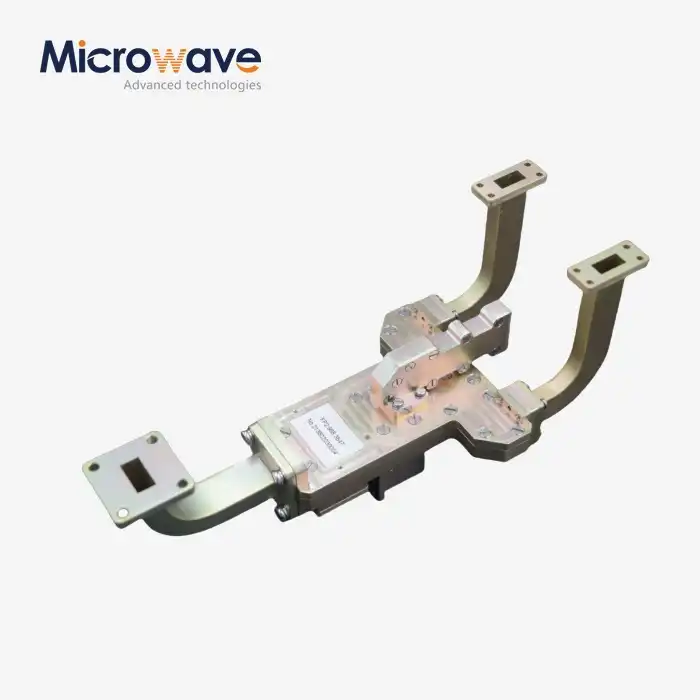
Some high-power applications above 18 GHz switch to waveguide-based switching because it can handle more power and has less conductor loss. Below 18 GHz, coaxial designs are still the most popular because they are small and have a lot of different connector options.
How to Choose the Right High Power Coaxial Switch for Your Needs
Before deciding on a switch design, procurement teams should do an organized evaluation. The result is more determined by the application than by any one measure by itself.
Define Your Power and Frequency Envelope First
Frequency makes it harder to handle power. It's possible for a switch that can handle 10 kW at 100 MHz to only be able to handle 2 kW at 1 GHz because of higher skin-effect resistance and smaller dielectric breakdown gaps. Always check rates at the frequency you will be using, not the switch's highest grade.
Match Switching Speed to System Timing Requirements
Standard electrical designs usually won't work for your system if it needs to "hot switch," or change states while RF power is being applied. Most of them can only be used for cold switching because hot switching causes arcing and contact cracking. Solid-state or arc-suppressed electromechanical designs can handle hot switching, but the manufacturer must give clear instructions on how to do it.
Factor in Certification and Supply Chain Requirements
When buying things for defense and aircraft, you have to make sure they meet MIL-STD standards, have traceable material paperwork, and be certified by ISO 9001. When it comes to satellite ground infrastructure, both RoHS compliance and PIM performance (usually better than -160 dBc) become important screening factors.
Leading Brands and Suppliers in High Power Coaxial Switches
The quality of RF switches made by different companies varies a lot. When working on production plans, procurement teams should compare sources based on real factors instead of just looking at data sheets.
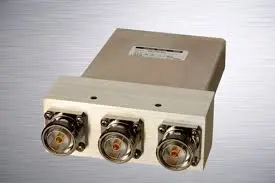
OEM Customization Capability
System integrators care about being able to make high power coaxial switches with non-standard connector interfaces, different actuation voltages, or custom thermal management. Every custom demand comes with more wait time and technical risk when the provider doesn't have the ability to change designs in-house.
Certifications and Quality Infrastructure
ISO 9001:2015 approval is a basic guarantee of process control. Suppliers who use standardized test settings, such as vector network analyzers (VNA), Hi-Pot dielectric withstanding voltage testers, and PIM test benches, give more solid quality data than those who only rely on claims made in the datasheet.
Lead Times and After-Sales Support
Items from the standard list usually ship in 4 to 8 weeks, but custom combinations can take up to 16 weeks. Integration risk is cut down a lot when suppliers offer engineering help during the qualification phase as well as paperwork after the shipment.
Troubleshooting and Common Issues with High Power Coaxial Switches
Failure modes for the two technologies are very different, and knowing what to look out for can help you get more service intervals and avoid unplanned downtime.
Electromechanical Switch Issues
Contact wear is the main way that things age. Gold-plated beryllium copper contacts get micro-pitting after being activated many times. This makes the contact resistance higher than 15 mΩ and causes impedance problems. Regular inspections and controlled switching settings (which keep machines from accidentally turning on when they're not supposed to) greatly increase the life of mechanical parts.
Solid State Switch Issues
The main worry is temperature vulnerability. When junction temperatures go above the recommended levels, PIN diode junctions break down. This leads to higher insertion loss and less isolation. Managing heat properly by letting it escape, letting air flow, and keeping an eye on the surrounding temperature is the best way to keep this from happening.
General Maintenance Practices
For both types of switches to work well in high-voltage areas, they need to be pressurized with nitrogen, have their VNA swept on a regular basis to make sure they stay within specifications for VSWR and isolation, and be stored in low-humidity enclosures to keep the dielectric from breaking down.
Conclusion
There are real benefits to both solid-state and electromechanical high power coaxial switches, but it depends on the environment, power level, switching frequency, and budget for the whole lifecycle. Electromechanical designs are better at handling insertion loss and kilowatt-class power, while solid-state designs are better at switching speed and long-term wear resistance. It's important to make sure that the switch's features match your system's needs and that you work with a provider that can give you both the technical data and quality paperwork that your procurement process needs.
FAQ
Can a high power coaxial switch perform hot switching?
Generally, no. Most electromechanical designs require cold switching — no RF power present during state transitions. Hot switching causes arcing and contact damage. Solid-state or arc-suppressed electromechanical designs are required when hot switching is unavoidable.
How does frequency affect the power rating?
Power handling is inversely proportional to frequency. Skin-effect resistance increases as frequency rises, generating more heat per watt. A switch rated for 10 kW at 100 MHz may only be safe at 2 kW near 1 GHz.
What is the difference between latching and failsafe actuators?
Latching switches hold their position without continuous power — preferred for thermal management in space applications. Failsafe switches return to a default position when power is lost, protecting transmitter paths during outages.
Why are EIA flanges preferred over N-type for very high power?
EIA flanges provide a rigid, air-dielectric interface with large contact surface area, supporting higher voltage handling and better heat transfer than N-type connectors, which face dielectric breakdown limitations above moderate power levels.
What is the typical lifespan?
A well-maintained electromechanical RF switch delivers 1 to 5 million mechanical cycles. Electrical lifespan depends heavily on whether cold switching protocols are followed consistently throughout service life.
Partner with ADM for Your High Power Coaxial Switch Requirements
ADM, or Advanced Microwave Technologies Co., Ltd., sells precise RF switching components and has been in business for over 20 years and is ISO 9001:2015 certified. As a reliable company that makes high power coaxial switches, we can help with OEM configurations, custom connector interfaces, and bulk purchasing plans with clear wait times. To get samples or specifications, you can email our engineering team at craig@admicrowave.com.
References
1. Pozar, D. M. Microwave Engineering, 4th ed. Wiley, 2011.
2. Bahl, I., and Trivedi, D. "A Designer's Guide to Microwave PIN Diode Switches." Microwave Journal, 1977.
3. IEEE Standard 1785.1. IEEE Standard for Rectangular Metallic Waveguides. IEEE, 2012.
4. Schennum, G., and Tajima, Y. "High-Power GaAs FET and PIN Diode Switches for Microwave Applications." IEEE Transactions on Microwave Theory and Techniques, 1994.
5. Vendelin, G. D., Pavio, A. M., and Rohde, U. L. Microwave Circuit Design Using Linear and Nonlinear Techniques, 2nd ed. Wiley, 2005.
6. IPC-7711/7721. Rework, Modification and Repair of Electronic Assemblies. IPC, 2017.