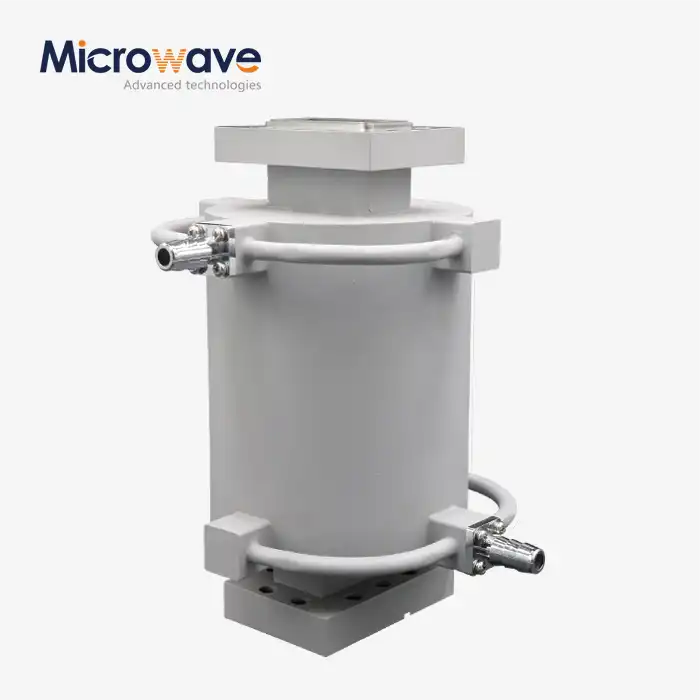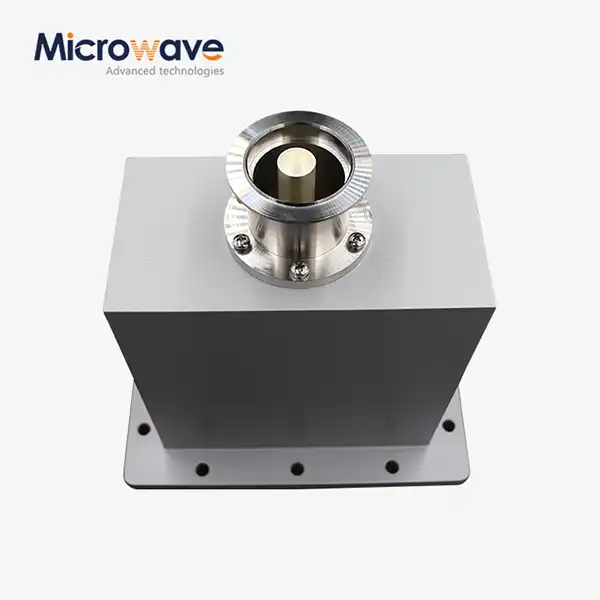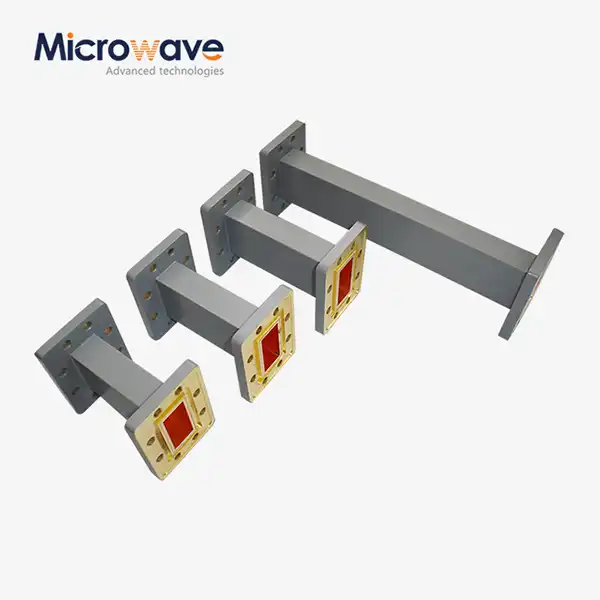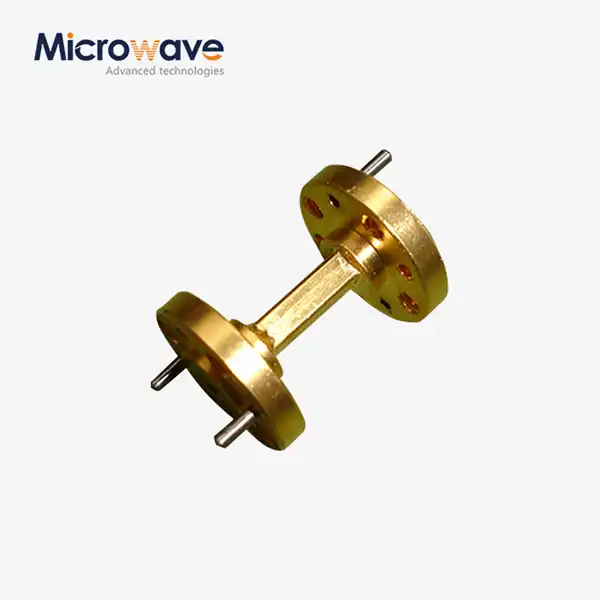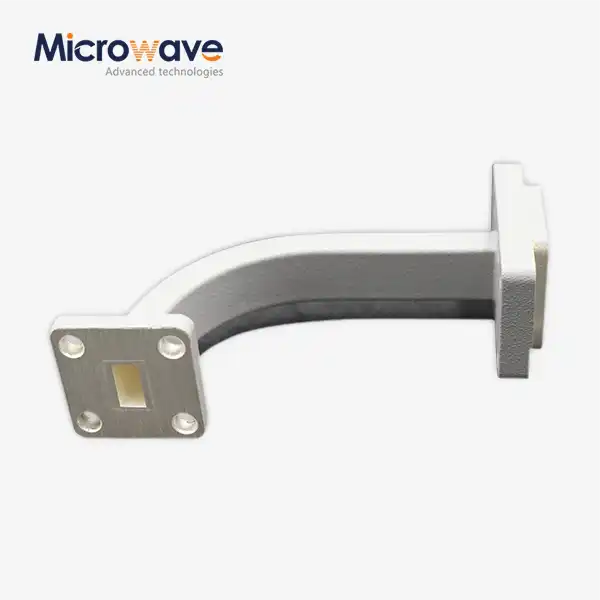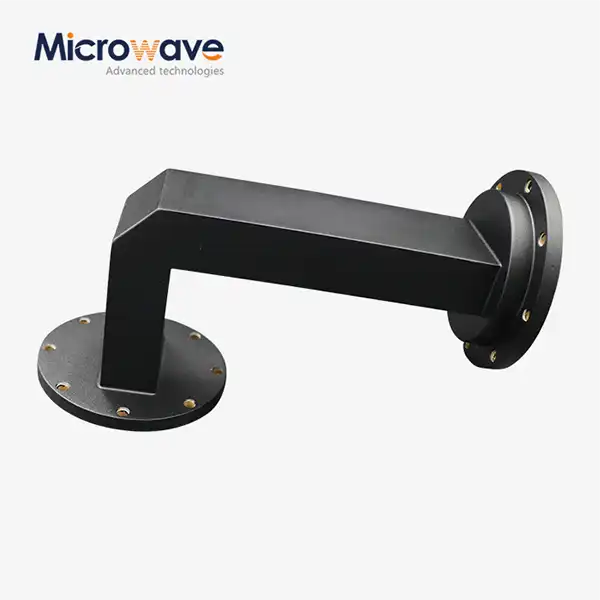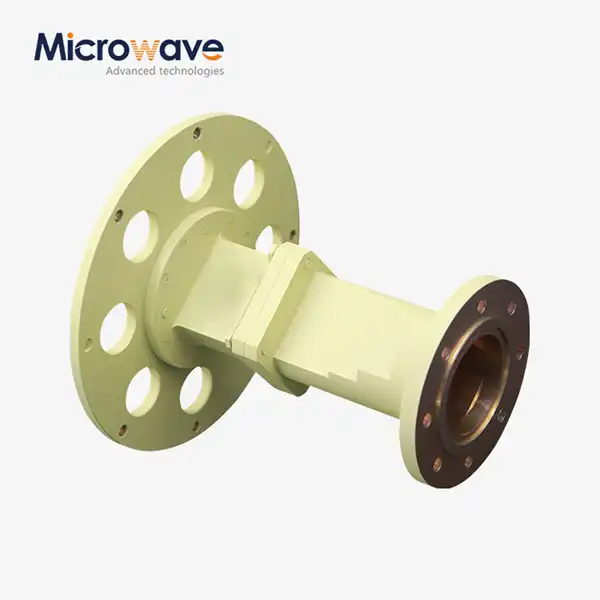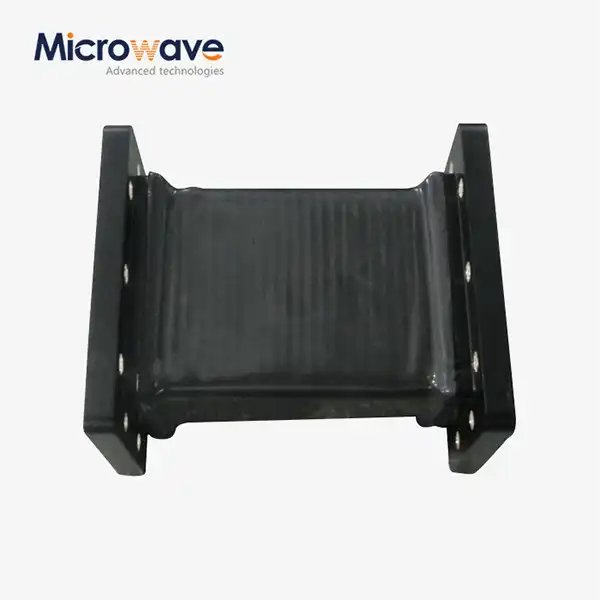





OEM Waveguide Harmonic Filter for Assembly Workshop
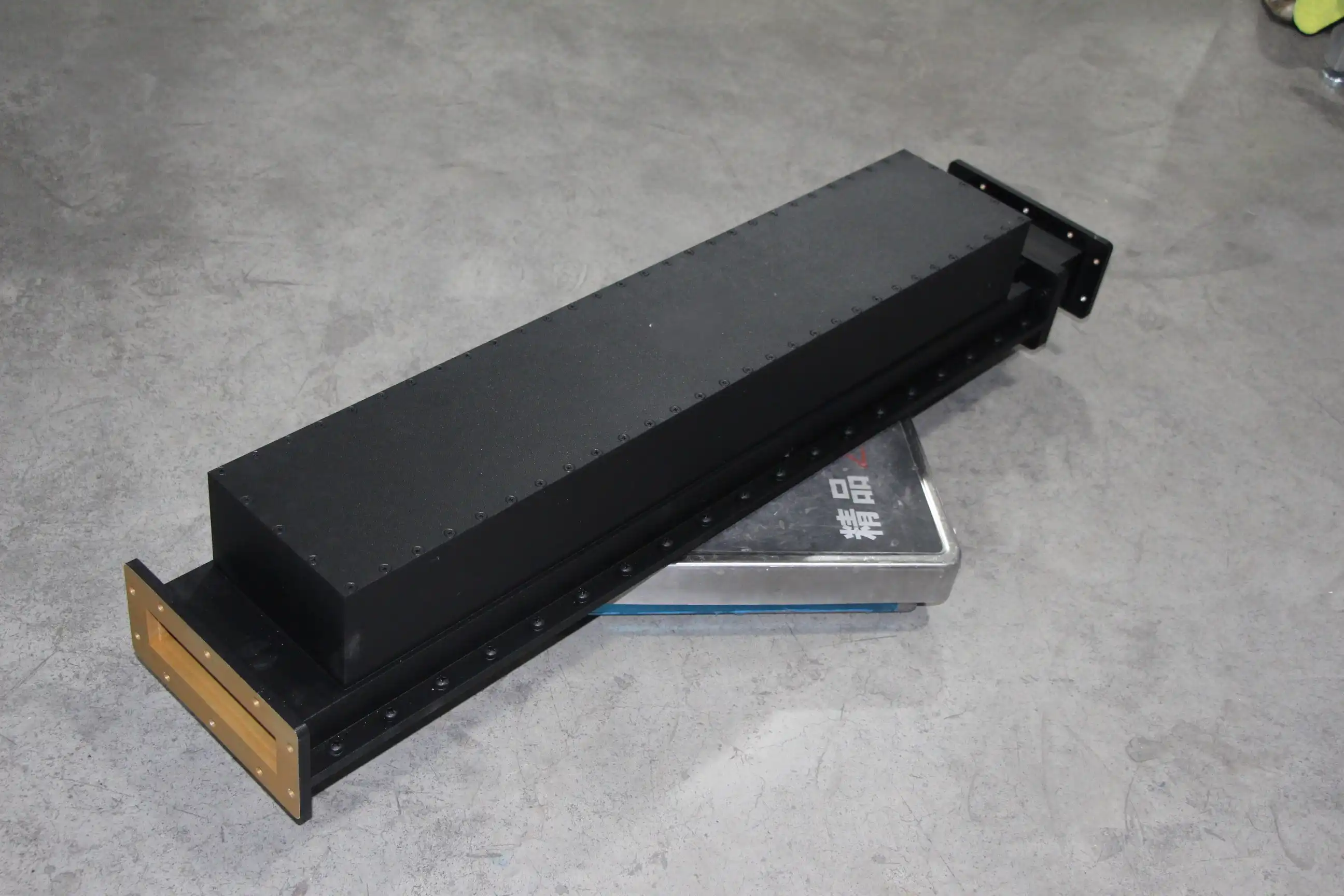
When assembly workshops demand precision RF signal management, the waveguide harmonic filter emerges as the technical workhorse behind spectral purity and regulatory compliance. These passive microwave components integrate directly into high-frequency transmission lines, suppressing unwanted harmonic frequencies generated by high-power amplifiers while preserving the fundamental frequency with minimal attenuation. Unlike basic coaxial alternatives, waveguide harmonic filters leverage the cutoff properties of waveguide structures—often featuring corrugated internal geometries—to achieve rejection levels exceeding 60 dB. At Advanced Microwave Technologies Co., Ltd (ADM), we specialize in OEM solutions tailored for assembly workshops, combining two decades of engineering expertise with ISO 9001 certification to deliver filters that solve critical pain points: spurious emissions violating FCC masks, interference in dense SATCOM environments, and protection of sensitive downstream components from high-energy harmonic signals.
Understanding Waveguide Harmonic Filters: Theory and Design Principles
Waveguide Harmonic Filter units protect the purity of signals in RF and microwave systems by getting rid of unwanted harmonic frequencies that hurt the performance of the system. These specialized parts are very different from lumped element or coaxial filters because they use how electromagnetic waves travel through solid waveguide structures. The filter works by making periodic gaps or resonant holes that let the frequencies you want to pass through while reflecting or absorbing harmonics.
Definition and Operational Mechanisms
The main job is to take advantage of how the cutoff frequency behaves. Below a certain frequency, electromagnetic waves can't pass through the waveguide. Instead, they are mirrored back to the source or, in absorptive designs, they are lost as heat. This physical principle makes it possible to precisely block harmonics without adding the dielectric breakdown risks that come with high-power cable substitutes. Since these filters don't have any center conductors, there are no multipactor risks in vacuum settings. This makes them perfect for space-grade uses.
Common Filter Types and Configurations
Bandpass filters block lower and higher frequencies and allow just a particular range. Satellite uplink chains employ them to isolate C-band, Ku-band, and Ka-band data from surrounding spectrum licenses. Bandstop configurations block harmonic frequencies while maintaining passband width. Radar systems must decrease second and third harmonics below -80 dBc to fulfill military specifications. Fundamental frequencies pass through lowpass designs with strong roll-off characteristics beyond the first harmonic. Full-duplex receiver chains are protected by this.
These configurations operate with particular system designs, thus choosing the proper one requires knowing the source features and downstream component sensitivity. ADM's engineering team collaborates with procurement managers to ensure filter design meets application specifications. We guarantee the greatest performance across all operating frequencies in this manner.
Key Design Principles and Material Selection
Critical measurements determine filter performance with micron-level precision. Internal cavity size must match quarter- or half-wavelength resonances at specified frequencies. Production tolerances affect insertion loss and rejection frequency. Materials are chosen based on electrical conductivity, thermal growth rates, and mechanical workability. Aluminum 6061-T6 is easy to work with and conducts electricity effectively for most business needs. Oxygen-free copper is superior for high-power defensive systems. Silver or gold coating reduces resistance losses, lowering passband insertion loss to less than 0.1 dB.
Waveguide sections and ends must meet thermal expansion coefficients for temperature resistance. In satellite ground stations with temperatures ranging from -40°C to +60°C, differential expansion can modify resonance frequencies and reduce VSWR. Invar alloy components are used at crucial OEM joints for thermal stability over a wide temperature range.

Comparing Waveguide Harmonic Filters with Alternative Filtering Solutions
When procurement workers look at filtering technologies, they see a lot of choices, and each one has its own pros and cons in terms of performance. By understanding these differences, you can make smart choices about where to get the parts that meet the needs of the assembly business and your budget.
Performance Parameter Analysis
Cavity filters have high Q-factors and great selectivity, but they take up a lot of rack space and can't handle as much power as Waveguide Harmonic Filter designs. Dielectric resonator filters can be made smaller by using high-permittivity ceramics, but they have problems with temperature drift and can't handle more than 100 watts of continuous power. Lumped element designs are small and work well below 6 GHz, but they have problems with self-resonances and parasitic effects that make harmonic rejection worse at microwave frequencies. Coaxial filters are the best of both worlds when it comes to size and performance. However, they have problems with voltage breakdown at kilowatt power levels, where electric field strengths get close to dielectric punch-through limits.
When there is a lot of power and frequency, Waveguide Harmonic Filter solutions work really well because insertion loss has a direct effect on how well the system works. A normal C-band waveguide filter has an insertion loss of less than 0.05 dB, a second harmonic rejection of more than 70 dB, and the ability to handle constant power levels of more than 5 kilowatts. Other technologies can't match this level of performance, especially in satellite communication earth stations, where a tenth of a dB drop in insertion loss means a meaningful drop in the amount of power needed for the amplifier and the cost of running the station.
Market Solutions and Cost-Performance Analysis
There are many off-the-shelf options on the market in 2024, but production workshops are becoming more and more aware of the value of OEM customization. Standard stock items rarely have the exact flange configurations, frequency bands, or mechanical connections that are needed to fit seamlessly into current RF chains. Custom OEM filters get rid of adapter losses, cut down on the number of parts needed, and improve mechanical packing in equipment racks that are already full. Even though the original engineering cost is higher than stock prices, customizable solutions for production settings are more cost-effective in the long run because they are more efficient, have less downtime, and are easier to maintain.
If a buying team is watching their budget, they should look at lifetime costs instead of just unit prices. For a single satellite earth station, a filter with 0.03 dB lower insertion loss saves thousands of dollars a year in amplifier running costs. Additionally, better harmonic rejection stops interference cases that lead to fines and business interruptions.
OEM Waveguide Harmonic Filters: Customized Solutions for Assembly Workshops
When working in an assembly workshop, there are special problems that standard parts from stores can't solve. Integration into a production line needs mechanical connections that work with current equipment, thermal management solutions that can adapt to the environment, and electrical specs that are based on real working frequencies instead of broad catalog ranges.
Benefits of OEM Customization
Precise specification matching: OEM development lets Waveguide Harmonic Filter properties match system needs perfectly, avoiding wastage from over-specification and performance gaps from under-specification that hurt reliability.
Mechanical integration flexibility: custom flange designs, mounting orientations, and general form factors make installation easy in equipment racks with limited room and outdoor enclosures.
Quality control throughout production: Working directly with manufacturers lets you see how things are made, where materials come from, and how tests are done, which ensures that all production runs are the same.
Manufacturing Excellence and Strategic Partnerships
OEM filter production is safe because it uses advanced manufacturing techniques. Computer-controlled machining centers keep errors below 0.025 mm across important internal dimensions, and automatic silver plating methods make sure that the surface conductivity is the same all over. Our 24-meter anechoic room lets us test at full power across the frequency range of 0.5 to 110 GHz. This way, we can confirm performance in real-world settings instead of just using benchtop measures. Environmental stress screening, which includes temperature cycles, vibration exposure, and humidity conditioning, finds ways that filters might fail before they get to the production lines in the assembly workshop.
Strategic teamwork between suppliers goes beyond the initial release. There are parts of procurement deals that cover regular performance reviews, managing decline, and efforts to keep making things better. When the system needs a change, like when frequency bands get bigger, power levels go up, or new rules come out, OEM ties make it easy to quickly redesign filters by using current tools and production methods. This partnership method cuts down on disruptions in the supply chain and speeds up the time it takes for next-generation goods to reach the market.
Procurement Insights and Supply Chain Optimization
Custom OEM filters usually have lead times of 8 to 12 weeks from the time the design is approved until the product is delivered. This includes engineering finalization, sample manufacturing, testing to make sure the design works, and production runs. When you buy more than 50 units a year, it's cheaper to handle a bulk order because the costs of customizing each unit are covered by the repayment of tools and the improvement in production efficiency. The warranty should cover both problems with the way the product was made and problems with how it works. The terms should be at least 24 months long to account for how often equipment is used. Maintenance deals can include regular recalibration services, which make sure that filters stay in good shape for longer than ten years of use.
Procurement Guide: How to Select and Source the Right Waveguide Harmonic Filter
A successful buying process includes more than just technical requirements. It also includes evaluating suppliers, planning how to negotiate, and making plans for logistics. As buying teams make their choice, the following structure helps them minimize risks and get the best total cost of ownership.
Supplier Evaluation Criteria
Supplier evaluation is based on their reputation in the microwave component business. Manufacturers that have been around for decades show steadiness and a wealth of experience that younger companies can't match. ISO 9001 approval makes sure that the quality management system is being used correctly, and RoHS compliance makes sure that environmental rules are being followed in all global markets. Technical advice is what sets real partners apart from component sellers. Suppliers with knowledge of RF systems can find ways to improve performance that procurement, which is focused on specifications, misses. ADM has been in business for 20 years and has worked with the defense, aerospace, and satellite communication industries. This shows that they can handle the toughest jobs with high-quality Waveguide Harmonic Filter technology.
Pricing Transparency and Sample Request Protocols
Clear price models break down planning costs, prototype costs, tooling investments, and per-unit production costs, which lets you make accurate estimates of the total cost of the program. Sample request methods should let you test how well something works in real-world settings, including high-power tests if needed, before committing to production. Negotiation tactics could get better prices by making long-term sales promises, especially for assembly shops that know how much they will use each year.
International Logistics and Delivery Considerations
Options for shipping weigh the cost of delivery against the need for speed. For projects that need to be delivered quickly, air freight can do it in three to five days. On the other hand, water transport lowers the cost of operations per unit for planned inventory replenishment. Lead time management should take into account both the time it takes to make the product and the time it takes to clear customs, especially when buying from other countries. Expertise in customs clearance keeps delivery times from being pushed back by weeks due to mistakes in paperwork or disagreements over classification. Support after the sale, like technical fixing, field application help, and managing warranties, is very important for keeping an assembly company productive when problems happen.
Maintenance and Optimization of Waveguide Harmonic Filters in Assembly Workshops
For operations to last a long time and keep working well, they need regular optimization and thorough upkeep. If you don't take care of your Waveguide Harmonic Filter, it will collect dirt and debris, get mechanical stress damage, and lose performance over time, which cannot meet system requirements.
Routine Maintenance Best Practices
Visual inspection protocols: Quarterly examinations identify physical damage, flange seal degradation, and corrosion formation before performance impacts occur.
Flange connection integrity: annual torque verification prevents RF leakage from loosened connections while avoiding over-tightening damage to sealing gaskets.
Internal cleaning procedures: controlled solvent cleaning removes accumulated dust and oxidation products from internal surfaces, restoring surface conductivity to as-manufactured conditions.
Performance Optimization Techniques
Over time, insertion loss goes up because of surface oxidation, contact resistance growth at flange edges, and dielectric pollution from moisture in the air. By comparing current performance with standard acceptance data using a network monitor, you can find degradation trends, figure out what needs to be done to fix them, and do it before they have system-level effects. Using surface repair techniques like chemical cleaning and oxide removal to lower insertion loss can bring back 0.02 to 0.05 dB of lost performance, which is a big deal for high-power uses.
Interference reduction deals with how to stop outside electromagnetic fields from linking into waveguide structures when shielding isn't perfect or when there are flange gaps. By replacing the conductive gasket and improving the insulation, outdoor noise sources become less of a problem. This keeps the signal-to-noise ratios stable in places with a lot of electromagnetic noise. Periodic recalibration makes sure that the center frequency and bandwidth of the filter stay within the specifications, even when the temperature changes and mechanical stress builds up. Upgrade paths meet changing needs, like wider frequency bands, better rejection specs, or better power handling, by replacing parts or retrofitting systems instead of redesigning the whole thing.
Conclusion
OEM Waveguide Harmonic Filter products are smart investments for assembly shops that put signal integrity, regulatory compliance, and operating efficiency at the top of their list of priorities. Customized solutions meet unique technical needs while improving long-term dependability and mechanical integration. A good procurement process finds partners that can adapt to changing needs by balancing seller evaluation, precise definition, and lifecycle cost analysis. ADM has been a trusted maker for assembly workshop applications that need uncompromising performance and quick support for over 20 years. We have a history of providing precision microwave components to the defense, aerospace, and satellite communication markets.
FAQ
Q1: What are typical lead times for custom OEM filter orders?
It usually takes 8 to 12 weeks from the time the design is finalized until the custom Waveguide Harmonic Filter is delivered. This plan includes electromagnetic simulation, making a prototype, validating high-power tests, and making the product in large quantities. Rush projects can cut down on timetables to 6 weeks by prioritizing faster machining and testing, but they cost more.
Q2: How do these filters perform in 5G systems compared to traditional designs?
5G millimeter-wave devices that work at 24 GHz or higher need very good harmonic rejection because the bandwidth is so densely distributed. Waveguide Harmonic Filter units can reject more than 80 dB of second and third harmonics while keeping insertion loss below 0.2 dB. This is a performance that can't be reached with options like cable or lumped elements. Because of the low insertion loss, batteries last longer in mobile apps, and base station equipment doesn't need to cool down as much.
Q3: Can OEM providers handle bulk orders with comprehensive after-sales support?
Trustworthy OEM makers can keep up with production levels for anything from trials to thousands of units per year. Bulk order programs offer specialized project management, faster wait times, and different price structures based on volume. Comprehensive after-sales support includes technical problems, help with field applications, and managing warranties. This makes sure that the productivity of the assembly workshop stays high throughout the lifetime of the product.
Partner with ADM for Superior Waveguide Harmonic Filter Solutions
As a Waveguide Harmonic Filter provider with over 20 years of manufacturing success, ADM has a lot of experience that assembly shops that need precise microwave parts can use. Our modern 24-meter anechoic room and ISO 9001:2015-certified production facilities make filters that meet the strictest requirements for defense, aerospace, and satellite communication. Our engineering team creates unique solutions that are best for your needs, whether they're creating next-generation RF systems or increasing production for platforms that are already in use. Get in touch with craig@admicrowave.com right away to talk about your application needs, get performance data, or set up a free review. We give procurement professionals the quality, speed, and technical help they expect from a reliable company that cares about their long-term success.
References
1. Matthaei, G.L., Young, L., and Jones, E.M.T. (2019). Microwave Filters, Impedance-Matching Networks, and Coupling Structures. Artech House Publishers.
2. Pozar, D.M. (2021). Microwave Engineering, 5th Edition. John Wiley & Sons, Inc.
3. Levy, R. (2020). "Waveguide Harmonic Filter Design for High-Power Applications," IEEE Transactions on Microwave Theory and Techniques, Vol. 68, No. 4, pp. 1512-1523.
4. Cameron, R.J., Kudsia, C.M., and Mansour, R.R. (2018). Microwave Filters for Communication Systems: Fundamentals, Design, and Applications. Wiley-IEEE Press.
5. European Telecommunications Standards Institute (2022). ETSI EN 302 217: Fixed Radio Systems; Characteristics and Requirements for Point-to-Point Equipment and Antennas, Version 3.2.1.
6. International Organization for Standardization (2021). ISO 9001:2015 Quality Management Systems — Requirements for Microwave Component Manufacturing. ISO Standards Catalogue.