





How Does a Slotted Waveguide Array Antenna Improve Radar Performance?
A slotted waveguide array antenna changes the way radar works by using carefully made holes in a metal waveguide structure to send out electromagnetic energy very precisely. This design doesn't have feed network losses like microstrip or patch antennas because the waveguide acts as both a transmission line and a shield. The slots work as magnetic dipoles to make high-gain radiation patterns that can be predicted and are needed for radar systems. This design handles power better, which is important for long-range sensing, and it keeps a low profile, which is perfect for aircraft and marine uses where sturdiness and thermal economy are key.
Understanding Slotted Waveguide Array Antennas
Waveguide slot arrays are a mature but still useful radio technology because of their basic structure. These antennas have carefully placed flat or angled slots cut into the wide wall of a rectangular waveguide. Each slot contributes to the general radiation pattern by controlling the relationship between amplitude and phase.
How do waveguide slots radiate energy?
When electromagnetic waves move through a waveguide, the holes stop the currents that are running on the walls of the waveguide. Because of this break, energy has to spread outward, and each slot acts as its own radiated element. Resonance traits are set by the slot measurements, which are usually half a wavelength at the working frequency. The spacing and angle of the slots determine both the direction of the beam and the amplitude drop across the opening. This lets engineers use mathematical tools like Taylor or Chebyshev distributions to precisely shape the radiation patterns.
Resonant vs. Traveling-Wave Configurations
In waveguide slot technology, there are two main ways to create a slot. When a resonant array ends, it creates standing waves inside the waveguide. These waves make the array more efficient, but they reduce the operating frequency to about 5–10%. Traveling-wave designs use a matching load termination, which lets them have wider bandwidths (sometimes over 20%) but slightly lower efficiency because the termination load takes in some power. Which setup works best for you depends on how much data your application needs and how much power you want to save.
Critical Performance Parameters
Many systems use frequency bands between 8 and 40 GHz, or "Ka-band." However, some specialized systems can go as high as 110 GHz, or "W-band." The impedance matching is good if the Voltage Standing Wave Ratio (VSWR) is less than 1.5:1. VSWR must be less than 1.2:1 for high-performance radar devices. Seventy to ninety percent of the power that goes into most antennas is turned into useful energy. Sidelobe levels go down to -30 dB or less, which cuts down on influence from unwanted directions. In places with a lot of stuff, this is an important condition.
These technical features directly address problems that purchase engineers have when they are looking for high-performance, reliable parts for radar systems that are important for missions. The waveguide is made of metal, which makes it more durable than options that are built on dielectrics.
Challenges in Traditional Radar Antenna Systems
Conventional radar receivers have flaws that make the system less effective in tough operating situations. Knowing these limits helps make the case for investing in more advanced radio systems.
Gain and Directivity Limitations
Even though microstrip patch arrays are cheap and light, they have smaller gain because the dielectric substrate losses rise with frequency. These losses get big above X-band, which shortens the radar's range. Horn antennas have great directivity but take up a lot of space, which makes them hard to place on UAVs or small ground sites that don't have a lot of room. Patch antennas have wider beamwidths than slotted waveguide designs (slotted waveguide array antennas), which makes it harder to tell the difference between objects that are close together.
Bandwidth Restrictions Affecting Operational Flexibility
A lot of standard antenna types only work well in a few frequency bands. Before impedance matching gets worse, microstrip arrays usually work over a 5–10% fractional frequency. Because of this limitation, radar systems that need frequency speed for adaptable waveform operation or the ability to do more than one thing are limited. Narrow-bandwidth antennas get in the way when your radar needs to switch between monitoring and tracking modes that use different frequencies.
Environmental Vulnerability and Power Handling
Printed circuit antennas that use FR-4 or similar insulating surfaces have problems with absorbing water, which changes their electrical properties over time. It is possible for voltage to break down and multiplication effects to happen when high power is sent through insulating materials. This is especially true at high altitudes where air density drops. Maritime settings cause salt-fog weathering, which breaks down dielectric materials more quickly than metal surfaces that have been properly handled. These weather sensitivities mean that the system is less reliable and workers have to do more upkeep.
These restrictions mean that B2B radar system designers and defense companies have a shorter detecting range, a lower target sharpness, and a higher rate of false alarms. All of these things make the task less effective and raise the cost over its lifetime. When making a purchase choice, the beginning prices of the parts must be weighed against their long-term operating dependability and performance gaps.
How Slotted Waveguide Array Antennas Enhance Radar Performance?
Waveguide slot array technology addresses the fundamental limitations of conventional antennas through superior electromagnetic design and mechanical construction. The improvements span multiple performance dimensions critical to radar effectiveness.
Precision Beam Control and Scanning Capabilities
Slotted waveguide arrays achieve beam steering through frequency scanning in traveling-wave configurations or through phase shifting in more advanced designs. The beam squint effect—where the main lobe direction changes with frequency—enables electronic scanning without complex phase shifters. This characteristic supports rapid target tracking across wide angular sectors. The narrow beamwidth achievable with long apertures provides angular resolution measured in fractions of a degree, allowing radar systems to distinguish closely spaced targets that would appear as single returns on broader-beam antennas.
The predictable relationship between slot position and radiated phase means beam patterns match theoretical models with high fidelity. This predictability simplifies system integration and reduces calibration requirements compared to arrays with complex feed networks.
Extended Range Through Improved Gain and Efficiency
High aperture efficiency—often exceeding 80%—means more radiated power concentrates in the desired direction rather than being wasted in sidelobes or dissipated as heat. The all-metal waveguide construction eliminates dielectric losses that plague microstrip designs, particularly at higher microwave frequencies. This efficiency improvement translates directly into increased radar range according to the radar equation, where detection range varies as the fourth root of transmitted power.
Suppressed sidelobe levels below -30 dB reduce clutter returns from unwanted directions, improving the signal-to-clutter ratio in challenging environments like urban areas or sea surfaces. Low sidelobes also enhance electronic protection by reducing vulnerability to jamming signals arriving from off-axis directions.
Exceptional Durability and Environmental Resilience
slotted waveguide array Construction from aluminum or copper alloys with silver plating provides outstanding resistance to environmental stressors. The sealed, pressurizable design prevents moisture ingress that would detune resonant elements. Metal construction withstands thermal cycling from -40°C to +85°C without performance degradation, maintaining electrical specifications across operational temperature extremes encountered in aerospace and polar applications.
Mechanical robustness allows these antennas to survive high G-forces during aircraft maneuvers and sustained vibration in ground vehicle installations. The grounded metal structure offers inherent lightning protection—a significant advantage for externally mounted systems—without requiring additional protection circuits that add complexity and potential failure points.
These advantages combine to reduce the total cost of ownership through extended operational lifespans, lower maintenance requirements, and consistent performance across diverse environmental conditions. Procurement professionals recognize these factors significantly impact long-term program economics beyond initial unit pricing.
Comparative Analysis: Slotted Waveguide vs. Other Antennas in Radar
Evaluating antenna technologies requires examining performance trade-offs across multiple dimensions relevant to specific radar applications. This comparison illuminates where slotted waveguide arrays excel and where alternative technologies might be preferred.
Performance Across Key Metrics
Slotted waveguide arrays outperform microstrip patches in power handling by factors of 10 or more, supporting peak power levels exceeding several kilowatts without risk of dielectric breakdown. Bandwidth performance falls between narrow-band resonant patches (5-10%) and ultra-wideband horns (octave or greater), with typical fractional bandwidths of 10-20% accommodating most pulsed radar waveforms. Environmental resilience surpasses any dielectric-based antenna, matching or exceeding horn antenna durability while maintaining much lower aerodynamic profiles.
Comparing with phased arrays reveals trade-offs between capability and complexity. Active electronically scanned arrays (AESAs) offer rapid beam steering to arbitrary angles without mechanical movement but at a substantially higher cost due to numerous transmit/receive modules. Slotted waveguide arrays provide excellent performance for applications requiring scanning in one dimension—typical for surveillance radars—at a fraction of the phased array cost.
Case Applications Demonstrating Value
Military surveillance radars protecting airbases and forward operating bases commonly employ slotted waveguide technology for 360-degree coverage through mechanical rotation. The antennas deliver detection ranges exceeding 100 kilometers against airborne targets while surviving harsh desert and arctic conditions. Marine navigation radars on commercial vessels and naval platforms utilize these antennas because they maintain performance despite continuous salt-spray exposure and extreme weather.
Synthetic Aperture Radar (SAR) systems mounted on aircraft demonstrate another key application. The flat, rigid antenna mounts flush with fuselage contours, minimizing aerodynamic drag while providing the high-power handling and stable phase characteristics essential for generating high-resolution ground imagery. These installations validate the technology's suitability for platforms where mechanical reliability and aerodynamic efficiency cannot be compromised.
Return on Investment for B2B Clients
Total program costs favor slotted waveguide arrays when lifecycle factors receive appropriate weight. Higher initial unit costs compared to microstrip arrays—typically 2-3 times more—amortize across operational lifespans measured in decades rather than years. Reduced maintenance intervals and lower failure rates decrease support costs, while superior performance extends operational utility as mission requirements evolve.
Defense contractors and system integrators value the mature, proven slotted waveguide array technology status that simplifies qualification testing and reduces program risk. Established manufacturing processes and supply chains ensure predictable lead times and consistent quality across production runs—critical factors for programs with strict delivery schedules and reliability requirements.
Conclusion
Slotted waveguide array antennas deliver transformational radar performance through superior gain, exceptional environmental durability, and precise beam control that conventional antenna technologies cannot match. The all-metal construction eliminates dielectric loss limitations while providing mechanical robustness for demanding aerospace, maritime, and ground-based applications. Although initial costs exceed simpler alternatives, the lifecycle value proposition—spanning decades-long operational lifespans, minimal maintenance, and consistent performance—strongly favors this proven technology for mission-critical radar systems. B2B procurement teams gain competitive advantage by partnering with experienced manufacturers offering customization capabilities, rigorous quality control, and comprehensive technical support throughout system integration and operational phases.
FAQ
1. What frequency ranges do slotted waveguide arrays typically cover?
Common operational bands span X-band (8-12 GHz), Ku-band (12-18 GHz), and Ka-band (26.5-40 GHz), with specialized designs extending to W-band near 110 GHz. Fractional bandwidths typically range from 10 to 20%, accommodating most radar waveforms. Custom designs can target specific frequency windows within these ranges based on application requirements.
2. How do these antennas handle high-power transmission without failure?
All-metal waveguide construction eliminates dielectric breakdown risks present in substrate-based antennas. Pressurization with dry air or SF6 gas increases voltage breakdown thresholds for high-altitude airborne applications. Peak power handling often exceeds several kilowatts, supporting long-range radar detection requirements. Proper thermal management through heatsinking or convective cooling prevents overheating during extended high-duty-cycle operation.
3. Can circular polarization be achieved with slotted waveguide technology?
Yes, though implementation complexity increases compared to natural linear polarization. Cross-slot configurations or orthogonal dual-array designs combined with hybrid couplers generate circular polarization. These approaches add manufacturing cost and introduce potential axial ratio degradation across the operational bandwidth. Most radar applications utilize linear polarization, making this added complexity unnecessary for standard surveillance and tracking missions.
Partner with ADM for High-Performance Slotted Waveguide Array Antenna Solutions
Advanced Microwave Technologies Co., Ltd. brings over 20 years of specialized experience manufacturing precision Slotted Waveguide Array Antennas for defense, aerospace, and telecommunications applications. Our ISO 9001:2015-certified facilities feature a state-of-the-art 24-meter microwave darkroom with measurement capabilities spanning 0.5-110 GHz, ensuring every antenna meets rigorous performance specifications. We provide complete customization services—from electromagnetic simulation through prototype validation to full production—supporting your unique radar system requirements. As a trusted slotted waveguide array antenna manufacturer with global logistics capabilities, we deliver the technical expertise, quality assurance, and responsive support your mission-critical programs demand. Contact our engineering team at craig@admicrowave.com to discuss your specifications and discover how our waveguide antenna solutions enhance your radar performance.
References
1. Skolnik, M. I. (2008). Radar Handbook, Third Edition. McGraw-Hill Education.
2. Elliott, R. S. (1981). Antenna Theory and Design. Prentice-Hall, Inc.
3. Balanis, C. A. (2016). Antenna Theory: Analysis and Design, Fourth Edition. John Wiley & Sons.
4. Mailloux, R. J. (2005). Phased Array Antenna Handbook, Second Edition. Artech House.
5. Silver, S. (1984). Microwave Antenna Theory and Design. Institution of Engineering and Technology.
6. Hansen, R. C. (2009). Phased Array Antennas, Second Edition. John Wiley & Sons.
YOU MAY LIKE
 VIEW MOREWaveguide Fixed Attenuator
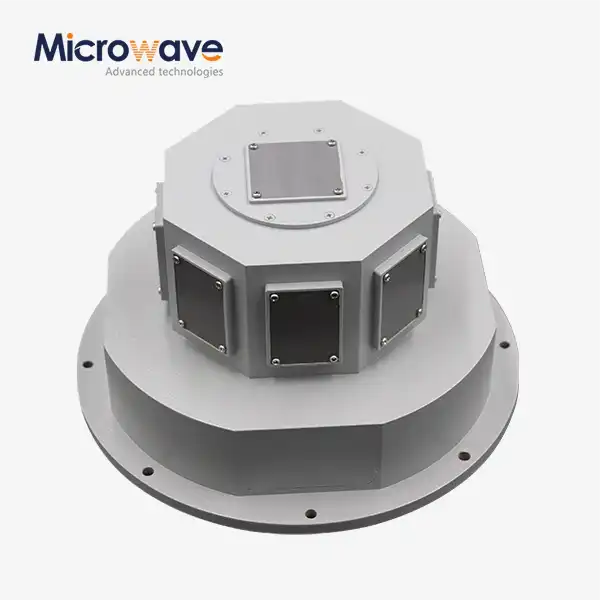 VIEW MORESlotted Waveguide Array Antenna
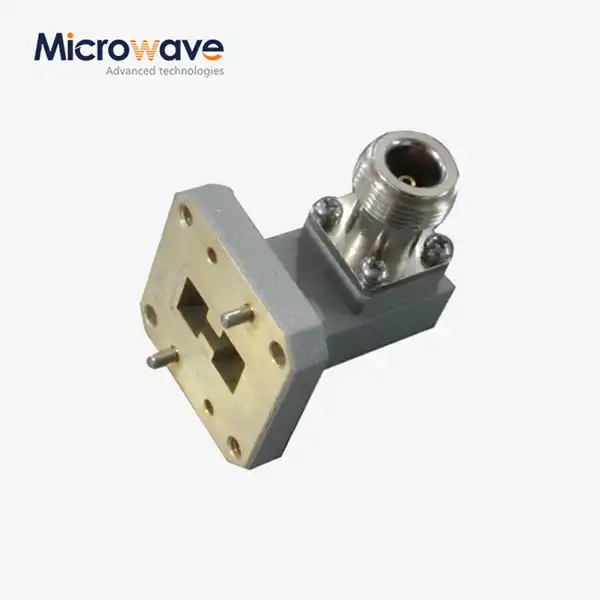 VIEW MORERight Angle Double Ridged WG To Coaxial Adapter
 VIEW MOREWG Bandpass Filter
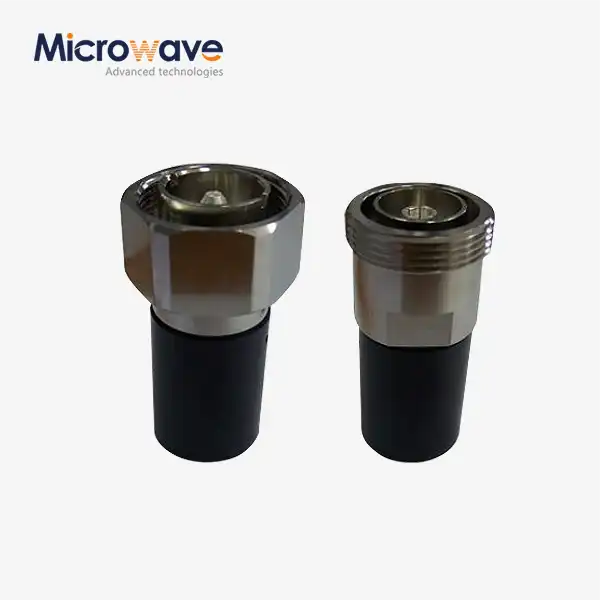 VIEW MORECoaxial Load
_1733809032116.webp) VIEW MORECoaxial Calibration Kits
VIEW MORECoaxial Calibration Kits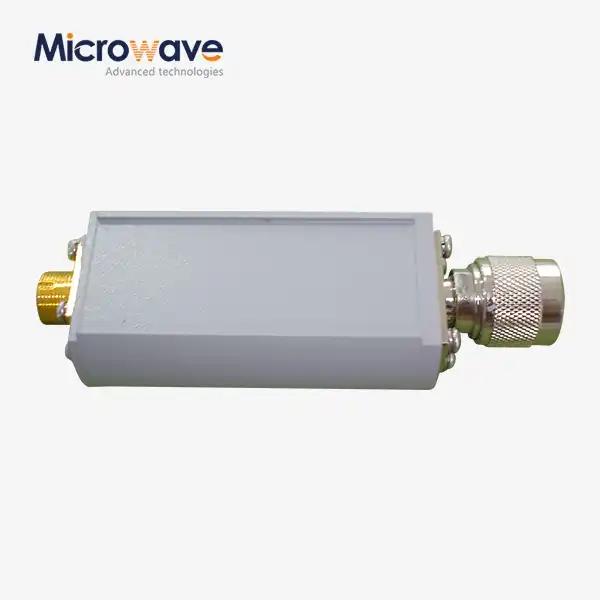 VIEW MORECoaxial Detector
 VIEW MOREOpen Boundary Dual Linear Polarization Four Ridged Horn Antenna