





How Do High Power Waveguide Isolators Protect RF Systems?
High-power waveguide isolators keep RF systems safe by letting signals travel in only one way and soaking up reflected energy that could hurt microwave sources that are sensitive. These passive, non-reciprocal devices use ferrite materials inside a waveguide housing that is pushed in one direction by permanent magnets to allow forward signals to pass with little insertion loss and stop reverse-traveling echoes into matching loads. Isolators stop impedance mismatch reflections from reaching power amplifiers, magnetrons, klystrons, and solid-state devices. This stops voltage standing wave ratio (VSWR) spikes, lowers frequency pulling, and protects against catastrophic component failure. This is why they are essential for mission-critical radar, satellite communications, and test equipment.
Understanding High-Power Waveguide Isolators and Their Role in RF Systems
When it comes to keeping RF systems safe in tough conditions, high-power waveguide isolators are the clear winners. These unique parts have one very important job: they let microwave signals move in one way while stopping dangerous returns from going back to sensitive emitter sources.
What Defines a High-Power Waveguide Isolator?
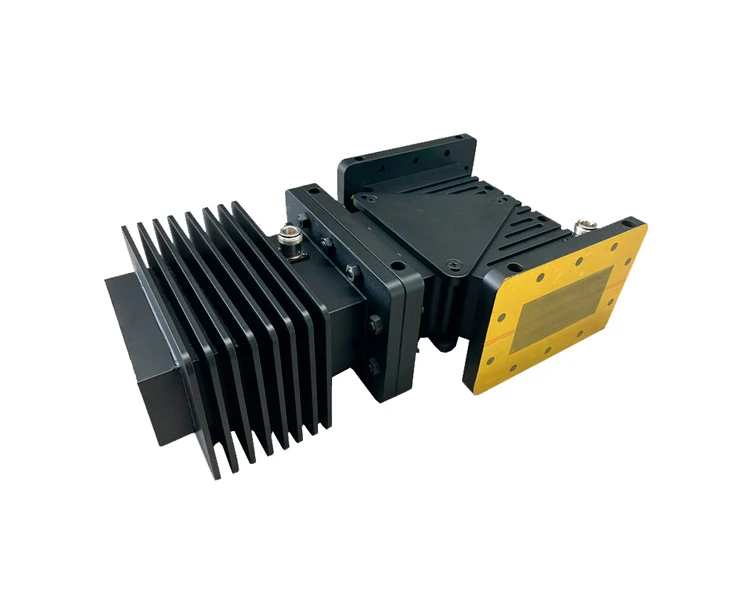
A high-power waveguide isolator is a two-port, nonreciprocal device that was made to handle power levels from kilowatts to megawatts. Compared to their coaxial peers, which are made for lower power uses, waveguide versions can handle much higher power levels and better heat control. The device is made up of a waveguide frame that was carefully machined and has ferrite materials carefully placed around permanent magnets. Because of how it's built, the isolator can let forward signals through with an insertion loss of only 0.2 to 0.5 dB, while blocking backward signals by more than 20 dB across certain frequency bands.
High-priced microwave sources like traveling wave tubes, klystrons, magnetrons, and solid-state power amps need to be protected from reflections. These can happen when antennas don't line up, loads change, or parts further down the line break. If this safety feature isn't there, reversed power can create standing waves that stress parts more, make them too hot, and can break them right away or over time.
Critical Technical Specifications for System Integration
These gadgets need to be looked at by people in charge of buying things who need to know a few important performance factors. Typical waveguide bands that can be used run from L-band (1-2 GHz) to Ka-band (26.5-40 GHz), but some designs can go up to 110 GHz for millimeter-wave applications. The isolator's power handling ability tells you how much steady and peak power it can safely handle. A gadget made for 10 kW of steady forward power could make about 450 watts of heat inside with only 0.2 dB of insertion loss. This shows how important it is to keep the temperature in check.
The device's ability to stop backward signals is measured by its isolation ratio, which has a direct effect on how well it protects upstream components. Temperature stability, frequency span, and weather longevity are all affected by the type of material used, especially the ferrite compounds and conductive waveguide metals that are used. These requirements must exactly match the system requirements to make sure that the system works reliably across the working temperature range and for the entire duration of the product.
Core Technical Principles Behind High-Power Waveguide Isolator Protection
Waveguide isolators can protect because they use complex electromagnetic concepts that come from material science and field theory.
Magnetic Ferrite Materials and Non-Reciprocal Transmission
At the heart of every high-power waveguide isolator is ferrite material, which is made up of special clay materials with iron oxide that have special magnetic qualities. When these ferrites are pushed by a magnetic field from solid magnets, they make conditions for electromagnetic waves to travel that don't work the other way around. The biased ferrite slightly tilts the polarization plane of waves moving forward, but it doesn't stop them very much. When waves move backwards, they go through a different polarization spin that links their energy into a resistant termination load instead of letting it go back to the source.
Keeping the ferrite below its Curie temperature is very important for this non-reciprocal behavior. This is the temperature at which magnetic qualities start to lose their strength. When reverse energy is taken in high-power systems and turned into heat, thermal management is needed to keep isolation performance stable and stop detuning. Cooling fins are used in more advanced designs to move air around, and units that deal with multi-kilowatt reflections need active liquid cooling systems that use water or glycol mixes.
Directional Properties and Performance Balance
The isolator's directional properties selectively shift energy away from sensitive parts to protect them. When forward signals hit impedance-matched conditions, echoes are kept to a minimum at both the input and output ports. Reverse signals, on the other hand, have intentional impedance gaps that send their energy to a high-power absorptive load, which is usually a ceramic resistor that is made to release kilowatts of heat energy.
For performance improvement to work, different factors must be kept in balance. Lowering the insertion loss keeps the transmission power and lowers the internal heating. However, designers have to work hard to do this while keeping the separation high over wide frequency bands. With wider operating bandwidths, a single device can cover the whole waveguide frequency range, which makes the system simpler and reduces the need for supplies. Choosing the right material is very important. High-quality ferrites keep their magnetic properties stable at all temperatures, and precision-machined waveguide flanges keep electromagnetic field patterns stable and reduce parasitic reflections at connection points.
Comparing High-Power Waveguide Isolators with Alternative Solutions
Understanding when to specify isolators versus alternative devices helps optimize system design and cost-effectiveness.
Isolators Versus Circulators: Functional Distinctions
Circulators and isolators share similar internal construction but serve different purposes. A circulator features three or four ports arranged so that signals entering one port exit only through the next sequential port in the circulation direction. An isolator effectively becomes a circulator with its third port terminated by a matched high-power load. This configuration simplifies integration in applications requiring only one-way transmission protection.
The choice between these devices depends on system architecture. Radar systems often employ circulators to route transmitted pulses to the antenna while directing received echoes to the receiver, using the third port for duplexing. Test equipment protecting signal generators typically uses isolators since no secondary signal path is needed. Isolators generally cost less than circulators with equivalent power handling since they eliminate one external port and its associated hardware, making them economically attractive when circulation functionality isn't required.
Power Handling Capacity and Application Matching
Distinguishing between high-power and standard isolators centers on thermal management and structural robustness. Low-power coaxial isolators handling tens of watts operate at room temperature with passive cooling. High-power waveguide isolator units managing kilowatt-level continuous power or megawatt peak pulses require substantial heat dissipation infrastructure. The absorbed reverse power—potentially reaching several kilowatts during severe mismatches—must dissipate without elevating ferrite temperatures beyond safe operating limits.
Selecting appropriate power ratings requires analyzing both average and peak power scenarios. Radar systems generating high peak power pulses with low duty cycles may operate safely with devices rated below the peak power if thermal averaging remains within limits. Continuous-wave communications transmitters demand isolators rated for sustained power levels with adequate thermal margins. Oversizing provides reliability insurance but increases cost and physical dimensions. Working with experienced suppliers helps procurement teams match specifications precisely to operational profiles.
Practical Procurement Guidance for High-Power Waveguide Isolators
Acquiring the right isolator involves more than matching technical specifications—successful procurement balances performance, reliability, cost, and supply chain considerations.
Matching Specifications to System Requirements
The procurement process begins with comprehensive system analysis. Technical teams must document forward power levels (both continuous and peak), expected VSWR conditions, operating frequency ranges, environmental temperature extremes, and available cooling infrastructure. This information enables suppliers to recommend appropriate models or design custom solutions. Standard catalog items offer shorter lead times and lower costs but may not perfectly match unique requirements. Custom designs optimize performance for specific applications at the expense of longer development cycles and higher unit costs.
Volume considerations significantly impact pricing and delivery schedules. Prototype quantities for R&D projects typically carry premium pricing, while production commitments for hundreds or thousands of units unlock volume discounts and justify tooling investments for optimized designs. Lead times vary from weeks for standard products to several months for custom high-power units requiring specialized ferrite formulations or exotic cooling systems. Buyers should engage suppliers early in the design cycle to align delivery schedules with project timelines.

Evaluating Supplier Credibility and OEM Capabilities
Sourcing decisions for mission-critical components demand thorough supplier assessment. Trusted manufacturers demonstrate verifiable track records in high-power microwave components, maintain ISO 9001 quality management certification, and provide comprehensive test data validating performance claims. The ability to measure devices across their specified frequency ranges—ideally up to 110 GHz for millimeter-wave applications—indicates substantial technical capability. Facilities equipped with thermal test chambers, high-power test stations, and anechoic chambers for antenna integration testing signal serious manufacturing competence.
OEM capabilities merit special attention for buyers requiring customization. Suppliers offering in-house ferrite material development, precision CNC machining, and RF design expertise can tailor solutions to unique requirements. Access to experienced application engineers who understand defense, aerospace, satellite, and telecommunications system requirements accelerates the specification process and reduces integration risks. Companies with two decades or more of industry experience—like those serving defense contractors and satellite operators—bring valuable institutional knowledge that helps avoid costly specification errors.
Cost Considerations and Return on Investment
Isolator pricing reflects power handling capacity, frequency coverage, customization level, and supplier capabilities. Standard X-band units handling several kilowatts might cost several thousand dollars, while custom Ka-band designs with active cooling for megawatt peak power can reach five-figure price points. Buyers should evaluate the total cost of ownership rather than focusing solely on unit price. Higher-quality devices with superior thermal management and robust construction deliver longer operational lifespans, reducing replacement frequency and system downtime costs.
Return on investment calculations must account for the value of protected equipment. A $5,000 high-power waveguide isolator protecting a $100,000 traveling wave tube amplifier that would require replacement after failure pays for itself many times over. Maintenance cost reductions from improved system stability, decreased troubleshooting time, and extended component lifespans contribute additional value. Procurement teams should request reliability data and mean time between failure (MTBF) estimates to inform these calculations.
Conclusion
High-power waveguide isolators serve as critical protective elements in RF systems where power levels and reliability requirements exceed the capabilities of standard components. By leveraging non-reciprocal ferrite properties to block reflected signals while passing forward transmissions, these devices safeguard expensive microwave sources from damage, extend component lifespans, and maintain system performance under varying load conditions. Procurement professionals must balance technical specifications—including power handling, frequency coverage, insertion loss, and isolation ratio—with supplier credibility, customization capabilities, and total cost of ownership. As RF systems continue advancing toward higher frequencies and power levels for 5G infrastructure, satellite communications, and defense applications, isolators will remain indispensable for protecting critical hardware investments and ensuring mission success.
FAQ
1. What typical insertion loss should I expect from a high-quality waveguide isolator?
Quality waveguide isolators typically exhibit insertion loss between 0.2 and 0.5 dB across their specified frequency bands. This seemingly small loss translates to significant heat generation at high power levels—a 0.2 dB loss at 10 kW forward power generates approximately 450 watts of heat within the device. Lower insertion loss is preferable as it maximizes transmitted power and reduces thermal management requirements.
2. How do isolators improve reliability in radar systems?
Isolators prevent reflected power from antenna mismatches, damaged elements, or environmental conditions from reaching sensitive transmitter components. This protection eliminates a primary failure mechanism, extending component lifespans significantly—often tripling or quadrupling operational life. Enhanced reliability reduces maintenance costs and improves system availability.
3. Are custom isolator designs available for specialized applications?
Reputable manufacturers offer extensive customization capabilities, tailoring frequency ranges, power handling, cooling methods, mounting configurations, and environmental qualifications to specific requirements. Custom designs typically require longer lead times and higher investment but deliver optimized performance for unique applications where standard products cannot meet all specifications.
Partner with ADM for superior high-power waveguide isolator solutions.
Advanced Microwave Technologies Co., Ltd stands ready to support your RF system protection requirements with over two decades of proven expertise as a trusted high power waveguide isolators manufacturer. Our ISO 9001-certified facilities produce precision isolators serving defense contractors, satellite operators, and telecommunications providers across mission-critical applications. We offer comprehensive customization capabilities backed by advanced measurement systems operating up to 110 GHz, ensuring your specifications are met with exacting precision. Whether you need prototype quantities for R&D validation or production volumes with competitive bulk pricing, our engineering team provides technical consultation to match isolator performance precisely to your system requirements. Our global logistics network ensures reliable delivery schedules, while RoHS compliance and rigorous quality control guarantee long-term reliability. Reach out to our specialists at craig@admicrowave.com to discuss your high power waveguide isolators requirements and discover how ADM's technical depth and manufacturing excellence can protect your valuable RF infrastructure.
References
1. Baden Fuller, A.J. (1987). Ferrites at Microwave Frequencies. London: Peter Peregrinus Ltd.
2. Helszajn, J. (2000). The Stripline Circulators: Theory and Practice. New York: Wiley-IEEE Press.
3. Pozar, D.M. (2011). Microwave Engineering, 4th Edition. Hoboken: John Wiley & Sons.
4. Schloemann, E. (1970). "Microwave Behavior of Partially Magnetized Ferrites." Journal of Applied Physics, 41(1), 204-214.
5. Linkhart, D.K. (1989). Microwave Circulator Design. Norwood: Artech House.
6. Adam, J.D., Davis, L.E., Dionne, G.F., Schloemann, E.F., and Stitzer, S.N. (2002). "Ferrite Devices and Materials." IEEE Transactions on Microwave Theory and Techniques, 50(3), 721-737.
YOU MAY LIKE
 VIEW MOREParabolic Antenna
 VIEW MOREWaveguide Horn Antennas
 VIEW MOREWaveguide Straights and Transitions
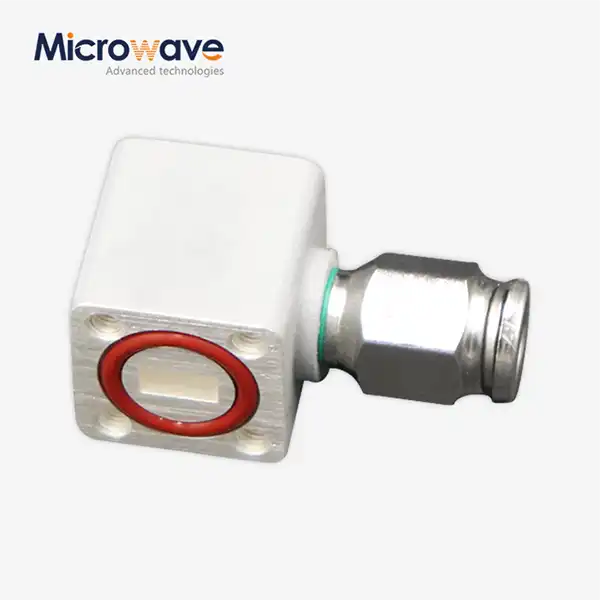 VIEW MOREInflatable Straight Waveguide
 VIEW MOREWG Band Stop Filter
 VIEW MORECoaxial Cable Connector
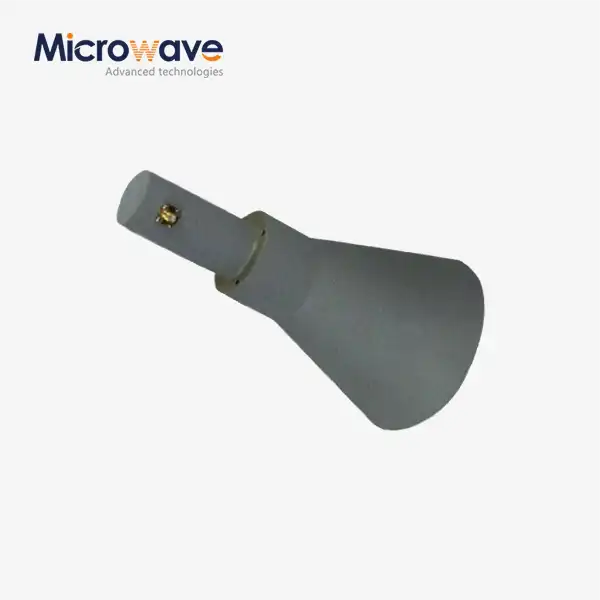 VIEW MORELadder Membrane Conical Dual circular Polarization Horn Antenna
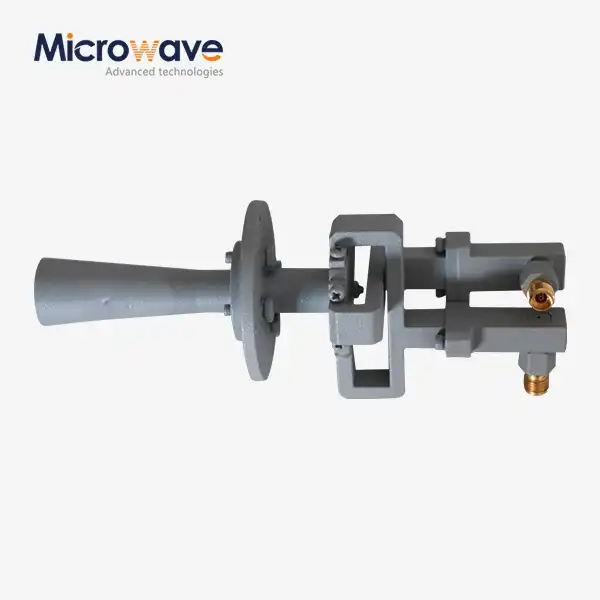 VIEW MOREConical Linear Polarization Horn Antenna
