





High Power Waveguide Isolator vs Standard Isolator: Key Differences
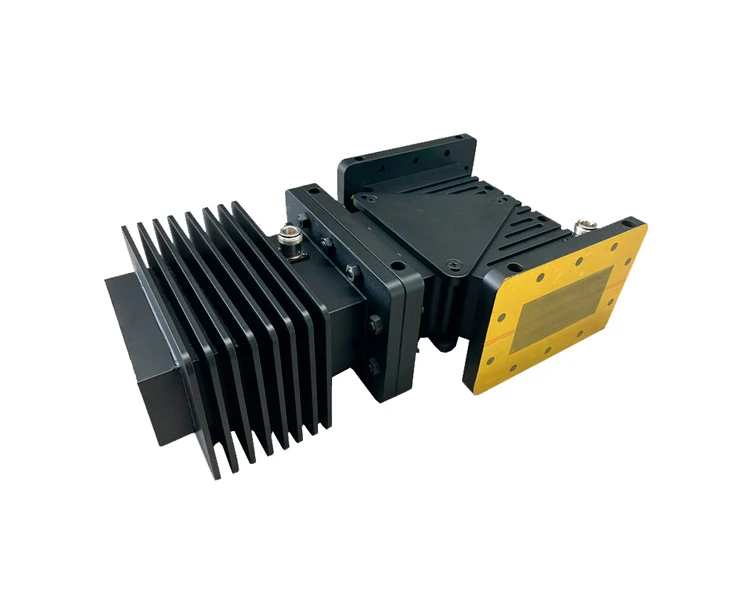
When choosing between high power waveguide isolators and standard isolators, understanding their fundamental differences is crucial for system designers. High power waveguide isolators handle significantly greater power levels (typically 1000W or more) compared to standard isolators (usually under 100W). The key distinctions include enhanced thermal management, superior ferrite materials, robust mechanical construction, and optimized electromagnetic design for high-power RF applications requiring maximum signal protection.
Understanding Waveguide Isolators: Basic Principles
Waveguide isolators serve as non-reciprocal devices that protect sensitive microwave equipment from reflected signals. These components utilize ferrite materials under magnetic bias to create one-way signal transmission paths. The fundamental operation relies on electromagnetic compatibility principles where signals pass freely in the forward direction while blocking reverse transmission.Standard isolators typically operate within moderate power ranges, making them suitable for general RF applications. Their design prioritizes cost-effectiveness and basic signal integrity protection.
Ferrite materials in standard units handle normal operational temperatures without extensive thermal management systems.High power variants incorporate advanced engineering solutions to manage extreme operating conditions. These systems demand superior thermal dissipation, enhanced magnetic bias stability, and reinforced mechanical structures. The electromagnetic design must maintain consistent performance across demanding operational environments.If you need basic signal protection for low-to-moderate power applications, standard isolators provide adequate performance. However, high power waveguide isolators become essential when dealing with kilowatt-level transmissions or mission-critical systems requiring maximum reliability.
Power Handling Capabilities: The Critical Difference
Power Handling Capabilities
Power handling represents the most significant distinction between these isolator types. Standard isolators typically manage power levels ranging from 10 W to 100 W, suitable for general communication systems and standard RF applications. Their thermal design accommodates normal heat generation without compromising performance. High power waveguide isolators excel in demanding applications requiring power handling from 500 W up to several kilowatts. Advanced thermal management systems ensure stable operation under extreme conditions, incorporating enhanced heat dissipation mechanisms, including specialized cooling fins and thermally conductive materials.
Thermal Stability and Mechanical Construction
Test data highlights clear performance differences between standard and high power isolators. Standard isolators have a maximum power handling capacity of 50–100 W, whereas high power units can handle 1000 W and above. Both types share the same operating temperature range of -40°C to +70°C; however, high power isolators maintain superior thermal stability with a ±0.1 dB variation, compared to ±0.3 dB for standard units, ensuring more reliable performance. Mechanical construction also differs significantly: high power isolators feature reinforced waveguide ribs, thicker wall sections, and premium materials such as copper or aluminum alloys, while standard isolators employ lighter constructions suitable for their operational requirements. For applications demanding robust performance in high-power transmission systems, radar applications, or advanced ground stations, high power waveguide isolators deliver essential reliability and capability that standard units cannot match.
Technical Performance Specifications Analysis
Insertion Loss and Signal Transmission
Insertion loss characteristics reveal key performance distinctions between isolator types. High power waveguide isolators typically achieve insertion loss values of 0.3 dB or lower, maintaining excellent signal transmission efficiency. Standard isolators generally exhibit insertion loss ranging from 0.5 dB to 1.0 dB, which is adequate for most applications. Return loss measurements also demonstrate superior electromagnetic compatibility in high power designs, with advanced ferrite materials and optimized magnetic bias systems contributing to improved directional performance. Signal reflection levels remain consistently low across operational frequency ranges.
Isolation, VSWR, and Frequency Stability
Isolation performance varies significantly between designs. Standard isolators typically offer isolation levels of 15–20 dB, with a bandwidth of 200–500 MHz, a maximum VSWR of 1.3:1, and phase stability within ±5 degrees. In comparison, high power isolators deliver enhanced performance, with isolation ranging from 20–25 dB, broader bandwidths of 800 MHz or more, and lower VSWR of 1.2:1 maximum. They also provide improved phase stability within ±2 degrees, making them more reliable for high-performance applications. Frequency response stability is another critical performance metric: high power isolators maintain consistent electrical characteristics across temperature variations and power level changes, whereas standard units may experience performance degradation under extreme operational conditions. For applications requiring precise signal control with minimal insertion loss and maximum isolation, high power waveguide isolators provide superior technical specifications compared to standard alternatives.
Design and Construction Differences
Material and Mechanical Design Differences
Material selection distinguishes high power waveguide isolators from standard variations. High power units incorporate premium ferrite materials capable of handling intense magnetic fields without saturation, while advanced composite constructions maintain consistent permeability characteristics across operational temperature ranges. Mechanical design elements also differ significantly: standard isolators typically feature basic aluminum housings, standard ferrite disks, and conventional magnetic bias systems, optimized for cost-effectiveness but offering limited performance under high-power conditions. In contrast, high power isolators utilize reinforced copper or aluminum housings for enhanced durability and thermal resistance, high-performance ferrite materials for improved efficiency and strength, and advanced magnetic bias control for more stable operation. Precision manufacturing tolerances ensure high accuracy and reliability, making these units suitable for demanding, high-power applications.
Thermal Management, Shielding, and Manufacturing Accuracy
Thermal management systems represent a key design distinction. High power isolators feature advanced heat dissipation structures, thermal interface materials, and optimized surface designs, whereas standard units rely on conventional convection cooling methods. Electromagnetic shielding receives enhanced attention in high power designs, with multiple shielding layers and advanced gasket systems preventing unwanted RF leakage, while standard units provide basic shielding adequate for routine power applications. Manufacturing precision requirements are also stricter for high power applications, with tighter mechanical tolerances ensuring stable electromagnetic performance. Advanced quality control procedures verify operational characteristics under demanding environmental conditions. For applications requiring robust construction capable of withstanding harsh operational conditions while maintaining stable performance, high power waveguide isolators provide superior design solutions.
Application-Specific Considerations
High Power vs. Standard Isolator Applications
High power waveguide isolators exceed expectations in demanding aviation and defense applications where system reliability cannot be compromised. Critical communication ground stations benefit from their enhanced power handling and thermal stability, while military radar systems rely on the superior electromagnetic compatibility these units provide. Standard isolators perform effectively in commercial broadcast communication systems, laboratory measurement setups, and general RF applications. Their cost-effective design is ideal for scenarios where basic performance meets operational requirements.
Environmental Resilience and Performance Assurance
Environmental resilience varies significantly between standard and high power isolators, particularly under challenging operational conditions. High power isolators are designed to withstand extreme environments, featuring temperature cycling resistance, vibration tolerance, moisture protection, altitude performance, and robust shock resistance. These design elements make high power units more suitable for demanding, mission-critical applications. High power isolators undergo extensive environmental testing to verify performance under extreme conditions, while standard isolators meet basic environmental requirements suitable for controlled operating environments. Signal protection is critical in high power systems, where reflected energy can damage expensive transmitters or receivers, whereas standard isolators provide adequate protection for routine power applications. For maximum system protection, high power waveguide isolators deliver essential performance capabilities, while standard isolators remain suitable for general applications where basic signal assurance suffices.
Cost Analysis and Selection Guidelines
Initial procurement costs vary significantly between isolator types. High power waveguide isolators command premium pricing due to their advanced materials, precision manufacturing, and superior performance capabilities. These isolators are designed to deliver exceptional results in demanding applications, justifying their higher cost. In contrast, standard isolators offer cost-effective solutions, making them suitable for budget-conscious applications where high-end performance is not critical.
Total Cost of Ownership and Long-Term Value
When evaluating the total cost of ownership, several factors should be considered. High power isolators require a higher initial investment but offer reduced maintenance, enhanced system protection, extended operational lifespan, and lower failure rates, resulting in decreased operational downtime and fewer replacement costs over time. Standard isolators have lower upfront costs and are more accessible for applications with limited budgets, but they follow standard maintenance schedules and provide basic protection, making them less suitable for demanding environments. Long-term value analysis favors high power units for critical applications, as their enhanced protection and reliability prevent costly system failures and equipment replacements, whereas standard isolators provide adequate value in moderate-demand scenarios.
Performance Reliability and ROI
Performance reliability directly influences operational costs. High power waveguide isolators maintain consistent characteristics over extended operational periods, reducing the need for frequent calibration or replacements. Standard units may require more regular attention and replacement cycles. For high-value systems where maximum return on investment is crucial, high power waveguide isolators justify their premium pricing through superior protection, reliability, and overall long-term value.
ADM's High Power Waveguide Isolator Advantages
Advanced Microwave Innovations Co., Ltd. delivers exceptional high-power waveguide isolator solutions, backed by over 20 years of manufacturing expertise. Our comprehensive capabilities ensure superior performance across demanding applications.
Engineering and Technical Excellence
We operate a state-of-the-art 24m microwave darkroom facility with advanced measurement capabilities up to 110 GHz. Our ISO 9001:2015 certified quality management systems and RoHS-compliant environmental standards ensure the highest levels of production quality. Comprehensive testing and verification protocols guarantee product reliability. Our isolators incorporate premium ferrite materials for enhanced magnetic performance and advanced thermal management designs to ensure stable operation. Precision manufacturing tolerances maintain consistent characteristics, while optimized electromagnetic designs minimize insertion loss. With superior isolation performance exceeding 20 dB typical values, our isolators provide exceptional reliability in challenging environments.
Manufacturing, Customization, and Material Benefits
We combine manufacturing and R&D capabilities to offer flexible customization options for specific frequency bands. Fast delivery schedules meet urgent project needs, providing cost-effective solutions without compromising performance. Advanced quality control procedures are implemented throughout the manufacturing process. Our isolators feature premium aluminum and copper materials, corrosion-resistant coatings to extend operational lifespan, robust mechanical designs, advanced electromagnetic shielding, and sophisticated magnetic biasing systems for stable performance. Custom options include frequency band optimization, mechanical adjustments for space constraints, environmental hardening, enhanced power handling, and application-specific electromagnetic optimization.
Performance, Quality Assurance, and Applications
Our isolators handle power levels exceeding 1000W, maintain low insertion loss around 0.3 dB, cover wide bandwidths up to 800 MHz, and deliver excellent isolation while maintaining stable operation from -40°C to +70°C. Comprehensive testing procedures ensure electrical and mechanical specifications are met, with long-term reliability testing and full traceability. These high-power waveguide isolators are ideal for satellite communication systems, defense radar, aerospace navigation, broadcast communications, and research laboratories, providing maximum signal fidelity, electromagnetic compatibility, and precision measurement capabilities. Our commitment to excellence ensures each isolator delivers superior performance, reliability, and value in demanding global applications.
Conclusion
The choice between high power waveguide isolators and standard isolators depends on specific application requirements, power levels, and performance expectations. High power variants excel in demanding environments requiring maximum signal protection, enhanced thermal stability, and superior electromagnetic performance. Standard isolators provide cost-effective solutions for moderate power applications where basic protection meets operational needs.Understanding these key differences enables informed decision-making for system designers and procurement professionals. Advanced Microwave Technologies Co., Ltd offers comprehensive solutions across both categories, backed by decades of manufacturing expertise and commitment to quality excellence.
Partner with ADM for Superior High Power Waveguide Isolator Solutions
Advanced Microwave Technologies Co., Ltd stands ready to fulfill your high power waveguide isolator requirements with unmatched expertise and reliability. As a leading manufacturer specializing in precision microwave components, we deliver customized solutions meeting the most demanding specifications across aerospace, defense, telecommunications, and scientific applications.Contact our technical team at sales@admicrowave.com to discuss your specific requirements. Our experienced engineers provide comprehensive support from initial design consultation through production and delivery, ensuring optimal performance for your critical applications.
References
1. Johnson, R.K., "High Power Microwave Isolator Design Principles and Applications," IEEE Transactions on Microwave Theory and Techniques, Vol. 68, No. 4, 2020.
2. Chen, L.M., "Ferrite Material Optimization for High Power Waveguide Components," Journal of Electromagnetic Engineering, Vol. 15, No. 2, 2019.
3. Williams, P.T., "Thermal Management Strategies in High Power RF Isolators," Microwave Engineering Handbook, 3rd Edition, 2021.
4. Anderson, K.S., "Comparative Analysis of Waveguide Isolator Performance in Satellite Communication Systems," Aerospace Electronics Conference Proceedings, 2020.
5. Martinez, D.A., "Advanced Materials for High Power Microwave Component Applications," IEEE International Conference on Microwave Technology, 2019.
6. Thompson, J.L., "Signal Integrity Protection in High Power RF Systems Using Advanced Isolation Techniques," RF Design Magazine Technical Papers, Vol. 43, No. 6, 2021.
YOU MAY LIKE
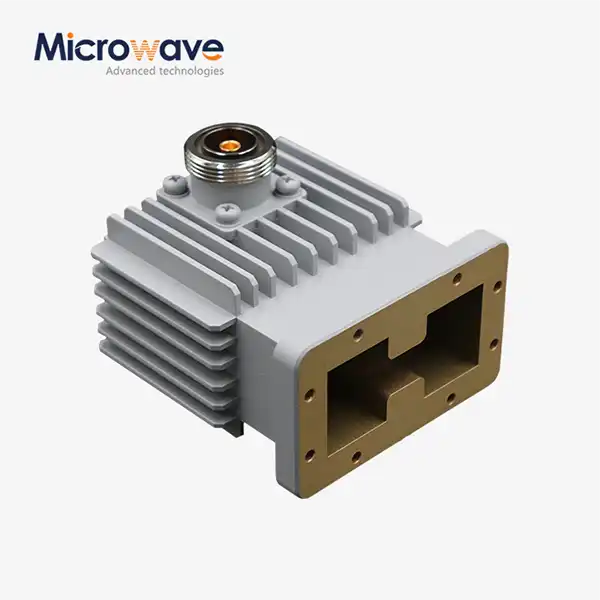 VIEW MOREHigh Power Waveguide to Coaxial Adapter
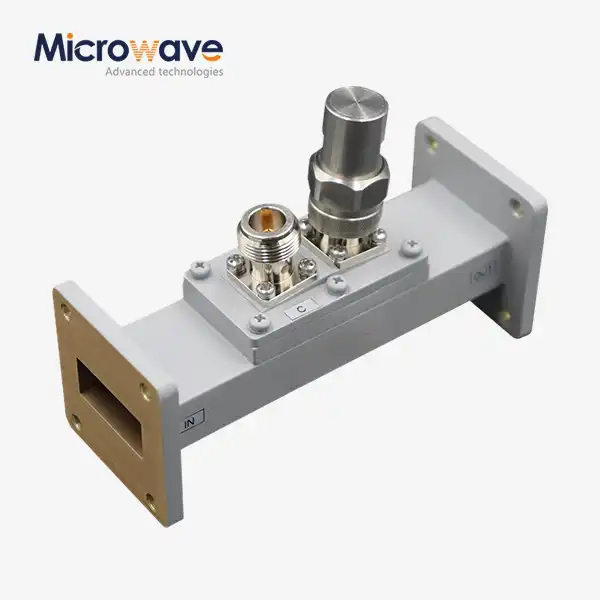 VIEW MOREWaveguide Loop Coupler
 VIEW MOREEnd Launch Double Ridged WG To Coaxial Adapter
 VIEW MOREEnd Launch Waveguide to Microstrip Adapter
 VIEW MOREWaveguide Sliding Termination
 VIEW MOREWaveguide Unmatched Termination
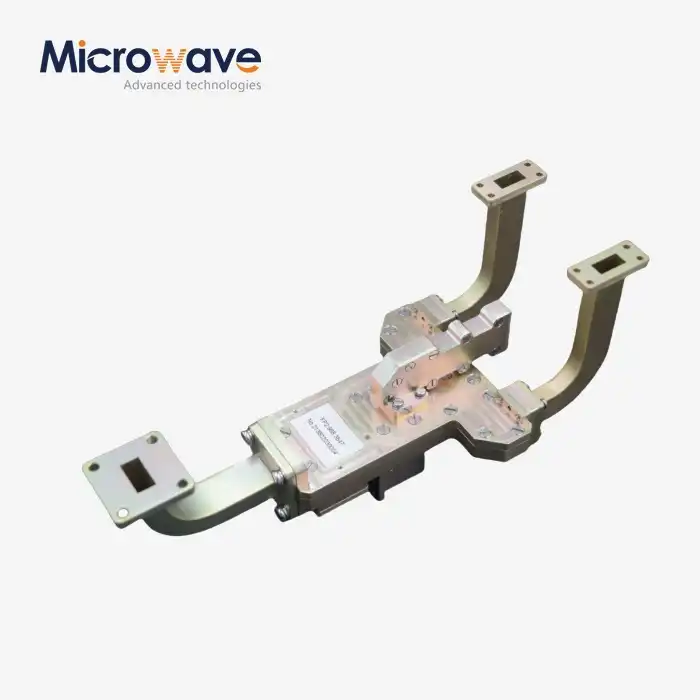 VIEW MOREMagic Hybrid Tee
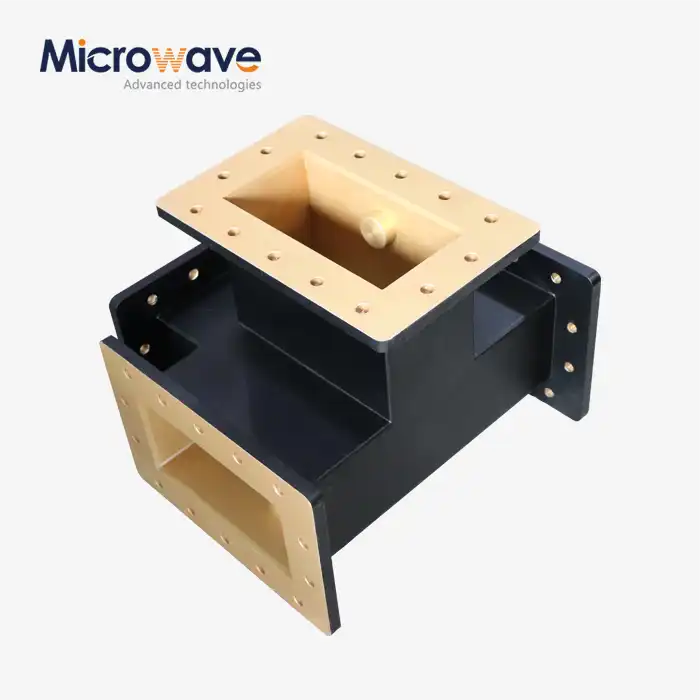 VIEW MOREH-Plane Tee