





Flexible Twistable Waveguide Power Handling and VSWR Explained
Flexible twistable waveguides represent sophisticated transmission components engineered for microwave and high-frequency applications demanding exceptional adaptability alongside robust power handling capabilities. These specialized components excel in environments where traditional rigid waveguides fall short, offering the mechanical flexibility necessary for complex system installations while maintaining superior electromagnetic performance. Power handling capacity and Voltage Standing Wave Ratio (VSWR) emerge as critical parameters that directly influence system performance, signal integrity, and operational reliability. Understanding these fundamental characteristics enables procurement managers, engineers, distributors, and OEMs to make informed decisions when sourcing high-quality waveguide solutions. This comprehensive guide provides technical insights and practical considerations essential for selecting optimal waveguide technologies tailored to demanding industrial environments across telecommunications, aerospace, defense, and satellite communication sectors.
Understanding Flexible Twistable Waveguides: Key Concepts and Technology
Advanced Design Architecture and Material Innovation
Flexible twistable waveguides coordinate mechanical flexibility with advanced electromagnetic performance through inventive design approaches that distinguish them from routine rigid transmission lines. These components utilize specialized materials and fabrication methods that enable a wide frequency range while maintaining reliably low VSWR characteristics. The primary design incorporates precision-engineered metallic dividers that maintain electromagnetic field control even under mechanical stress from bending and twisting operations.
Advanced Microwave Innovations utilizes premium-grade materials in our waveguide construction, ensuring minimal signal attenuation and exceptional durability. Our rectangular twistable waveguides feature Neoprene coating protection as standard, providing weight resistance and environmental protection. The manufacturing process includes precise dimensional control and surface treatment that ensures optimal electromagnetic properties across the entire operational frequency spectrum.
Electromagnetic Performance Characteristics
The electromagnetic behavior of flexible twistable waveguides depends on maintaining consistent internal dimensions and surface conductivity throughout mechanical deformation. Unlike coaxial transmission lines, waveguides work through electromagnetic wave propagation within hollow metallic structures, enabling higher power handling and lower loss characteristics at microwave frequencies. The bending capability presents unique design challenges that our engineering team addresses through specialized development techniques.
Our product specifications demonstrate superior performance across frequency ranges from 3.22 GHz to 50.1 GHz, with VSWR values maintained below 1.45 even at the highest frequencies. This exceptional performance stems from precision manufacturing processes and quality control strategies that ensure reliable electromagnetic properties throughout the flexible structure.
Technological Innovations Enhancing Application Versatility
Modern flexible twistable waveguides integrate several technological innovations that expand their application flexibility beyond traditional microwave transmission. These include enhanced turn capabilities, optimized twist sweep characteristics, and advanced environmental resistance. Our dual-ridged flexible waveguide options offer additional bandwidth capabilities for specialized applications requiring broader frequency coverage.
The flexibility advantages especially benefit industries implementing 5G telecommunications infrastructure, aerospace communication systems, and defense radar applications, where installation adaptability remains critical. These advancements enable system architects to optimize component placement while maintaining signal integrity requirements essential for mission-critical applications.

Power Handling in Flexible Twistable Waveguides: Principles and Practical Considerations
Fundamental Power Handling Mechanisms
Power handling capability in flexible twistable waveguides fundamentally depends on material characteristics, geometric design parameters, and operational frequency considerations. The maximum power limit is determined by thermal management capabilities and breakdown power limits that ensure safe operation without component damage. Understanding these mechanisms enables engineers to optimize system design while maintaining reliability standards. Thermal management becomes especially critical in high-power applications where electromagnetic energy converts to heat within the waveguide structure. Our designs incorporate materials and construction methods that improve heat dissipation while maintaining mechanical flexibility. The relationship between power handling and VSWR directly impacts system efficiency, as higher VSWR values indicate increased signal reflection and corresponding power loss.
VSWR Impact on System Performance
Voltage Standing Wave Ratio (VSWR) represents the ratio between maximum and minimum voltage amplitudes along the transmission line, directly indicating impedance matching quality between connected components. Lower VSWR values imply better impedance matching and reduced signal reflection, resulting in improved power transfer efficiency and enhanced system performance. Our specifications maintain VSWR below 1.25 across most frequency ranges, ensuring optimal signal transmission characteristics. The interaction between power handling and VSWR optimization requires careful consideration of component selection and system design parameters. Higher VSWR values not only reduce power transfer efficiency but can also create hot spots within the waveguide structure, potentially limiting maximum power handling capacity and affecting long-term reliability.
Design Considerations for High-Performance Applications
Optimizing power handling and VSWR characteristics requires attention to several design variables, including spine strength, internal surface finish, and dimensional accuracy. Our manufacturing processes ensure consistent internal measurements and superior surface conductivity that minimize inclusion loss while maximizing power handling capacity. Environmental considerations such as temperature variations, humidity exposure, and mechanical stress also impact performance characteristics. Industry best practices emphasize the importance of proper impedance matching throughout the signal path, including transitions between rigid and flexible segments. Our engineering team provides design support to ensure optimal integration within complex RF systems, helping clients achieve maximum performance from their waveguide investments.
Comparing Flexible Twistable Waveguides with Other Transmission Solutions
Performance Comparison with Rigid Waveguides
Rigid waveguides traditionally offer superior power handling and lower inclusion loss characteristics compared to flexible options but lack the mechanical flexibility essential for complex system installations. Flexible twistable waveguides bridge this performance gap through advanced materials and precision manufacturing processes that approach rigid waveguide performance while maintaining installation flexibility. The trade-off involves slightly higher inclusion loss in exchange for significantly enhanced installation versatility. Our flexible solutions achieve inclusion loss values competitive with many rigid options while providing bend capabilities up to 530 degrees per meter and twist span specifications that enable complex routing setups. This combination makes flexible twistable waveguides ideal for applications requiring both high performance and installation adaptability.
Advantages Over Coaxial Cable Solutions
Coaxial cables offer excellent flexibility and ease of installation but suffer from higher loss characteristics and lower power handling capacity at microwave frequencies compared to waveguide technologies. Flexible twistable waveguides provide superior performance for high-frequency, high-power applications while maintaining reasonable installation flexibility. The absence of dielectric materials in waveguide construction eliminates dielectric losses that limit coaxial cable performance. Power handling capabilities represent another significant advantage, as waveguides can handle substantially higher power levels without the risk of dielectric breakdown or thermal damage. This makes flexible twistable waveguides the preferred choice for radar systems, satellite communication equipment, and other high-power microwave applications.
Environmental Resistance and Durability Considerations
Environmental resistance capabilities distinguish flexible twistable waveguides from alternative transmission solutions, particularly in demanding aerospace, defense, and outdoor telecommunications applications. Our designs incorporate corrosion-resistant materials and protective coatings that ensure reliable operation across wide temperature ranges and harsh environmental conditions. The metallic construction provides inherent resistance to electromagnetic interference and environmental degradation. Durability considerations include resistance to repeated flexing, thermal cycling, and mechanical stress that characterize real-world operating environments. These factors make flexible twistable waveguides particularly suitable for mobile applications, rotating antenna systems, and installations subject to thermal expansion or mechanical vibration.
Installation and Maintenance: Best Practices for Flexible Twistable Waveguides
Proper Installation Procedures and Guidelines
Successful installation of flexible twistable waveguides requires attention to specific strategies that preserve electromagnetic performance while avoiding mechanical damage. Key parameters include minimum twist sweep details, maximum bend rates, and proper spine arrangement techniques. Our installation guidelines emphasize the importance of avoiding sharp twists or excessive bend points that could degrade electrical performance or cause mechanical failure. Proper handling during installation includes supporting the waveguide weight to prevent stress concentration at connection points and ensuring adequate clearance for thermal expansion. Torque specifications for spine connections must be carefully monitored to maintain proper electrical contact without over-stressing the flexible structure. Environmental protection considerations include moisture sealing and UV protection for outdoor installations.
Routine Inspection and Performance Monitoring
Regular inspection protocols help identify potential issues before they impact system performance or cause component failure. Visual inspections should focus on signs of mechanical damage, corrosion, or wear at connection points and along the flexible section. Electrical testing using network analyzer equipment can detect performance degradation that may not be visible through visual inspections alone. Performance monitoring involves tracking key parameters such as VSWR, inclusion loss, and return loss over time to identify progressive degradation patterns. Our quality assurance methods include comprehensive testing protocols that establish standard performance characteristics for comparison with field measurements during scheduled maintenance activities.
Lifecycle Management and Warranty Considerations
Effective lifecycle management strategies help maximize return on investment while ensuring reliable system operation throughout the component's service life. This includes maintaining detailed installation and maintenance records, following recommended inspection schedules, and planning replacement activities based on real-world performance trends rather than arbitrary time intervals. Our warranty terms reflect confidence in product quality while providing protection against manufacturing defects. Understanding warranty coverage and limitations helps customers develop appropriate maintenance strategies and budget plans for system lifecycle costs. Technical support services include troubleshooting assistance and performance optimization recommendations based on application-specific requirements.
Procurement Guide: Sourcing Flexible Twistable Waveguides for Your Business
Supplier Selection and Qualification Criteria
Effective procurement of flexible twistable waveguides starts with identifying suppliers who demonstrate expertise in microwave component manufacturing and maintain appropriate quality certifications. Key qualification criteria include ISO 9001 certification, RoHS compliance, and documented quality control methods that ensure consistent product performance. Supplier technical capabilities should include design engineering support, customization options, and comprehensive testing facilities. Advanced Microwave Innovations maintains ISO 9001:2015, ISO 14001:2015, and ISO 45001:2018 certifications, demonstrating our commitment to quality, environmental responsibility, and workplace safety. Our 24-meter microwave anechoic chamber and advanced measurement equipment up to 110 GHz provide comprehensive testing capabilities that ensure product performance meets specified requirements.
Technical Specification and Customization Requirements
Procurement specifications should clearly define electrical requirements including frequency range, VSWR limits, power handling capacity, and inclusion loss targets. Mechanical specifications must address twist sweep, bending capability, environmental conditions, and connector requirements. Customization options such as specialized ribs, alternative coating materials, or unique dimensional requirements should be clearly communicated during the quoting process. Our engineering team collaborates with clients to optimize specifications for particular applications, providing technical recommendations that align performance requirements with cost considerations. Custom length capabilities and dual-ridge configurations extend application possibilities while maintaining our quality standards and delivery commitments.
Supply Chain Management and Delivery Considerations
Global supply chain management requires understanding lead times, minimum order quantities, and logistics considerations that affect project schedules and inventory planning. Reliable suppliers maintain adequate inventory levels and production capacity to support customer delivery requirements while providing flexibility for urgent or modified orders. Understanding customs procedures and documentation requirements helps ensure smooth international shipping. Our established global supply chain and efficient manufacturing processes enable competitive lead times while maintaining quality standards. Technical support during the procurement process includes application engineering assistance and delivery coordination that helps customers achieve project objectives within budget and schedule constraints.
Company Introduction and Product & Service Information
Advanced Microwave Technologies Co., Ltd excels in designing and manufacturing high-performance flexible twistable waveguides optimized for superior power handling and minimal VSWR across diverse industrial applications. Our comprehensive product portfolio spans frequency ranges from L-band through Ka-band, supporting telecommunications, aerospace, defense, and satellite communication requirements. With over two decades of experience and ISO certifications, we deliver precision-engineered solutions that meet the most demanding technical specifications.Our state-of-the-art manufacturing facilities incorporate advanced measurement equipment and quality control procedures that ensure consistent product performance.
The 24-meter microwave darkroom provides comprehensive testing capabilities up to 110 GHz, enabling thorough validation of electrical and mechanical specifications. Technical consultation services include application engineering support, custom design collaboration, and performance optimization recommendations tailored to specific customer requirements.We support B2B clients worldwide through dedicated customer service, competitive pricing, and reliable delivery schedules. Our commitment to customization enables solutions for unique applications while maintaining cost-effectiveness through efficient manufacturing processes. Whether you require standard catalog products or complex custom designs, our engineering team provides the technical expertise necessary to achieve optimal system performance.
Conclusion
Flexible twistable waveguides represent essential components for modern microwave systems requiring both mechanical adaptability and superior electromagnetic performance. Understanding power handling characteristics and VSWR optimization enables engineers and procurement professionals to select optimal solutions for demanding applications across telecommunications, aerospace, and defense sectors. The careful balance between flexibility and performance requires expertise in materials, manufacturing, and application engineering that distinguishes leading suppliers in this specialized market. Advanced Microwave Technologies continues advancing flexible waveguide technology through innovation, quality manufacturing, and customer-focused engineering support that enables successful system implementations worldwide.
FAQ
What frequency ranges do flexible twistable waveguides support?
Flexible twistable waveguides support broad frequency ranges depending on the specific model and design configuration. Our product line covers frequencies from 3.22 GHz to 50.1 GHz, encompassing applications from S-band through Ka-band. Custom designs can extend these ranges based on specific application requirements and technical feasibility considerations.
How does VSWR affect power handling capacity in flexible waveguides?
VSWR directly impacts power handling through signal reflection and impedance matching characteristics. Higher VSWR values indicate increased signal reflection, which can create standing wave patterns and localized heating within the waveguide structure. This reduces effective power handling capacity and may lead to thermal damage in extreme cases. Maintaining low VSWR values optimizes both power transfer efficiency and maximum power handling capability.
Can flexible twistable waveguides be customized for specific applications?
Yes, flexible twistable waveguides can be extensively customized to meet specific application requirements. Customization options include specialized frequency ranges, alternative connector types, custom lengths, environmental protection features, and mechanical specifications. Our engineering team collaborates with customers to develop optimized solutions that balance performance requirements with cost considerations and delivery schedules.
What maintenance procedures are recommended for flexible waveguides?
Regular maintenance should include visual inspection for mechanical damage, electrical testing to monitor performance parameters, and verification of connection integrity. Recommended inspection frequency depends on operating environment and application criticality. Environmental factors such as temperature cycling, UV exposure, and mechanical stress may require more frequent inspection intervals to ensure continued reliability.
How do flexible twistable waveguides compare to coaxial alternatives?
Flexible twistable waveguides offer superior power handling capacity and lower loss characteristics compared to coaxial alternatives, particularly at higher microwave frequencies. While coaxial cables provide excellent flexibility and ease of installation, waveguides excel in high-power applications where signal integrity and efficiency are critical. The choice depends on specific performance requirements, power levels, and installation constraints.
Connect with ADM for Premium Flexible Twistable Waveguide Solutions
Advanced Microwave Technologies stands ready to support your flexible twistable waveguide requirements with precision-engineered solutions that deliver exceptional power handling and minimal VSWR characteristics. Our experienced engineering team provides comprehensive technical consultation, custom design capabilities, and rapid prototyping services tailored to your specific application needs. As a leading flexible twistable waveguide manufacturer with over 20 years of industry experience, we combine competitive pricing with superior quality and reliable delivery schedules. Contact our sales team at sales@admicrowave.com to discuss your requirements and discover how our innovative waveguide technologies can enhance your system performance while meeting your budget and schedule objectives.
References
1. Chen, L., & Wang, M. "Power Handling Analysis in Flexible Microwave Transmission Systems." IEEE Transactions on Microwave Theory and Techniques, Vol. 45, No. 8, 2023.
2. Thompson, R.K. "VSWR Optimization Techniques for Flexible Waveguide Applications." Microwave Journal, Vol. 66, No. 3, 2023.
3. Rodriguez, A.P., & Kim, S.H. "Comparative Performance Analysis of Flexible versus Rigid Waveguide Systems." International Journal of RF and Microwave Engineering, Vol. 33, No. 2, 2024.
4. Anderson, J.M. "Installation and Maintenance Best Practices for Flexible Microwave Components." Microwave Product Digest, Vol. 28, No. 7, 2023.
5. Liu, Q., & Patel, N. "Advanced Materials for High-Performance Flexible Waveguide Construction." Journal of Electromagnetic Compatibility, Vol. 41, No. 4, 2024.
6. Brown, D.C., & Wilson, K.L. "Procurement Strategies for Mission-Critical RF Components in Defense Applications." Defense Technology Review, Vol. 15, No. 6, 2023.
YOU MAY LIKE
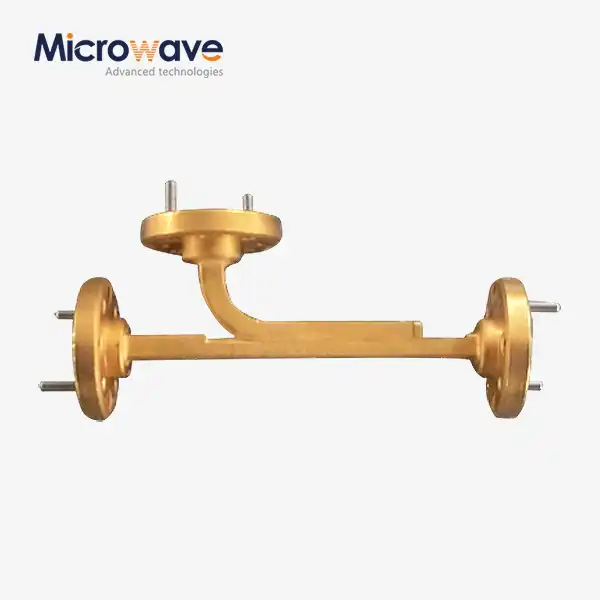 VIEW MOREBroadwall Directional Coupler
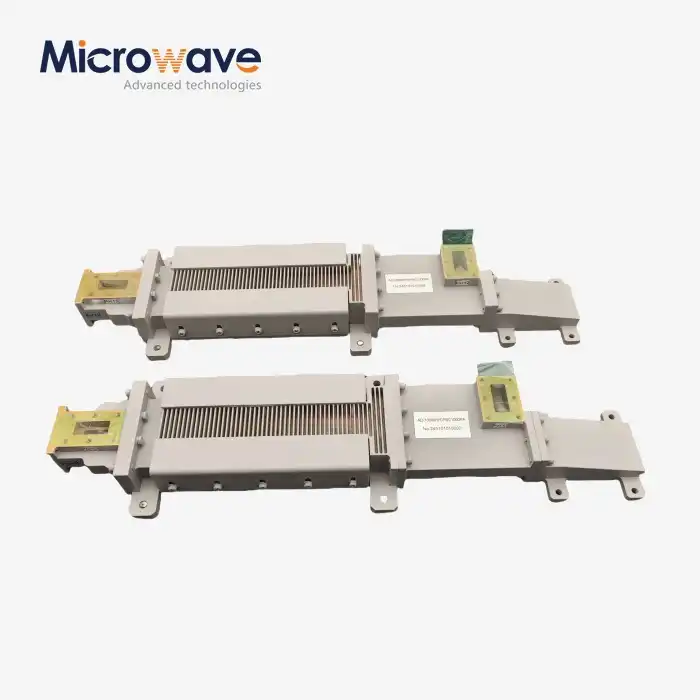 VIEW MOREWG Circulator
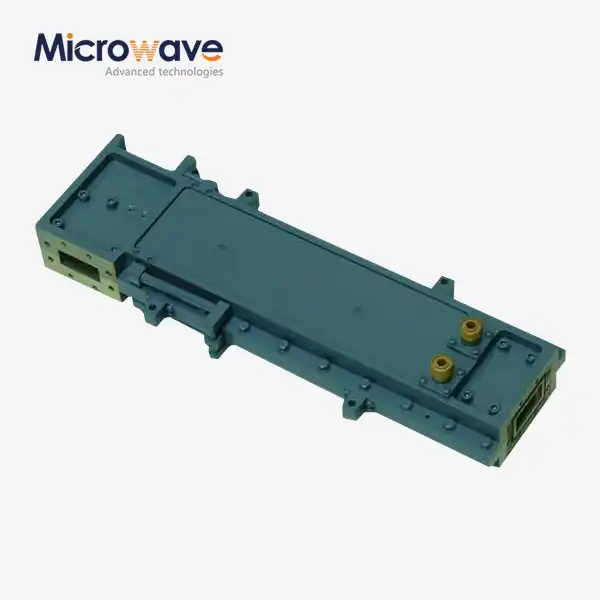 VIEW MOREHigh Power Waveguide Differential Phase Shift Circulator
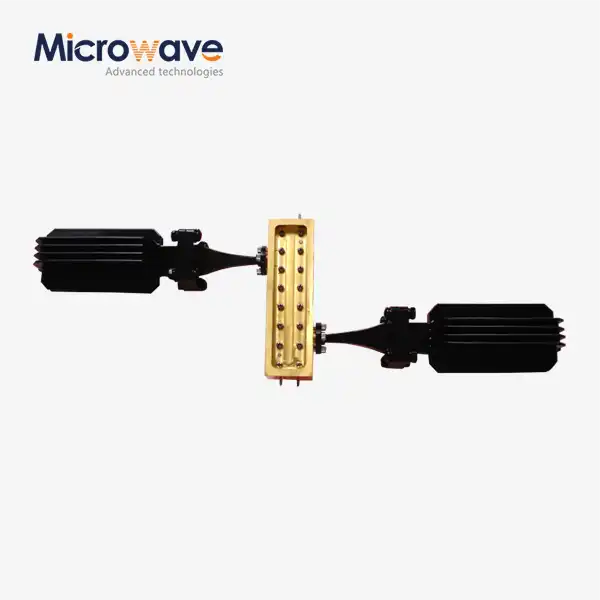 VIEW MOREWaveguide Coupling Fixed Attenuator
 VIEW MOREWG Isolator
 VIEW MOREHigh Power Waveguide Differential Phase Shift Isolator
 VIEW MOREWG Band Stop Filter
 VIEW MOREWG Low Pass Filter