





Coaxial Detectors in EW Systems: SWaP-C Considerations
For signal detection and power measurement across broadband microwave frequencies in electronic warfare (EW) environments, coaxial detectors are essential components. These gadgets change high-frequency radio waves (RF) signals into outputs that can be measured. This lets system operators keep a close eye on electromagnetic activity. Procurement engineers who want to put together reliable, mission-ready EW platforms need to know how the Size, Weight, Power, and Cost (SWaP-C) parameters affect the choice of detectors.
Understanding Coaxial Detectors and Their Role in EW Systems
What Makes Coaxial Detectors Essential for EW Operations?
Coaxial detectors turn microwave signals with a high frequency into low-frequency or DC outputs. This lets you see the electromagnetic spectrum in real time. In EW systems, where speed and accuracy are key to mission success, these devices help operators quickly find threats, label them, and act on them. The Advanced Microwave Technologies Co., Ltd. makes microwave broadband coaxial detectors with point contact diodes and custom microwave broadband matching circuits. This design has great sensitivity for sensing, low standing wave coefficients, high output voltage, strong overload capacity, and good anti-interference performance.
Our coaxial detector solutions are used in electronic countermeasures, radar systems, navigation platforms, and microwave measurement gear. Each device goes through strict quality control and testing in labs with high-tech measuring tools that can handle frequencies up to 110 GHz. This makes sure that the devices meet ISO 9001:2008 and RoHS standards.
How Does Coaxial Configuration Enhance Signal Processing?
The coaxial structure has built-in advantages over other detector architectures. By having a cylinder shape, these detectors keep their impedance matching stable over a wide frequency range. This lowers signal reflection and increases energy transfer. Rapid reaction times are possible with the point contact diode configuration, which is very important for tracking signals that change quickly in electromagnetic environments with a lot of interference. The coaxial design is better at stability and dynamic range than planar or scintillation-based detectors. This means that operators can measure both weak and strong signals without having to recalibrate the detector.
Real-World Use Cases in Defence and Aerospace
In many areas of defence, our coaxial detector technology is used in mission-critical situations. These detectors are used by radar systems to measure the power that is sent and received. This makes sure that targets are accurately found and tracked. They are used by electronic countermeasure platforms to keep an eye on the strength of jamming signals and make the best use of interference patterns. When measuring beacon signal levels, they are very accurate, which helps navigation equipment. For testing and validating equipment, microwave measurement systems depend on their calibrated accuracy. Each application needs goods that are always reliable, even in difficult environments. Our products always meet these needs.

SWaP-C Challenges in EW Systems and How Coaxial Detectors Address Them?
Breaking Down the SWaP-C Equation
Every purchase choice in the current EW system development is based on size, weight, power, and cost. Detectors can only be put in certain places in busy equipment bays because of their size. Platform movement and fuel economy are limited by their weight, especially in airborne and unmanned systems. The amount of power used affects both operating longevity and temperature control. Cost affects both the budget for the initial purchase and the budget for the rest of the item's life, which includes repairs and replacements.
Professionals in procurement have to keep performance standards high while balancing these different factors. The ADM-618CDSS coaxial detector type is a good example of this balance. It only weighs 9.92 grams and can work with frequencies from 6 to 18 GHz, with a sensitivity of -45 dBm.
Compact Design Without Performance Compromise
Through advanced engineering, our coaxial detectors are able to become incredibly small. The aluminum cavity construction keeps the structure strong while keeping the weight down. The SMA-female and SMA-male connector types let you join directly to current RF chains without using big adapters. The small size, which was made possible by carefully choosing the right components and circuit layout, makes it possible to put in places with limited room, like avionics bays and portable EW gear.
Even though they are small, these detectors work very well electrically. A normal VSWR of 1.4:1 makes sure that signals are reflected as little as possible, and a sensitivity of 0.5 mV/µW lets weak signals be picked up. The maximum input power handling of 23 dBm gives you room to move around when measuring, and the leakage standard of -17 dBm typically saves the electronics further down the line.
Power Efficiency and Thermal Management
Power consumption has a direct effect on how long an EW system lasts. Our coaxial detectors work quietly, which means they don't need an outside power source to change signals. This feature of using no power gets rid of worries about heat loss and makes batteries last longer in handheld systems. This passive operation is possible with point-contact diode technology, which also keeps reaction times low. This is something that other detection technologies rarely manage.
Environmental adaptability makes operations even more reliable. Because they are made to work in a wide range of temperatures, with water, and with mechanical vibration, these detectors keep their calibrated performance over time. This makes it more durable, which cuts down on field repair needs and unexpected downtime, which lowers the total cost of ownership.
Cost Considerations Across the Procurement Lifecycle
Aside from the original buy price, procurement managers also need to think about the costs of ownership over time. There are several ways that our coaxial detectors help the economy. The strong design means that it doesn't need to be replaced as often, and the fact that it meets ISO and RoHS standards means that it can be used in all foreign markets. Customizable frequency ranges and connector types make inventory less complicated and allow standardization across a number of different platform types.
Our OEM services add value by offering quick prototypes, technical support throughout the lifecycle of the product, and quick turnaround times that allow for tight deployment schedules. These features help buying teams keep the supply chain flexible while lowering the cost of engineering.
Comparative Analysis: Coaxial Detectors vs. Alternative Detector Technologies
Performance Metrics That Matter
Procurement engineers have to look at sensitivity, frequency bandwidth, linearity, and weather stability when they look at detection technologies for EW uses. In all of these ways, coaxial detectors are the best. The lowest level of sensitivity that can be picked up is -45 dBm, which means that our products can pick up weak emissions from long distances. Operational frequency coverage is based on bandwidth. The ADM-618CDSS's 6–18 GHz range includes important radar and communication bands. Linearity makes sure that measurements are accurate even when signal strengths change, and environmental tolerance makes sure that the device works well in the field.
Alternative technologies present trade-offs. Planar detectors are small, but they usually lose bandwidth. For some uses, scintillation detectors are very sensitive, but they don't have the wide coverage that is needed for general EW use. Tunnel diode detectors respond quickly, but they need precise bias control, which makes the system more complicated.
Application-Driven Selection Criteria
Picking the best coaxial detector technology varies with the needs of the task. For accurate link budget measurements, satellite communication ground stations put a high value on frequency stability and low VSWR. For pulse detection, aerospace radar systems need a wide dynamic range and a quick response time. For electronic countermeasure tools to work in high-power jamming situations, they need to be able to handle overloads well. The accuracy of test and measurement labs must be standardized and able to be tracked back to national standards.
Our coaxial detectors can meet all of these different needs because they can be customized. You can choose from frequency ranges below 6 GHz all the way up to millimetre-wave bands. Types of connectors can work with either normal or ruggedized connections. Detection accuracy and power handling can be changed to fit the needs of each application. This gives system designers the freedom to choose the best detectors for each use case.
Supplier Reliability and Quality Assurance
Working with reputable manufacturers guarantees access to parts, technical support, and adherence to standard operating procedures. Every time they work with a customer, Advanced Microwave Technologies Co., Ltd. brings more than 20 years of experience with microwave products. Our ISO 9001:2008 approval shows that we are dedicated to quality management systems, and our RoHS compliance shows that we care about the environment. Our 24-meter microwave lab is where all of our products are tested in detail. This room is perfect for accurately characterizing antennas and parts across our entire frequency range.
Selecting and Procuring Coaxial Detectors for EW Applications: Best Practices
Defining Technical Requirements
Clear specification development is the first step in effective procurement. The frequency range needs to match the operating bands. For example, communication systems might need coverage from 6 to 18 GHz, and radar uses might need to go up to the Ka-band. For EW applications, the detection sensitivity should be equal to the weakest signal levels that are likely to be present. This is usually between -50 and -30 dBm. The way input power is handled needs to be able to handle the strongest signals, with a safety limit for short-term overloads.
VSWR standards change how well a system works as a whole. Values less than 1.5:1 reduce mirror loss and make measuring easier. Connector types should match the interface standards that are already in place. For example, SMA connectors are still common for lab and moderate-frequency uses, while ruggedized versions are better for harsh environments. When planning for system integration, it's important to pay close attention to physical limits like size, weight, and mounting choices.
Evaluating Supplier Capabilities
Along with product specifications, criteria for choosing a provider should include the buyer's ability to manufacture, provide expert help, and ensure reliable logistics. We keep up-to-date production sites that are vertically linked, which lets us customize coaxial detectors without having to wait longer for them to arrive. From reviewing the initial specifications to helping with installation and troubleshooting, our engineering team offers full technical support.
Global transportation networks make sure that goods are delivered on time in all international markets. Our supply chain management makes sure that the schedule stays on track, whether they are buying prototypes to test or production quantities to put into the field. Warranty terms and help after the sale protect procurement investments, and our dedication to ongoing improvement makes sure that products change to meet new needs.
Bulk Procurement Strategies
Strategic methods to buying help with large-scale deployments. Volume pricing lowers the cost per item while keeping quality standards high. Using the same models of detectors across different types of platforms makes it easier to keep track of inventory and train technicians. Long-term supply agreements make costs predictable and guarantee availability during programs that last more than one year.
Through joint engineering, our OEM services help these methods work with coaxial detectors. For certain program needs, custom combinations can be made, and then they can be made in large quantities with uniform quality. System approval processes are sped up by technical paperwork files that include test data, reliability standards, and integration guidelines. With these services, buying parts becomes a smart relationship that helps the program succeed.
Conclusion
Coaxial detectors have been used for a long time to reliably pick up signals from EW systems in even the most difficult operating settings. SWaP-C optimization, which is possible with advanced materials, a small design, and power-efficient operation, lets it be used on platforms that are limited in size and weight without sacrificing capability. Value is maximized throughout the lifecycle of a product by carefully choosing suppliers and putting a buying plan into action. Advanced Microwave Technologies Co., Ltd. is a trusted partner for buying mission-critical RF components because they have decades of experience making them and offer full professional support. Our ISO-certified products meet the strictest standards for quality and the environment. They can also be easily customized to meet the needs of each application.
FAQ
1. What frequency ranges can coaxial detectors cover in EW applications?
Depending on how well they are designed, coaxial detectors can pick up frequencies from less than 1 GHz to millimetre-wave bands above 40 GHz. Our ADM-618CDSS model works in the 6–18 GHz range, which is important for many radar and communication systems. Custom frequency combinations can meet specific tactical needs, like focusing on narrow bands for specialized tasks or ultra-wideband coverage for platforms with multiple missions. To make sure that detectors are matched perfectly, procurement teams should say what frequencies they need early on in the selection process.
2. How do I determine the appropriate detection sensitivity for my application?
How sensitive your system needs to be for detection depends on what the lowest signal level is that it needs to be able to properly measure. Communication link budget formulas find the lowest amounts that a receiver can handle, and radar range models find the smallest signals that can be picked up. Adding a margin of 10 to 15 decibels (dB) accounts for product tolerances and effects of aging. During the specification development process, our engineering team can help you with these figures to make sure that the detector you choose has the right level of sensitivity without costing too much for too much performance.
3. What environmental qualifications do your coaxial detectors meet?
As required by military and commercial standards, our products are put through a lot of environmental tests, such as changes in temperature and humidity, vibration, and mechanical shock. Different levels of qualification are needed for different uses. For example, aerospace platforms need more thorough testing than lab equipment. We include full environmental standard data with every model of our products, and if necessary, we can also do extra qualification testing. This paperwork helps with your system-level qualification processes and shows that you follow the rules.
Partner with ADM for Reliable Coaxial Detectors Tailored to Your EW System Requirements
Advanced Microwave Technologies Co., Ltd. can help you build an electronic warfare system by giving you high-performance coaxial detectors. Our more than 20 years of experience making things means that our products are reliable and meet the high standards of defence and aerospace applications. We send high-quality parts and offer full technical support, whether you need standard catalogue items for quick setup or custom configurations for unique needs. As a reliable company that makes coaxial detectors, we keep our ISO 9001:2008 certification and RoHS compliance up to date. This way, we can meet your standards for quality assurance and environmental responsibility. Our global logistics network makes sure that deliveries happen on time to support the schedules of your projects, and our competitive prices give you value throughout the lifecycle of the product. Email our technical team at craig@admicrowave.com to talk about your unique needs and find out how our coaxial detector tools can improve the performance of your EW system while also making the most of the SWaP-C parameters.
References
1. Skolnik, M.I. (2008). Radar Handbook, Third Edition. McGraw-Hill Professional.
2. Adamy, D.L. (2015). EW 104: EW Against a New Generation of Threats. Artech House.
3. Poisel, R.A. (2012). Modern Communications Jamming Principles and Techniques, Second Edition. Artech House.
4. Tsui, J.B.Y. (2004). Digital Techniques for Wideband Receivers, Second Edition. SciTech Publishing.
5. Neri, F. (2006). Introduction to Electronic Defense Systems, Second Edition. SciTech Publishing.
6. Wiley, R.G. (2006). ELINT: The Interception and Analysis of Radar Signals. Artech House.
YOU MAY LIKE
 VIEW MOREMicrowave Fixed Attenuator
 VIEW MOREFlexible Twistable Waveguide
 VIEW MORECrossguide Directional Coupler
 VIEW MOREWG Pressure Window
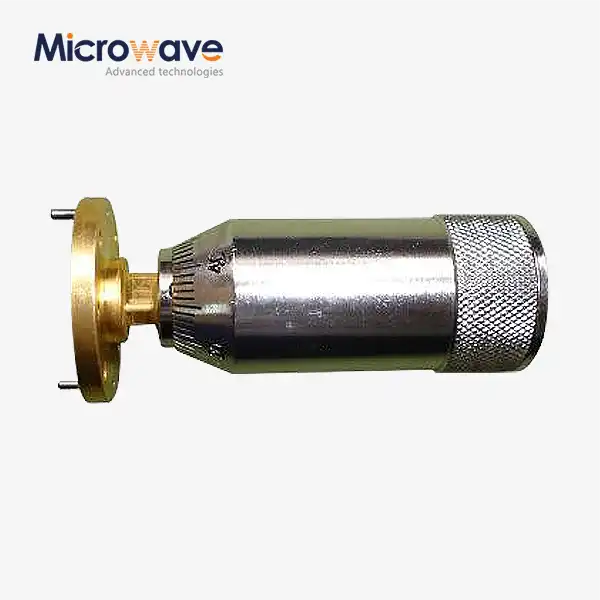 VIEW MOREWaveguide Sliding Short
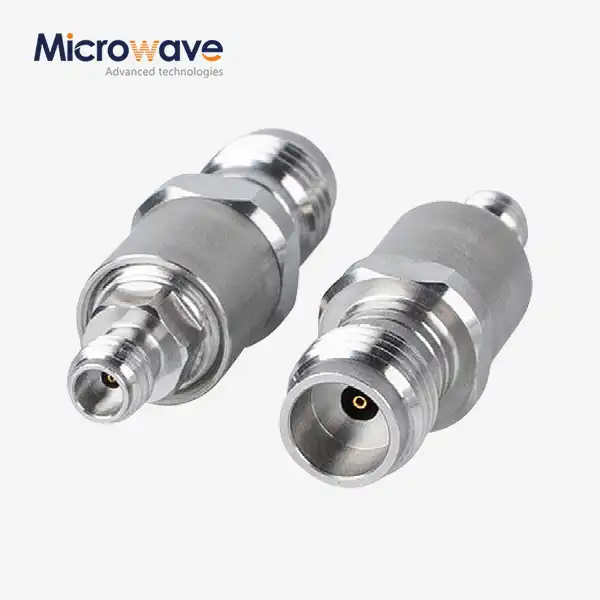 VIEW MORECoaxial Cable Adapter
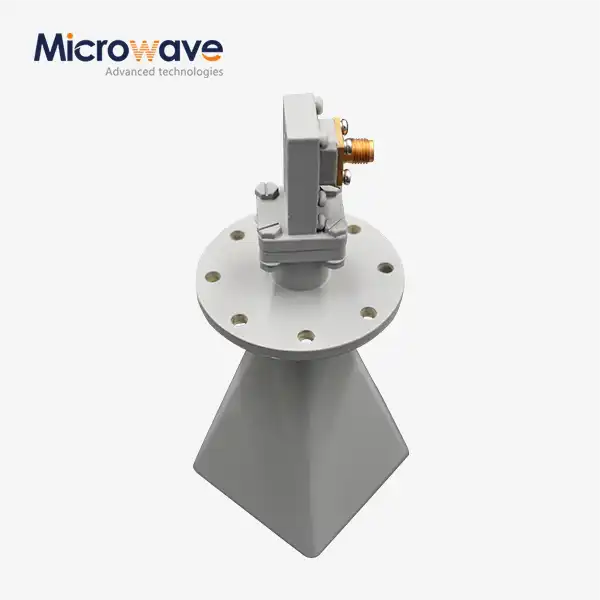 VIEW MORELow Side Lobe Diagonal Linear Polarization Horn Antenna
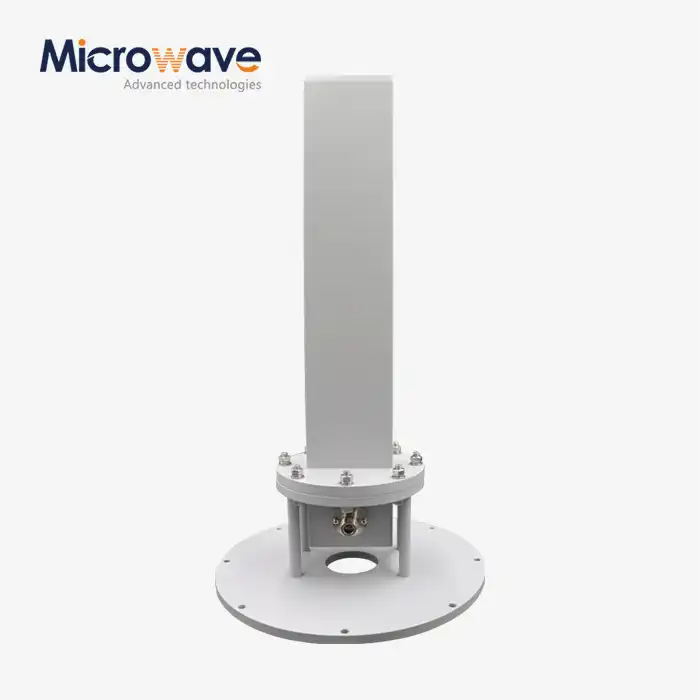 VIEW MOREAntenna Near Field Measurement Probe