





Can a Coaxial Cable Adapter Support High‑Frequency RF Signals?
In today's demanding RF and microwave applications, engineers and technical professionals often face a critical challenge: ensuring seamless signal transmission across systems with different connector types while maintaining signal integrity at high frequencies. When your satellite ground station requires connecting SMA interfaces to N-type equipment, or your aerospace radar system needs to bridge different impedance standards, the question becomes urgent: Can a Coaxial Cable Adapter truly support high-frequency RF signals without compromising performance? The answer is definitively yes—when properly designed and manufactured to exacting standards. High-quality Coaxial Cable Adapter solutions from Advanced Microwave Technologies Co., Ltd. support frequencies from DC to 40 GHz while maintaining exceptional signal integrity, making them indispensable for satellite communications, defense systems, aerospace applications, and telecommunications infrastructure where reliability cannot be compromised.
Understanding High-Frequency RF Signal Transmission Through Coaxial Cable Adapters
The fundamental question of whether a Coaxial Cable Adapter can support high-frequency RF signals depends entirely on its design, materials, and manufacturing precision. At frequencies ranging from hundreds of megahertz to tens of gigahertz, electromagnetic behavior changes dramatically compared to low-frequency applications. The concept of transmission line theory becomes paramount, where impedance matching, reflection coefficients, and insertion loss determine whether your signal arrives intact or degraded beyond usability. A properly engineered Coaxial Cable Adapter maintains the characteristic impedance throughout the connection point, typically 50 ohms for RF applications or 75 ohms for video and broadcast systems, ensuring minimal signal reflection at the junction. Advanced Microwave Technologies Co., Ltd. manufactures Coaxial Cable Adapter products specifically designed to handle the rigorous demands of high-frequency transmission. Operating across a frequency range from DC to 40 GHz, these adapters incorporate precision-machined contacts and carefully controlled dielectric materials that preserve the coaxial geometry throughout the transition between different connector types. The voltage standing wave ratio (VSWR) of ≤1.15:1 demonstrates exceptional impedance matching, translating to minimal reflected power and maximum signal transfer efficiency. When you connect an SMA interface to an N-type port using our adapters, the electromagnetic field pattern maintains its transverse electromagnetic (TEM) mode without exciting unwanted higher-order modes that would cause signal distortion or loss.
Critical Design Parameters for High-Frequency Coaxial Cable Adapter Performance
The engineering behind a high-performance Coaxial Cable Adapter involves multiple interrelated parameters that must be optimized simultaneously. Material selection forms the foundation of reliable high-frequency operation. The center conductor, typically constructed from brass or beryllium copper, must provide excellent electrical conductivity while maintaining mechanical stability under repeated mating cycles. Surface plating with gold, nickel, or silver further enhances conductivity and corrosion resistance, with gold plating particularly valued for its stable contact resistance over time. The dielectric material separating the center conductor from the outer shield determines the characteristic impedance and affects signal propagation velocity. High-quality PTFE (polytetrafluoroethylene) or other low-loss dielectrics minimize signal attenuation while maintaining dimensional stability across the operating temperature range of -55°C to +165°C. Dimensional precision represents another critical factor in Coaxial Cable Adapter design for high-frequency applications. At 40 GHz, the wavelength in air measures only 7.5 millimeters, meaning that dimensional variations of even a few micrometers can introduce significant impedance discontinuities. Advanced Microwave's precision manufacturing techniques ensure that connector interfaces mate with minimal air gaps and maintain coaxial geometry throughout the transition zone. The outer conductor provides electromagnetic shielding that prevents external interference from coupling into the signal path while containing radiated emissions from the cable assembly. When properly designed, a Coaxial Cable Adapter introduces insertion loss of less than 0.2 dB at frequencies up to 18 GHz, increasing to approximately 0.5 dB at 40 GHz—performance levels that preserve signal quality even in cascaded connections.

Applications of High-Frequency Coaxial Cable Adapters in Modern RF Systems
The versatility of properly engineered Coaxial Cable Adapter solutions extends across numerous high-stakes applications where signal integrity directly impacts system performance and reliability. In satellite communication systems, ground stations must efficiently transfer signals between antenna feeds operating at 12-18 GHz (Ku-band) or 26-40 GHz (Ka-band) and receivers or transmitters employing different connector standards. A Coaxial Cable Adapter enables seamless integration between waveguide interfaces, coaxial feeds, and electronic equipment without introducing excessive loss or reflection that would degrade link margins. Advanced Microwave's adapters maintain stable performance characteristics across these frequency ranges, ensuring reliable uplink and downlink communications for data transfer, voice transmission, and high-definition video broadcasting from satellites to ground stations and vice versa.
Telecommunications Infrastructure and Base Station Equipment
Modern telecommunications networks demand exceptional RF performance to support high-data-rate services including 5G mobile communications, fixed wireless access, and microwave backhaul links. Base station equipment often requires connecting different subsystems manufactured by various vendors, each employing different connector standards such as 7-16 DIN connectors for high-power applications, N-type connectors for general-purpose installations, or SMA connectors for test and measurement interfaces. A Coaxial Cable Adapter provides the flexibility to integrate these diverse components while maintaining the signal quality necessary for reliable network operation. At frequencies used in cellular communications—ranging from 700 MHz for low-band 5G to 3.5 GHz for mid-band and extending to millimeter-wave frequencies above 24 GHz—proper impedance matching and low insertion loss become critical for maximizing coverage and capacity. The technical specifications of Advanced Microwave's Coaxial Cable Adapter products address these telecommunications requirements comprehensively. Supporting connector types including SMA, N-type, BNC, TNC, and other industry-standard interfaces, these adapters enable operators to configure their networks flexibly while ensuring consistent 50-ohm impedance matching throughout the signal path. The robust mechanical construction, featuring brass, stainless steel, or aluminum housings with corrosion-resistant plating, withstands the environmental challenges of outdoor installations including temperature extremes, humidity, and ultraviolet exposure. For telecommunications operators managing thousands of base stations across diverse geographical regions, the reliability and durability of every Coaxial Cable Adapter directly impacts network uptime and maintenance costs.
Aerospace and Defense Radar Systems
In aerospace and defense applications, the performance requirements for Coaxial Cable Adapter components reach the highest levels of stringency. Military surveillance radar systems operating at X-band (8-12 GHz) or higher frequencies depend on precise signal routing between antenna elements, transmit/receive modules, and signal processing equipment. Navigation systems in aircraft and spacecraft require reliable RF connections that maintain signal integrity under extreme vibration, rapid temperature cycling, and potential exposure to electromagnetic interference. A properly specified Coaxial Cable Adapter must not only provide excellent electrical performance but also meet rigorous environmental and reliability standards including MIL-STD qualifications for shock, vibration, temperature extremes, and humidity resistance. Advanced Microwave Technologies Co., Ltd. brings over 20 years of experience in developing Coaxial Cable Adapter solutions for defense and aerospace customers. Our products undergo comprehensive testing in our state-of-the-art 24-meter microwave darkroom, equipped with advanced measurement capabilities spanning 0.5 to 110 GHz. This extensive test infrastructure enables validation of adapter performance parameters including insertion loss, return loss, VSWR, and intermodulation distortion across the full operating frequency range. The ISO 9001:2015 certification governing our quality management systems ensures that every Coaxial Cable Adapter meets exacting specifications through controlled manufacturing processes, rigorous inspection protocols, and full traceability from raw materials through final delivery. For mission-critical applications where component failure could jeopardize personnel safety or operational success, this commitment to quality provides essential confidence.
Technical Considerations for Selecting High-Frequency Coaxial Cable Adapters
Choosing the appropriate Coaxial Cable Adapter for a specific high-frequency RF application requires careful evaluation of multiple technical factors beyond simple connector compatibility. Frequency range represents the primary consideration—an adapter specified for DC to 18 GHz operation will exhibit dramatically different performance characteristics than one designed for DC to 40 GHz. The upper frequency limit depends on the physical dimensions of the connector interfaces and the precision of manufacturing tolerances. Smaller connector types like 2.92mm (K-connector) or 1.85mm (V-connector) support higher maximum frequencies compared to larger N-type or 7-16 DIN connectors due to the relationship between connector dimensions and cutoff frequency for higher-order propagation modes.
Impedance Matching and VSWR Requirements
The characteristic impedance of RF systems—typically 50 ohms for most applications or 75 ohms for video and cable television systems—must be maintained consistently throughout the signal path, including at every Coaxial Cable Adapter interface. Impedance mismatches create reflections that reduce delivered power, introduce ripples in frequency response, and can generate standing waves that cause measurement errors in test setups. The VSWR specification quantifies the impedance match quality, with lower VSWR values indicating better matching. Advanced Microwave's Coaxial Cable Adapter products achieve VSWR ≤1.15:1, corresponding to a return loss better than 26 dB and a reflection coefficient less than 0.07. For comparison, a VSWR of 1.5:1—sometimes considered acceptable in less demanding applications—results in 4% of the transmitted power being reflected, a significant loss in high-power transmitter systems or low-noise receiver applications where every decibel matters. Understanding the relationship between VSWR, return loss, and reflection coefficient helps engineers make informed decisions when specifying Coaxial Cable Adapter components. In a satellite communication uplink transmitting several watts of RF power, even a 0.5 dB loss from impedance mismatch reduces the effective isotropic radiated power (EIRP), potentially impacting link availability during adverse weather conditions. In receiver applications, reflections from poorly matched Coaxial Cable Adapter interfaces can create multiple signal paths with different delays, causing intersymbol interference in digital modulation schemes or degrading signal-to-noise ratio in analog systems. The superior VSWR performance of properly engineered adapters minimizes these effects, ensuring that system performance approaches theoretical limits rather than being constrained by component limitations.
Material Selection and Environmental Considerations
The physical construction materials of a Coaxial Cable Adapter significantly influence both its electrical performance and environmental reliability. Brass provides excellent electrical conductivity and machinability for complex connector geometries, making it suitable for general-purpose applications. Stainless steel offers superior mechanical strength and corrosion resistance, essential for marine environments or outdoor installations where salt spray and humidity present challenges. Aluminum delivers optimal performance in weight-critical aerospace applications while maintaining adequate electrical conductivity when properly plated. The surface plating—gold, nickel, or silver—affects both electrical performance and long-term reliability. Gold plating, while more expensive, provides stable contact resistance over thousands of mating cycles and resists oxidation in harsh environments, making it the preferred choice for precision test equipment and critical communications systems. Advanced Microwave Technologies Co., Ltd. offers customization options for Coaxial Cable Adapter materials and plating to match specific application requirements. For benign indoor laboratory environments, nickel-plated brass adapters provide excellent performance at economical cost. Military applications in extreme environments benefit from stainless steel construction with gold plating for maximum durability. The temperature range specification of -55°C to +165°C ensures reliable operation from arctic conditions to the elevated temperatures encountered in equipment enclosures during desert deployments or near high-power transmitters. RoHS compliance demonstrates environmental responsibility by eliminating hazardous substances including lead, mercury, and cadmium, meeting regulatory requirements in international markets while supporting sustainable engineering practices.
Optimizing System Performance with Advanced Coaxial Cable Adapter Solutions
Achieving optimal system performance in high-frequency RF applications requires more than simply selecting a Coaxial Cable Adapter with the correct connector types—it demands a systematic approach to signal path engineering that considers every interface and component. Insertion loss, while seemingly small for individual adapters, accumulates across multiple connections in complex systems. A satellite ground station signal path might include antenna feed transitions, waveguide-to-coax adapters, cable assemblies, connector pairs, and test equipment interfaces, each contributing its fraction of a decibel to the total loss. Minimizing the number of adapter connections and specifying the lowest-loss components at each interface directly improves system sensitivity in receive applications and efficiency in transmit applications.
Integration with Antenna Measurement and Test Systems
The precision measurement capabilities at Advanced Microwave Technologies Co., Ltd. exemplify the importance of high-quality Coaxial Cable Adapter components in test and measurement applications. Our 24-meter microwave darkroom, equipped with an Antenna Plane Near and Far Field Measuring Recombination Chamber, enables comprehensive characterization of antenna radiation patterns, gain, and impedance across frequencies from 0.5 to 110 GHz. These measurements demand exceptional signal path integrity because even small reflections or losses can introduce errors that mask actual antenna performance characteristics. The Coaxial Cable Adapter interfaces connecting test equipment to antennas under test must maintain calibration accuracy across the full frequency range, requiring VSWR performance better than 1.15:1 and insertion loss below 0.2 dB at lower frequencies, gradually increasing to 0.5 dB at millimeter-wave frequencies. Custom X-Band feed networks designed and manufactured by Advanced Microwave demonstrate the integration of Coaxial Cable Adapter technology with complex beamforming systems. These feed networks, operating across the 8-12 GHz frequency range, combine signals from multiple antenna elements through power dividers, phase shifters, and combining networks, all interconnected with precision adapters that maintain amplitude and phase relationships critical for proper beam steering. In air traffic control radar applications, the ultra-sharp beamforming enabled by properly implemented feed networks provides accurate aircraft tracking even in challenging weather conditions. For satellite ground stations handling high-definition video, data streams, and voice communications, efficient signal transfer through optimized Coaxial Cable Adapter connections maximizes link utilization and system capacity.

Quality Assurance and ISO Certification Standards
The quality management framework governing Coaxial Cable Adapter manufacturing at Advanced Microwave Technologies Co., Ltd. reflects our commitment to delivering products that meet the most demanding industry requirements. ISO 9001:2015 certification establishes comprehensive quality procedures covering design and development, production processes, inspection and testing protocols, and after-sales service. Every Coaxial Cable Adapter undergoes dimensional verification, electrical testing including VSWR and insertion loss measurements, and visual inspection before shipment to customers. Statistical process control methods monitor manufacturing consistency, identifying trends that might indicate tooling wear or material variations before they impact product quality. Environmental management under ISO 14001:2015 standards ensures that manufacturing operations minimize ecological impact through waste reduction, energy conservation, and emissions control. The production of high-precision Coaxial Cable Adapter components involves machining operations, plating processes, and assembly procedures that generate waste streams requiring proper management. Advanced Microwave has implemented comprehensive systems for recycling metal scrap, managing plating bath chemistry, and minimizing energy consumption through efficient manufacturing processes and facility operations. ISO 45001:2018 occupational health and safety certification demonstrates our commitment to employee wellbeing through proper training, protective equipment, and safety protocols—creating a work environment that supports both personnel safety and consistent manufacturing quality essential for reliable Coaxial Cable Adapter production.
Custom OEM Solutions for Specialized High-Frequency Applications
Beyond standard catalog products, many high-frequency RF applications benefit from customized Coaxial Cable Adapter solutions tailored to specific system requirements. Advanced Microwave Technologies Co., Ltd. maintains extensive OEM capabilities supporting customers with unique technical challenges that demand specialized adapter configurations. Custom connector type combinations enable integration of proprietary or legacy equipment interfaces with modern standard connectors, preserving investment in existing infrastructure while upgrading system capabilities. Specific frequency range adaptations optimize adapter performance for narrow-band applications where general-purpose designs might introduce unnecessary compromises. Specialized plating options including silver for lowest insertion loss or tin for solderability accommodate diverse assembly and performance requirements.
Rapid Prototyping and Production Capabilities
The development timeline for custom Coaxial Cable Adapter solutions significantly impacts project schedules in fast-moving industries including telecommunications, aerospace, and defense. Advanced Microwave's rapid prototyping services accelerate the design verification process by quickly producing sample adapters for testing and evaluation before committing to full-scale production. Our engineering team collaborates closely with customers to translate application requirements into detailed specifications encompassing electrical performance parameters, mechanical interface dimensions, environmental ratings, and quality standards. Advanced simulation tools enable prediction of adapter performance including S-parameters, impedance characteristics, and higher-order mode suppression before physical prototypes are manufactured, reducing design iterations and time to market. Production scalability represents another critical advantage of partnering with an experienced Coaxial Cable Adapter manufacturer. Whether you require small quantities for specialized research projects, medium volumes for product development and field trials, or large-scale production runs for commercial deployments, Advanced Microwave maintains the manufacturing capacity and supply chain relationships to meet your delivery requirements. Our comprehensive technical support extends beyond product delivery to include installation guidance, troubleshooting assistance, and application engineering consultation. When challenges arise during system integration or field deployment, our team provides expert assistance to resolve issues quickly, minimizing downtime and ensuring project success.
Conclusion
High-quality Coaxial Cable Adapter solutions absolutely can and do support high-frequency RF signals effectively when properly designed, manufactured, and specified for the intended application. Advanced Microwave Technologies Co., Ltd. delivers adapters supporting DC to 40 GHz with exceptional electrical performance, robust mechanical construction, and comprehensive quality assurance.
Cooperate with Advanced Microwave Technologies Co., Ltd.
Partner with Advanced Microwave Technologies Co., Ltd., your trusted China Coaxial Cable Adapter factory, China Coaxial Cable Adapter supplier, and China Coaxial Cable Adapter manufacturer offering competitive China Coaxial Cable Adapter wholesale pricing. Our Coaxial Cable Adapter for sale delivers exceptional Coaxial Cable Adapter price value with High Quality Coaxial Cable Adapter performance. With over 20 years of manufacturing excellence, ISO 9001:2015, ISO 14001:2015, and ISO 45001:2018 certifications, plus cutting-edge testing facilities including our 24-meter microwave darkroom supporting measurements up to 110 GHz, we provide comprehensive OEM services with rapid prototyping, custom solutions, and expert technical support. Contact craig@admicrowave.com today for your customized Coaxial Cable Adapter requirements and experience superior quality, fast delivery, and professional after-sales support.
References
1. Balanis, Constantine A., "Antenna Theory: Analysis and Design," Fourth Edition, John Wiley & Sons, 2016.
2. Pozar, David M., "Microwave Engineering," Fourth Edition, John Wiley & Sons, 2011.
3. Johnson, Richard C. and Jasik, Henry, "Antenna Engineering Handbook," Third Edition, McGraw-Hill Professional, 1993.
4. Collin, Robert E., "Foundations for Microwave Engineering," Second Edition, IEEE Press and Wiley-Interscience, 2001.
5. Rizzi, Peter A., "Microwave Engineering: Passive Circuits," Prentice Hall International Editions, 1988.
YOU MAY LIKE
 VIEW MOREDouble Ridge Straight Waveguide
 VIEW MOREDouble Ridge Waveguide Transition
 VIEW MOREDouble Ridged Flexible Waveguide
 VIEW MOREDouble Ridge Waveguide Load
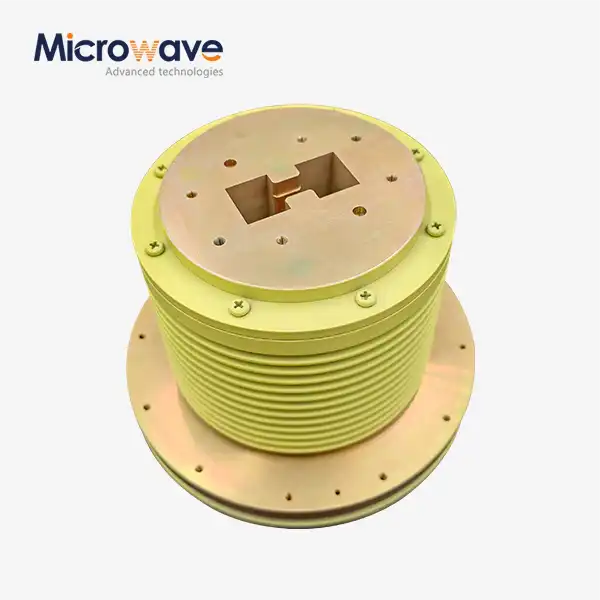 VIEW MOREDouble Ridge Waveguide Rotary Joint
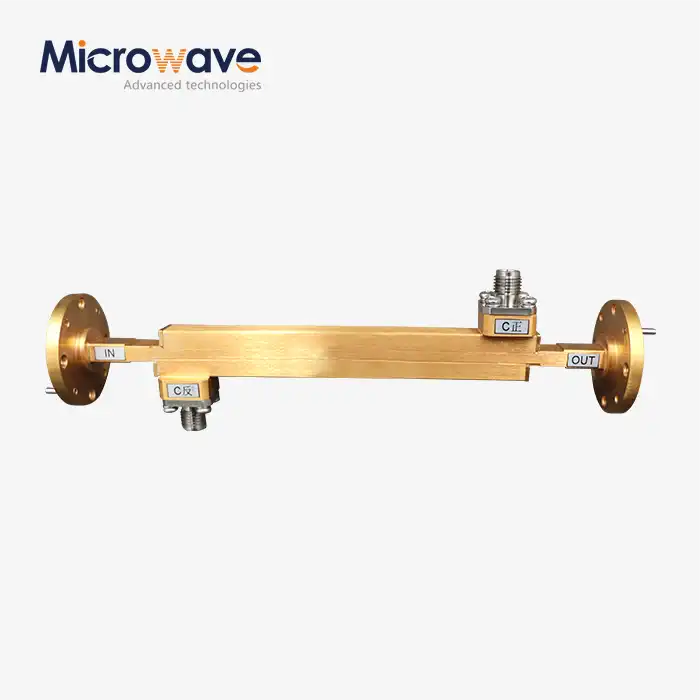 VIEW MOREDouble-Ridged Waveguide Broadwall Directional Coupler
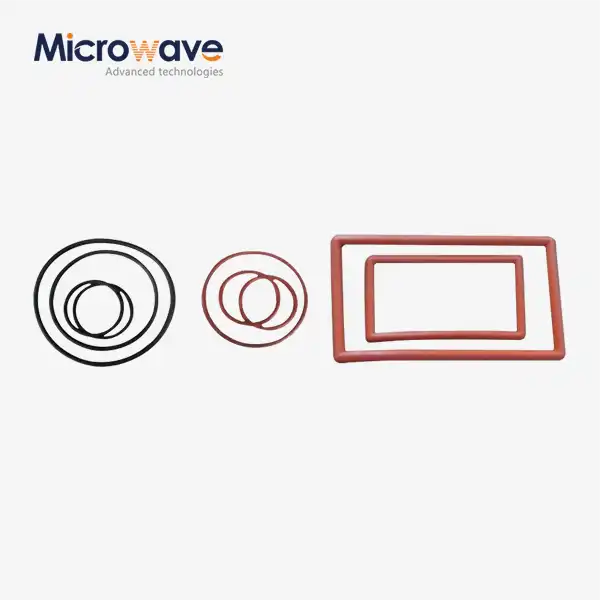 VIEW MOREWaveguide Flange Gasket
 VIEW MOREWaveguide Adjustable Support