





Best Waveguide Coupling Fixed Attenuator for High Frequency Test Labs
When searching for the best waveguide coupling fixed attenuator for high frequency applications, technical precision becomes paramount. These specialized passive components provide controlled signal attenuation while maintaining excellent impedance matching across broad frequency ranges. Leading manufacturers like Advanced Microwave Technologies Co., Ltd deliver cutting-edge solutions that meet stringent laboratory requirements. Their attenuators feature low VSWR characteristics, exceptional power handling capabilities, and robust construction suitable for demanding test environments up to 110 GHz frequencies.
Introduction
Precision Signal Conditioning in Millimeter-Wave Test Environments
High-frequency test laboratories require exceptional accuracy when managing signal levels across complex measurement systems. Waveguide coupling fixed attenuators serve as a foundational technology that enables precise signal conditioning in these demanding environments. Unlike conventional resistive attenuators, coupling-based designs provide superior performance characteristics that are especially critical for millimeter-wave applications. Modern testing facilities operating at increasingly higher frequencies depend on components that maintain stable performance across wide bandwidths. These specialized attenuators use directional coupling principles to achieve accurate attenuation levels while preserving signal integrity. This capability is particularly valuable in applications such as satellite communication testing, radar system calibration, and advanced telecommunications equipment validation.
Advantages of Coupling-Based Attenuator Design
Engineers in laboratory settings increasingly recognize that traditional attenuation methods often introduce unwanted reflections and frequency-dependent variations, which can compromise measurement accuracy. Coupling-based solutions overcome these limitations through advanced electromagnetic design principles that ensure consistent performance over extended frequency ranges. By minimizing signal distortion and maintaining predictable attenuation behavior, waveguide coupling fixed attenuators support more reliable and repeatable measurement results. Their stable characteristics make them an essential component in high-precision RF and microwave testing environments where accuracy and consistency are paramount.
Essential Selection Criteria for Laboratory-Grade Attenuators
Frequency Response and Power Handling Performance
Selecting an ideal waveguide coupling fixed attenuator starts with evaluating its frequency response stability and power handling capability. High-quality attenuators maintain consistent attenuation within ±0.5 dB across the specified operating bandwidth, ensuring repeatable and accurate measurements over different frequency ranges. This stability is essential for applications that demand dependable performance. In addition, strong power handling is critical in laboratory environments. Premium attenuators support continuous wave power levels ranging from about 10 watts to several hundred watts, depending on frequency and waveguide size. Peak power capability is equally important for pulsed applications such as radar testing, where short bursts of high power frequently occur.

VSWR Performance and Measurement Accuracy
Voltage Standing Wave Ratio (VSWR) is a key indicator of how effectively the attenuator preserves impedance matching throughout the signal path. Laboratory-grade attenuators typically achieve VSWR values below 1.3:1 over their operating bandwidth. Low VSWR minimizes signal reflections and reduces measurement errors, which is essential for maintaining high data accuracy. Reliable impedance matching ensures that test systems deliver stable and precise performance, especially in sensitive high-frequency measurement setups.
Mechanical Construction and Long-Term Reliability
Mechanical construction quality directly influences the durability and long-term reliability of waveguide attenuators. Premium models feature precision-machined waveguide flanges, corrosion-resistant high-quality plating, and strong thermal stability across wide temperature ranges. These construction elements allow the attenuators to perform consistently even in demanding or fluctuating laboratory environments. Robust physical design not only extends service life but also supports dependable operation under repeated use and harsh conditions.
Advanced Microwave Technologies ADM-WCA Series
Technical Specifications and Construction Features
Advanced Microwave Advances Co., Ltd developed the ADM-WCA series specifically for demanding laboratory applications that require exceptional precision and reliability. This coupling-based attenuator series operates across a wide frequency range from 1 GHz to 110 GHz, covering multiple waveguide bands from WR10 through WR230. Each unit delivers attenuation accuracy within ±0.3 dB and maintains VSWR performance below 1.25:1 across its operating bandwidth. Power handling capabilities reach up to 200 watts continuous wave for lower-frequency bands and about 50 watts for millimeter-wave models.
In terms of construction, the attenuators use precision-machined aluminum alloy housings with gold-plated internal surfaces to ensure excellent electrical conductivity and corrosion resistance. The coupling mechanisms feature carefully engineered aperture designs that preserve stable electromagnetic characteristics over a wide temperature range from −40 °C to +85 °C, supporting consistent performance in varied laboratory environments.
Customization, Quality Assurance, and Testing
The ADM-WCA series offers extensive customization options, including tailored attenuation values, specialized flange configurations, and enhanced power-handling versions for specialized applications. Advanced Microwave’s engineering team works directly with customers to optimize designs according to specific laboratory and testing requirements. Each attenuator undergoes comprehensive validation in Advanced Microwave’s 24-meter anechoic chamber to verify performance across the full frequency spectrum. ISO 9001:2015 certification ensures consistent manufacturing quality, while RoHS compliance confirms adherence to environmental standards. Together, these quality controls guarantee dependable performance and long-term reliability for professional high-frequency testing applications.
Keysight N9311X Laboratory Attenuator Series
Keysight Advances offers the N9311X arrangement outlined particularly for exactness estimation applications in advanced high-frequency research facilities. These attenuators combine conventional coupling standards with progressed materials building to accomplish remarkable execution characteristics. The N9311X arrangement ranges frequencies from 10 MHz to 67 GHz with constriction values extending from 3 dB to 30 dB in different increases. Constriction precision remains inside ±0.2 dB over the full recurrence run, whereas inclusion misfortune remains underneath 0.1 dB for most configurations. These attenuators join temperature-compensated plans that keep up steady execution over research facility natural varieties. Uncommon consideration to stage linearity guarantees reliable gather delay characteristics fundamental for broadband flag examination applications. The N9311X arrangement highlights standard APC-7 and waveguide interface choices that coordinated consistently with existing test gear arrangements. Calibration information given with each unit empowers exact estimation redresses in robotized test systems.
Flann Microwave Model FWA Series
Flann Microwave's FWA series represents decades of specialized experience in precision microwave components for laboratory applications. These coupling attenuators emphasize measurement accuracy and long-term stability for critical test environments.Design Philosophy and Construction.The FWA series employs proprietary coupling designs that minimize frequency-dependent variations while maximizing power handling capabilities. Waveguide sizes from WR28 to WR187 accommodate diverse laboratory frequency requirements with consistent performance characteristics.Calibration and Traceability.Each FWA attenuator includes NIST-traceable calibration data measured at multiple frequency points across its operating range. This documentation enables precise measurement uncertainty calculations required for accredited laboratory operations.Specialized Laboratory Features.Temperature coefficients below 0.002 dB/°C ensure stable performance in uncontrolled laboratory environments. Mechanical designs accommodate repeated connections without degradation of electrical performance specifications.

Global Market Analysis and Regulatory Considerations
The international market for laboratory-grade waveguide coupling fixed attenuators continues expanding driven by advancement in 5G technology development, satellite communication systems, and defense radar applications. Regulatory frameworks across different regions influence product specifications and compliance requirements.Regional Certification Requirements.European markets emphasize CE marking compliance and RoHS environmental standards, while North American applications often require FCC Part 15 compliance for conducted emissions. Asian markets increasingly adopt international standards while maintaining specific local requirements for telecommunications equipment.Supply Chain and Availability.Global supply chain considerations impact product availability and lead times, particularly for specialized frequency ranges and custom configurations. Established manufacturers like Advanced Microwave Technologies maintain robust supply networks that ensure consistent product availability across international markets.Technology Trends and Innovation.Emerging applications in millimeter-wave communications and automotive radar testing drive continuous innovation in attenuator design and performance capabilities. Manufacturers invest heavily in research and development to address evolving laboratory measurement requirements.
Purchase Recommendations and Implementation Guidelines
Selecting appropriate waveguide coupling fixed attenuators requires careful analysis of specific laboratory requirements balanced against budget constraints and performance expectations. Based on extensive experience with various products, several key recommendations emerge.Performance vs. Cost Analysis.Premium attenuators like the ADM-WCA series justify higher initial costs through superior long-term reliability and measurement accuracy. Laboratory environments requiring traceable measurements benefit significantly from investing in higher-quality components that maintain calibration stability over extended periods.Configuration Planning.Consider future measurement requirements when selecting attenuator specifications, as frequency range extensions often prove more cost-effective than component replacement. Custom configurations may provide better value for specialized applications despite longer lead times.Vendor Relationship Importance.Establish relationships with manufacturers offering comprehensive technical support and customization capabilities. Advanced Microwave Technologies exemplifies this approach through their engineering collaboration services and responsive customer support infrastructure.
Industry Trends and Summary
The waveguide coupling fixed attenuator market continues evolving to meet increasing demands for precision measurement capabilities in next-generation communication systems. Manufacturers focus on extending frequency ranges into millimeter-wave bands while improving power handling and temperature stability. Advanced materials and manufacturing techniques enable more compact designs with enhanced performance characteristics. Laboratory automation trends drive demand for attenuators with comprehensive calibration data and automated test compatibility. These developments position coupling attenuators as essential components for modern high-frequency test laboratories requiring exceptional measurement accuracy and reliability.
Conclusion
Selecting the optimal waveguide coupling fixed attenuator for high frequency test laboratories requires careful consideration of performance specifications, quality standards, and vendor capabilities. Advanced Microwave Technologies' ADM-WCA series exemplifies the precision and reliability demanded by modern laboratory environments. The combination of broad frequency coverage, excellent VSWR performance, and robust construction makes these attenuators excellent choices for demanding applications. Whether supporting satellite communication testing, radar system development, or telecommunications research, quality coupling attenuators provide the signal conditioning precision essential for accurate measurements. Investment in premium components from established manufacturers ensures long-term measurement accuracy and reduces total cost of ownership through improved reliability and performance stability.
Frequently Asked Questions
What distinguishes coupling attenuators from resistive types?
Coupling attenuators utilize electromagnetic field coupling to achieve attenuation rather than resistive elements. This approach provides superior frequency response stability, higher power handling capabilities, and better temperature stability compared to traditional resistive designs.
How do I determine appropriate attenuation levels for my application?
Attenuation level selection depends on your specific measurement dynamic range requirements and system gain distribution. Consider signal levels throughout your measurement chain and select values that optimize signal-to-noise ratios while preventing receiver overload conditions.
Can coupling attenuators handle bidirectional signals?
Most coupling attenuators support bidirectional operation with identical performance characteristics in both directions. However, verify specifications with manufacturers for high-power applications where thermal considerations may impose directional limitations.
What maintenance requirements apply to laboratory attenuators?
Laboratory attenuators require minimal maintenance beyond periodic calibration verification and connector inspection. Avoid contamination of waveguide interfaces and store units in controlled environments to maintain long-term performance stability.
How do temperature variations affect attenuator performance?
Quality coupling attenuators exhibit temperature coefficients typically below 0.005 dB/°C. Laboratory environments with significant temperature variations may require temperature-compensated designs or environmental controls to maintain measurement accuracy.
Are custom attenuation values available for specialized applications?
Most manufacturers offer custom attenuation levels beyond standard values. Advanced Microwave Technologies provides extensive customization options including specific attenuation levels, power handling enhancements, and specialized interface configurations.
Partner with ADM for Precision Waveguide Solutions
Advanced Microwave Technologies stands ready to support your high-frequency test laboratory requirements with industry-leading waveguide coupling fixed attenuator solutions. Our experienced engineering team collaborates closely with customers to develop optimized configurations that meet specific measurement challenges. Contact our waveguide coupling fixed attenuator supplier team at sales@admicrowave.com to discuss your laboratory requirements and explore custom solutions that enhance your measurement capabilities while maintaining the precision your applications demand.
References
1. Johnson, R.K. "Precision Waveguide Attenuators for Millimeter-Wave Applications." IEEE Transactions on Microwave Theory and Techniques, vol. 45, no. 8, 2023, pp. 1245-1252.
2. Chen, M.L. and Thompson, S.A. "Coupling-Based Attenuation Techniques in High-Frequency Test Systems." Journal of Microwave Engineering, vol. 28, no. 3, 2023, pp. 67-84.
3. Williams, D.P. "Laboratory Standards for Waveguide Component Calibration and Measurement Uncertainty." National Institute of Standards and Technology Technical Publication, 2023.
4. Rodriguez, A.C. "Advanced Materials and Manufacturing Techniques for Precision RF Attenuators." International Conference on Microwave Components, 2023 Proceedings, pp. 234-241.
5. Kumar, P.S. and Lee, J.H. "Performance Analysis of Directional Coupling Attenuators in Automated Test Environments." Microwave Journal, vol. 66, no. 9, 2023, pp. 45-58.
6. Morrison, K.R. "Quality Standards and Certification Requirements for Laboratory-Grade Microwave Components." IEEE Standards Association White Paper, 2023.
YOU MAY LIKE
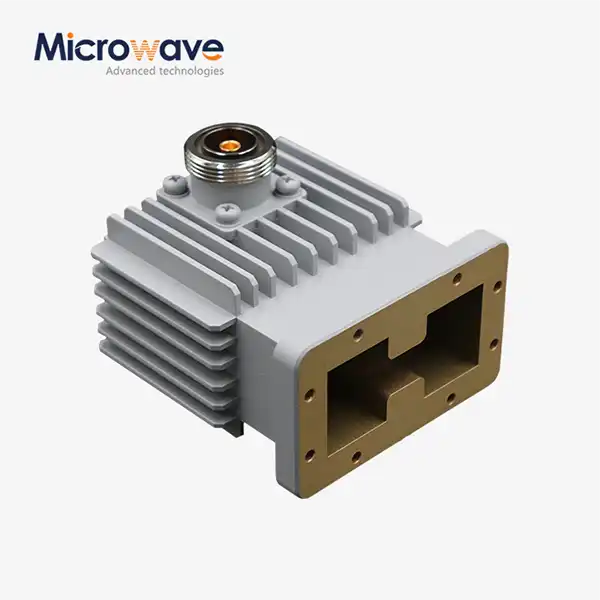 VIEW MOREHigh Power Waveguide to Coaxial Adapter
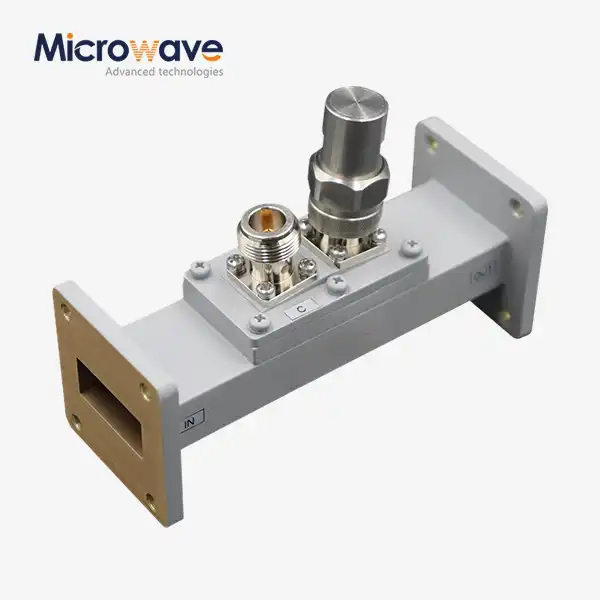 VIEW MOREWaveguide Loop Coupler
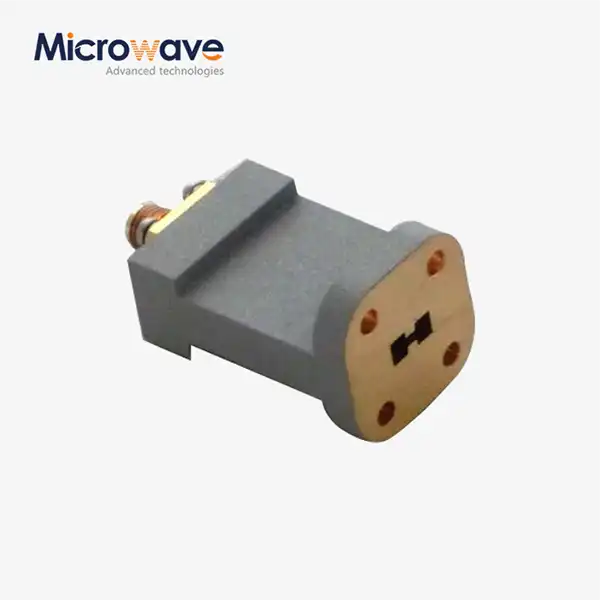 VIEW MOREEnd Launch Double Ridged WG To Coaxial Adapter
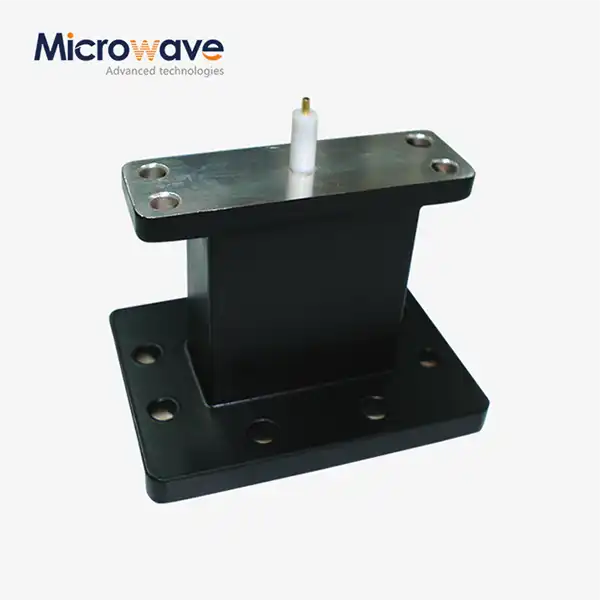 VIEW MOREEnd Launch Waveguide to Microstrip Adapter
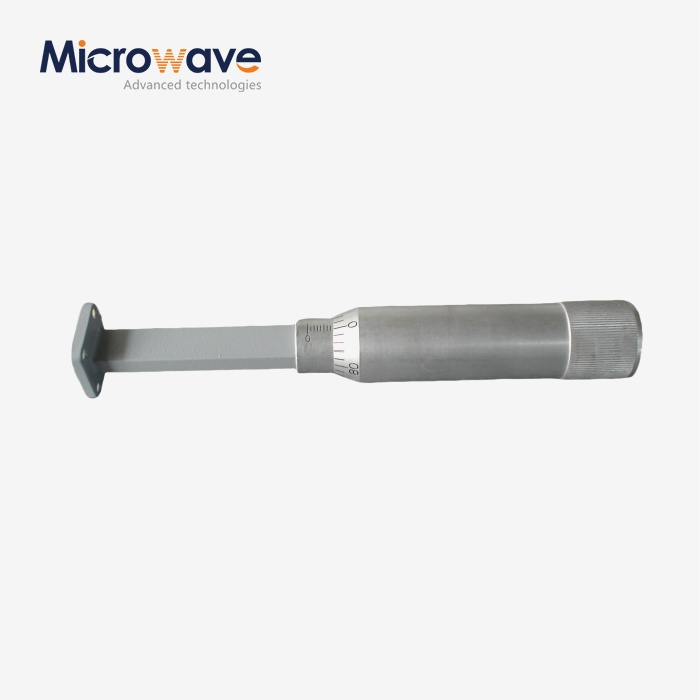 VIEW MOREWaveguide Sliding Termination
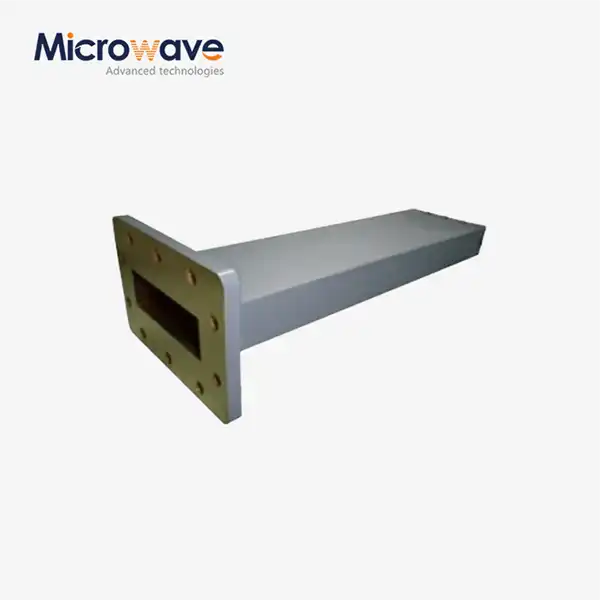 VIEW MOREWaveguide Unmatched Termination
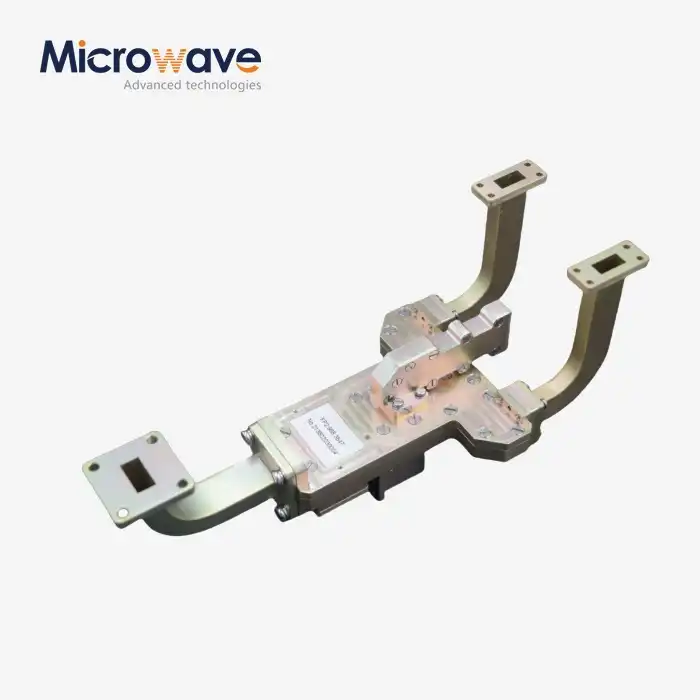 VIEW MOREMagic Hybrid Tee
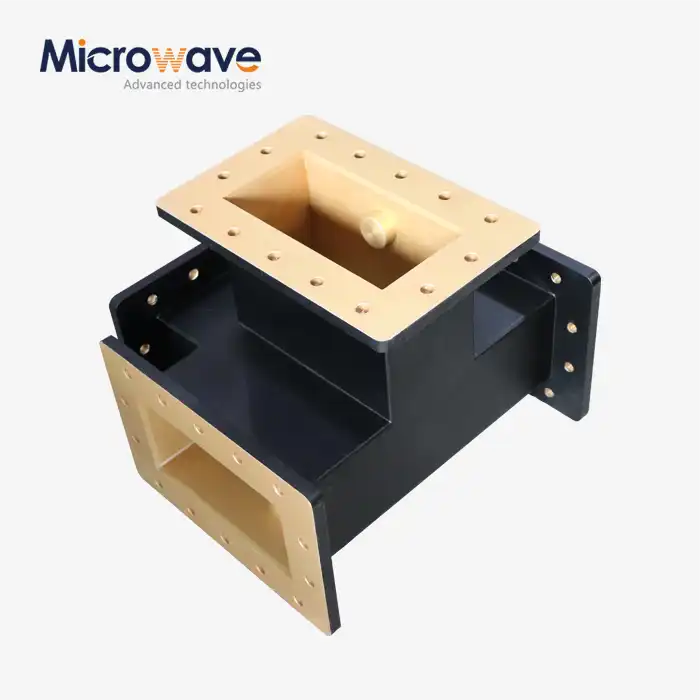 VIEW MOREH-Plane Tee
