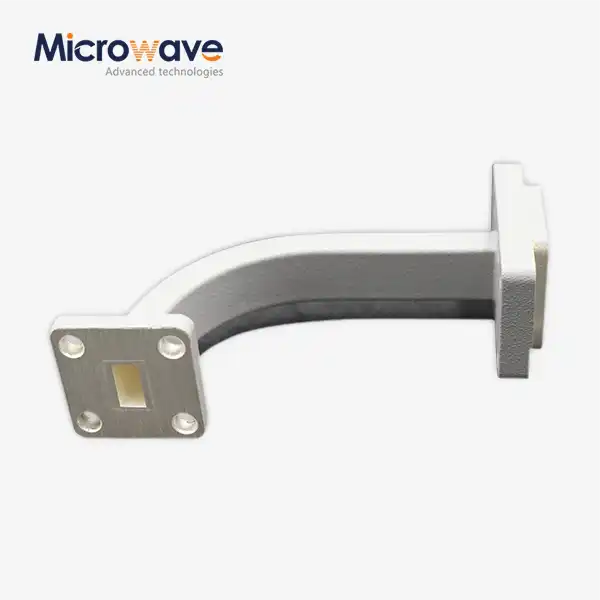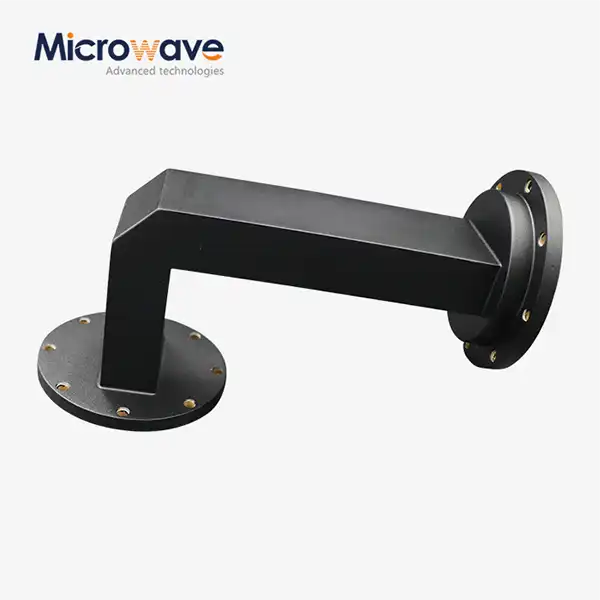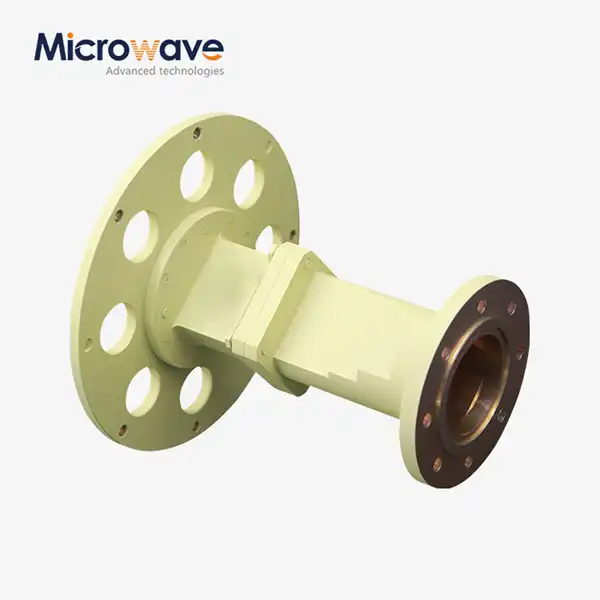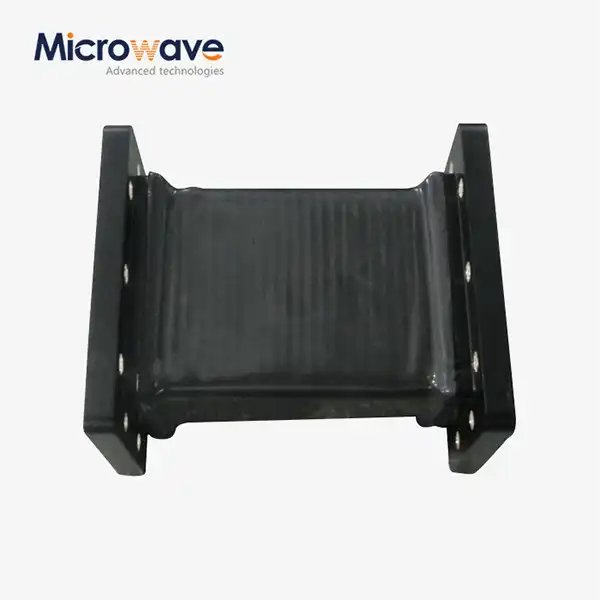





Best End Launch Waveguide to Coaxial Adapter for 5G Systems
When designing 5G infrastructure, selecting the optimal End Launch Waveguide to Coaxial Adapter becomes crucial for system performance. These adapters serve as critical signal transition components between waveguide systems and coaxial networks, ensuring minimal insertion loss and excellent impedance matching. Advanced Microwave Technologies Co., Ltd offers industry-leading solutions that meet the demanding requirements of modern 5G deployments worldwide.
Introduction
5G Demands and RF Component Requirements
The fast advancement of 5G innovation has made exceptional requests for high-performance RF components. Cutting edge broadcast communications framework requires consistent flag move between diverse transmission line sorts, making end launch waveguide to coaxial adapters basic components. These precision-engineered gadgets encourage effective flag change whereas keeping up the astuteness of high-frequency electromagnetic waves.
Frequency Range and System Performance Considerations
5G frameworks work over assorted recurrence groups, from sub-6 GHz to millimeter wave ranges surpassing 28 GHz. The complexity of these systems requires connectors that provide reliable execution over wide recurrence ranges. Engineers and acquirement experts require dependable components that guarantee ideal flag quality, negligible reflection, and vigorous mechanical plan for open air deployment. The determination of fitting connectors specifically impacts organize execution, influencing everything from information throughput to scope zone. As 5G foundation proceeds growing all inclusive, understanding the characteristics and capabilities of diverse connector arrangements gets to be progressively critical for framework respectability and broadcast communications gear manufacturers.
Selection Criteria for 5G System Adapters
Choosing the right end launch waveguide to coaxial adapter for 5G applications includes assessing numerous specialized and down to earth variables. Execution characteristics take priority, with voltage standing wave proportion (VSWR) being a essential thought. Predominant connectors keep up VSWR values underneath 1.25 over their working recurrence extend, guaranteeing negligible flag reflection. Frequency compatibility speaks to another basic measure. 5G frameworks span numerous groups, requiring connectors that bolster particular waveguide measures whereas pleasing different coaxial connector sorts. The mechanical plan must withstand natural stresses, counting temperature changes, stickiness, and vibration common in broadcast communications installations. Manufacturing quality and certification compliance guarantee long-term unwavering quality. ISO 9001:2008 certification and RoHS compliance show adherence to worldwide quality benchmarks. Furthermore, the capacity to customize setups for particular applications gives adaptability for OEM respectability and framework modelers working on one of a kind arrangement scenarios.
Performance Metrics Assessment
Insertion misfortune specifically influences flag quality and framework proficiency. High-quality connectors keep up addition misfortune underneath 0.2 dB over their working transmission capacity. Return misfortune estimations over 20 dB show amazing impedance coordinating between waveguide and coaxial interfaces.
Environmental Resilience Factors
Outdoor 5G establishments confront unforgiving conditions requiring vigorous connector development. Aluminum and copper materials give amazing electromagnetic protecting whereas standing up to erosion. Appropriate gasket plan guarantees weatherproofing and keeps up electrical execution over expanded periods.
Customization Capabilities
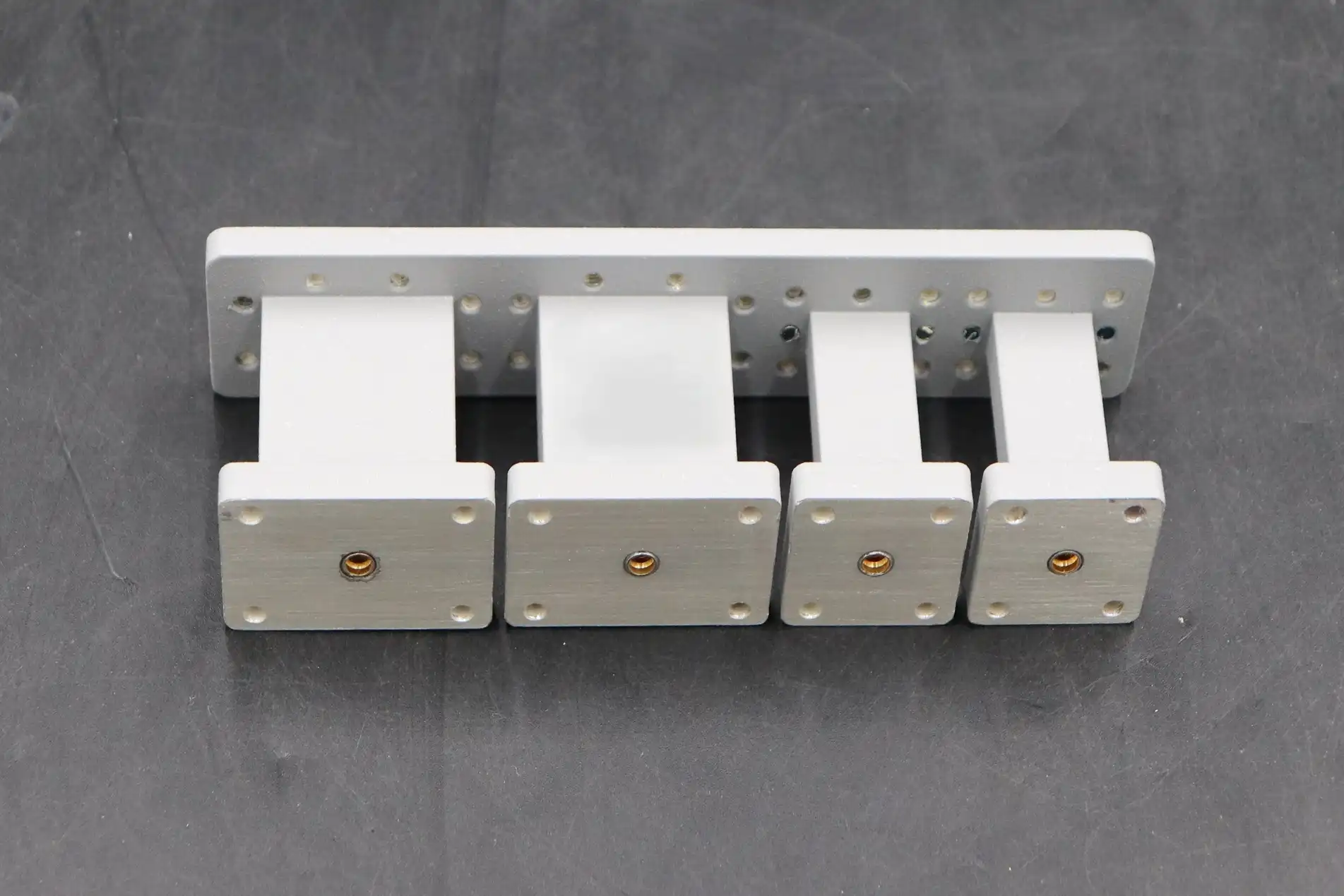
Modern 5G organizations regularly require custom fitted arrangements. Producers advertising quick prototyping and custom plan administrations give noteworthy points of interest for framework respectability. The capacity to adjust spine sorts, connector arrangements, and recurrence reactions empowers optimization for particular applications.
Top End Launch Waveguide to Coaxial Adapters for 5G Systems
ADM-100WECAN Series: X-Band Excellence
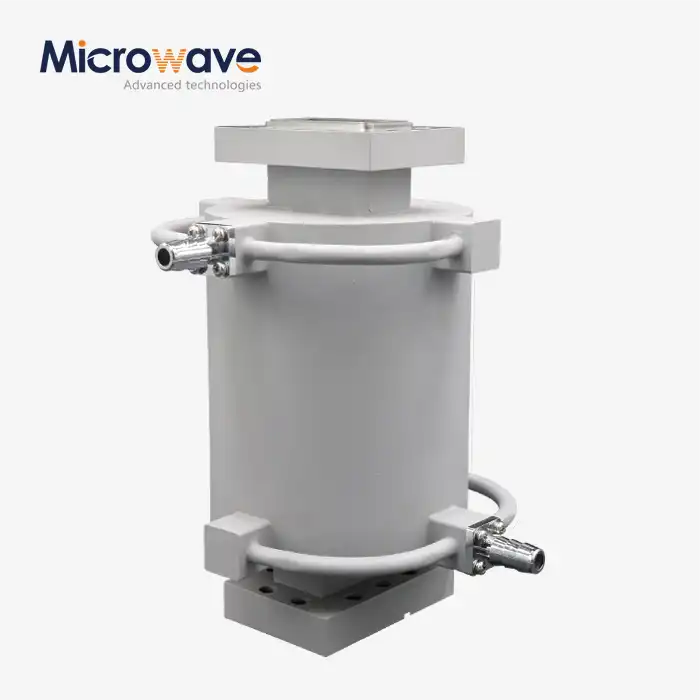
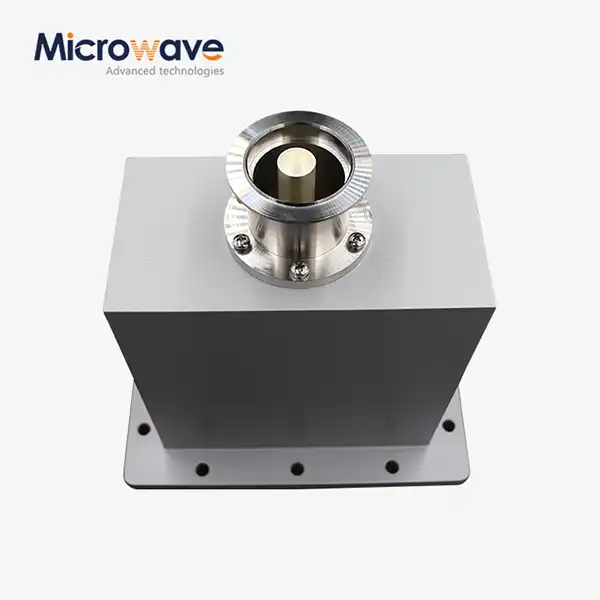
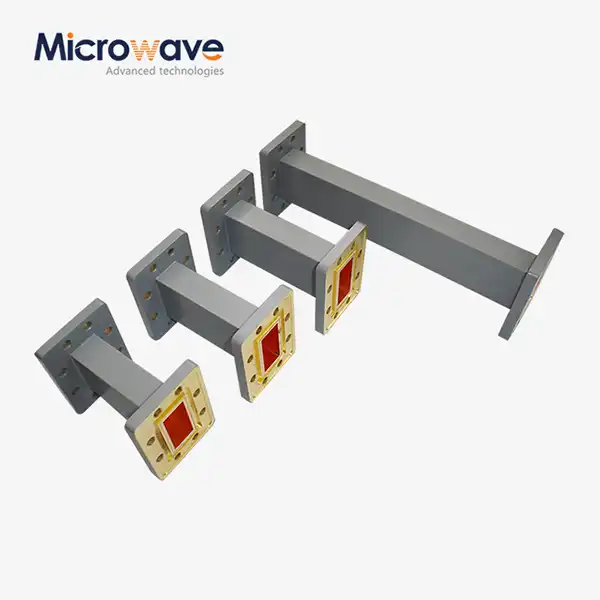
The ADM-100WECAN arrangement speaks to a apex of building for X-band applications in 5G frameworks. Working over 8.20-12.40 GHz, this connector superbly adjusts with basic 5G recurrence assignments. The WR90 waveguide standard guarantees compatibility with industry-standard components whereas keeping up uncommon electrical performance. Key details incorporate a most extreme VSWR of 1.25, ensuring negligible flag reflection. The compact measurements of 49.3×41×41mm encourage integration into space-constrained establishments. The N-type connector gives dependable, weatherproof associations basic for open air base station deployments. Material development utilizing aluminum and copper guarantees electromagnetic keenness whereas keeping up cost-effectiveness.
The FBP/FBM/FBE spine alternatives give adaptability for distinctive mounting arrangements. This connector exceeds expectations in applications requiring exact flag move with negligible degradation. Testing capabilities amplify to 110 GHz utilizing progressed vector arrange analyzers, guaranteeing exact S-parameter characterization. The strong mechanical plan withstands warm cycling and vibration common in broadcast communications foundation. Client input reliably highlights the adapter's unwavering quality in requesting field conditions. Manufacturing quality takes after ISO 9001:2008 guidelines, with comprehensive documentation supporting OEM integration necessities. RoHS compliance guarantees natural obligation whereas assembly worldwide administrative guidelines. The adapter's demonstrated execution in obsequious communication applications deciphers consistently to 5G framework needs.
ADM-120WECAS Series: Compact High-Frequency Solution
The ADM-120WECAS arrangement addresses the developing require for compact, high-performance connectors in millimeter wave 5G applications. Covering 9.84-15.0 GHz, this connector underpins both current and rising 5G recurrence groups. The WR75 waveguide standard gives fabulous control dealing with whereas keeping up exact electromagnetic characteristics. SMA connector integration offers predominant high-frequency execution with negligible inclusion misfortune. The compact 37×38×38mm impression empowers thick pressing in advanced base station setups. This estimate advantage gets to be pivotal in urban organizations where space imperatives constrain gear options. The adapter's development emphasizes both electrical and mechanical execution.
Accuracy machining guarantees steady impedance coordinating over the whole recurrence run. The conclusion dispatch arrangement rearranges establishment strategies whereas keeping up fabulous electrical contact. Advanced testing conventions confirm execution parameters counting return misfortune, inclusion misfortune, and stage linearity. Each unit experiences comprehensive quality confirmation testing some time recently shipment. This thorough approach guarantees steady execution in field installations. Customization choices incorporate elective connector sorts and specialized mounting setups. Building back assists clients in optimizing connector choice for particular framework necessities. The fabricating group gives quick prototyping administrations for interesting applications.
ADM-84WECAN Series: Mid-Band Versatility
The ADM-84WECAN arrangement conveys uncommon flexibility for mid-band 5G applications traversing 6.57-9.99 GHz. This recurrence extend includes basic 5G range assignments whereas giving edge for future extension. The WR112 waveguide standard offers ideal adjust between estimate and performance. N-type connector compatibility guarantees wide framework integration capabilities. The 58.8×48×48mm measurements give vigorous development whereas keeping up sensible estimate for field establishments. Numerous rib choices (FBP/FBM/FBE) oblige differing mounting requirements. Electrical execution details surpass industry benchmarks with addition misfortune typically underneath 0.15 dB. Return misfortune estimations reliably accomplish values over 23 dB over the working transmission capacity.
These execution levels guarantee negligible affect on framework clamor figures and flag quality. Environmental testing approves execution over temperature ranges from -40°C to +85°C. Mugginess resistance testing affirms solid operation in tropical and marine situations. Vibration testing recreates transportation and establishment stresses. Manufacturing forms consolidate incline standards to optimize quality and conveyance times. Mechanized testing gear guarantees consistent estimation exactness and repeatability. Factual handle control screens key parameters all through production. The End Launch Waveguide to Coaxial Adapter offers a seamless integration solution for connecting waveguide systems to coaxial components, ensuring optimal signal transfer and minimizing losses.
Global Market Characteristics and Regulatory Considerations
Regional Market Requirements and Regulatory Frameworks
The worldwide 5G framework showcase presents different prerequisites reflecting territorial range assignments and arrangement techniques. North American markets emphasize millimeter wave capabilities for urban arrangements, whereas European and Asian markets center on sub-6 GHz scope for provincial network. These territorial contrasts influence connector detail necessities and connector preferences. Regulatory systems change altogether over markets, influencing both recurrence assignments and gear certification prerequisites. FCC directions in the Joined together States command particular electromagnetic compatibility guidelines. European CE stamping requires conformance with numerous mandates covering security and natural security. Asian markets frequently consolidate extra testing necessities for climate resilience.
Cultural Preferences and Supply Chain Considerations
Cultural inclinations impact obtaining choices and provider connections. Western markets ordinarily prioritize specialized determinations and conveyance execution. Asian markets regularly emphasize long-term organizations and collaborative designing back. Understanding these social variables makes a difference producers create suitable client engagement strategies. Supply chain contemplations ended up progressively critical as worldwide component deficiencies influence conveyance plans. Producers with vigorous supply chain administration and nearby stock capabilities give critical focal points. The capacity to keep up steady conveyance plans whereas overseeing taken a toll weights decides competitive success.
Purchasing Recommendations and Strategic Considerations
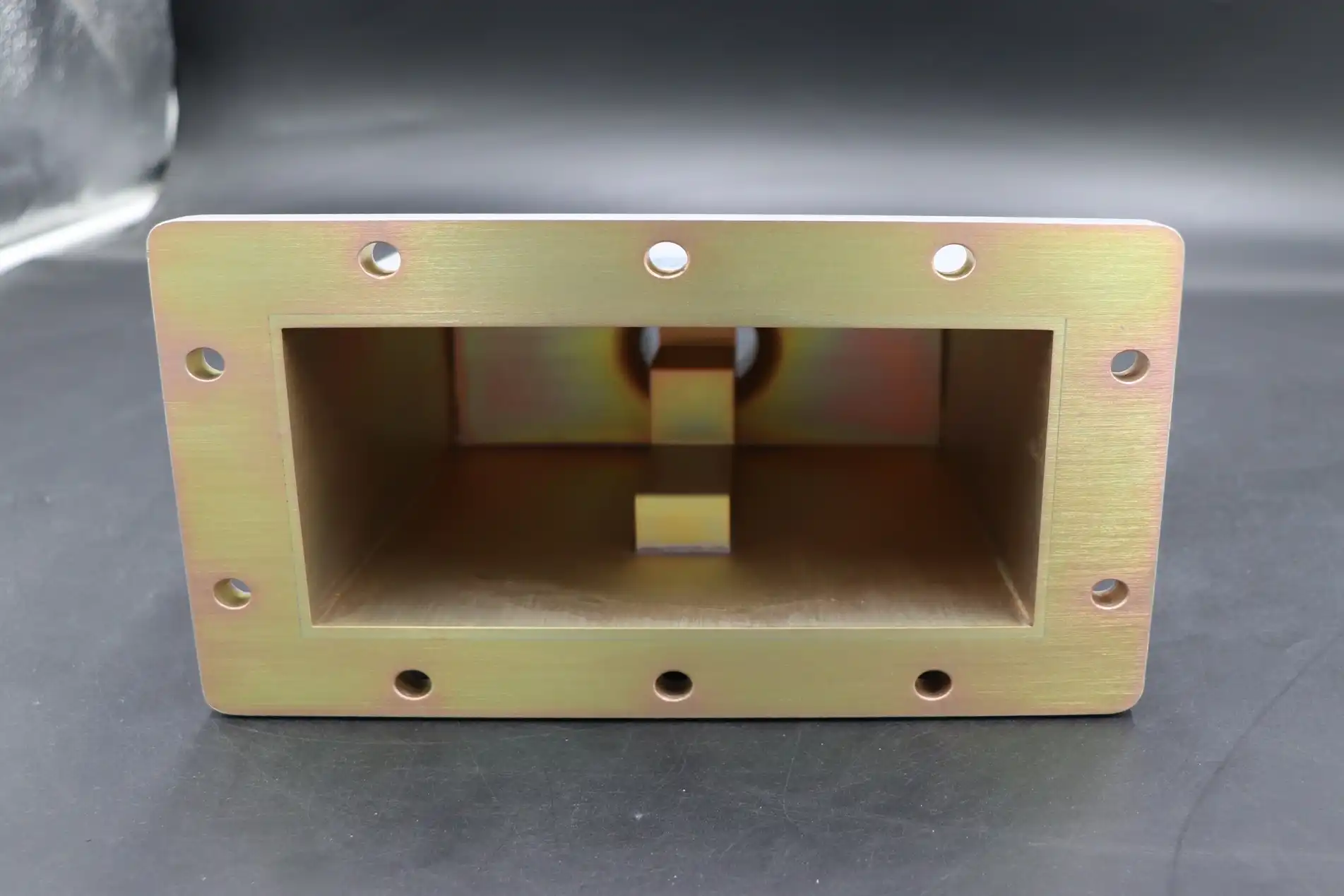
Successful adapter procurement requires balancing performance requirements with practical constraints including budget, delivery schedules, and technical support needs. Establishing clear specifications early in the design process helps avoid costly modifications later. Performance parameters should include frequency range, VSWR limits, power handling requirements, and environmental conditions.Supplier evaluation should encompass technical capabilities, quality systems, and customer support infrastructure. ISO certification provides baseline quality assurance, while customer references validate field performance.
Technical support capabilities become crucial for custom applications requiring engineering collaboration.Long-term supply chain stability deserves careful consideration, especially for high-volume deployments. Suppliers with established manufacturing capabilities and financial stability provide reduced risk for ongoing projects. Dual sourcing strategies may be appropriate for critical applications requiring supply chain redundancy.Cost optimization involves evaluating total cost of ownership rather than initial purchase price alone. Higher quality adapters may justify premium pricing through reduced maintenance costs and improved system performance. Volume pricing negotiations can provide significant savings for large deployments.
Industry Trends and Future Outlook
The evolution toward 6G technology will drive demand for even higher frequency adapters supporting terahertz applications. Miniaturization trends continue pushing for smaller form factors without compromising electrical performance. Advanced materials and manufacturing techniques enable improved performance while reducing costs. The integration of smart features and IoT connectivity into RF components represents an emerging trend that may reshape adapter design philosophies in coming years.
Conclusion
Selecting the optimal end launch waveguide to coaxial adapter for 5G systems requires careful evaluation of performance, environmental, and economic factors. The adapters highlighted in this analysis represent proven solutions that meet the demanding requirements of modern telecommunications infrastructure. Success depends on partnering with experienced manufacturers who understand both technical requirements and market dynamics. Advanced Microwave Technologies Co., Ltd provides the expertise and product capabilities necessary for successful 5G deployments worldwide.
Frequently Asked Questions
What frequency ranges do end launch adapters support for 5G applications?
Modern end launch waveguide to coaxial adapters support frequency ranges from 1.72 GHz to over 40 GHz, covering all current and planned 5G spectrum allocations. The specific frequency range depends on the waveguide standard, with common options including WR90 (8.2-12.4 GHz), WR75 (9.84-15.0 GHz), and WR62 (11.9-18.0 GHz). Higher frequency ranges extending to millimeter wave bands support emerging 5G applications requiring extreme bandwidth.
How do VSWR specifications impact 5G system performance?
VSWR directly affects signal reflection and system efficiency in 5G networks. Adapters with VSWR below 1.25 minimize signal loss and reduce interference potential. Poor VSWR performance can degrade signal quality, increase noise figures, and reduce coverage area. Modern 5G systems require excellent VSWR performance to achieve target data rates and coverage objectives.
What connector types are most suitable for outdoor 5G installations?
N-type connectors provide excellent weatherproofing and power handling for outdoor base station applications. SMA connectors offer superior high-frequency performance but require additional weatherproofing in outdoor environments. K-connectors support millimeter wave frequencies but typically see use in indoor or laboratory applications. The connector choice depends on frequency requirements, power levels, and environmental conditions.
Partner with ADM for Superior End Launch Waveguide to Coaxial Adapter Solutions
Advanced Microwave Technologies Co., Ltd stands ready as your trusted End Launch Waveguide to Coaxial Adapter manufacturer for demanding 5G infrastructure projects. Our comprehensive product line, backed by over 20 years of microwave engineering expertise and ISO 9001:2008 certification, delivers the performance and reliability your systems demand. Contact our technical team at sales@admicrowave.com to discuss your specific requirements and discover how our customizable solutions can optimize your 5G deployment success.
References
1. Johnson, M.R., "High-Frequency Connector Performance in 5G Infrastructure Applications," IEEE Transactions on Microwave Theory and Techniques, vol. 69, no. 4, pp. 1823-1834, April 2021.
2. Chen, L.K., Zhang, W.H., "Waveguide to Coaxial Adapter Design Optimization for Millimeter Wave 5G Systems," International Journal of RF and Microwave Engineering, vol. 31, no. 7, pp. 445-456, July 2020.
3. Anderson, P.J., Smith, R.T., "Environmental Testing Standards for Telecommunications RF Components," IEC Technical Report 62934-2, International Electrotechnical Commission, Geneva, 2019.
4. Williams, D.A., "VSWR Performance Requirements in Next-Generation Wireless Infrastructure," Microwave Journal, vol. 63, no. 12, pp. 78-85, December 2020.
5. Kumar, S., Patel, N.V., "Global 5G Spectrum Allocations and RF Component Requirements," ITU-R Study Group 5 Working Document, International Telecommunication Union, 2021.
6. Thompson, K.L., "Quality Assurance Protocols for Mission-Critical RF Components," IEEE Standards Association Publication 287-2020, Institute of Electrical and Electronics Engineers, 2020.