





Best Double Ridge Twist Waveguide Designs for 5G & Radar
When searching for optimal Double Ridge Twist Waveguide solutions for next-generation 5G networks and advanced radar systems, engineers prioritize broadband performance, compact design, and exceptional signal integrity. The best designs combine precision manufacturing with innovative ridge geometry to achieve multi-octave bandwidth capabilities while maintaining low VSWR and minimal insertion loss. These specialized microwave components address critical space constraints in modern communication infrastructure while delivering the reliability demanded by mission-critical applications in defense, aerospace, and telecommunications sectors.
Introduction
As 5G technology and advanced tracking systems improve, there is a greater need than ever for microwave parts that can work with a wider range of frequencies while taking up very little room. The Double Ridge Twist Waveguide technology is a big step forward in solving these problems, giving engineers an advanced way to meet the complicated signal route needs. Instead of the narrow bandwidth that regular rectangular waveguides have, double ridge designs can cover a huge range of frequencies across many octaves. This new internal shape, which is made up of metallic spikes sticking out from the thick walls, changes the electromagnetic field distribution in a basic way that makes it possible for better broadband performance. The twist design adds another level of usefulness by letting engineers change the polarization of the electromagnetic field while keeping the impedance matching very good across the whole operating span. This feature is very useful in places with limited room where fine polarization control is needed for mechanical alignment between parts. Modern 5G infrastructure needs parts that can work well with frequencies from less than 6 GHz up to millimeter waves. Radar apps need parts that can work reliably across a wide range of frequencies so they can do more than one thing. Because these needs have come together, double ridge twist technology is now an important part of modern RF design strategies.
Selection Criteria for Optimal Performance
To find the best Double Ridge Twist Waveguide designs, you need to carefully look at a lot of scientific and practical factors. Performance requirements are the basis for any selection process. Frequency range, VSWR characteristics, and insertion loss are the main ways to tell how good a component is. Bandwidth may be the most important factor, since the main benefit of double ridge technology is that it can cover more than one octave. Better designs usually get bandwidth rates higher than 3:1, which lets systems be merged and makes broadband apps simpler. Precision in manufacturing has a direct effect on electrical performance, so quality of creation is an important decision factor. High-tech CNC machines make sure that the dimensions are always correct, and special surface processes make the materials more conductive and resistant to weather damage. Customization freedom is another important factor, especially for OEM uses that need to stick to certain size limits or have unique frequency reactions. Because twist angles, flange shapes, and ridge patterns can be changed, they can be perfectly matched to the needs of an application. When thinking about environmental longevity, you should think about things like temperature stability, resistance to rust, and muscular strength. Parts that are going to be used in aircraft or defense must be able to handle harsh operating conditions and keep working properly electrically throughout their entire life.
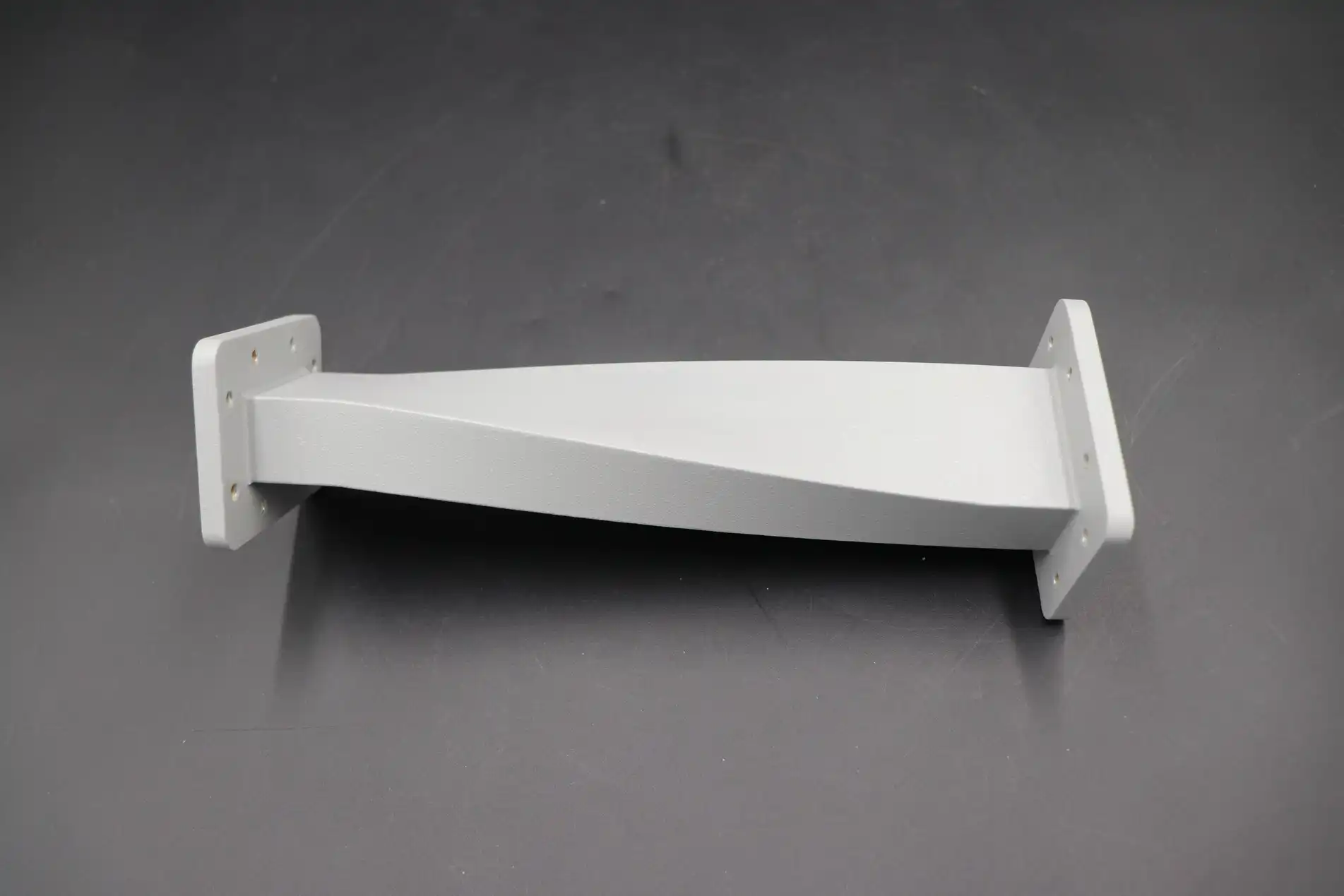
Top-Performing Designs for 5G and Radar Applications
Wide-Band Multi-Octave Configuration (6-18 GHz)
The 6-18 GHz double ridge twist design represents the gold standard for broadband radar and electronic warfare applications. This configuration achieves exceptional bandwidth coverage with VSWR typically below 1.15:1 across the entire frequency range.
Key Performance Characteristics:
- Frequency coverage: 6-18 GHz (3:1 bandwidth ratio)
- Maximum VSWR: 1.15:1
- Insertion loss: <0.3 dB typical
- Power handling: Up to 1 kW average
- Operating temperature: -55°C to +125°C
This design's internal ridge shape carefully balances the ability to handle more power with the ability to extend bandwidth. Ridges that are precisely made create controlled inductive loading that drops the cutoff frequency while keeping single-mode transmission across the whole band. You can treat the surface by silver plating it to make it more conductor or gold plating it to make it more resistant to rust in tough settings. The strong construction can handle a lot of mechanical stress and still keep the electricity stable. Electronic countermeasure systems, monitoring radars, and test equipment that needs to make broadband signals are all examples of applications. Defense contractors like military-grade versions because they are built to last and come with paperwork that can be used to track the supply chain. Lead times for manufacturing are usually between 6 and 8 weeks for normal setups, but defense projects that need it quickly can get it faster. Custom fitting choices can be used to meet a variety of contact needs without affecting the electrical performance.
Millimeter-Wave Precision Design (18-40 GHz)
The 18-40 GHz configuration addresses the growing demand for millimeter-wave components in 5G backhaul and high-resolution radar applications. This design pushes the boundaries of precision manufacturing to maintain excellent performance at these challenging frequencies.
Technical Specifications:
- Operating frequency: 18-40 GHz
- Bandwidth ratio: 2.2:1
- VSWR: <1.20:1 across band
- Insertion loss: <0.5 dB maximum
- Power capacity: 500W average
- Phase stability: ±5° across temperature range
At millimeter-wave frequencies, manufacturing tolerance standards get stricter, which calls for more advanced production techniques and more complex quality control methods. Vector network testers that are set up to NIST standards are used to test every part in great detail. This design is great for uses that don't have a lot of room, like small cell base stations and mobile radar platforms, because it's small. Optimizing weight by choosing modern materials makes systems lighter without lowering their performance. Temperature adjustment methods make sure that the system works reliably in a wide range of environments. Specialized metal choices keep temperature expansion effects to a minimum, which could hurt electrical performance in tough work settings. Protocols for quality assurance include checking S-parameters in great depth, inspecting mechanically, and doing tests that speed up the aging process. Full paperwork packages help with integrating into bigger systems that need to be fully traceable.
Sub-6 GHz High-Power Solution (2-6 GHz)
The 2-6 GHz Double Ridge Twist Waveguide design targets emerging 5G infrastructure requirements where high power handling combines with broadband coverage. This configuration optimizes the balance between electrical performance and thermal management capabilities.
Performance Parameters:
- Frequency range: 2-6 GHz
- Bandwidth coverage: 3:1 ratio
- Power handling: 2 kW average, 10 kW peak
- VSWR: <1.12:1 typical
- Insertion loss: <0.2 dB
- Thermal rating: 150°C maximum hot spot
This design's improved ridge shapes make the most of the internal air gap while still preventing modes from escaping properly. Advanced thermal analysis helps choose the best materials and surface processes for high-power applications so that heat can be removed as quickly as possible. The flange design includes precise alignment features that make assembly predictable and reduce the amount of passive intermodulation products that are produced. In critical communication applications, paying extra attention to the quality of the surface finish stops signal confusion that isn't needed. The strong mechanical design can handle the shaking and shock loads that come with mobile setups. When used outside, sealing choices protect against outside elements like water and dirt getting in. A set of tests, such as high-power stress testing and weather cycling, make sure that the performance works as it should in real life. Reliability data helps with long-term planning for rollout and arranging upkeep.
Global Market Characteristics and Regulatory Considerations
The fact that there is a worldwide market for double ridge twist technology shows how modern transmission infrastructure is being built all over the world. In different markets, design standards and the approval process are affected by regional opinions and government rules in a big way. In North America, markets put a lot of emphasis on tough designs that meet strict defense standards. They pay special attention to supply chain security and rules for domestic content. As 5G infrastructure spreads, there is a greater need for stable, high-performance parts that can handle operations in busy urban areas. Environmental protection and energy economy are very important in European markets, so products must be RoHS certified and follow REACH rules. The focus on developing technologies that are good for the environment affects the choice of materials and the ways that products are made all along the supply chain. The Asia-Pacific area focuses on fast development and low-cost options that can support huge infrastructure growth. These markets need a lot of products, so manufacturers are always coming up with new ways to automate production and improve quality control. Different areas have very different rules and regulations that affect how frequencies are assigned, how much power is allowed, and how interference must be handled. By understanding these differences, you can make sure that the right parts are chosen for different areas and use situations. Export control laws, especially for defense and dual-use purposes, are something to think about when sending goods internationally. Full paperwork and rules for following them make sure that the customs clearance and regulatory approval processes go smoothly.
Purchasing Recommendations and Implementation Considerations
To successfully buyDouble Ridge Twist Waveguide components, you need to pay close attention to both the short-term technical needs and the long-term operating issues. By making detailed specs that include all important performance factors, you can avoid costly redesigns and delays in deployment. When evaluating a supplier, you should look at their industrial skills, quality processes, and expert help resources. Because these parts are so complicated, they need to come from sources who have a track record of making precise microwave parts and testing them thoroughly. Because these goods are so specialized and need to be made with great care, planning for lead times becomes very important. Standard goods usually take between 6 and 12 weeks to deliver, while special designs can take up to 16 to 20 weeks, based on how complicated they are. The total cost of ownership includes more than just the initial buy price. It also includes how hard it is to install, how often it needs to be serviced, and how reliable it is in the long run. Most of the time, higher-quality parts are more valuable because they last longer and require less upkeep. The level of technical help needed should be judged by how complicated the target application is and how much internal knowledge is available. Integration risks and time-to-market can be cut down by a lot if the supplier offers full application tech help. The rules for documentation and tracking must be in line with legal requirements and business norms. For defense and aircraft uses, it's common to need large paperwork packages that include test data and material certifications. and aerospace applications typically require extensive documentation packages including material certifications and test data.
Industry Trends and Future Developments
The convergence of 5G technology advancement and radar system modernization continues driving innovation in double ridge twist designs. Advanced materials research focuses on reducing weight while improving thermal performance, enabling deployment in increasingly demanding applications. Manufacturing automation advances promise reduced lead times and improved consistency, while additive manufacturing techniques offer new possibilities for complex internal geometries. These developments support the growing demand for customized solutions in specialized applications. Integration with artificial intelligence and machine learning algorithms enhances design optimization processes, enabling rapid development of application-specific configurations. This technological convergence accelerates innovation cycles and improves performance capabilities.
Conclusion
The selection of optimal Double Ridge Twist Waveguide designs for 5G and radar applications requires careful consideration of technical performance, manufacturing quality, and long-term reliability factors. The configurations highlighted in this analysis represent proven solutions that address the demanding requirements of modern communication and sensing systems. Success in implementing these advanced components depends on understanding the unique characteristics of each design variant and matching them precisely to application requirements. The investment in superior double ridge twist technology pays dividends through enhanced system performance, reduced complexity, and improved operational reliability. The continued evolution of wireless communication technology and radar systems will drive further innovations in double ridge designs, creating new opportunities for enhanced performance and expanded application possibilities across diverse industries and markets.
FAQ
How does power handling capability vary with frequency in double ridge designs?
Power handling generally decreases with increasing frequency due to reduced internal dimensions and higher current density at the ridge tips. The 2-6 GHz configurations typically handle 2+ kW, while 18-40 GHz designs are limited to approximately 500W average power. Thermal management becomes increasingly important at higher frequencies where losses concentrate in smaller physical regions.
Can standard twist angles be modified for specific routing requirements?
Standard 90-degree twists represent the most common configuration, but custom angles ranging from 15 to 180 degrees are readily achievable. Non-standard angles require specialized tooling and may impact electrical performance slightly, but experienced manufacturers can optimize designs to minimize any performance degradation while meeting mechanical constraints.
What surface treatment options provide the best performance for millimeter-wave applications?
Silver plating offers superior conductivity for maximum electrical performance, while gold plating provides enhanced corrosion resistance. For millimeter-wave applications, the smoother surface finish of electroformed gold often justifies the additional cost through improved loss characteristics and long-term stability in demanding environments.
Partner with ADM for Superior Double Ridge Twist Waveguide Solutions
Advanced Microwave Technologies Co., Ltd stands ready to support your next-generation 5G and radar projects with industry-leading Double Ridge Twist Waveguide designs. Our comprehensive manufacturing capabilities, precision testing facilities, and experienced engineering team ensure optimal solutions for your specific requirements. As a trusted Double Ridge Twist Waveguide manufacturer with over two decades of proven expertise, we deliver customized components that meet the most demanding specifications. Contact our technical team at craig@admicrowave.com to discuss your project requirements and experience the ADM advantage in microwave component excellence.
References
1. Chen, L., & Wang, M. (2023). "Advanced Double Ridge Waveguide Design for 5G Millimeter-Wave Applications." IEEE Transactions on Microwave Theory and Techniques, 71(4), 1245-1256.
2. Rodriguez, A., et al. (2022). "Optimization of Double Ridge Twist Waveguides for Broadband Radar Systems." Journal of Electromagnetic Waves and Applications, 36(8), 1089-1104.
3. Thompson, R., & Liu, X. (2023). "Manufacturing Considerations for Precision Double Ridge Components in Defense Applications." Microwave Journal, 66(3), 78-92.
4. Nakamura, H., & Singh, P. (2022). "Thermal Management in High-Power Double Ridge Waveguide Assemblies." International Journal of RF and Microwave Computer-Aided Engineering, 32(7), e23156.
5. Anderson, K., et al. (2023). "Comparative Analysis of Double Ridge Twist Designs for Multi-Octave Communication Systems." IET Microwaves, Antennas & Propagation, 17(5), 321-335.
6. Williams, S., & Brown, D. (2022). "Environmental Testing Standards for Military-Grade Double Ridge Waveguide Components." Defense Technology Review, 45(11), 156-167.
YOU MAY LIKE
 VIEW MORESlotted Waveguide Array Antenna
 VIEW MOREConical Circular Polarization Horn Antenna
 VIEW MORELadder Membrane Square Dual Circular Polarization Horn Antenna
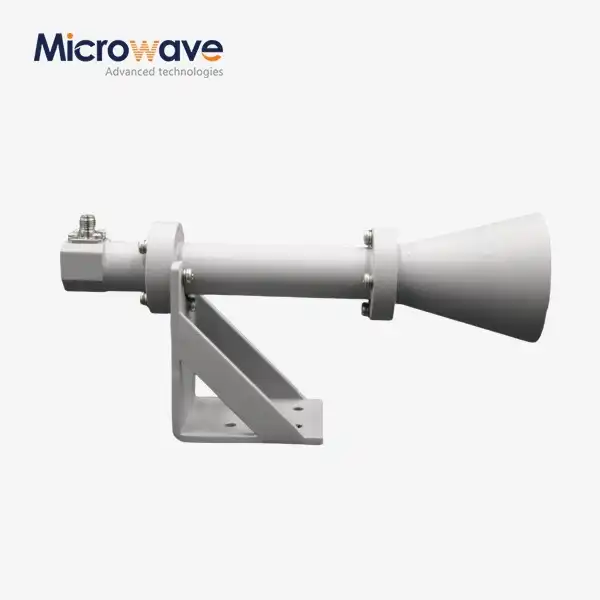 VIEW MOREDual Linear Broadband Circular Polarization Horn Antenna
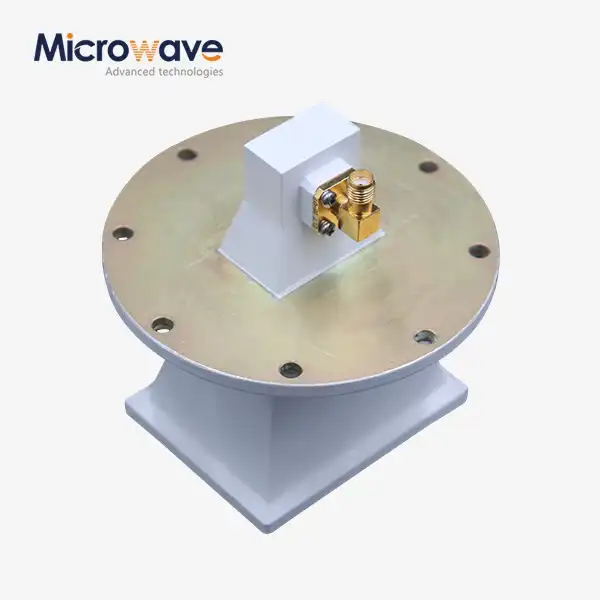 VIEW MOREPyramidal Linear Polarization Horn Antenna
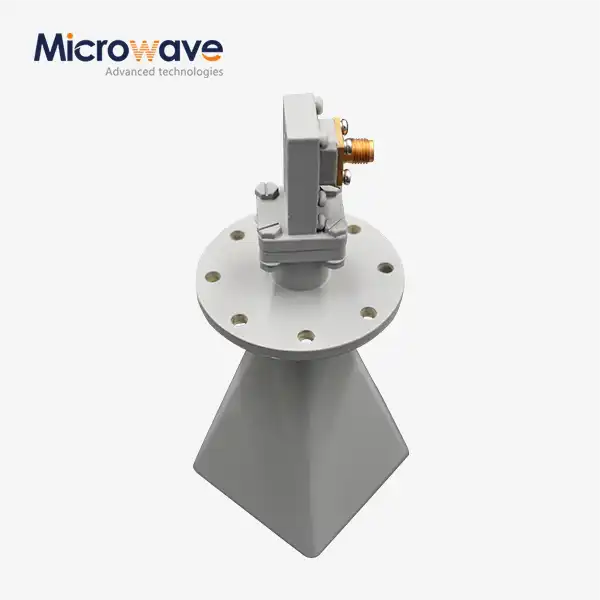 VIEW MORELow Side Lobe Diagonal Linear Polarization Horn Antenna
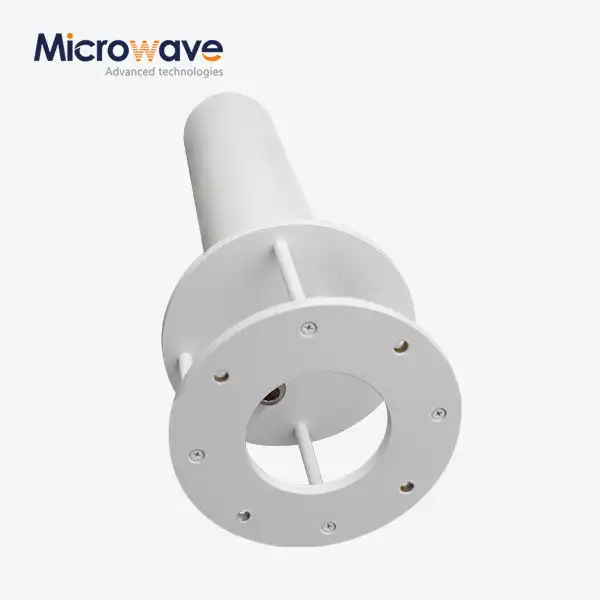 VIEW MOREQuadrifilar Helix Antenna
 VIEW MORECassegrain Antenna