





Why Use a Waveguide Pressure Window in Radar Systems?
Waveguide pressure windows act as airtight shields inside the radar system transmission lines. They create a physical wall that keeps pressured settings inside the system from the outside atmosphere while still letting electromagnetic waves pass through freely. These special parts keep the dielectric from breaking down in high-power radar applications, stop moisture and contaminants from getting in and damaging sensitive active parts, and keep working properly in all kinds of environments, from sea level to high-altitude deployments. This is why they are essential for mission-critical radar operations.
Understanding Waveguide Pressure Windows: Definition and Core Principles
A waveguide pressure window is basically an electromagnetic barrier that is clear. It solves a basic technical problem in radar system design. These parts keep air out of different weather zones while still letting RF energy travel along the waveguide path.
The Physics Behind Pressure Window Operation
A low-loss dielectric material, like PTFE, quartz, alumina ceramic, or special plastics, is joined inside a precisely made metal frame to make the window unit. To keep signal bounce to a minimum in the working frequency band, this insulating layer must stay within certain thickness ranges. In challenging situations, the mechanical structure can handle differential pressure loads of 60 psi or more, while the electromagnetic field moves through the insulator with little resistance.
Critical Engineering Parameters
The choice of material has a direct effect on how well it works. PTFE is very cost-effective and can handle enough power for most industrial radar devices. Quartz and ceramic versions are better at transferring heat, which lets them work at high power for longer periods of time, which is common in military monitoring and tracking radars. The way the insulator and metal frame are bonded must be able to handle differences in thermal expansion across temperature ranges of -55°C to +125°C. This is to keep the mechanical parts from breaking down during thermal cycles.
Insertion loss is another important condition. Premium waveguide pressure windows have insertion loss values below 0.05 dB across the frequency band they are designed for, which means that signals are degraded as little as possible. Voltage Standing Wave Ratio (VSWR) readings usually stay below 1.10:1, which means that energy is transferred efficiently with almost no echoes that could hurt radar sensitivity or damage parts further upstream.
Key Performance Factors and Benefits of Waveguide Pressure Windows
To choose the right waveguide pressure window, you have to make sure that the qualities and design features of the material meet the needs of the operation. The choice has an effect on both the short-term and long-term success of the system.
Material Characteristics and Environmental Resilience
In different situations, different insulating materials have clear benefits. Quartz windows work well in high-vacuum conditions because they don't give off many gases. This makes them ideal for aircraft radar systems that work at very high levels. Ceramic choices can handle harsh chemical conditions and have very high mechanical strength, making them perfect for use on ships where salt fog and dampness are common. PTFE versions that support frequency ranges from L-band to Ka-band and keep operating temps within market standards strike a good mix between performance and cost-effectiveness.
Hermetic Sealing and Contamination Prevention
How long a radar lasts is directly related to how well these parts connect. Helium mass spectrometry testing is used in advanced production to make sure that leak rates are less than 1 x 10^-7 standard cubic centimeters per second. This amount of hermeticity keeps moisture from the air from getting into sealed waveguide sections. This keeps sensitive parts like magnetrons, klystrons, and solid-state power amps from breaking down due to corrosion. By keeping controlled internal atmospheres, like dry nitrogen, SF6 gas, or continuous pressure differences, these windows make it longer for radar systems to go without failing on average.
Power Handling and Arcing Prevention
For high-power radar uses, strong waveguide pressure window designs are needed. By keeping the internal pressure high, these parts improve the dielectric strength of the gas medium inside the waveguides. This stops voltage breakdown that would happen in low-air-pressure conditions at high altitudes. This quality is necessary for early warning systems in the air and monitoring radars on the ground that send out peak powers of more than a few megawatts. The window can handle both continuous wave and rapid RF energy without overheating or dielectric puncture, so it is always ready for use.
System designers and users can see real gains from these performance traits. Lower lifecycle costs are caused by fewer repair gaps, and higher reliability helps mission-critical applications where radar uptime directly affects operational success. The operating guarantee these parts offer is useful for military tracking systems, weather monitoring networks, and air traffic control sites.
Comparing Waveguide Pressure Windows with Alternative Solutions
Knowing the differences between waveguide pressure windows and other ways of closing helps buying teams make smart choices that fit the needs of the project and meet performance goals.
Standard RF Windows Versus Pressure-Rated Designs
Traditional RF windows let electromagnetic waves pass through, but don't always keep air inside. They work well for low-differential-pressure uses or systems that are sealed by the atmosphere, but they don't have the mechanical support and airtight seals that are needed for pressurized radar installations. Standard windows might have similar RF performance measures, but they won't work with continuous pressure loads or the fast pressure switching that happens on flying platforms that change altitude.
Pressure-rated windows are made with stronger dielectric materials and specially designed mounting surfaces that spread the assembly's mechanical loads evenly. This improvement to the structure makes it possible to keep working under different pressures while still meeting RF performance standards. There is an extra cost for the extra planning, but it is worth it in situations where system failure has major practical or safety effects.
Material Trade-offs and Application Fit
When projects want to save money, they often compare PTFE windows to better-performing ceramic or quartz options. PTFE options work well enough for ground-based radars that work at modest power levels and are exposed to controlled environments. These systems have lower starting costs, but they have to deal with a little more entry loss and a smaller temperature range.
Although ceramic and quartz windows are more expensive, they work better in a number of ways. Their better ability to conduct heat means they can work at high levels for longer periods of time without losing their effectiveness, and their higher mechanical strength means they can handle the shocks and vibrations that are common in mobile or marine setups. Because they let out gases, ceramic and quartz materials are necessary for space-based radar systems or setups with vacuum tubes, where contamination could hurt performance.
When procurement pros look at these choices, they should compare the original cost of each component to the total cost of the system over its entire life. The extra cost of premium materials is usually worth it because they last longer, need less upkeep, and make systems more available, all of which are important in mission-critical situations.
How to Choose and Procure the Right Waveguide Pressure Window for Your Radar System?
To do good buying, you need to start by clearly stating all of your needs, including scientific details, the environment, and the supply chain. This orderly technique makes sure that the parts chosen meet current needs and help the business reach its long-term goals.
Frequency Range and Waveguide Compatibility
The waveguide pressure window needs to be the right size for your radar system's working frequency band and waveguide. Standard waveguide names, like WR-90 for X-band and WR-62 for Ku-band, tell you how big the lip needs to be and how it needs to fit with the window.OEM production may be needed for custom frequency ranges or waveguide shapes that aren't standard. This can add to lead times but ensures the best system integration.
Check the window's frequency reaction across the whole operating span, not just to make sure it works with everything. Premium parts keep insertion loss and VSWR levels flat over a wide frequency range, so they can be used in frequency-agile radar systems or setups that need to add more frequencies in the future.
Environmental and Operating Conditions
Material selection and design specifications are based on accurately describing the distribution setting. For locations near the coast, you need materials that don't rust and binding solutions that can handle salt fog. Airborne systems at high altitude need waveguide pressure windows that are approved for large differences in pressure and quick changes in temperature. For example, vacuum-rated windows that can handle megawatt-level RF energy transfer may be needed for industrial heating uses or particle accelerator setups.
Specifications for temperature changing should be given extra care. When radar devices experience changes in temperature during the day or quickly changing altitude, pressure windows are put under mechanical stress from differences in thermal expansion. Certified parts that can work in a wide range of temperatures and are proven to be reliable through thermal cycling tests are what these tough uses need.
Supplier Qualification and Certification Requirements
Working with qualified providers guarantees uniform quality and the dependability of the supply chain. ISO 9001 certification shows that quality management systems are in place, while ISO 14001 and ISO 45001 certifications show that a company cares about the environment and is committed to worker safety. These qualifications are especially important for defense and aircraft uses that need to be able to track things and keep records to meet regulations.
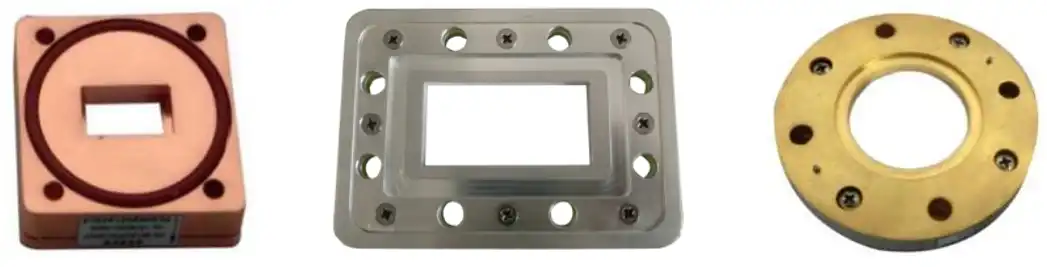
RoHS compliance and conflict resource statements meet standards for more openness in the supply chain. Procurement teams that work with government contracts or international clients benefit when providers keep detailed records of compliance and set processes for tracking down materials.
Practical Installation and Troubleshooting Guide
Proper installation and continued upkeep improve the performance and life of the waveguide pressure window, avoiding early breakdowns that make radar less available.
Installation Protocol and Best Practices
When installing something, you have to pay close attention to the mechanics and electrical details. Waveguide lips need to be perfectly lined up, and the seal needs to be compressed so that there is even contact around the edges. The manufacturer's torque specs make sure that the seal is strong enough without over-compressing the gaskets or warping the window frame. Specialized torque patterns, which usually involve crossing diagonal bolts one after the other, spread tightening forces out widely, which stops mechanical stress from building up in one place.
Preparing the surface before placement is just as important. The connecting sides of flanges need to be cleaned to get rid of rust, dust, or gasket material that is still there from previous installs. Any particle pollution stuck between the flanges makes leak tracks or uneven gasket tension. For high-power uses, check the insulating surface for damage or contamination. RF arcing can be caused by even small surface contaminants, which can cause the window to fail catastrophically.
Common Failure Modes and Preventive Measures
When waveguide pressure windows are put under too much stress, they fail in expected ways. When the pressure is higher than what is recommended, it can crack insulating materials or damage bonded surfaces. The procurement team should make sure that the system's working pressures stay below the window values by enough to keep safety gaps. This should take into account pressure changes that happen when the system starts up or when the altitude changes quickly.
RF arcing is another common way things go wrong. It's usually caused by surface contamination, moisture getting in, or using too much power. Carbon tracking, which looks like dark spots on the dielectric surface, is an early sign of arcing damage that is about to happen. Systems that have VSWR rises that can't be explained or speed drops that come and go should have their windows checked right away.
Maintenance Protocols and Inspection Schedules
These parts usually don't need much regular care besides being looked at every so often. Most sites only need to be inspected once a year, but placements in difficult environments may need to be inspected more often. Inspection methods should check the stability of the pressure by watching the system pressure, make sure there is no carbon tracking or damage to the surface, and use VNA measures when possible to make sure that the RF performance metrics stay within the specs.
Predictive maintenance methods are possible by keeping records of test results and performance trends. Gradual VSWR increases or slowly falling pressure retention may be signs of old seals or bond failures that need to be replaced before they fail. This method cuts down on unexpected downtime and helps meet business-ready goals.
Conclusion
Waveguide pressure windows are an important part of radar systems that have to work in harsh environments and meet strict performance standards. Their ability to keep airtight seals while keeping RF signal integrity saves delicate parts, stops dielectric breakdown, and makes sure that the system stays operational. By using the right materials, installing them correctly, and keeping up with regular upkeep, these parts serve mission-critical radar uses in the defense, aircraft, telecommunications, and industry sectors. When you work with experienced makers who offer full technical support and quality standards, you can be sure that the choices you make about what to buy will meet both short-term project needs and long-term working goals.
FAQ
Q1: What dielectric material suits harsh coastal environments?
For seaside radar sites, ceramic or quartz waveguide pressure windows are better at resisting erosion. These materials don't break down when exposed to salt fog or humidity, and their airtight closing keeps internal parts from getting dirty. PTFE options might work for climate-controlled settings, but they aren't as resistant to the elements as ceramic options when they are exposed directly to air.
Q2: How frequently should pressure windows undergo inspection?
Most systems should have eye checks once a year to look for carbon tracking, surface damage, and pressure stability. Inspections every six months are helpful for harsh-environment operations or high-power systems. Systems that aren't working right should be looked at right away, even if they aren't due for maintenance.
Q3: Can pressure windows accommodate custom frequency ranges?
OEM production lets you make designs that are specific to frequency needs and waveguide measurements that aren't standard. Custom solutions take longer to make, but they make sure that electromagnetic performance is at its best and that they can be used with different types of radar systems. Accurate custom design development is helped by specific information about frequency range, power levels, and weather conditions.
Partner with ADM for Precision-Engineered Waveguide Components
Advanced Microwave Technologies Co., Ltd has been making high-performance waveguide pressure windows and RF parts for difficult radar uses for more than 20 years. Our ISO 9001-certified factories make precision-engineered products that are used around the world in industry, defense, and aircraft applications. Our expert team is here to help you with every step of the buying and putting together process, whether your project needs normal stock parts or kits that are specially made for certain frequency bands and weather conditions.
We can test a lot of things up to 110 GHz, making sure that the RF performance and airtight closing integrity are correct across all operating factors. As a waveguide pressure window seller, we can do fast development, large-scale production, and provide full technical data to help with system integration and approval. Email our engineering team at craig@admicrowave.com to talk about your unique needs, get full specs, or get quotes from other companies for your future projects. We provide trustworthy parts that are backed by strict quality control and quick expert help.
References
1. Marcuvitz, Nathan. "Waveguide Handbook." MIT Radiation Laboratory Series, Volume 10, McGraw-Hill Book Company, 1951.
2. Pozar, David M. "Microwave Engineering, Fourth Edition." John Wiley & Sons, 2011.
3. Skolnik, Merrill I. "Radar Handbook, Third Edition." McGraw-Hill Professional, 2008.
4. Saad, Theodore S. "Microwave Engineers' Handbook, Volume 2." Artech House Publishers, 1971.
5. Balanis, Constantine A. "Advanced Engineering Electromagnetics, Second Edition." John Wiley & Sons, 2012.
6. Collin, Robert E. "Foundations for Microwave Engineering, Second Edition." IEEE Press Series on Electromagnetic Wave Theory, 2001.
YOU MAY LIKE
 VIEW MORELog Periodic Antenna
 VIEW MORERight Angle Double Ridged WG To Coaxial Adapter
 VIEW MOREBroadwall Directional Coupler
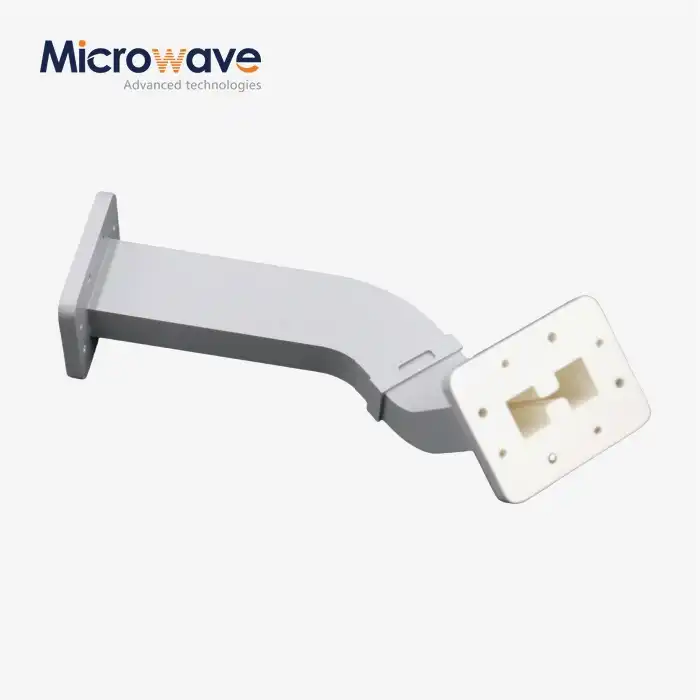 VIEW MOREDouble Ridge Waveguide Bend
 VIEW MOREWaveguide Adjustable Support
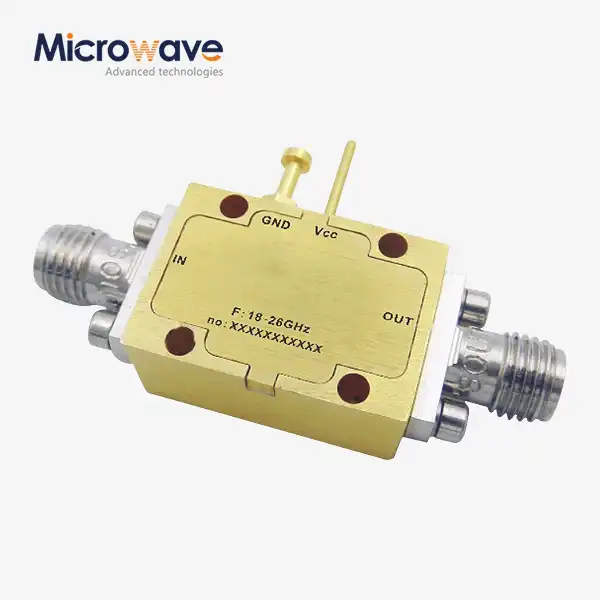 VIEW MOREVoltage Controlled Phase Shifter
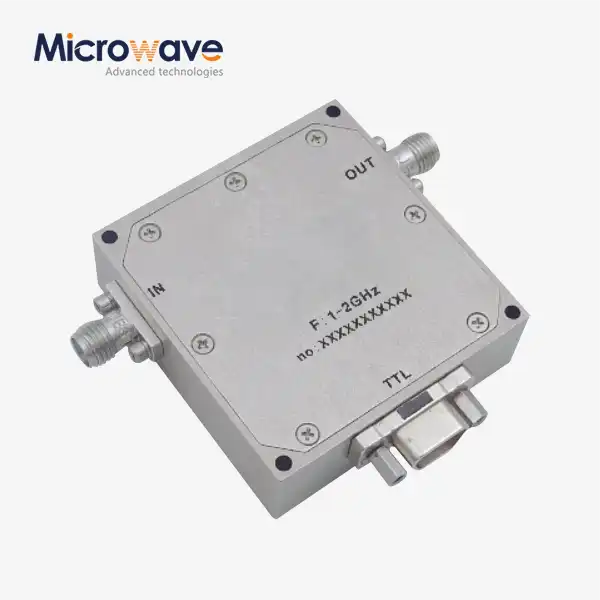 VIEW MOREDigitally Controlled Phase Shifter
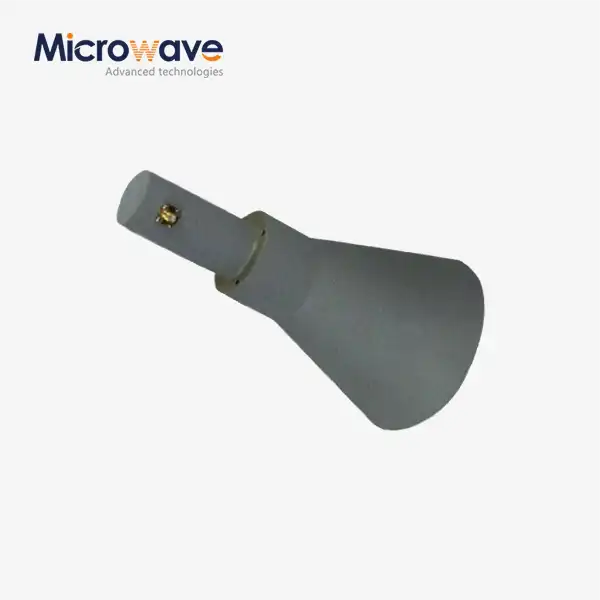 VIEW MORELadder Membrane Conical Dual circular Polarization Horn Antenna