





What is the difference between a directional coupler and a power divider?
Directional couplers and power dividers are two different types of RF parts that are used for very different things in microwave systems. A directional coupler takes a sample of a part of the signal being sent while keeping the ports very separate. It is mostly used for measuring and tracking signals. A waveguide power divider, on the other hand, divides the input signal into several outputs that are either equal or not equal. This spreads power evenly among the different transmission lines. When designing satellite communication systems, radar networks, waveguide power dividers, and precision test equipment, where signal integrity and power control have a direct effect on system performance, it is important to understand these differences.
Introduction to Directional Couplers and Power Dividers
Understanding the Fundamental Roles
Directional couplers and power dividers are both very important parts of modern RF and microwave systems that make it possible to handle and send complex signals. Directional couplers are great at taking out a small part of the main signal without changing the main transmission line too much. Because of this, they are very useful for monitoring purposes where engineers need to check the amounts of forward and reflected power without stopping the system from working. Power dividers handle signals in a different way by dividing the input signal on purpose among several output ports. These devices make sure that each output gets a set amount of power from the input, whether they are built as waveguide power divider units or coaxial configurations. In phased array antennas, where precise amplitude and phase control across multiple elements decides beam characteristics, this ability to spread signals out becomes even more important.
Applications Across Industries
Both types of devices are used a lot in mission-critical tasks in the military and defence industries. Directional couplers are used in radar systems to check the output power of the transmission and find antenna mismatches. Power dividers, on the other hand, send signals to multiple antenna elements in a phased array configuration. Satellite ground stations use similar designs to make sure that communication links always work properly by distributing power reliably and tracking signals. Universities and research centers use these parts to set up experiments that need precise signal control. When making new communication protocols or testing antenna designs, it's important to be able to correctly split signals while keeping measurement ports separate in order to get accurate experimental data.
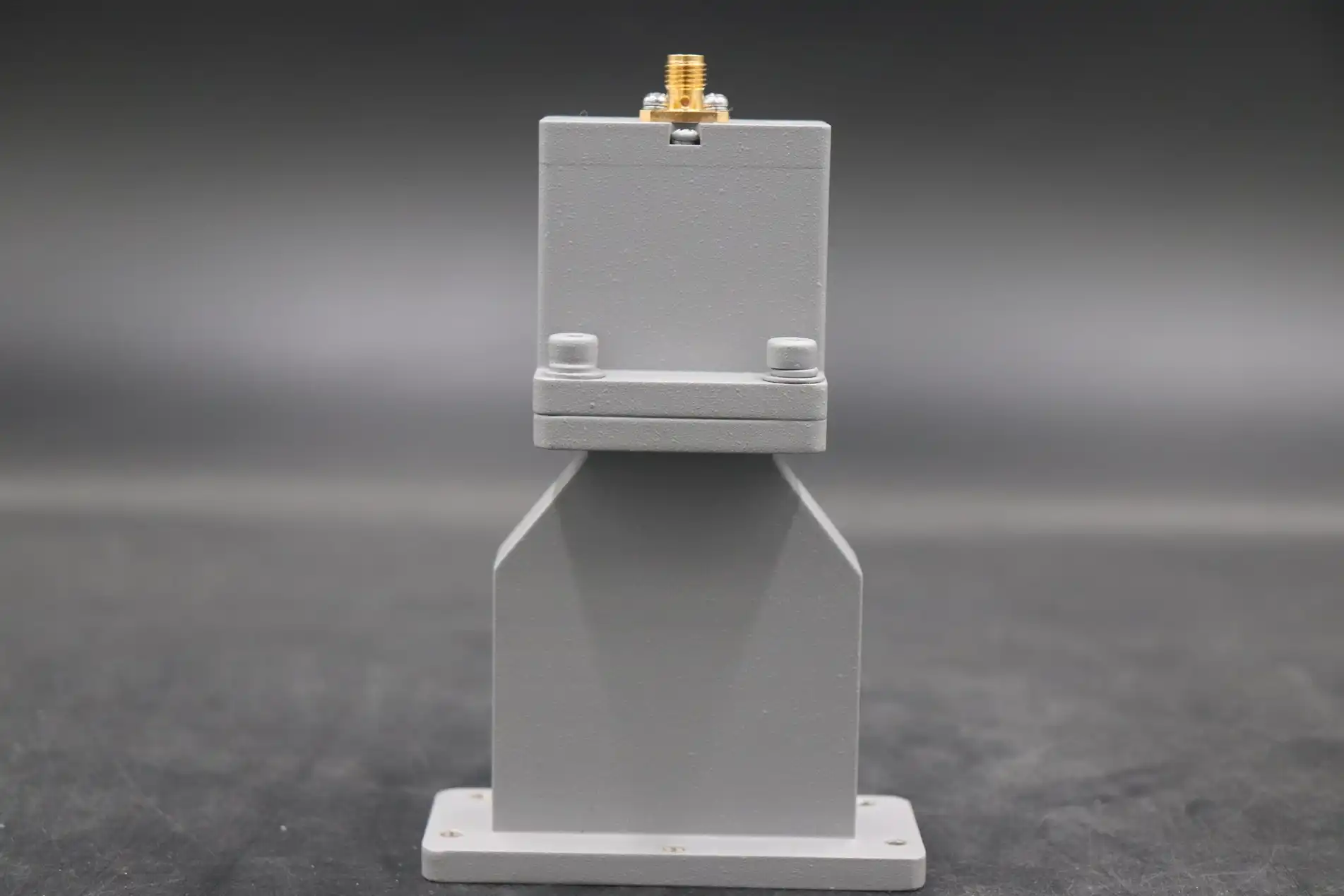
Working Principles and Design of Waveguide Power Dividers and Directional Couplers
Electromagnetic Coupling Mechanisms
Controlled electromagnetic coupling between nearby transmission lines or waveguide structures is how directional couplers work. The coupling mechanism keeps the directional selectivity while letting a small amount of electromagnetic energy move from the main transmission line to the coupled port. This directivity makes sure that the coupled port only reacts to waves that are moving forward and not to signals that are being reflected. When designing directed couplers, the coupling factor, which is usually given in decibels, depends on how well the coupling strength is controlled. Coupling levels usually run from 3 dB to 30 dB. Tighter coupling results in bigger sample signals but might hurt the performance of the main line. Based on the needs of the application, engineers have to find a balance between coupling strength, insertion loss, waveguide power dividers, and directivity standards.
Power Distribution Architecture
Waveguide power divider designs are more concerned with sharing power efficiently than with sampling signals. Most of the time, T-junction dividers are used. These divide power evenly by using symmetric port configurations, but more complicated designs can also make the power distribution uneven. Usually, the internal structure has impedance-matching parts that keep reflection losses to a minimum and make sure that all output ports get the most power possible. A common design is the Wilkinson power divider, which has isolation resistors built in to make the connection between output ports very good. This choice in design keeps all ports' impedances the same so that signals don't get coupled between outputs. In systems where output ports link to different subsystems that might otherwise mess with each other, the isolation feature is very useful.
Design Variations and Frequency Considerations
Multi-way power dividers take the basic idea of splitting and make it possible for more than two output ports to work by using cascaded designs or radial layouts. A lot of the time, corporate feed networks use more than one stage of binary splits to get the number of outputs they need while keeping the amplitude and phase balance on all lines. Frequency bandwidth is an important design factor that has different effects on the two types of devices. Broadband waveguide power divider designs need to keep splitting ratios and port matching constant over a wide frequency range. This is usually done with complicated networks that change the impedance of the waves. Directional couplers have the same problems with bandwidth while keeping their directivity performance across the frequency range they are used in.
Performance Comparison: Directional Coupler vs. Power Divider
Insertion Loss Characteristics
Because they work in different ways, directional couplers and power dividers have very different insertion loss performance. There isn't much insertion loss on the main transmission line of a directional coupler—often less than 0.5 dB—because only a small amount of signal energy moves to the coupled port. Because they lose so little signal, they are perfect for in-line monitoring uses where keeping the signal strong is very important. Due to their ability to split power, power dividers naturally cause more input loss. In theory, a two-way equal split adds 3 dB of loss, which is the basic splitting of power between the outlets. Losses from impedance mismatches, wire resistance, and dielectric materials can add another 0.2 to 1 dB, but this depends on the quality of the design and the frequency range.
Isolation and Directivity Performance
Isolation performance distinguishes these device types in unique ways that impact system design decisions. Directional couplers prioritize isolation between the input and isolated ports, typically achieving 20 to 40 dB of isolation depending on the design complexity. This high isolation enables accurate measurement of forward power without interference from reflected signals. Waveguide power divider designs focus on isolation between output ports rather than directional isolation. Wilkinson dividers commonly achieve 20 to 25 dB of output-to-output isolation, preventing signal coupling that could cause amplitude or phase imbalances in multi-element antenna systems. This isolation characteristic becomes particularly important in phased array applications, such as waveguide power dividers, where element coupling can degrade beam-forming performance.
Power Handling Capabilities
Power handling capacity often determines component selection in high-power applications such as radar transmitters and satellite uplink systems. Waveguide implementations of both device types generally offer superior power handling compared to coaxial or microstrip alternatives due to larger conductor dimensions and better heat dissipation characteristics. High-power waveguide power divider assemblies can handle kilowatts of continuous power when properly designed with adequate cooling provisions. The power distribution among multiple outputs also reduces the thermal stress on each output port compared to the total input power level. Directional couplers typically handle even higher power levels on the main line since only a small fraction of the energy transfers to the coupled port.
Procurement Insights for Waveguide Power Dividers and Directional Couplers
Vendor Evaluation Criteria
Selecting reliable suppliers requires careful evaluation of technical capabilities, quality certifications, and manufacturing processes. Companies like Advanced Microwave Technologies Co., Ltd demonstrate the importance of comprehensive testing facilities, including advanced measurement capabilities up to 110 GHz and ISO 9001:2015 quality certification. These credentials indicate a supplier's commitment to consistent product quality and reliable performance specifications. Manufacturing experience plays a crucial role in delivering components that meet stringent performance requirements. Suppliers with decades of experience in waveguide power divider production typically possess the process knowledge necessary to maintain tight tolerance control and achieve specified electrical performance. This experience becomes particularly valuable when developing custom solutions for unique frequency ranges or specialized power handling requirements.
Technical Specification Requirements
Detailed technical specifications ensure that procured components meet system performance requirements without costly redesigns or performance compromises. Key specifications include frequency range, power handling capacity, insertion loss, isolation, and port match characteristics. Environmental requirements such as operating temperature range, humidity resistance, and vibration tolerance become equally important for aerospace and defense applications. Custom engineering capabilities enable suppliers to address unique requirements that standard catalog products cannot meet. This flexibility becomes valuable when developing specialized feed networks, unusual frequency ranges, or specific form factor constraints. Suppliers offering rapid prototyping services can significantly reduce development time by enabling early design verification before committing to production quantities.
Supply Chain and Logistics Considerations
Global supply chain management affects delivery schedules, cost structures, and long-term availability of critical components. Established manufacturers typically maintain robust supply chains with multiple sources for raw materials and sub-assemblies, reducing the risk of production delays. Companies with international distribution networks can provide local support and faster delivery times for urgent requirements. Lead times vary significantly based on product complexity, waveguide power dividers, and customization requirements. Standard catalog items might ship within weeks, while custom waveguide power divider designs could require several months for engineering, prototyping, and production. Early engagement with suppliers during the design phase helps establish realistic delivery schedules that align with project timelines.
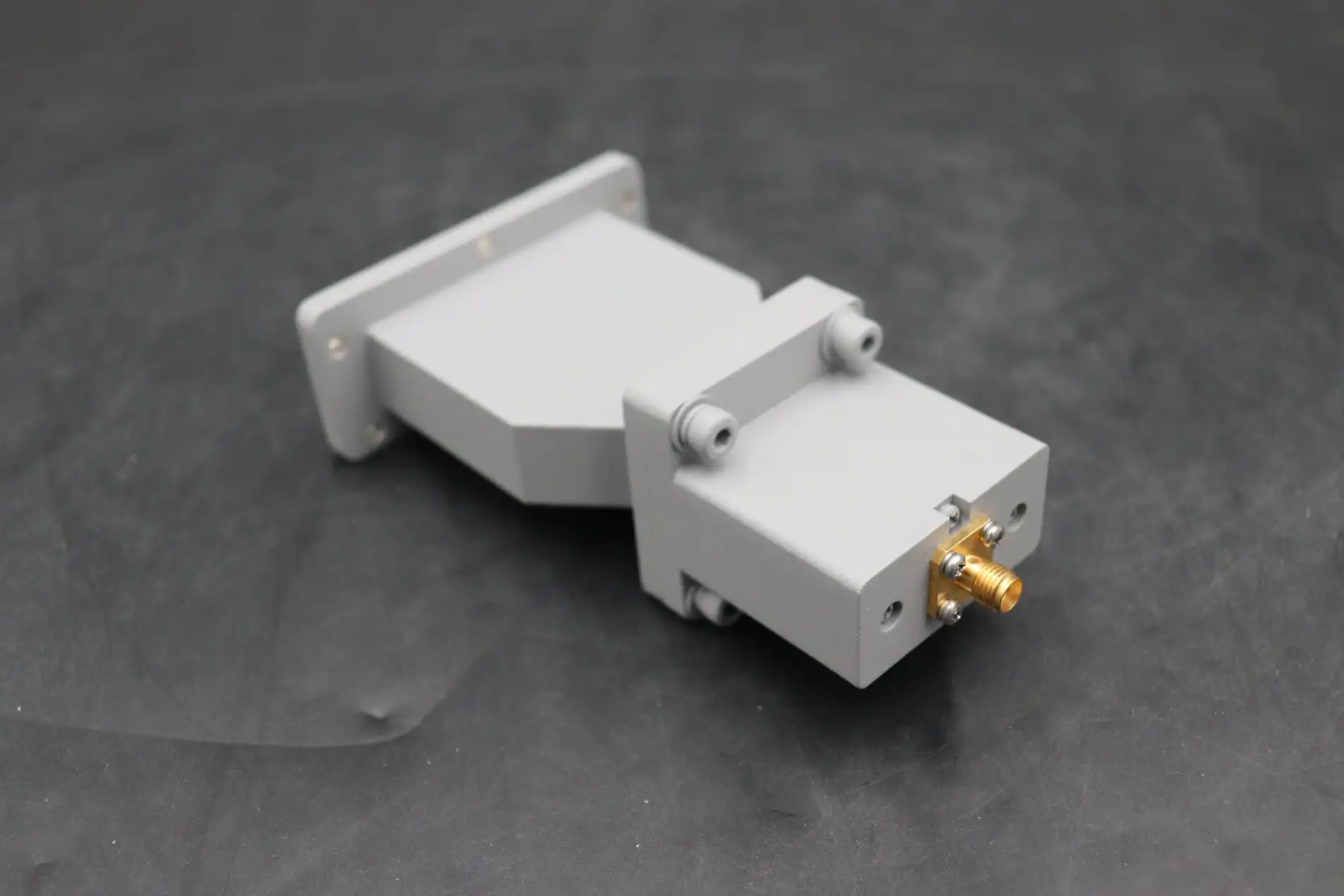
Practical Applications and Benefits of Waveguide Power Dividers vs. Directional Couplers
Radar System Implementation
Modern radar systems demonstrate the complementary roles of directional couplers and power dividers in complex RF architectures. Transmitter sections utilize directional couplers to monitor output power levels and detect antenna mismatch conditions that could damage expensive power amplifiers. These monitoring functions provide real-time feedback for automatic level control and protection systems. Phased array radar antennas depend on waveguide power divider networks to distribute signals across hundreds or thousands of individual elements. The corporate feed structure typically employs multiple stages of power division to achieve the required number of outputs while maintaining amplitude and phase uniformity across the array aperture. This uniformity directly impacts antenna performance characteristics such as beam pattern, sidelobe levels, and pointing accuracy.
Satellite Communication Networks
Satellite ground stations implement both device types to manage uplink and downlink signal paths efficiently. High-power uplink transmitters use directional couplers to sample transmitted signals for monitoring waveguide power dividers and control purposes without interrupting the main transmission path. This monitoring capability enables operators to optimize transmission parameters and detect potential system malfunctions. Multi-beam satellite antennas require sophisticated power division networks to illuminate multiple feed elements with precise amplitude and phase relationships. Waveguide power divider assemblies in these applications must maintain excellent electrical performance across wide frequency bands while handling significant power levels. The reliability of these components directly affects communication link availability and the quality of service waveguide power dividers.
Test and Measurement Systems
RF test equipment relies heavily on precision directional couplers for accurate power measurements and signal analysis. Vector network analyzers use directional couplers in their test ports to separate incident and reflected signals, enabling precise measurement of device scattering parameters. The directivity and tracking accuracy of these couplers determine the overall measurement accuracy of the instrument. Antenna test ranges utilize power dividers to create reference signals and distribute test signals to multiple measurement points simultaneously. When characterizing antenna radiation patterns, engineers often need to measure signals from multiple angles or polarizations simultaneously. Waveguide power divider networks enable these parallel measurements while maintaining the phase relationships necessary for accurate pattern analysis.
Conclusion
The distinction between directional couplers and power dividers extends beyond basic functionality to encompass different design philosophies, performance characteristics, and application requirements. Directional couplers excel in signal monitoring and measurement applications where maintaining main line performance while extracting small signal samples becomes critical. Power dividers serve signal distribution functions where controlled power splitting among multiple outputs enables complex system architectures. Understanding these fundamental differences guides engineers toward optimal component selection for specific applications. Modern RF systems increasingly demand both device types working together to achieve sophisticated signal management and monitoring capabilities across diverse applications ranging from satellite communications to advanced radar systems.
FAQ
1. What determines whether to use a directional coupler or a power divider in my application?
The choice depends primarily on your functional requirements. Select a directional coupler when you need to monitor or measure signals without significantly affecting the main transmission path. Choose a waveguide power divider when you need to split signals among multiple output paths with controlled power distribution ratios.
2. Can power dividers provide signal monitoring capabilities like directional couplers?
Power dividers can provide basic signal sampling by using one output as a monitoring port, but they lack the directional selectivity and high main-line isolation that directional couplers offer. This limitation makes them less suitable for precision measurement applications where separating forward and reflected signals becomes important.
3. What frequency ranges are available for waveguide power dividers and directional couplers?
Both device types are available across wide frequency ranges from several hundred MHz to over 100 GHz. Waveguide implementations typically start around 1 GHz and extend to millimeter-wave frequencies, while coaxial versions can operate from DC to microwave frequencies. The specific frequency range depends on the waveguide size and design approach.
4. How do I specify custom power division ratios for unequal power dividers?
Custom power division ratios are specified in terms of the power split between output ports, often expressed in decibels or as ratios. Common unequal splits include 3:1, 4:1, and 10:1 ratios. Manufacturers can design waveguide power divider assemblies for virtually any reasonable power split ratio based on application requirements.
5. What are the key performance specifications I should request from suppliers?
Essential specifications include frequency range, insertion loss, isolation (between appropriate port pairs), return loss at all ports, power handling capacity, and operating temperature range. Environmental specifications such as humidity, vibration, and shock resistance become important for aerospace and defense applications.
Partner with ADM for Premium Waveguide Power Divider Solutions
Advanced Microwave Technologies Co., Ltd stands ready to address your most demanding RF component requirements through our comprehensive design and manufacturing capabilities. Our ISO 9001:2015 certified facility, equipped with advanced measurement systems up to 110 GHz, ensures that every waveguide power divider and directional coupler meets rigorous performance standards. With over 20 years of manufacturing experience and a proven track record serving aerospace, defense, and satellite communication markets, ADM delivers reliable solutions that enhance system performance. Our expert engineering team provides rapid prototyping, custom design services, and comprehensive technical support throughout the product lifecycle. Contact craig@admicrowave.com today to discuss your specific requirements and discover why leading organizations worldwide trust ADM as their preferred waveguide power divider manufacturer for mission-critical applications.
References
1. Pozar, David M. "Microwave Engineering: Power Dividers and Directional Couplers." Fourth Edition, John Wiley & Sons, 2012.
2. Collin, Robert E. "Foundations for Microwave Engineering: Waveguide Components and Networks." Second Edition, McGraw-Hill Education, 1992.
3. Reed, Jeffrey, and Wheeler, Harold A. "A Method of Analysis of Symmetrical Four-Port Networks." IRE Transactions on Microwave Theory and Techniques, Vol. 4, 1956.
4. Mongia, Rajesh, Bahl, Inder, and Bhartia, Prakash. "RF and Microwave Coupled-Line Circuits: Power Dividers and Directional Couplers." Artech House Publishers, 1999.
5. Edwards, Terry C. and Steer, Michael B. "Foundations of Interconnect and Microstrip Design: Waveguide Power Division Networks." Third Edition, John Wiley & Sons, 2000.
6. Matthaei, George L., Young, Leo, and Jones, E.M.T. "Microwave Filters, Impedance-Matching Networks, and Coupling Structures: Design Theory and Applications." McGraw-Hill Book Company, 1964.
YOU MAY LIKE
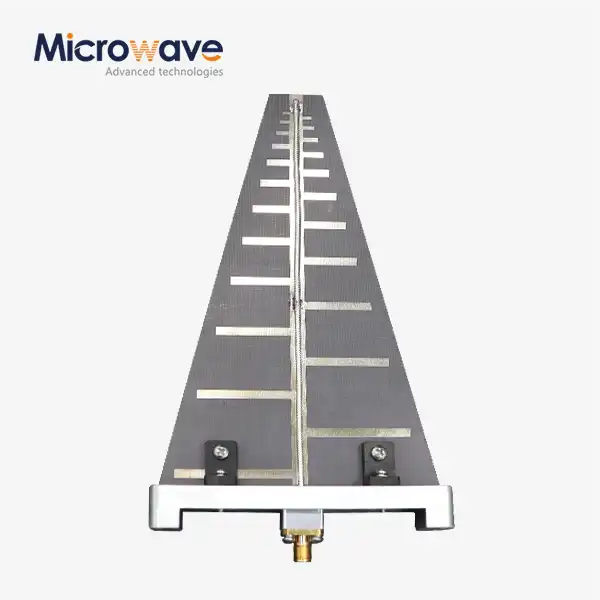 VIEW MORELog Periodic Antenna
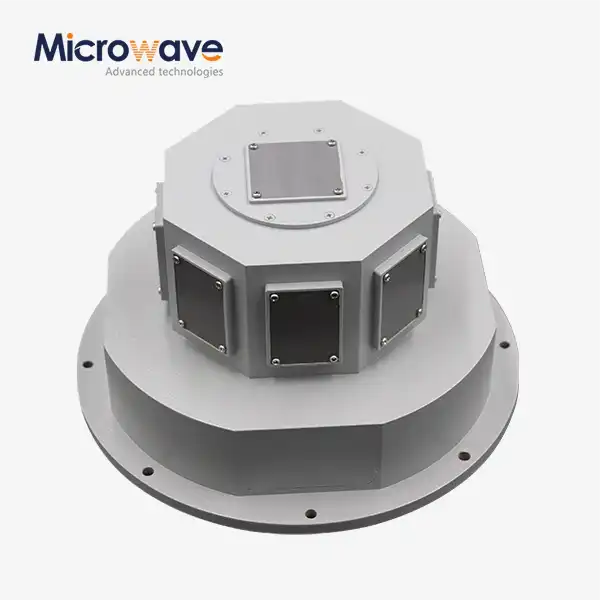 VIEW MORESlotted Waveguide Array Antenna
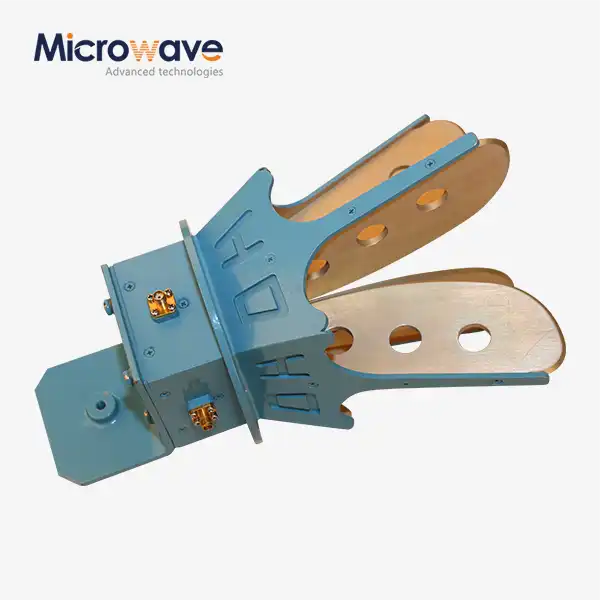 VIEW MOREOpen Boundary Dual Linear Polarization Four Ridged Horn Antenna
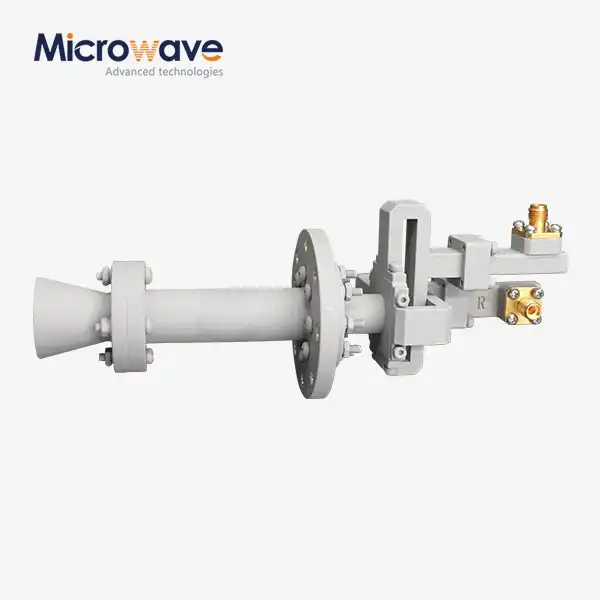 VIEW MOREConical Dual circular Polarization Horn Antenna
 VIEW MORELadder Membrane Conical Dual circular Polarization Horn Antenna
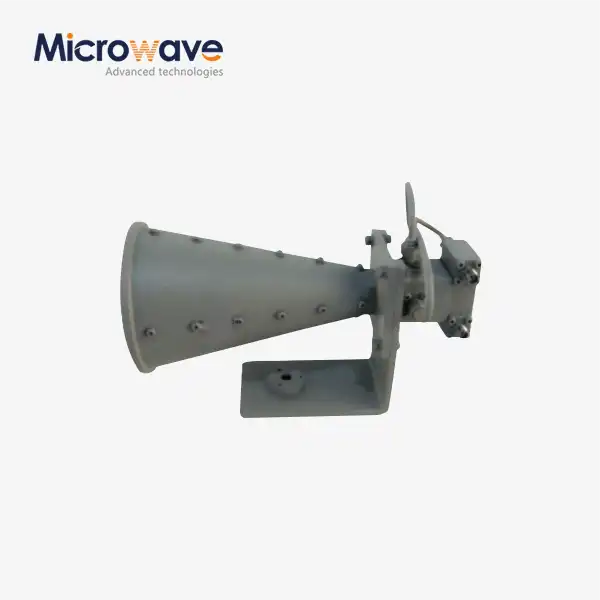 VIEW MOREDual Linear Broadband Dual Circular Polarization Horn Antenna
 VIEW MOREConical Linear Polarization Horn Antenna
 VIEW MOREPlanar Spiral Antenna