





How Waveguide Transition Works in Automotive Assembly Workshop
In shops that put together cars, the Waveguide Transition is an important part for matching impedances that connects different types of transmission lines in radar and sensor systems. These connectors were carefully designed to change electromagnetic signals between waveguides and microstrip circuits or Waveguide-to-Coaxial assemblies without affecting the purity of the signals. Using tapered geometries or stepped matching sections, Waveguide Transitions keep the Voltage Standing Wave Ratio (VSWR) low and reduce insertion loss across operational frequency bands (usually 24GHz for blind-spot detection and 77GHz for long-range automotive radar). This makes sure that Advanced Driver Assistance Systems (ADAS) get the clear signals they need to accurately detect objects and avoid collisions.
Understanding Waveguide Transitions in Automotive Assembly
High-frequency radar modules are being added to more and more car platforms in modern auto assembly plants to help with adaptive cruise control, lane-keeping aid, and automatic emergency stopping. The Waveguide Transition is a special inactive part that couples RF energy between different types of transmission lines while keeping the signal quality. It is at the heart of these systems.
What Defines a High-Performance Waveguide Transition
Its function is impedance change. The typical impedance of rectangular waveguides used in automotive radar front-ends is over 300 ohms, while microstrip circuits on printed circuit boards are 50. A well-designed shift bridges this impedance difference using gradually tapered portions or multi-step Chebyshev matching networks. Keeping echoes low reduces system sensitivity and false alarms in safety-critical conditions.
The correct materials affect how well they operate in automobile settings. Aluminum metal housings are light and heat-resistant, which helps reduce vehicle weight. ISO 16750 vehicle requirements require brass inserts plated in gold or silver to provide low-loss electrical contact and corrosion resistance to temperature fluctuations from -40°C to +85°C, humidity changes, and vibration stresses.
Common Transition Types in Automotive Applications
Two primary automobile radar integration designs exist. Waveguide-to-Microstrip Transitions connect substrate board antenna feed networks and MMICs. Probe- or aperture-coupled systems perform well for E- and W-band frequencies, where tiny integration is necessary. However, Waveguide-to-Coaxial Transitions provide flexible cable routing between remote antennas and processing units. In prototype testing, fast reconfiguration aids iterative design validation.
Regulatory requirements and product demands determine the frequency spectrum. In commercial automobiles, X-band transitions (8–12 GHz) are used for weather monitoring and Ka-band (26.5–40 GHz) for parking radar. The primary 77 GHz long-range radar uses E-band Waveguide Transitions with strict production criteria. Variations in size more than ±0.025mm might cause excessive resonance frequencies.
Design Principles for Automotive Durability
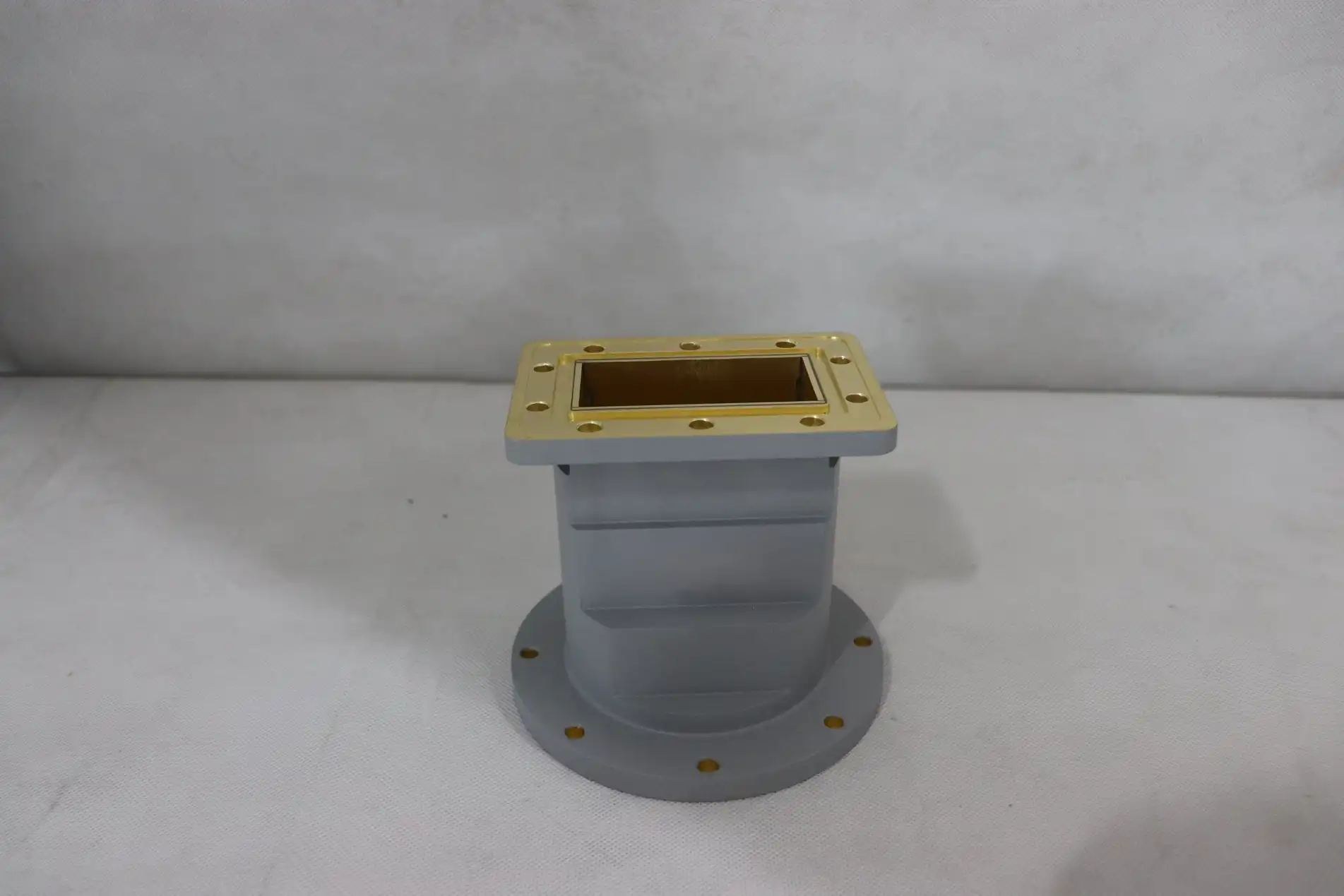
Automotive assembly shops need parts that can withstand stress, handling, and fitting. Waveguide Transitions must keep their performance under automated pick-and-place tool pressures, soldering temperature profiles, and mechanical fastening torques. Our precise alignment pins and features guarantee repeatable placement within ±0.05mm. That prevents costly rework on production lines that create several goods.
Hermetic sealing methods protect delicate internal parts from moisture and debris. Glass-to-metal sealing or laser-welded shelters protect the environment over the vehicle's 15-year lifespan, including from coastal salt spray and northern de-icing chemicals.
How Waveguide Transitions Enhance Automotive Radar and Communication Systems?
The difference in performance between waveguide-based designs and other RF interconnect options has a direct effect on what buying teams can offer their engineering departments. Knowing these technical benefits helps make financial choices and shapes how systems are designed at the highest level.
Superior Signal Integrity Across Operating Conditions
Waveguide Transition modifications outperform coaxial adapters in three key ways. Insertion loss is below 0.3 dB across the operating bandwidth, while coaxial routing of the same kind and lengths has 1.2 to 2.5 dB. The radar equation states that decreasing insertion loss by 1 dB increases target acquisition distance by 12%. It may seem little, but this improves radar detection range. Systems can transfer more power with lower loss, meeting emission limits, and releasing the most power.
Return loss exceeds 20 dB in some frequency ranges. Less than 1% of signal energy is deflected toward sensitive transmission sections. This prevents power amplifier steps from becoming unstable and receiver chain amplitude ripple from affecting Doppler velocity readings. In contrast, improperly matched coaxial connections lose 12 to 15 dB of return loss when vibrated, causing performance issues that are difficult to identify during production testing.
Real-World Implementation in ADAS Prototypes
A major European manufacturer has signal stability issues when building their next-generation 77 GHz radar module. The original systems with flexible cable connections between the antenna array and transmission chipset had too much temperature-dependent phase noise and frequency drift. Our technical team and their sourcing and design teams created novel Waveguide-to-Microstrip Transitions with thermal compensation structures.
The redesigned architecture reduced phase noise by 40% at key offset frequencies. This allowed slower-moving persons to be seen against a stationary backdrop of trash. The temperature coefficient of frequency reduced from 85 kHz/°C to below 15 kHz/°C in cars. Complex software calibration procedures were no longer needed. Because it was easier to assemble and less costly, easily damaged coaxial cable systems were eliminated, and costs dropped 18%.
These modifications improved pedestrian identification and reduced incorrect brake activations, speeding the car program's Euro NCAP safety certification testing. After that, the maker standardized our Waveguide Transition designs throughout their worldwide automotive platforms. This highlights the importance of selecting the correct Waveguide Transition technology early in development.
Comparing Interconnect Technologies
Waveguide Transition modifications provide frequency flexibility for multi-band radar systems; buying teams should consider these. A single Waveguide Transition design usually works for the 76–77 GHz forward-looking radar and 79 GHz short-range imaging radar. Carefully matched network settings allow this. This simplifies supply chain management and decreases inventory costs compared to retaining distinct coaxial adapter item numbers for each frequency version.
Another essential issue is power management. Due to their metal walls and larger surface area, waveguide structures dissipate heat better than coaxial wires. Small Waveguide Transition packages may produce 5–10 kW. This is adequate for emerging solid-state radar systems that employ pulsed waveforms to increase range resolution and reduce interference.
Choosing the Right Waveguide Transition for Your Automotive Assembly Needs
When they are looking for Waveguide Transition components, procurement managers have to make hard choices that involve matching technical requirements, provider skills, and overall cost. Structured review systems help make sure that the parts chosen are in line with what the program needs and reduce risks in the supply chain.
Critical Selection Criteria
Radar operating frequencies and bandwidths must match frequency band compatibility. A Waveguide Transition designed for 76–77 GHz may degrade VSWR at 77–81 GHz due to resonant frequency variations, affecting system performance. The center frequency and complete -3dB bandwidth must be supplied. This should be between 3 and 5 GHz for automobile radar due to modulation bandwidth and manufacturing limitations.
Long-term reliability depends on material strength. Temperature-humidity-bias exposure for 1000 hours, thermal shock cycling between temperature extremes, and mechanical shock/vibration profiles from durability road testing are required by AEC-Q200 and other vehicle certification requirements. Industrial-grade components may fail too fast in an automobile's demanding environment, but parts that pass these standards last.
Manufacturing quality markers include dimensional tolerances, surface finish criteria, and statistical process control. Internal measurements of the Waveguide Transition are maintained at ±0.01mm to ensure consistent electrical performance across production lots. As frequency increases, ohmic losses decrease on surfaces rougher than 0.8 μm. When suppliers offer Cpk scores above 1.67 for key metrics, their manufacturing processes are stable and can sustain large automobile production rates.
Supplier Landscape Analysis
TE Connectivity and Pasternack, two well-known RF component manufacturers, provide catalog Waveguide Transition modifications for test and measurement. These drugs operate effectively at low doses and are accessible rapidly (two to four weeks). This makes them excellent for prototyping and low-volume manufacturing. Not many options to personalize it, and costs suitable for smaller orders rather than the tens of thousands of cars built annually are issues.
Automotive RF vendors like HUBER+SUHNER know how to package for harsh conditions and certify products for automobiles. Built-in environmental sealing and automotive-grade connection ports simplify system connection in their changeover designs. Initial orders might take 12–16 weeks while tools are manufactured. After that, manufacturing deliveries occur every 8–10 weeks. The labor required to certify it for automotive usage raises the price, but lower integration costs and insurance risk may offset it.
When Custom Engineering Becomes Necessary
Waveguide Transitions that can handle vehicle packing's geometric constraints are rare. Car interiors are shrinking as manufacturers strive to insert radar sensors in a way that looks attractive and doesn't compromise the structure. You can construct right-angle configurations, offset mounting arrangements, and integrated multi-port designs with bespoke transitions, but not with catalog parts.
For certain system architectures, performance increase drives customization. All Waveguide Transition connections in a radar module that performs digital beamforming on multiple antennas must have exactly matched phase and amplitude. Custom designs can maximize these aspects simultaneously, whereas catalog parts require elaborate calibration procedures to account for part variances.
Our design talents include electromagnetic simulation, mechanical CAD modeling, CNC machining, and metal 3D printing for speedy development. Our vertically integrated engineering team can swiftly adapt designs depending on client feedback. The first prototype models are usually sent 3–4 weeks after the specs are finished. The 24-meter anechoic chamber can evaluate antenna designs and Waveguide Transition performance up to 110 GHz. It provides installation-related system performance statistics.
Optimizing Procurement and Supply Chain Management for Waveguide Transitions
Strategic buying practices increase value beyond the unit cost of the components. They do this by taking into account things like quality assurance, supply chain robustness, and lifecycle support, all of which are important for the success of an automobile program.
Benefits of Bulk Ordering Strategies
With volume promise, you can get better pricing levels that can cut the cost of each unit by 25–40% compared to the spot-buy price. More importantly, blanket buy orders with planned releases give suppliers the information they need to plan their capacity and get materials efficiently by showing them how much demand there is. This insight leads to better supply performance and better assignment of priorities when there are shortages of parts across the whole industry.
We suggest that procurement teams discuss yearly contracts that cover expected program numbers and include true-up clauses every three months that allow for a 15% change in demand. This method strikes a mix between commitment and adaptability as output plans change. Including in contracts rules for managing engineering change notices and sending out expiration notices (usually 12 to 18 months in advance) guards against supply problems that happen out of the blue.
Lead Time and Logistics Considerations
Standard stock Waveguide Transition changes from our inventory ship within 5–7 business days for orders of up to 50 units, helping with pressing prototype needs and engineering review tasks. Orders for 500 to 1000 units usually take 8 to 10 weeks to deliver from the time the buy order is received, which includes getting the materials, production, and full electrical and mechanical testing.
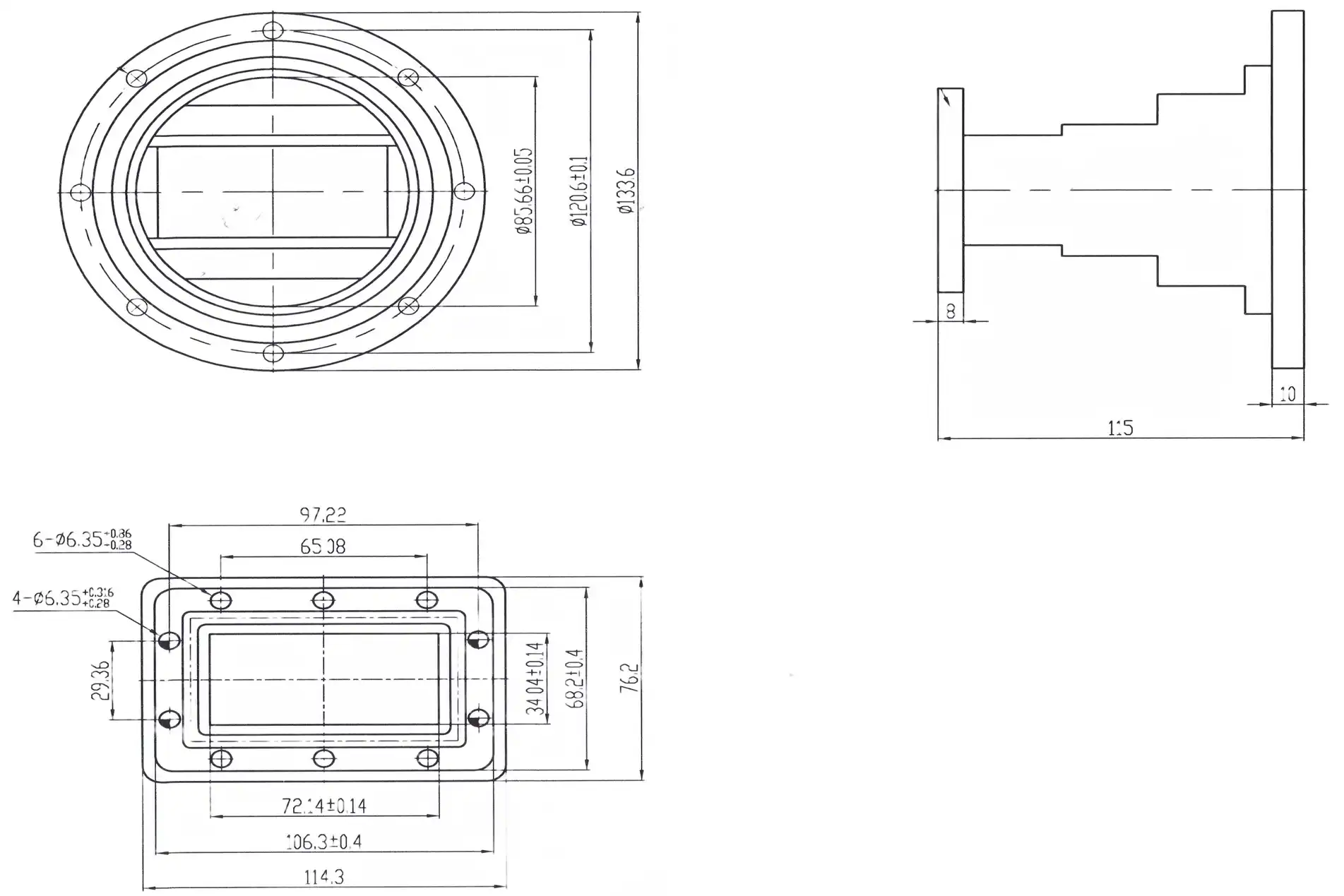
Waveguide Transitions that are made just for you have their own schedule. The design process lasts for two to three weeks and includes electromagnetic simulations and reviews of the basic design with the customer's engineering teams. Making the prototype takes an extra three to four weeks. After that, it needs to be characterized and the design is improved based on how well it works. Preparing the production tools adds another 6–8 weeks to the schedule, making the total project time from start to first shipment of goods 16–20 weeks.
Global transportation skills make sure that deliveries to car assembly plants around the world are always on time. As part of our ISO 9001:2015-certified business, we have special export packing processes that keep sensitive RF parts safe while they are shipped internationally. We keep strategic inventory spots in key areas where cars are made, which cuts down on lead times for restocking and transportation costs for ongoing projects.
Total Cost of Ownership Evaluation
The unit price is only one part of the overall cost. Costs linked to quality, like inspecting parts as they come in, fixing broken parts, and filing warranty claims for problems in the field, often go over the initial savings from buying from cheaper sources. Our strict quality control methods have been proven to work for more than 20 years with aerospace and defense customers. They achieve defect rates below 50 PPM, which greatly lowers these hidden costs.
Having technical help skills adds measured value over the lifecycle of a product. Our applications engineering team helps customers speed up their development timelines by giving them installation instructions, problem help, and design-for-manufacturing advice. Customers can check the performance of combined systems without having to buy expensive test equipment for their own use by using our antenna testing facilities.
When procurement workers look at different bids, we recommend using detailed scoring systems that take into account quality measures, technical help, supply chain flexibility, and the possibility of a long-term partnership in addition to price. This all-around method finds sources who can help with projects from the start of production to ongoing engineering and possible platform derivatives over a number of years.
Conclusion
Waveguide Transition changes are essential for keeping the high-frequency signals that current radar and sensor systems in cars are based on. When procurement teams know about different types of transitions, how they work, and what suppliers can do, they can help their companies make smart buying decisions that balance cost, quality, and supply chain resilience. To move from making prototypes to mass production, you need to build smart relationships with suppliers that can provide custom-engineered solutions, quick technical support, and consistent quality that has been proven by automotive-grade qualification testing. When companies put money into thorough review methods and working together with their suppliers, they get real benefits in how well their systems work, how well they stick to their schedules, and how much it costs to own everything.
FAQ
Q1: What frequency ranges do automotive waveguide transitions support?
Three frequency bands are mostly used in automotive applications. Short-range radar for parking help and finding blind spots works at 24 GHz with the help of K-band shifts. 77 GHz E-band parts are used for adaptive speed control in medium-range systems. A new type of ultra-high resolution imaging radar uses 79 GHz. To keep working at these high frequencies, where physical sensitivities rise greatly, it needs special Waveguide Transition types and tighter manufacturing tolerances.
Q2: How do waveguide transitions compare to coaxial adapters in radar systems?
Waveguide transitions have better insertion loss (usually 0.3 dB vs. 1.5–2.5 dB for coaxial), can handle more power, and keep the phase more stable as the temperature changes. Coaxial options are easier to install and cost less at first, but they are less reliable because the cables can get damaged when they are handled. System builders should use Waveguide Transition units for signal lines that need to work well and for high-volume production tasks where the benefits are worth the small extra cost.
Q3: What factors influence lead times for custom transition orders?
How long engineering takes depends on how complicated the design is. For example, simple Waveguide-to-Coaxial Transitions take two to three weeks, but multi-port integrated systems can take up to four to six weeks. Making a prototype takes 3–4 weeks, no matter how complicated it is. For unique technical features, it takes an extra 6 to 8 weeks to prepare the production tools. Getting materials for special metals or finishing requirements can cause more delays if the suppliers need more time to get the materials to you. Giving thorough specifications and information about the application during the first question speeds up the whole process.
Partner with ADM for Precision Waveguide Transition Solutions
Advanced Microwave Technologies Co., Ltd has more than twenty years of experience developing and making Waveguide Transition components that are perfect for tough car assembly tasks. Our production facilities are ISO 9001:2015 approved, and we can test every Waveguide Transition in a 24-meter anechoic room to make sure it meets strict performance standards, from the prototype to large-scale production. Whether you need to buy standard catalog parts for rapid prototyping or custom-engineered solutions that work best with certain radar architectures, our technical team can help with design advice, electromagnetic simulation, prototype validation, and logistics coordination around the world. As a reliable Waveguide Transition manufacturer with users in aerospace, military, and telecommunications around the world, we know what high-quality standards and a reliable supply chain are needed for automotive projects. Contact craig@admicrowave.com to talk to one of our applications engineering specialists about your specific needs and find out how our technical knowledge, high-quality manufacturing, and customer-focused service can help you save money and time during the entire development and production of your product.
References
1. Balanis, Constantine A. "Antenna Theory: Analysis and Design, Fourth Edition." Wiley-Blackwell, 2016.
2. Pozar, David M. "Microwave Engineering, Fourth Edition." John Wiley & Sons, 2011.
3. Rohde & Schwarz. "Automotive Radar Technology: Principles, Applications and Testing." Technical White Paper Series, 2019.
4. IEEE Standards Association. "IEEE Standard for Automotive Radar Operating in the 76-81 GHz Band." IEEE Std 802.11bd-2022.
5. Hasch, Jürgen et al. "Millimeter-Wave Technology for Automotive Radar Sensors in the 77 GHz Frequency Band." IEEE Transactions on Microwave Theory and Techniques, Vol. 60, No. 3, 2012.
6. Society of Automotive Engineers. "SAE J3016: Taxonomy and Definitions for Terms Related to Driving Automation Systems for On-Road Motor Vehicles." SAE International Standard, 2021.
YOU MAY LIKE
 VIEW MOREWaveguide Fixed Attenuator
 VIEW MOREWaveguide Probe Coupler
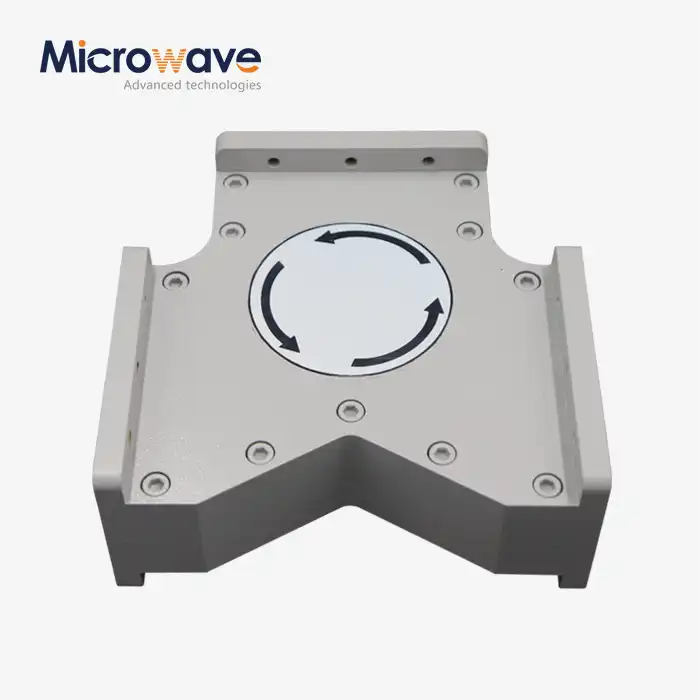 VIEW MOREHigh Power Waveguide Circulator
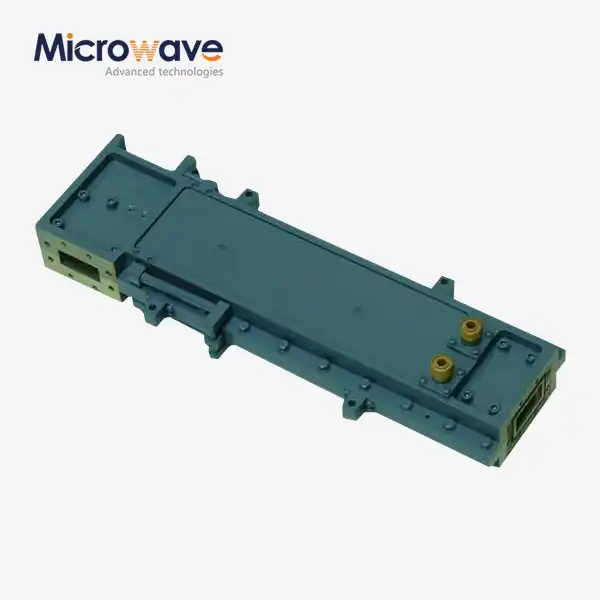 VIEW MOREHigh Power Waveguide Differential Phase Shift Circulator
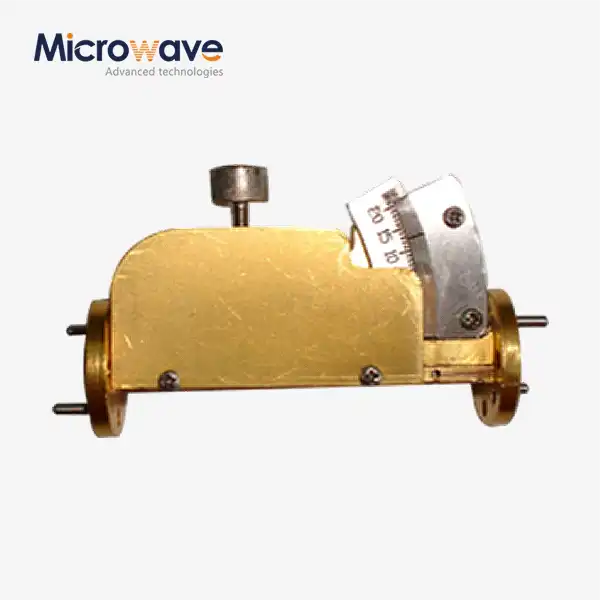 VIEW MOREWaveguide Variable Attenuator
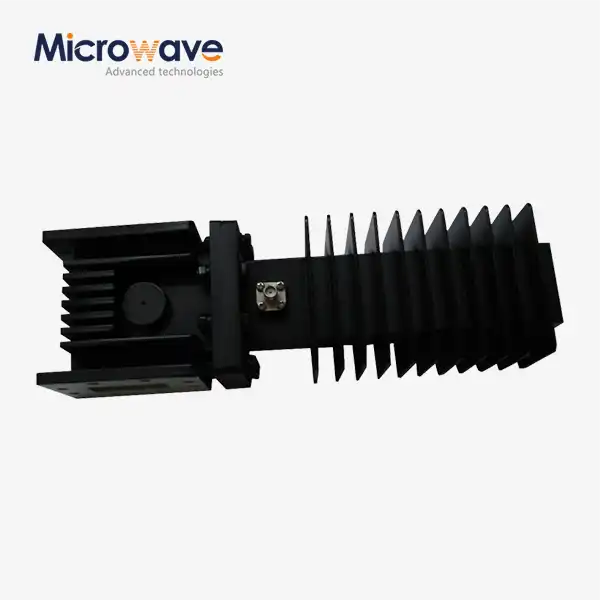 VIEW MOREHigh Power Waveguide Isolator
 VIEW MOREWG Bandpass Filter
 VIEW MOREWG Harmonic Filter