





How Does Slotted Waveguide Array Antenna Improve Signal Gain?
In satellite communication networks, radar tracking systems, and aerospace navigation platforms, signal degradation over long distances remains a critical challenge that directly impacts system reliability and performance. When conventional antenna systems fail to maintain adequate signal strength across extended transmission paths, mission-critical operations face compromised accuracy, reduced coverage areas, and increased error rates. The Slotted Waveguide Array Antenna addresses this fundamental issue by implementing precisely engineered slot configurations that work together to concentrate electromagnetic energy into highly directional radiation patterns, achieving gains up to 40 dB while maintaining exceptional signal integrity across frequencies ranging from 2 GHz to 110 GHz. This advanced antenna technology transforms how modern communication and detection systems overcome distance limitations through intelligent array design and optimized waveguide structures.
Understanding Signal Gain Enhancement Through Array Configuration
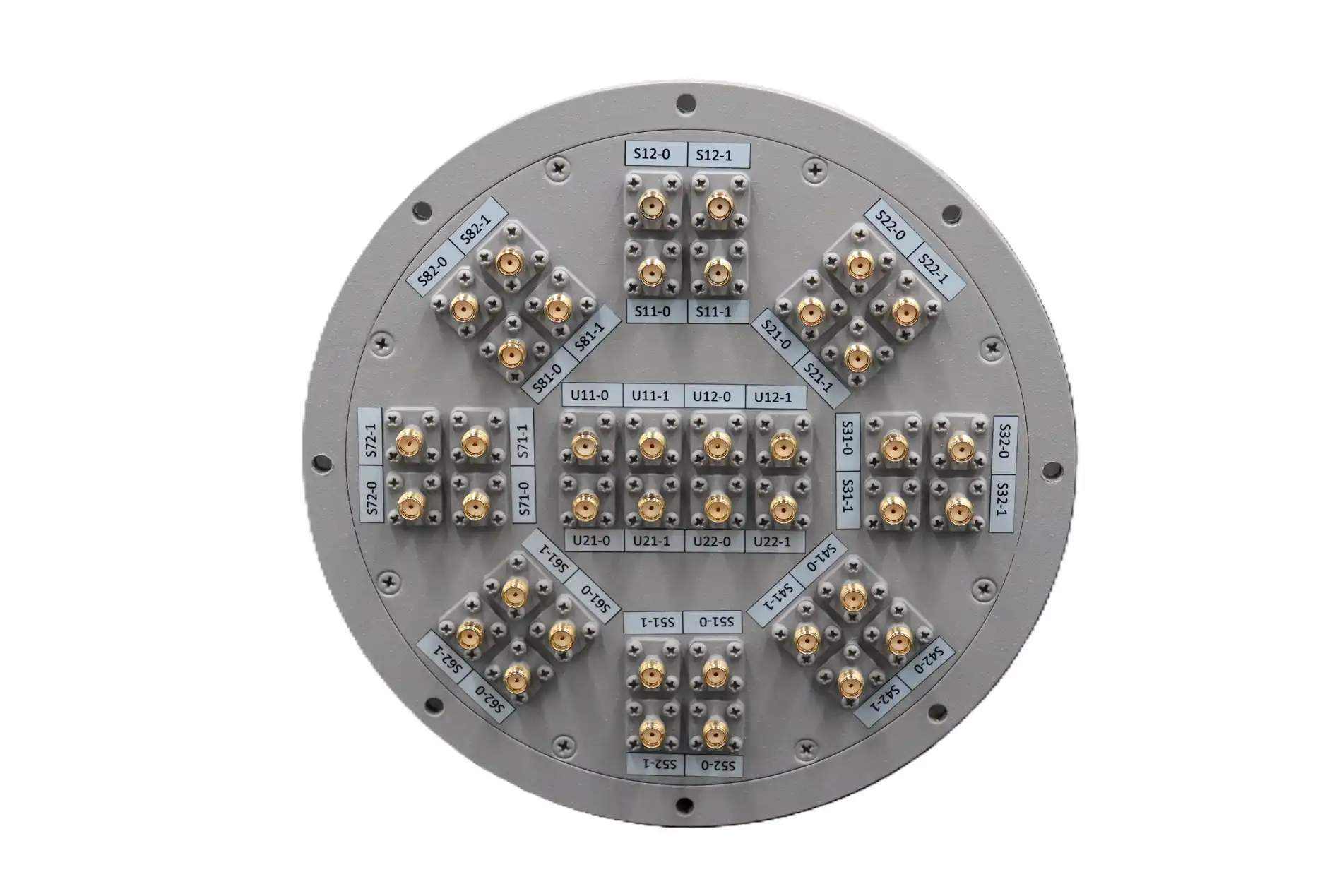
The fundamental mechanism behind signal gain improvement in Slotted Waveguide Array Antenna systems lies in the coherent summation of electromagnetic radiation from multiple slot elements distributed along a waveguide structure. Unlike single-element antennas that radiate energy in broader patterns with limited directivity, slotted waveguide arrays leverage the principle of constructive interference to combine signals from numerous precisely positioned slots. Each slot in the array functions as an individual radiating element that couples a controlled portion of the electromagnetic wave traveling through the waveguide to free space. When these slots are arranged with specific spacing, typically around half-wavelength intervals, and fed with appropriate phase relationships, their individual contributions combine in the desired direction while canceling in unwanted directions. This array configuration fundamentally alters the radiation characteristics compared to single elements. The narrow beamwidth achieved through this coherent combination directly translates to increased gain, as the antenna concentrates available power into a smaller solid angle. Advanced Microwave Technologies Co., Ltd engineers this principle into their Slotted Waveguide Array Antenna products by implementing both planar arrays and phased arrays composed of small units arranged in one-dimensional or two-dimensional configurations. The sophisticated design ensures that signal energy previously dispersed across wide angles becomes focused into highly directive beams, with gain improvements proportional to the number of effectively coupled array elements. Through precise control of slot dimensions, positioning, and the electromagnetic coupling between adjacent elements, these arrays achieve performance characteristics that far exceed what individual radiating elements could accomplish.
Waveguide Slot Design and Electromagnetic Coupling
The engineering precision required in waveguide slot design directly determines the efficiency of signal gain improvement in Slotted Waveguide Array Antenna systems. Each slot cut into the waveguide wall must be carefully dimensioned to achieve resonance at the operating frequency while controlling the amount of power coupled from the guided wave to the radiated field. The slot geometry, including its length, width, and orientation relative to the waveguide axis, determines both the impedance characteristics and radiation efficiency. Longitudinal slots placed on the broad wall of rectangular waveguides interact with the electric field distribution of the dominant TE10 mode, while the offset distance from the waveguide centerline controls coupling strength. This design flexibility allows engineers to implement non-uniform aperture distributions that further enhance gain while suppressing sidelobe levels. The electromagnetic coupling mechanism between the guided wave and the radiating slots represents a sophisticated energy transfer process. As the electromagnetic wave propagates through the waveguide, each slot interrupts the surface currents flowing on the waveguide walls, causing a portion of the energy to radiate. The coupling coefficient for each slot can be individually adjusted through slot displacement, enabling amplitude tapering across the array aperture. Advanced Microwave Technologies Co., Ltd implements these principles with meticulous attention to detail, ensuring that the slotted design creates uniform radiation patterns ideal for wide coverage areas in satellite communication systems. The company's Slotted Waveguide Array Antenna products demonstrate low transmission loss even in high-frequency bands up to 110 GHz, a testament to the advanced engineering that minimizes parasitic effects while maximizing useful signal radiation.
Phase Control and Beam Formation
Phase control across the Slotted Waveguide Array Antenna aperture fundamentally determines beam direction, shape, and ultimately the achievable gain. In standing wave arrays, slots are positioned to radiate in phase by accounting for the wavelength-dependent phase progression along the waveguide. This creates a broadside beam perpendicular to the array axis, with all slot contributions adding constructively in the desired direction. The precise spacing between slots, typically maintained at approximately half-guide wavelength intervals for longitudinal slots, ensures proper phase relationships. When designed correctly, this standing wave configuration produces a focused beam with high directivity, directly translating to substantial gain improvement compared to omnidirectional or wide-beam antennas. Traveling wave arrays offer alternative phase control strategies that enable broader bandwidth operation. In these configurations, the electromagnetic wave travels along the waveguide with slots positioned to create progressive phase shifts that steer the beam at angles away from broadside. This approach proves particularly valuable for scanning applications and systems requiring beam agility. Advanced Microwave Technologies Co., Ltd incorporates both standing wave and traveling wave design principles into their Slotted Waveguide Array Antenna products, selecting the optimal configuration based on specific application requirements. The phase coherence maintained across the array aperture, combined with amplitude tapering techniques, enables these antennas to achieve gains exceeding 40 dB while maintaining pattern stability across the operational frequency range. This level of performance stems from rigorous phase control that ensures every array element contributes constructively to the desired radiation direction.
Technical Advantages Driving Superior Performance
Frequency Range Versatility and Broadband Capabilities
The exceptional frequency range coverage of Slotted Waveguide Array Antenna systems, spanning from 2 GHz to 110 GHz, represents a significant technical achievement that enables applications across diverse communication and sensing domains. This broad spectral capability stems from the fundamental waveguide propagation characteristics combined with scalable slot design principles. At lower frequencies, larger waveguide dimensions accommodate longer wavelengths while maintaining single-mode operation, whereas millimeter-wave implementations at the upper frequency range utilize precisely machined miniature structures. Advanced Microwave Technologies Co., Ltd leverages over thirty years of experience in microwave products to optimize slot configurations across this entire spectrum, ensuring consistent performance whether the application demands S-band satellite communication at 2-4 GHz or cutting-edge W-band systems approaching 110 GHz. The broadband performance capabilities integrated into these Slotted Waveguide Array Antenna designs address the increasing demand for multi-frequency and wideband systems. Through careful impedance matching, slot bandwidth optimization, and feed network engineering, these arrays maintain high gain and stable radiation patterns across substantial fractional bandwidths. The high bandwidth performance specification enables single antenna systems to service multiple communication channels simultaneously or accommodate frequency-agile radar systems without performance degradation. This versatility proves particularly valuable in aerospace and defense sectors where equipment must adapt to evolving spectrum allocations and operational requirements. The combination of wide frequency coverage and high bandwidth performance positions these antennas as future-proof solutions capable of supporting emerging technologies including 5G infrastructure, advanced radar systems, and next-generation satellite networks.
Power Handling and Thermal Management
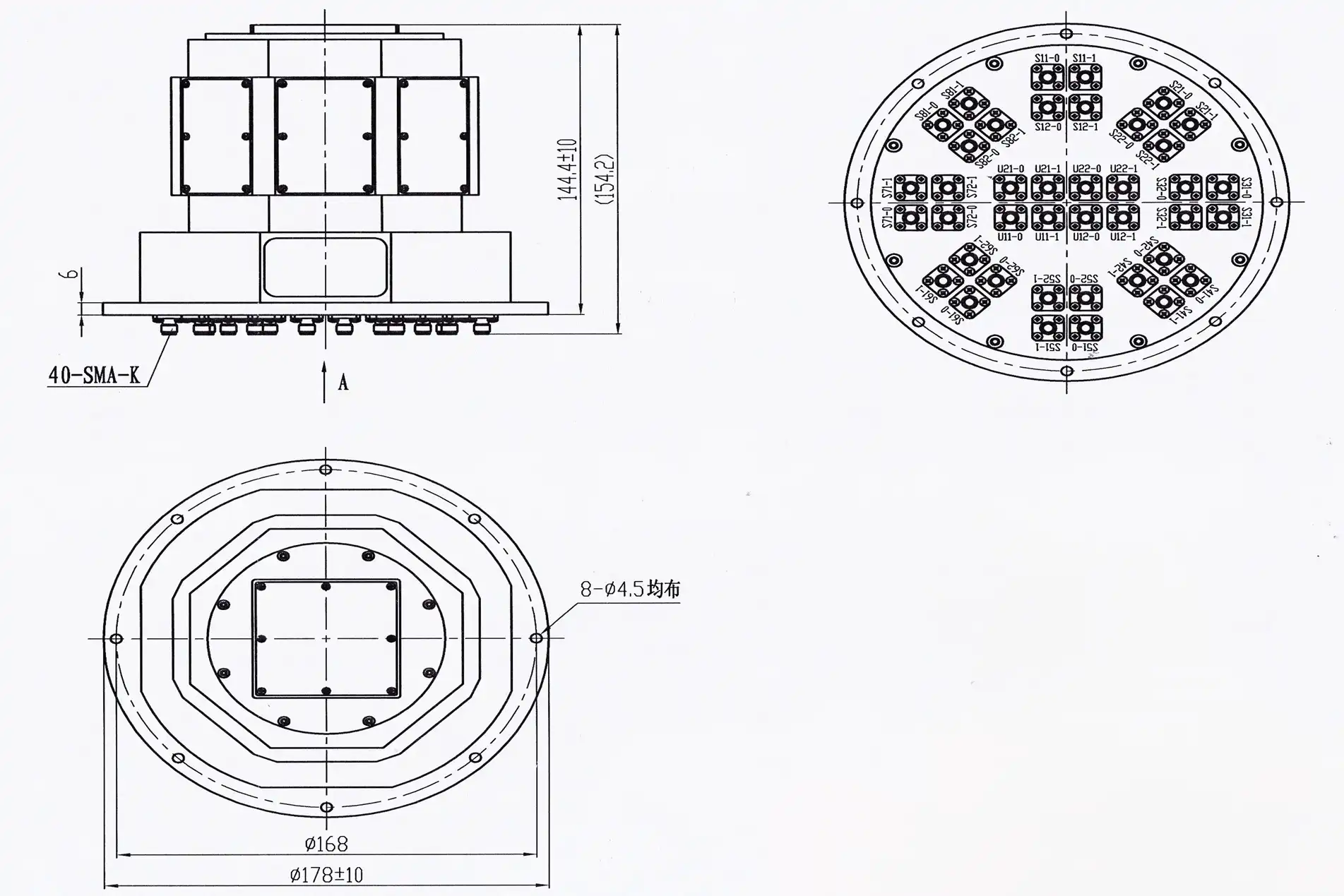
Power handling capability stands as a critical performance parameter that distinguishes high-quality Slotted Waveguide Array Antenna systems in demanding applications. The ability to handle up to 100W of RF power enables these antennas to function effectively in high-power radar transmitters, communication uplinks, and electronic warfare systems where signal strength directly determines operational effectiveness. This power handling capacity derives from the waveguide's inherently robust structure and the distributed nature of the radiating slots. Unlike microstrip or printed antenna arrays where narrow transmission lines and substrate materials limit power capacity, waveguide structures feature large cross-sectional areas and metallic construction that efficiently dissipate heat while avoiding voltage breakdown. Each slot radiates only a fraction of the total power, distributing thermal loading across the entire array length. Advanced Microwave Technologies Co., Ltd manufactures their Slotted Waveguide Array Antenna products using aluminum or stainless steel materials selected for excellent thermal conductivity and mechanical stability. The choice of materials directly impacts both power handling and long-term reliability in harsh environmental conditions typical of aerospace and defense applications. Aluminum construction provides optimal thermal dissipation while maintaining light weight crucial for airborne and satellite platforms. Stainless steel variants offer superior corrosion resistance for maritime and outdoor installations. The company's manufacturing processes, supported by their state-of-the-art 24m Microwave Darkroom testing facility, ensure that each antenna meets specified power handling requirements across the entire operating frequency range. This combination of robust materials, distributed power architecture, and rigorous quality control enables these antennas to maintain consistent performance even under extreme operating conditions where both environmental stresses and high RF power levels challenge conventional antenna technologies.
Manufacturing Excellence and Quality Assurance
Precision Fabrication and Surface Quality
The manufacturing precision required for high-performance Slotted Waveguide Array Antenna production directly determines achievable gain, efficiency, and pattern quality. Slot dimensions must be controlled to tolerances measured in micrometers, particularly at millimeter-wave frequencies where even small deviations cause significant performance degradation. Advanced Microwave Technologies Co., Ltd employs computer numerical control (CNC) milling processes capable of producing rounded-edge slots with exceptional dimensional accuracy. The rounded edge design, while slightly more complex to manufacture than sharp-edge slots, provides superior mechanical durability and more predictable electromagnetic behavior. Internal waveguide surfaces receive mirror finish treatments to minimize ohmic losses that otherwise degrade efficiency and reduce realized gain. This surface finish attention becomes increasingly critical at higher frequencies where skin depth decreases and surface roughness has proportionally greater impact on signal loss.
The fabrication process for these Slotted Waveguide Array Antenna assemblies integrates multiple precision operations into a coordinated manufacturing sequence. Waveguide bodies are typically machined from solid metal stock to maintain tight dimensional control and avoid the alignment challenges inherent in assembled structures. Radiating slots are then precisely positioned and cut according to design specifications that account for both electromagnetic performance and manufacturing feasibility. Feed networks, matching structures, and end terminations receive equal attention to detail, as any discontinuity or imperfection in these components compromises overall array performance. Advanced Microwave Technologies Co., Ltd's commitment to manufacturing excellence extends throughout their production facilities, where advanced microwave measurement equipment up to 110 GHz enables comprehensive characterization of every antenna assembly. This integrated approach to precision fabrication and quality verification ensures that finished products deliver the specified gain improvements and pattern characteristics required for demanding satellite communications, defense, and aerospace applications.
Testing and Validation Infrastructure
Comprehensive testing infrastructure forms the foundation for ensuring Slotted Waveguide Array Antenna products meet stringent performance specifications. Advanced Microwave Technologies Co., Ltd operates a remarkable 24m Microwave Darkroom that provides unparalleled capabilities for antenna characterization. This state-of-the-art facility enables far-field pattern measurements across the entire 0.5 to 110 GHz frequency range, with the expansive measurement distance ensuring accurate evaluation of directivity, gain, and sidelobe characteristics. The Antenna Plane Near and Far Field Measuring Recombination Chamber functions as the nerve center of this testing capability, allowing expert engineers to transition fluidly between measurement modes and extract detailed information about radiation patterns, gain, impedance, and polarization purity. This level of testing sophistication proves essential for validating the gain improvements achieved through array design, as even subtle pattern distortions or sidelobe elevation can indicate manufacturing defects or design optimization opportunities.
The validation process extends beyond basic antenna parameters to encompass environmental durability and long-term reliability testing. Slotted Waveguide Array Antenna products destined for aerospace, defense, and satellite applications must withstand extreme temperature variations, mechanical vibration, humidity, and other environmental stresses without performance degradation. Advanced Microwave Technologies Co., Ltd's ISO 9001:2015 certification reflects their systematic approach to quality management throughout the design, manufacturing, and testing processes. Additionally, their ISO 14001:2015 environmental certification and ISO 45001:2018 occupational safety certification demonstrate comprehensive commitment to operational excellence. RoHS compliance ensures that products meet international environmental standards for hazardous substance restrictions. This multi-faceted quality assurance approach, combined with cutting-edge measurement capabilities, provides customers with confidence that their Slotted Waveguide Array Antenna systems will deliver specified gain performance throughout their operational lifetime, even in the most demanding environments.
Application-Specific Gain Optimization
Satellite Communication Systems
Satellite communication systems represent one of the most demanding applications for Slotted Waveguide Array Antenna technology, where signal gain directly determines link reliability and data throughput across vast distances. Geosynchronous satellites operating at approximately 36,000 kilometers altitude require ground station antennas with substantial gain to maintain adequate signal-to-noise ratios for high-quality voice, video, and data transmission. The Slotted Waveguide Array Antenna addresses this requirement by concentrating radiated power into narrow beams aligned with satellite positions, achieving gains up to 40 dB that enable reliable communication links even with modest transmitter power levels. The linear or circular polarization capabilities ensure compatibility with satellite transponder configurations, while the high-frequency range extending to 110 GHz accommodates both traditional C-band and Ku-band services as well as emerging Ka-band and beyond applications offering increased bandwidth.
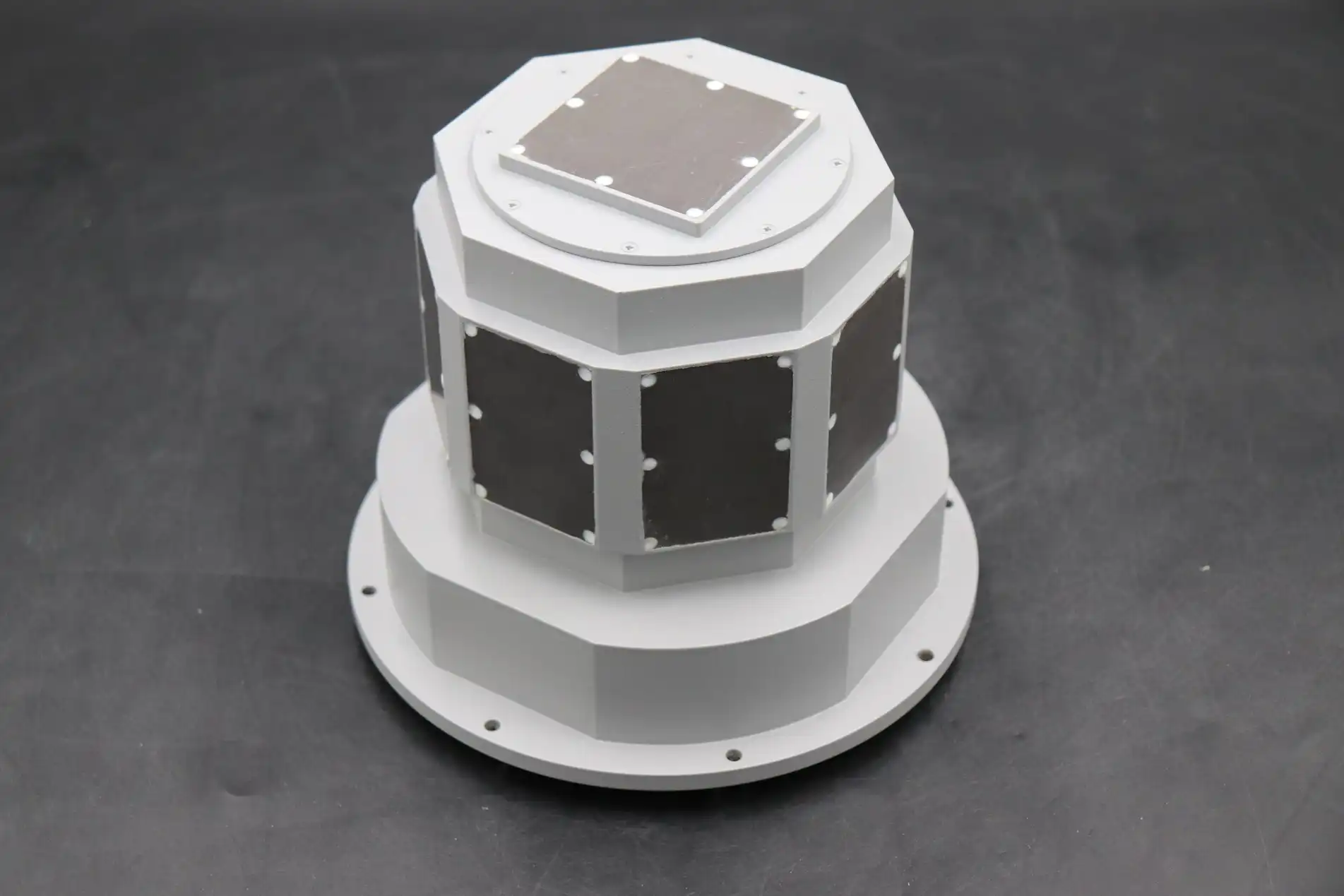
Advanced Microwave Technologies Co., Ltd designs their Slotted Waveguide Array Antenna products specifically to address satellite communication challenges. The low transmission loss characteristic ensures that signal strength remains high throughout the antenna structure, minimizing the gain degradation that plagues lossy antenna technologies. The uniform radiation pattern generated by the slotted design provides consistent coverage across the antenna beamwidth, avoiding the gain variations that cause communication dropouts during satellite tracking operations. For satellite ground stations requiring both transmit and receive capabilities, the antenna's high power handling up to 100W enables robust uplink transmission while the superior directional gain enhances downlink reception sensitivity. The customizable sizing options allow optimization for specific satellite communication scenarios, whether supporting small-aperture terminals for mobile applications or large ground station antennas for high-capacity communication gateways. This application-focused design approach ensures that the gain improvements achieved through array architecture directly translate to measurable improvements in communication system performance.
Radar and Defense Applications
Radar systems exploiting Slotted Waveguide Array Antenna technology benefit from the high gain characteristics essential for long-range target detection and precise tracking. The antenna gain directly determines maximum detection range through the radar equation, where target return signal strength increases with the square of antenna gain. Military surveillance radars, air traffic control systems, and weather monitoring installations all leverage this relationship to extend their operational capabilities. The narrow beamwidth associated with high-gain arrays provides excellent angular resolution, enabling precise target localization and discrimination between closely spaced objects. Advanced Microwave Technologies Co., Ltd's Slotted Waveguide Array Antenna products deliver the stable, high-gain performance required for these critical applications, with customizable frequency ranges accommodating diverse radar bands from L-band through W-band.
The defense sector applications extend beyond simple surveillance to include sophisticated tracking radars, fire control systems, and electronic warfare platforms. The Slotted Waveguide Array Antenna's capability to maintain consistent gain across operational bandwidths proves particularly valuable for frequency-agile radar systems that hop between frequencies to avoid jamming or improve target characterization. The low sidelobe levels achievable through amplitude tapering techniques reduce vulnerability to deceptive jamming and minimize radar cross-section leakage that could compromise platform stealth. The robust metallic construction and ability to handle high power levels ensure reliable operation in harsh military environments where equipment failure carries severe consequences. Integration into unmanned aerial vehicles (UAVs) benefits from the antenna's compact and lightweight design optimization, while shipboard installations leverage the durability features built into aluminum or stainless steel construction. The combination of high gain, pattern control, and rugged reliability positions these Slotted Waveguide Array Antenna systems as preferred solutions for defense applications where performance cannot be compromised.
Conclusion
Slotted Waveguide Array Antenna technology achieves superior signal gain through coherent array architecture, precision slot engineering, and advanced phase control mechanisms that concentrate electromagnetic energy into highly directive beams, delivering performance from 2 GHz to 110 GHz with gains reaching 40 dB for critical satellite communication, radar, and aerospace applications.
Cooperate with Advanced Microwave Technologies Co., Ltd.
Partner with Advanced Microwave Technologies Co., Ltd., a leading China Slotted Waveguide Array Antenna manufacturer and China Slotted Waveguide Array Antenna supplier with over 20 years of expertise. We offer High Quality Slotted Waveguide Array Antenna products with competitive Slotted Waveguide Array Antenna price structures. Our China Slotted Waveguide Array Antenna factory provides Slotted Waveguide Array Antenna wholesale solutions and custom Slotted Waveguide Array Antenna for sale with ISO 9001:2015 certification. Contact our technical team at craig@admicrowave.com today to discuss your specific requirements and discover how our OEM services, rapid prototyping capabilities, and expert engineering support can optimize your communication systems. Save this reference for future antenna specification needs.
References
1. Elliott, Robert S. "Antenna Theory and Design." IEEE Press, Revised Edition. Classic text covering slotted waveguide array design principles and gain optimization techniques.
2. Ando, Makoto; Hirokawa, Jiro; Yamamoto, Takashi. "Analysis and Design of Slotted Waveguide Arrays." IET Press, 2019. Comprehensive treatment of slot array theory including mutual coupling effects and pattern synthesis.
3. Josefsson, Lars; Persson, Patrik. "Conformal Array Antenna Theory and Design." Wiley-IEEE Press, 2006. Authoritative reference on array antenna gain enhancement through element arrangement and feeding strategies.
4. Hansen, Robert C. "Phased Array Antennas." John Wiley & Sons, Second Edition, 2009. Fundamental text addressing gain improvement mechanisms in phased array systems including slotted waveguide architectures.
5. Balanis, Constantine A. "Antenna Theory: Analysis and Design." Fourth Edition, John Wiley & Sons, 2016. Industry-standard reference covering electromagnetic principles underlying antenna gain and array performance optimization.
YOU MAY LIKE
 VIEW MOREBroadwall Directional Coupler
 VIEW MOREWG Circulator
 VIEW MOREHigh Power Waveguide Differential Phase Shift Circulator
 VIEW MOREWaveguide Coupling Fixed Attenuator
 VIEW MOREWG Isolator
 VIEW MOREHigh Power Waveguide Differential Phase Shift Isolator
 VIEW MOREWG Band Stop Filter
 VIEW MOREWG Low Pass Filter