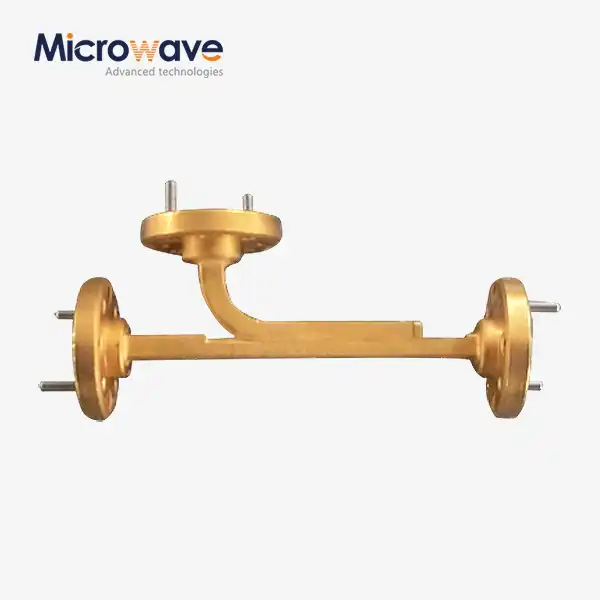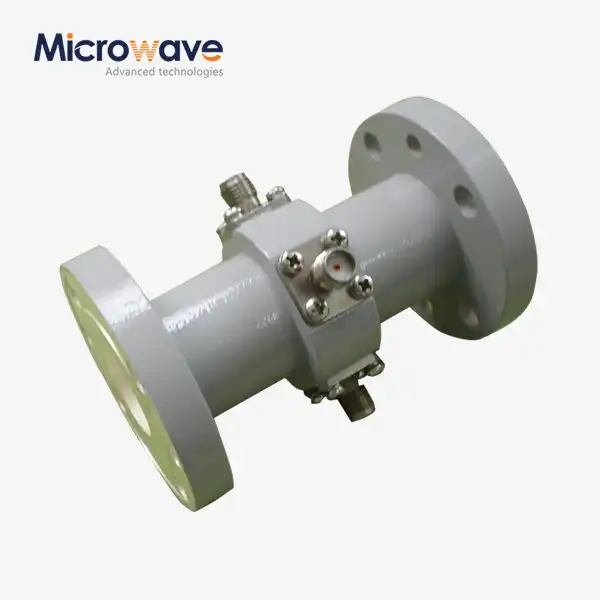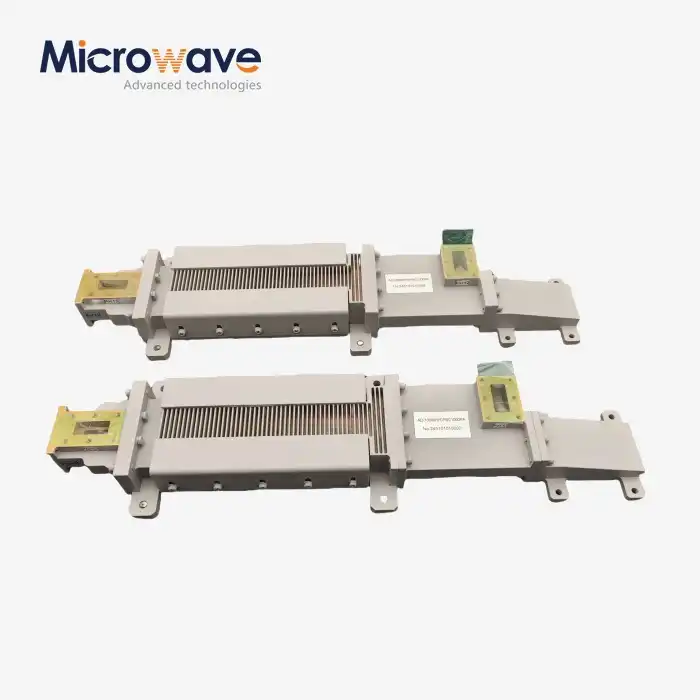





High Precision Waveguide Band Stop Filter Supplier
Advanced Microwave Technologies Co., Ltd. (ADM) has been making precision-engineered waveguide parts that solve important problems in RF and microwave systems for more than 20 years. Our Waveguide Band Stop Filters, which are also called notch or band reject filters, specifically cut down on certain frequency bands while keeping the signal integrity in passbands around them. Defense companies that need to deal with co-site interference, satellite operators that need to get rid of harmonic distortion in uplink chains, and research institutions that need measures that can be tracked and repeated all need these high-performance parts. Our waveguide designs use air-dielectric construction and precise machining to provide excellent Q-factors, low insertion loss, and great heat stability for mission-critical applications, unlike coaxial options that tend to break down under high power.
Understanding Waveguide Band Stop Filters: Core Concepts and Design Principles
The way Waveguide Band Stop Filters work is very different from how coaxial or microstrip band stop filters work. We put resonant holes or tuning pieces inside a square or round waveguide so they are not in the same direction as the electromagnetic wave. These resonators make a shunt path that traps energy at the target stopband frequency and sends it back to the source while letting other frequencies go through freely. As a result, there is surgical rejection within a small frequency band, which is often higher than 60 dB.
Critical speed factors indicate filter performance. Insertion loss measures passband signal weakening. To keep receivers sensitive and emitters efficient, our designs often reduce it to 0.05 to 0.25 dB. Interference blocking depends on stopband attenuation depth, which affects the system's dynamic range. VSWR measures impedance matching. Lower numbers improve energy transmission and reduce echoes that might destabilize amplifier stages.
Material choice greatly impacts performance and durability. A robust, heat-exiting high-conductivity aluminum alloy (6061-T6) is used to create filter bodies for regular use. For thermally stable ultra-narrowband notch filters that perform in a wide temperature range, we offer Invar, a nickel-iron metal with a nearly negligible thermal expansion coefficient. According to ASTM B571 bonding requirements, electroplating silver or gold on the surface reduces ohmic losses and controls thickness to prevent breaking when heated and cooled.
Modern design methodologies simulate manufacturing constraints, cavity coupling, and higher-order mode suppression using full-wave electromagnetic simulation tools before prototyping. Based on the customer's bandwidth, we improve designs with Q-factors that balance selection and restrictions. This simulation-first strategy reduces development time and ensures success on the first try for unique L-Band to W-Band (1 GHz to 110 GHz) frequency demands.
Waveguide applications must manage a lot of power or be trustworthy. Space radar can't manage coaxial filter failures on critical flights. Satellite ground stations that send kilowatts of RF power need heat-resistant equipment. RF cooling systems for particle accelerators must function in a vacuum and resist multipaction. These factors explain why defense, telecommunications, and research procurement teams always prefer waveguide systems, even if they cost more initially than mass-produced coaxial choices.
Comparing Waveguide Band Stop Filters: Choosing the Right Solution for Your Needs
Performance Trade-offs Across Filter Architectures
There are more than just frequency response shapes that need to be looked at when choosing the best Waveguide Band Stop Filter technology. Waveguide Band Stop Filters work really well in places with a lot of power, where coaxial designs can't do much. A normal coaxial notch filter with a 100-watt rating might take up the same amount of space as a waveguide unit that can handle 5 kilowatts of continuous wave power. This is fifty times better because it better handles heat and doesn't use insulating materials that are easy to break.
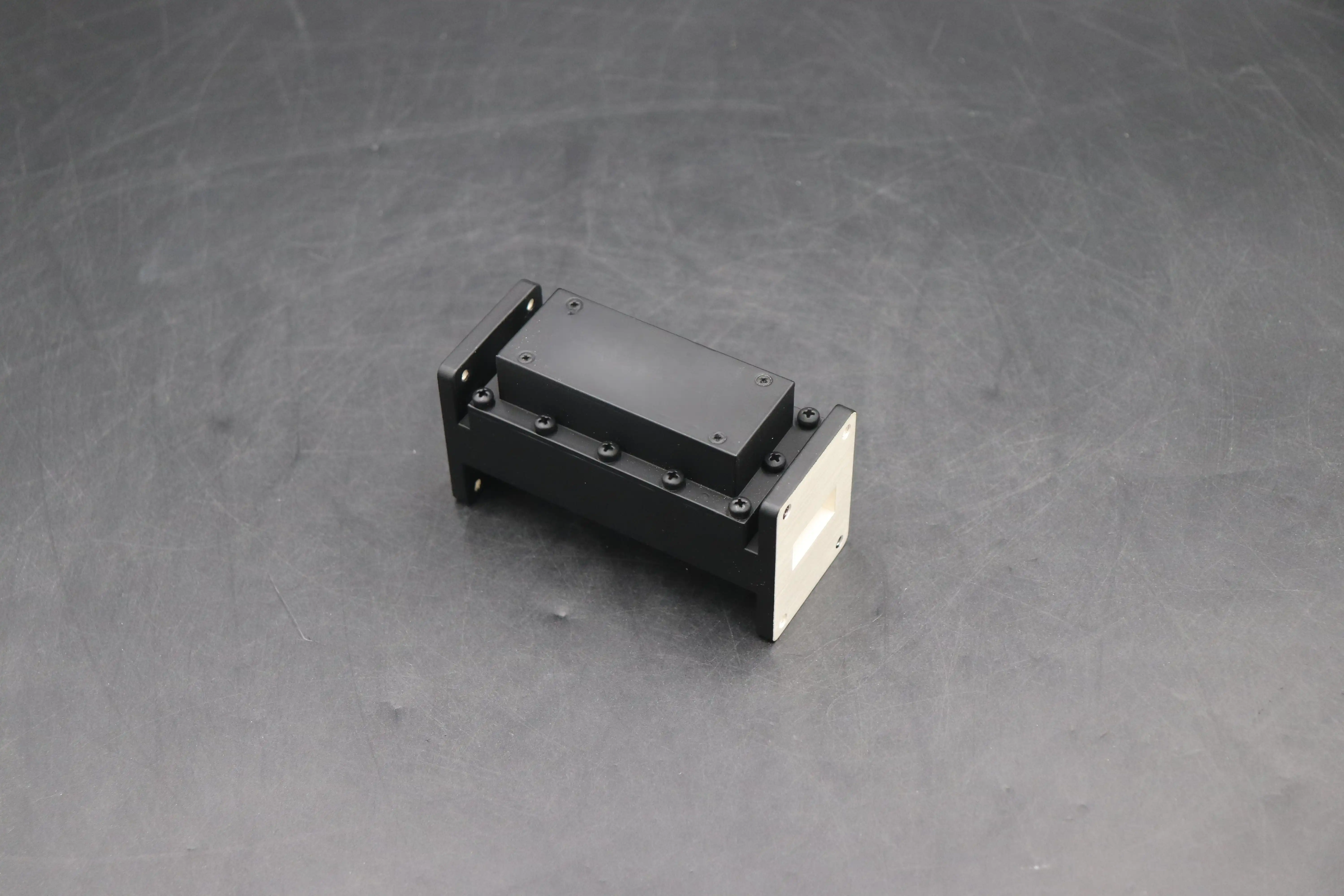
Cavity filters can handle about the same amount of power, but they usually work as band-pass filters instead of rejection filters. Changing hollow designs to band stop setups makes things more complicated and lowers the Q-factor. Dielectric resonator filters help make things smaller, but they lose power and thermal stability, so they work better in receiver front ends than transmitter output stages.
Iris-Coupled vs. Resonator-Based Implementations
There are different designs for Waveguide Band Stop Filter structures that are used to meet the needs of different applications. Iris-coupled filters have apertures that are exactly sized and add controlled reactance, which makes rejection notches through spread resonance. According to MIL-STD-810, these designs are perfect for shipboard systems that are subject to shock and vibration because they are mechanically simple and tough.
In resonator-based designs, separate cavity elements are connected to the main waveguide. This makes it possible for higher skirt selectivity and deeper rejection. We use this method when nearby frequency services need to be protected, like when satellite sensor separation is needed, and the filter skirt properties have a direct effect on planning for capacity. The trade-off is more complicated mechanics and tighter production tolerances. We reduce these problems by using precise CNC machining and laser verification to check key dimensions.
Supplier Selection Criteria for Procurement Success
In addition to technical specs, operational skills that affect the total cost of ownership must also be taken into account when evaluating a seller. Lead times are very different for stock items (usually 4 to 6 weeks) and unique designs that need electromagnetic modeling, prototype validation, and qualification testing that can take up to 16 weeks. Our quick-turn development service fills this gap by sending working units for testing system integration within 3–4 weeks, while full production tooling is being made at the same time.
The ability to customize sets commodity sellers apart from technical partners. We have RF design experts on staff, a 24-meter microwave lab for measuring antennas in the far field, and Vector Network Analyzer units that are set to 110 GHz. This infrastructure makes it easy to quickly make changes based on what the customer wants, whether that's changing the frequency, the way the flanges connect, or making the environment harder to withstand harsh circumstances.
Certifications are an objective way to show that a production process is mature. Our ISO 9001:2015 quality management system makes sure that all processes are recorded, from checking the arriving materials to storing the final test data. Getting ISO 14001:2015 environmental certification shows that you are committed to using sustainable manufacturing practices, which are becoming more and more required by government buying rules. RoHS compliance gets rid of the risk that comes with limiting dangerous substances in the supply chain. This is especially important for technology that is going to be sold in Europe.
Why Work with a High-Precision Waveguide Band Stop Filter Supplier?
Quality in waveguide parts directly affects how reliable a system is and how long it works. If a Waveguide Band Stop Filter doesn't reject enough stopband interference, it can overload receiver stages and make expensive spying gear useless during important tasks. Too much passband insertion loss hurts link budgets, so system builders have to choose more powerful amplifiers that are more expensive, heavier, and harder to control when it comes to heat.
Material tracking is the first step to making great products. We get waveguide stock from approved mills that can certify both the chemical makeup and the mechanical properties of the stock. Coordinate measuring machines (CMM) are used for measurement checking during incoming inspection, and conductivity testing is done to make sure the plating is still solid before cutting starts. This care upstream keeps defective raw materials from causing expensive repairs and plan delays.
The speed that can be reached depends on how precise the cutting is. To keep the resonant frequency the same from one production lot to the next, cavity resonators need limits measured in thousandths of an inch. We use multi-axis CNC machining centers that can compensate for heat, so the dimensions stay stable even when the machines are cutting. If requested, unique locking treatments are applied to the tuning screws to stop vibration-induced drift while still allowing factory change for precise frequency placement.
Validation testing gives you peace of mind before you ship something. Each unit goes through a full two-port S-parameter evaluation over the given frequency range. The data is stored and sent with the unit as part of the shipping paperwork. High-power testing at rated CW and peak levels checks the heat performance and finds any possible multipaction risks. Environmental screening, which includes temperature changes, humidity exposure, and vibrations based on customer needs, makes sure that the product will work reliably under working stress. These strict guidelines are like the zero-defect standards that aerospace and defense customers expect because their applications don't leave any room for parts to fail.
We recently worked with a satellite ground station integrator whose 12 GHz uplink booster was causing harmonic interference that was messing up Ku-band downlink services next to it. Standard stock filters didn't have enough rejection depth, and special cavity designs were too expensive. Our engineers came up with a combination iris-resonator design that blocked 75 dB of the second harmonic with only 0.12 dB of passband insertion loss. The design used silver-plated metal and Invar tuning elements to keep the temperature stable over a range of -40°C to +65°C when used outside. By delivering within eight weeks, the customer was able to keep their promise to start the service on time and avoid large fines. This result shows how valuable it is to work with a source that offers flexible design, a wide range of manufacturing options, and project management that is focused on the customer.
Procurement Guide: Ordering High-Precision Waveguide Band Stop Filters
To get around in the procurement world, you need to know about the different routes that are offered and what their benefits are. Working directly with makers like ADM gives you access to engineering tools that can help you improve specifications and make changes to meet your needs. Authorized wholesalers make it easier to get basic catalog items with faster lead times, but they don't offer many customization choices. Online platforms make prices clear, but they don't offer technical help, which is important for mission-critical apps where wrong specifications can cause delays and expensive system redesigns.
OEM products are the best choice for integrating complicated systems. These parts get special mechanical connections, like flange types, mounting holes, and environmental sealing, that get rid of the need for field change and the reliability risks that come with it. During the planning process, we work together to make sure that the Waveguide Band Stop Filter characteristics are the best fit for the needs of the whole system. This way, we avoid over-specification, which drives up costs without improving performance.
The factors that affect prices are not just the complexity of the part. Design engineering work for custom frequency plans or odd waveguide sizes is an initial investment that is spread out over the number of units that are made. The prices of materials change depending on whether they need to be plated in valuable metals or special alloys like Invar. Tooling amortization and process optimization have a big effect on unit price when it comes to manufacturing output. Production runs of 20 or more units usually support specialized fixturing that improves consistency and cuts cycle time.
Lead time management requires setting reasonable goals that are in line with the difficulty of the product. Catalog things that are already in stock and can be bought right away, and ship within days. Standard designs that only need to be retuned for frequency on tried-and-true systems are usually finished in 6 to 8 weeks. It takes 12 to 16 weeks for fully custom solutions with new cavity configurations or specialized materials. This includes computer confirmation, sample manufacturing, and qualification testing. We suggest involving suppliers early on in the system development process so that filter development can happen at the same time as larger integration tasks. This will help avoid delays on the key path.
Long-term supply deals and buying in bulk have real benefits that go beyond lowering unit prices. Suppliers can hold production capacity and buy long-lead materials ahead of time when they have established relationships with customers. This shortens delivery times during times of high demand. Multi-year contracts with volume promises allow for strategic inventory placement, making sure that customers can meet their production needs while reducing the risk to working capital. When it comes to defense projects, these relationships are very helpful because production runs last for years and parts going out of date can put the program at risk.
When negotiating a contract, you should talk about important business and technical words. Warranty terms must spell out what kinds of problems are covered (making flaws vs. failures caused by improper use) and how long the warranty lasts so that it fits the product's lifecycle. In order to balance cash flow with risk exposure, payment terms usually include deposits for special engineering work and progress payments that are tied to development goals. It's important to pay close attention to export controls when planning international shipping, especially for defense-related things that are controlled by the International Traffic in Arms Regulations (ITAR) or the Export Administration Regulations (EAR). Choosing the right Incoterms makes it clear who is responsible for insurance, clearing customs, and transportation risk. Technical support after delivery, such as installation help, debugging advice, and repair services, should be clearly defined so that there is no confusion when problems happen.
Conclusion
To get high-precision Waveguide Band Stop Filters, you need to carefully consider the technical needs, the supplier's skills, and the possibility of a long-term relationship. These parts are very important in systems whose performance directly affects the success of the mission, like those that make sure the transfer spectrum is pure from the satellite, keep sensitive terminals safe from interference from other sites, or condition RF fields in particle accelerators. We've talked about the basic design rules that make waveguide technology different from other options, how to choose the best layouts by comparing them, and how to go about buying something, from writing the specifications to negotiating the contract. Advanced Microwave Technologies Co., Ltd has been making products for 20 years and has state-of-the-art measurement tools and ISO-certified quality systems that help them make solutions that meet or beat the strictest requirements for aerospace and defense, while also working with commercial telecommunications and research.
FAQ
Q1: Can waveguide band stop filters be field-tuned after installation?
Most output units are tuned and sealed at the plant to make sure they keep working at the right VSWR and rejection levels even when they are subjected to vibration and heat stress. Some designs have adjustment screws for factory tuning, but we usually epoxy these parts after optimization to stop them from moving. If you do field tuning without accurate Vector Network Analysis tools, the performance could get worse, so you should stay away from it. Custom designs that need to be retuned on a regular basis can include easy-to-reach adjusting features with clear instructions, but this method gives up some environmental toughness.
Q2: What determines power handling limits in waveguide filters?
Continuous wave power capacity is usually limited by voltage breakdown at high-field concentration points, mainly at tuning screw gaps and hollow irises. We reduce this by carefully rounding off the edges, cleaning the surface to get rid of tiny flaws that cause arcing, and pressurizing the gas with nitrogen or sulfur hexafluoride for very high-power uses. Most waveguide designs don't need to worry about thermal loss because heat moves easily through metal walls. However, for very high duty cycles, forced-air cooling or liquid-cooled jackets may be needed.
Q3: How does material selection impact filter performance across temperature ranges?
Aluminum building is very cheap and good at conducting electricity, but it expands a lot when it gets hot, which changes the resonant frequencies by about 25 ppm per degree Celsius. Invar metal bodies have nearly zero expansion coefficients—below 1 ppm per degree Celsius—which helps narrowband systems work in a wide range of temperatures while keeping notch placement within specifications. The trade-off includes more expensive materials and harder machining, but it's worth it when frequency stability has a direct effect on how the system works.
Partner with ADM for Superior Waveguide Band Stop Filter Solutions
Advanced Microwave Technologies Co., Ltd is ready to help you with all of your RF and microwave filtering needs. Precision CNC cutting, advanced plating, and full test facilities, such as a 24-meter microwave darkroom for far-field measures up to 110 GHz, are all part of our vertically integrated production. Our engineering team creates solutions that are the best in terms of performance, stability, and cost, whether you need catalog goods that can be quickly deployed or fully customized OEM designs that fit the needs of your specific system. Contact craig@admicrowave.com to talk about your Waveguide Band Stop Filter needs with experienced applications engineers who know how hard it is for defense companies, satellite operators, and research institutions to get the things they need. As a reliable global provider, we offer full documentation packages, strict quality control that meets international standards, and quick expert help for the whole lifecycle of your product.
References
1. Levy, R., & Cohn, S. B. (2002). Microwave Filters for Communication Systems: Fundamentals, Design, and Applications. New York: John Wiley & Sons.
2. Matthaei, G. L., Young, L., & Jones, E. M. T. (1980). Microwave Filters, Impedance-Matching Networks, and Coupling Structures. Norwood, MA: Artech House Publishers.
3. Pozar, D. M. (2011). Microwave Engineering, Fourth Edition. Hoboken, NJ: John Wiley & Sons.
4. Cameron, R. J., Kudsia, C. M., & Mansour, R. R. (2007). Microwave Filters for Communication Systems. Hoboken, NJ: Wiley-Interscience.
5. Harrington, R. F. (1961). Time-Harmonic Electromagnetic Fields. New York: McGraw-Hill Book Company.
6. Montgomery, C. G., Dicke, R. H., & Purcell, E. M. (1948). Principles of Microwave Circuits (MIT Radiation Laboratory Series, Volume 8). New York: McGraw-Hill Book Company.