





Does Ambient Temperature Shift Directional Coupler Calibration Accuracy?
The temperature of the environment can change the accuracy of directional coupler calibration, and it can do so in ways that even experienced engineers don't expect. Changes in temperature make coupler materials physically expand and change the electrical properties of dielectric surfaces. This causes changes that can be measured in coupling factor, directivity, and insertion loss. Temperature changes of as little as 10°C can cause mistakes that are too big to be accepted in high-precision applications when calibrating RF measurement systems that use directional couplers. This sensitivity is very important for procurement managers and engineering teams that work in defence, aircraft, and satellite communications, as the accuracy of the calibration directly affects how reliable the system is and how much it costs to run.
Understanding Directional Coupler Calibration and Its Sensitivity to Ambient Temperature
In RF and microwave systems, directional coupler calibration is very important because it sets a stable standard for measuring signals, keeping an eye on power levels, and taking samples of signals. Key performance metrics, such as coupling coefficient, directivity, insertion loss, and frequency response across operating bandwidths, are measured during the calibration process. To make sure the system works correctly, these factors must stay fixed within certain limits.
Why Temperature Matters in RF Calibration
Changes in temperature cause physical changes that affect the accuracy of measurements. When temperatures change, materials expand and shrink, which changes the physical dimensions of buildings that connect. Changes of just a few microns in the distance between coupled transmission lines can cause coupling values to change by several tenths of a decibel. The dielectric constant of base materials changes with temperature as well, which changes how fast signals travel and how well they fit impedance.
The Direct Cost of Calibration Drift
When the weather causes calibration to change, it causes more problems than just measurement mistakes. When test equipment gives wrong results, production rates go down. When components are wrongly described during quality control, they are more likely to fail in the field. When systems don't work right because of hidden calibration changes, warranty claims pile up. Aerospace companies and satellite integrators have procurement teams that are very familiar with these risks because mission-critical applications need accuracy all the time, no matter what the weather is like.
Temperature Sensitivity Across Applications
Different uses have different levels of measuring problems caused by temperature. Every day, changes in temperature affect ground-based satellite communication systems, putting their tuning reliability to the test. When the altitude of an aircraft changes, the temperature changes quickly for radar devices in the air. Even though there is more control in a lab, even small changes in how well the HVAC system works can cause drift in readings above 40 GHz.
Core Factors and Mechanisms Behind Temperature-Driven Calibration Shifts
To figure out why temperature changes directional coupler calibration, you have to look at the properties of the object and how it interacts with its surroundings.
Material Thermal Expansion and Electrical Impact
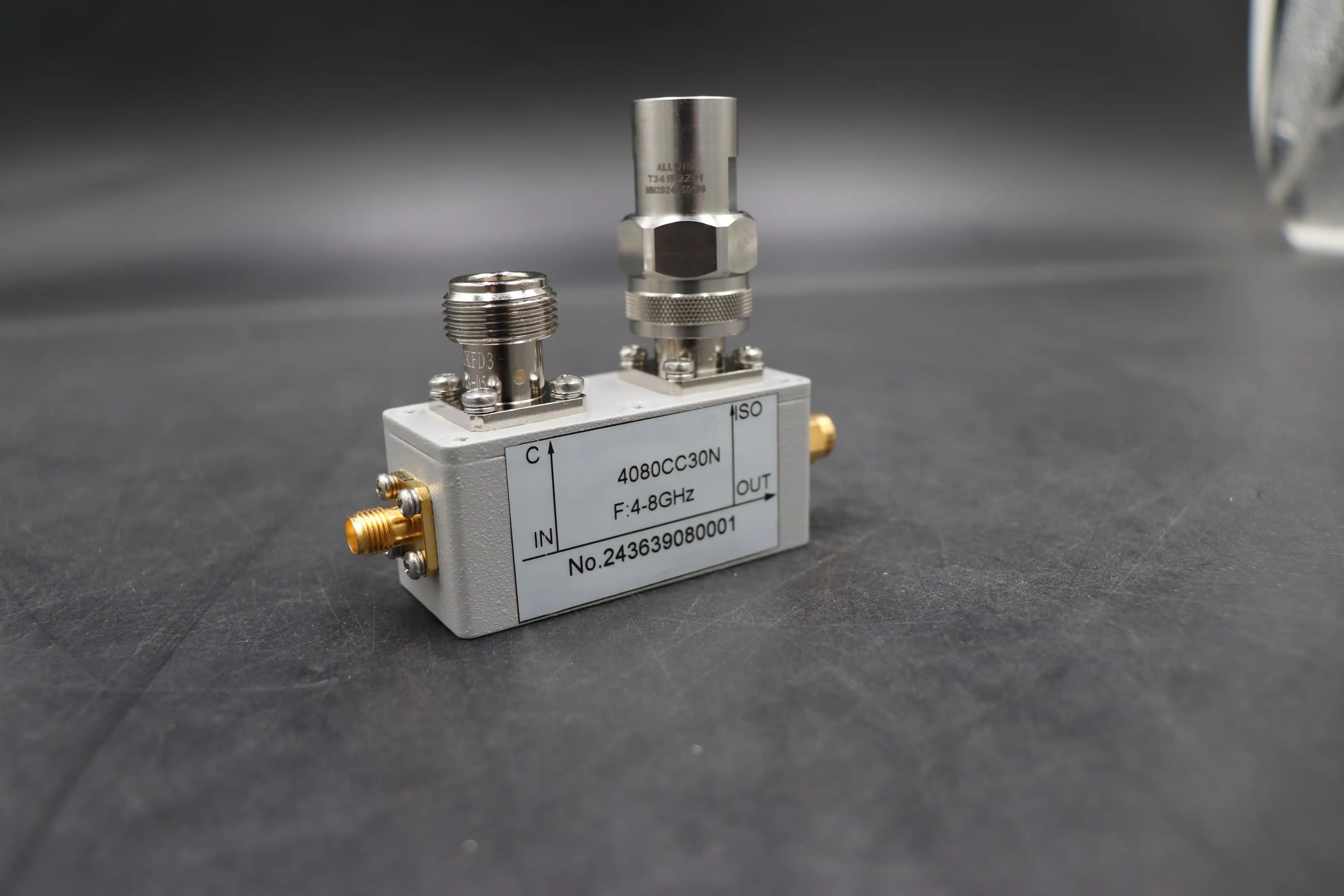
Materials with different temperature expansion factors are often used in directional couplers. Copper wires expand at a rate of about 17 parts per million per degree Celsius, while popular substrates like PTFE expand at a rate of 120 to 200 ppm/°C. These different growth changes the dimensions of the coupler structure, which changes how the electromagnetic fields are spread out inside it. Depending on how it is built, a 20°C rise in temperature in a 10 GHz coupler can change the coupling coefficient by 0.3 dB or more.
Temperature Dependence on the Dielectric Constant
Depending on the type of material, the temperature coefficients of base materials' dielectric constants range from +50 to -200 ppm/°C. These changes affect the functional electrical length of parts that are coupled and the way impedance connections work. Because wavelengths get shorter as frequency goes up, higher-frequency designs are more sensitive because changes in size are more noticeable in relation to the working wavelength. A Ka-band coupler working near 30 GHz will be three times more sensitive to temperature than an X-band device working at 10 GHz.
Environmental Sensitivity of Calibration Equipment
The temperature affects the measuring tools that are used for accuracy as well. There are temperature-sensitive parts in vector network analysers, power meters, and reference standards. To keep these effects to a minimum, good testing facilities keep the temperature and humidity at 23°C ±2°C and 30–50%, respectively. More advanced calibration kits have temperature monitors and correction systems that work in real time, which makes measurements more accurate.
Frequency Range Interactions
At higher frequencies, where performance standards are stricter, temperature effects get worse. Millimeter-wave couplers that work above 40 GHz need to be able to keep their tuning better than 0.1 dB across a wide range of temperatures. As the working frequency goes up, the relationship between mechanical tolerances and electrical performance becomes very important. This is why choosing the right material and managing heat are important parts of the buying process.
Best Practices to Mitigate Ambient Temperature Impact on Calibration Accuracy
To cut down on temperature-related directional coupler calibration mistakes as much as possible, you need to use regular methods that include both weather control and compensation techniques. To keep measurements accurate, procurement workers and expert teams can use a number of tried-and-true methods.
Temperature-Stabilized Calibration Procedures
Calibration shouldn't happen until the equipment is at the same temperature as the measuring setting. Transient temperature effects are lessened by letting the tools and devices being tested settle for 30 to 60 minutes before they are calibrated. By writing down the temperature of the environment during calibration and linking this information to the calibration certificate, readings can be made again after correcting for temperature. Some companies do calibration at several temperature points within the expected working range. This helps them make adjustment tables that are more accurate.
Techniques for compensation and correction algorithms
For known temperature factors, modern methods of testing use maths to make up for them. Putting temperature sensors near important coupler connections gives adjustment algorithms real-time data. When compared to readings that aren't corrected for temperature, these methods can cut errors caused by temperature by 70–80%. To fix things, you have to figure out how each coupler reacts to temperature during the initial confirmation step. Then, you have to make device-specific correction factors that stay the same over the service life of the part.
Selecting Temperature-Resilient Calibration Equipment
The choice of measuring tools has a big impact on the accuracy of measurements when temperatures change. When comparing choices, companies looking for testing solutions should think about a number of things. Automated testing systems from companies like Keysight and Rohde & Schwarz can check the temperature and make changes without any help from a person, which lowers the chance of mistakes. Manual calibration kits are still a good deal, but they need strict rules for how to use them and strict weather control. Using an air dielectric coaxial design to make temperature-stable reference standards reduces the effect of internal temperature sensitivity, making baselines more reliable.
When choosing equipment, performance needs should be weighed against price limits, and after-sales help and documentation should be given the most weight. Accountability is needed in defence and aerospace buying, and suppliers who offer NIST-traceable calibration certificates with recorded uncertainty budgets meet this need. When looking for calibration tools, expert buyers should ask for details on the temperature coefficient and make sure that the errors listed include temperature factors across the expected working ranges.
Industry Standards and Quality Enforcement
By following set standards, calibration methods are sure to meet the needs of the business. MIL-STD-45662A tells military companies what they need to do to have a testing system. ISO/IEC 17025 lists basic standards for testing and calibration labs, such as controls for the environment. These standards say that the conditions of the surroundings must be recorded during calibration and set rules for measuring error in a way that takes temperature into account.
Evaluating Directional Coupler Calibration Methods and Solutions Amid Temperature Variability
Different directional coupler calibration methods are more or less resistant to mistakes caused by weather, so choosing the right method is an important part of buying something.
Traditional Calibration Approaches and Temperature Limitations
When the temperature stays the same, conventional testing with discrete power meters and signal producers gives good results. Under controlled conditions, this method usually gives errors of about ±0.5 dB. However, when temperature changes during testing, these errors can get as high as ±1.0 dB or even higher. The method depends a lot on how skilled the user is and how stable the environment is. Because of this, it can be used in situations where accuracy isn't too important, and the laboratory conditions are stable.
Modern Vector Network Analyzer-Based Methods
Calibration of a vector network analyser gives better temperature performance by fixing errors automatically and measuring for shorter amounts of time, which reduces exposure to thermal drift. Uncertainties in VNA-based systems can be better than ±0.2 dB, and they can handle small changes in temperature with built-in correction. This way of doing things is most common in high-frequency settings and precision manufacturing settings, where both speed and accuracy are important.
Leading Equipment Suppliers and Temperature Innovation
Several companies were the first to use temperature-resilient testing equipment. Keysight's PNA-X line has built-in temperature tracking and real-time correction algorithms that keep the accuracy at the required level even when the temperature changes by 10°C. The main parts of Rohde & Schwarz ZVA analysers are safe at room temperature, and they come with optional environmental tanks for testing at very high or very low temperatures. Anritsu has small VNA devices that warm up quickly so that thermal stabilisation delays are kept to a minimum. When analysing these providers, procurement teams should ask for details on how well they handle temperature and what kind of field service they offer in the areas where they do business.
When choosing a source, businesses often weigh the original cost of capital investment against the long-term costs of operations and the accuracy of their measurements. Suppliers with global support networks and standardised calibration processes are helpful for companies that work with various test facilities in different parts of the world. Quality of after-sales support has a direct effect on uptime, so image and service responsiveness are important factors to consider when evaluating a seller.
Establishing an Effective Calibration Schedule and Monitoring Strategy
Active directional coupler calibration management that takes temperature changes into account keeps measurements accurate and makes the best use of resources.
Calibration Interval Optimization
Industry guidelines give basic advice on how often to calibrate equipment, and most RF testing equipment should be recalibrated once a year. These times should be affected by changes in temperature. With regular verification checks, equipment that works in temperature-controlled labs can easily extend gaps to 18 to 24 months. When devices are used in the field where temperatures change a lot, they need to be calibrated more often, maybe every three or six months, to catch drift before it affects production or field data.
Continuous Monitoring and Verification Systems
Companies that keep a lot of RF test tools are using continuous tracking methods more and more. Between official calibrations, automated verification systems do quick checks that flag equipment that shows drift patterns that need to be looked into. These systems cut down on unplanned downtime and make survey data more reliable. When you log the temperature at the same time as the calibration, you get historical records that show trends. This lets you use predictive maintenance methods that set up recalibrations based on real drift instead of random time intervals.
Cross-Functional Collaboration Requirements
For calibration management to work well, the engineers, buying, and metrology teams need to work together. Based on the needs of the product, engineers set the accuracy standards. Procurement finds the tools and testing services that meet these needs while staying within the budget. Metrology teams carry out processes for testing and keep records of tracking. These functions should talk to each other on a regular basis so that calibration plans stay in line with how things work, and tool choices support long-term accuracy goals.
Sharing temperature info between teams helps them make better choices. When metrology teams see trends of temperature-related drift, buying can give preference to temperature-stable options during equipment refresh rounds. Based on what they see, engineering teams can change how tests are done or make environmental controls stricter. With this feedback process, tuning goes from being a task for compliance to a strategic skill that helps a business gain a competitive edge.
Conclusion
Temperature definitely changes the accuracy of directional coupler calibration by expanding and contracting physically and by changing the dielectric properties, and making the equipment more sensitive. The strength of these effects changes with regularity and temperature range, so buying teams that buy parts for military, space, and satellite uses need to pay close attention. Errors caused by temperature can be greatly reduced by using environmental control, temperature compensation methods, and choosing the right tools. Modern testing tools from well-known brands are made with temperature-resistant parts that keep their accuracy in real-world settings. Companies that use proactive calibration management that is tailored to their individual temperature settings get more accurate measurements, lower costs, and more reliable systems than companies that use generic methods.
FAQ
1. Does room temperature affect coupler accuracy?
Changes in room temperature have a direct effect on the performance of couplers because they change the size and dielectric qualities of the materials. Depending on the design and frequency, a 5°C change can change coupling factors by 0.1 to 0.3 dB. Keeping the room temperature steady during operation and testing makes measurements much more accurate.
2. How often should directional couplers be recalibrated?
The frequency of recalibration relies on how important the application is and the conditions in the surroundings. Laboratory equipment that is kept in a safe climate usually needs to be calibrated once a year. On the other hand, systems that are used in areas with high temperatures may need to be checked every three months. Keeping an eye on drift trends between calibrations can help you find the best times for your needs.
3. Can software correct temperature calibration errors?
When combined with temperature sensors, software correction cuts down on temperature-related mistakes by a large amount. If you know the temperature factors for each part, correction methods can make up for 70–80% of the effects of temperature in directional coupler calibration. For the most accurate results, this method works best when used with real measures to keep the temperature stable.
4. What calibration standard addresses temperature effects?
ISO/IEC 17025 says that during calibration, labs must keep an eye on and record the temperature and other external variables. MIL-STD-45662A also says that military calibration centers must control the climate. These standards make sure that temperature effects are included in measurement error budgets. This holds people responsible for accuracy problems that are caused by temperature.
Partner with ADM for Temperature-Stable RF Solutions
Advanced Microwave Technologies Co., Ltd. sells directional couplers and calibration-grade RF parts that are carefully made to work in harsh weather conditions. Characterisation from 0.5 to 110 GHz can be done in our 24-meter microwave darkroom under controlled conditions. This makes sure that your parts meet standards across all operating temperature ranges. We have been a reliable provider of directional coupler calibration tools for over twenty years and are ISO 9001:2015 certified. We provide the technical paperwork and traceability needed for defence and aircraft procurement. Our technical team can make products that meet your unique needs for thermal stability. Email craig@admicrowave.com to talk about how our temperature-characterized parts and skilled technical support can help you improve the accuracy of your measurements and the performance of your system.
References
1. Bryant, G. H., Principles of Microwave Measurements, Institution of Engineering and Technology, 2016.
2. Engen, G. F., "Calibration Technique for Automated Network Analyzers with Application to Adapter Evaluation," IEEE Transactions on Microwave Theory and Techniques, vol. 22, no. 12, 1974.
3. Hiebel, M., Fundamentals of Vector Network Analysis, 4th ed., Rohde & Schwarz, 2011.
4. Fantom, A., Radio Frequency and Microwave Power Measurement, Institution of Electrical Engineers, 1990.
5. Agilent Technologies, "Specifying Calibration Standards and Kits for Agilent Vector Network Analyzers," Application Note 1287-11, 2012.
6. National Institute of Standards and Technology, "Temperature Effects in Precision RF and Microwave Measurements," NIST Technical Note 1297, 2008.
YOU MAY LIKE
 VIEW MOREIndustrial Microwave Isolator
 VIEW MOREWaveguide H Bend
 VIEW MOREWaveguide Sliding Termination
 VIEW MOREHigh Power Waveguide Circulator
 VIEW MOREHigh Power Waveguide Differential Phase Shift Circulator
 VIEW MOREWG Harmonic Filter
 VIEW MOREUltra Double-ridged Horn Antenna
 VIEW MOREDual Linear Broadband Circular Polarization Horn Antenna