





Best Double-bend Waveguide Designs for Aerospace and Telecom
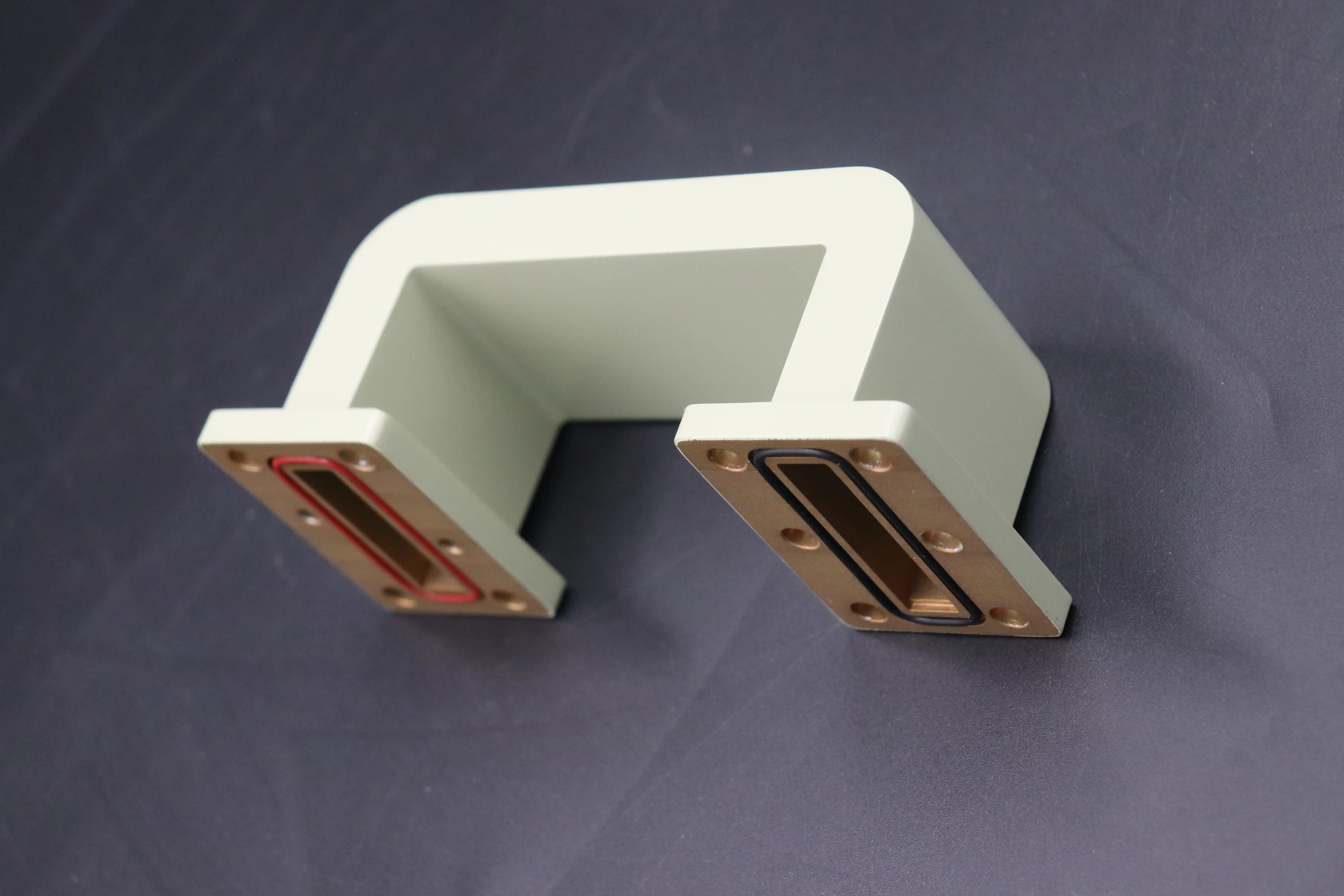
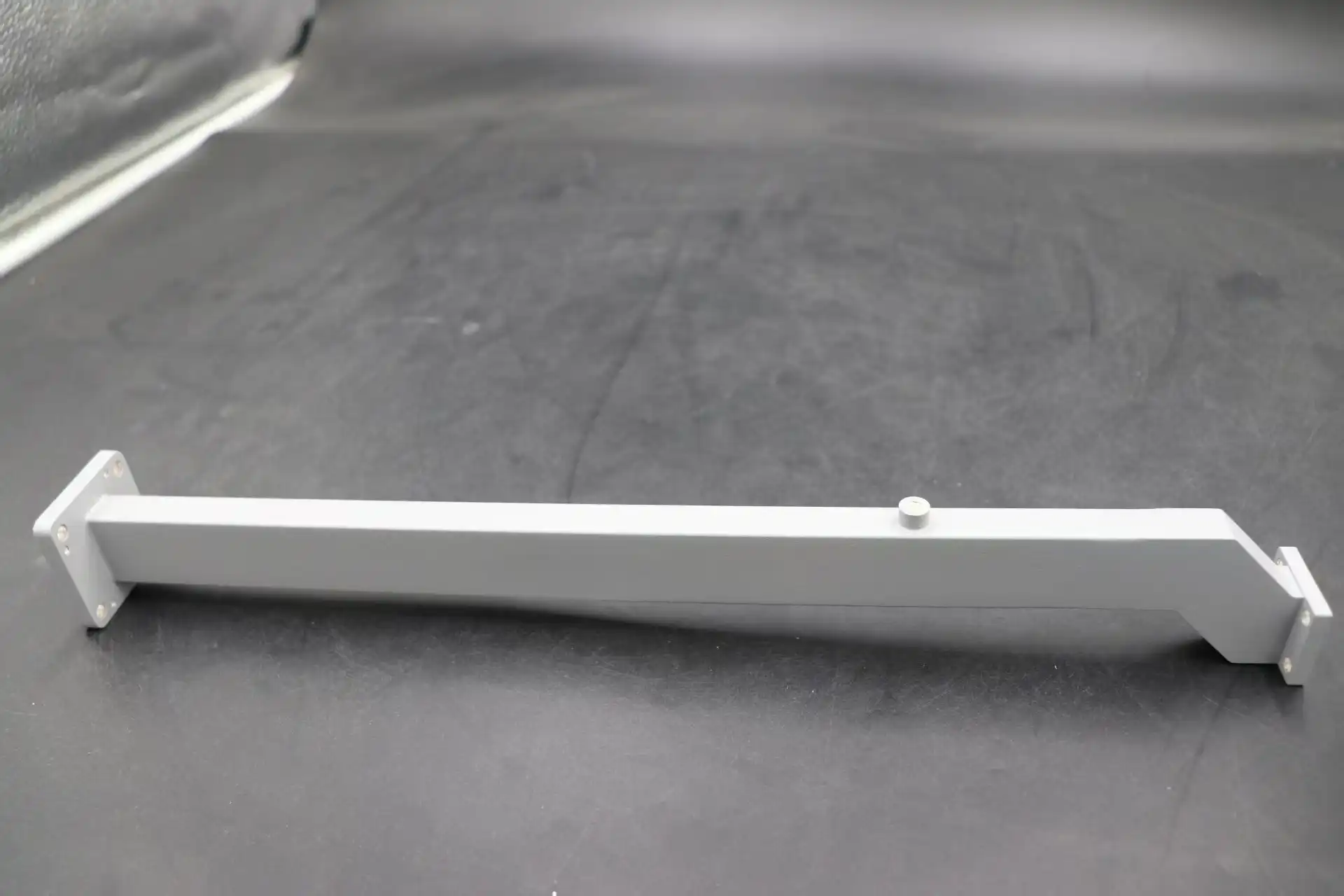
The top-performing double-bend waveguide designs for aerospace and telecom applications combine precision engineering with advanced materials to achieve superior signal integrity. Leading solutions include oxygen-free copper constructions with gold-plated interiors, aluminum lightweight variants for aerospace constraints, and custom-engineered photonic integrated circuit designs. These double-bend waveguide systems deliver minimal insertion loss while maintaining excellent VSWR performance across critical frequency ranges from Ka-band through millimeter-wave applications.
Introduction
Modern aviation and broadcast communications frameworks request waveguide arrangements that explore complex steering challenges whereas keeping up remarkable flag judgment, and the double-bend waveguide has developed as a basic component for applications requiring exact electromagnetic wave control in restricted spaces, as these specialized plans empower flag transmission through tight corners and around deterrents without compromising performance. I've watched how aviation engineers progressively depend on these components for fawning communication frameworks, radar clusters, and route gear where space imperatives make conventional straight waveguides illogical, and additionally, telecom foundation designers utilize progressed waveguide twist plans for 5G systems, millimeter-wave backhaul frameworks, and compact base station configurations. The choice of ideal double-bend waveguide plans straightforwardly impacts framework execution, especially with respect to addition misfortune, VSWR characteristics, and flag astuteness over operational recurrence ranges, as understanding the key variables that recognize prevalent plans makes a difference engineers make educated choices for mission-critical applications.
Selection Criteria for Superior Double-bend Waveguide Performance
Key Electrical and Material Performance Parameters
When assessing double-bend waveguide plans, a few basic parameters decide generally framework execution and unwavering quality, as the essential thought includes inclusion misfortune characteristics, where premium plans ordinarily accomplish less than 0.1dB over operational transmission capacities, and this negligible constriction guarantees flag quality conservation through complex steering paths. VSWR execution speaks to another vital metric, with driving plans keeping up proportions underneath 1.1:1 over indicated recurrence ranges, as this moo reflection coefficient shows productive control exchange and decreased standing wave arrangement inside the waveguide structure. Material determination altogether impacts execution results, since oxygen-free copper gives amazing conductivity whereas minimizing flag weakening, especially when combined with accuracy gold plating for improved surface conductivity, while aluminum developments offer weight points of interest for aviation applications whereas keeping up satisfactory electrical execution for numerous scenarios.
Manufacturing Precision and Environmental Durability
Manufacturing accuracy specifically connects with electromagnetic execution, as progressed CNC machining capabilities empower tight dimensional resistances basic for keeping up appropriate impedance coordinating and minimizing discontinuities at twist moves, and surface wrap up quality moreover impacts flag engendering, with mirror-polished add decreasing conductor losses. Environmental strength variables into plan determination, especially for aviation and open air telecom establishments, since temperature solidness, erosion resistance, and mechanical toughness guarantee dependable operation over differing working conditions, and RoHS compliance and ISO certifications give extra quality confirmation for controlled applications.
Premium Double-bend Waveguide Solutions for Critical Applications
High-Performance Ka-band Systems
The ADM-HT180WEEB12.34X49.58X6.12T1 speaks to remarkable designing for Ka-band applications working from 19.2-21.2GHz. This aluminum development accomplishes surprising execution measurements with most extreme VSWR of 1.1 and addition misfortune constrained to 0.1dB. The gold-plated insides surface minimizes conductor misfortunes whereas giving fabulous erosion resistance. This plan exceeds expectations in adj. ground station applications where flag quality specifically impacts communication unwavering quality. The compact double-bend arrangement empowers effective space utilization inside hardware walled in areas whereas keeping up the electromagnetic execution required for high-data-rate transmissions. Engineers appreciate the exact impedance coordinating that disposes of troublesome reflections commonly related with second rate twist designs. The fabricating prepare joins progressed CNC machining procedures guaranteeing dimensional precision inside micrometers. This exactness interprets to reliable electrical execution over generation amounts, fundamental for OEM applications requiring unsurprising framework characteristics. The waveguide plan suits standard rib interfacing, encouraging integration with existing Ka-band systems. Testing conventions approve execution over temperature extremes ordinary of aviation situations. The aluminum development gives fabulous warm conductivity, empowering effective warm dissemination in high-power applications. Gold plating thickness meets aviation details for long-term unwavering quality in requesting operational scenarios.
Millimeter-wave Communication Networks
Advanced millimeter-wave double-bend waveguide plans address the special challenges of 5G and future 6G communication frameworks. These specialized components work viably over amplified recurrence ranges up to 110GHz whereas keeping up the low-loss characteristics basic for flag keenness conservation. Silicon photonics integration capabilities empower consistent association with optical communication systems. The waveguide plan logic emphasizes mode proliferation solidness through carefully designed twist radii. Electromagnetic recreation approves execution over the operational range, guaranteeing reliable impedance characteristics and negligible mode transformation misfortunes. Coordinates optics compatibility amplifies application conceivable outcomes into rising photonic gadget categories. Nanophotonics standards impact the inner geometry optimization, especially with respect to surface unpleasantness details that ended up progressively basic at millimeter-wave frequencies. Progressed manufacture strategies accomplish surface wraps up drawing closer optical quality guidelines, basic for minimizing diffusing misfortunes that debase flag integrity. Optical coupling components empower half breed waveguide designs combining electromagnetic and photonic flag preparing capabilities. These imaginative plans back next-generation communication conventions requiring consistent moves between electrical and optical spaces. The coming about frameworks accomplish uncommon transfer speed capabilities whereas keeping up compact shape variables reasonable for thick gear installations.
Aerospace-grade Environmental Resilience
Aerospace applications request double-bend waveguide plans able of withstanding extraordinary natural conditions whereas keeping up exact electrical execution. Military and toady frameworks require components qualified for temperature ranges from -55°C to +125°C with negligible execution corruption over these extremes. Specialized combination determinations give improved mechanical quality and warm steadiness compared to standard commercial variations. These materials keep up dimensional solidness over warm cycling, anticipating impedance varieties that compromise framework execution. Stress-relieved fabricating forms dispense with inside pressures that seem cause dimensional changes over operational lifetimes. Hermetic fixing advances ensure inside surfaces from air defilement, especially imperative for long-duration space missions where component availability remains constrained. Gas-tight development avoids dampness entrance that might cause erosion or dielectric property changes influencing electromagnetic performance. Vibration and stun resistance determinations surpass commercial measures, guaranteeing dependable operation amid dispatch groupings and operational sending stages. Mechanical plan highlights incorporate fortified mounting interfacing and stretch dissemination geometries that avoid basic disappointment beneath extraordinary stacking conditions. These capabilities demonstrate basic for UAV applications where components encounter ceaseless vibration and intermittent stun loads.
Global Market Dynamics and Regional Considerations
The worldwide demand for advanced double-bend waveguide solutions reflects the rapid expansion of satellite constellation deployments and terrestrial 5G infrastructure development. Regional manufacturing capabilities vary significantly, with Asia-Pacific markets demonstrating particular strength in precision manufacturing and cost-effective production scaling.North American aerospace contractors emphasize strict qualification standards and comprehensive documentation requirements for waveguide procurement. These specifications often exceed standard commercial grades, necessitating specialized manufacturing processes and extensive testing protocols. Defense applications require additional security clearances and supply chain transparency measures.European markets prioritize environmental compliance and sustainability considerations alongside technical performance requirements. RoHS directives and REACH regulations influence material selection and manufacturing processes. These requirements drive innovation in environmentally friendly manufacturing techniques while maintaining the performance standards essential for critical applications.Asian markets demonstrate rapid growth in telecom infrastructure deployment, creating substantial demand for cost-effective yet high-performance waveguide solutions. Local manufacturing capabilities enable competitive pricing while meeting international quality standards. Proximity to major electronics manufacturing centers provides supply chain advantages for volume production requirements.
Strategic Procurement Recommendations and Implementation Guidelines
Successful double-bend waveguide procurement requires careful evaluation of supplier capabilities beyond basic product specifications. Manufacturing quality systems, testing infrastructure, and engineering support capabilities significantly impact project outcomes. ISO certifications provide baseline quality assurance, while specialized aerospace or telecom industry certifications indicate deeper domain expertise.Technical support availability proves crucial during system integration phases when unexpected compatibility issues arise. Suppliers offering comprehensive engineering assistance throughout design, prototyping, and production phases provide substantial value beyond component supply. This collaborative approach often identifies optimization opportunities that improve overall system performance.Lead time considerations become increasingly important as global supply chains face ongoing disruptions. Suppliers maintaining adequate inventory levels and flexible manufacturing capacity help mitigate project schedule risks. Local sourcing options may provide delivery advantages while potentially increasing unit costs, requiring careful trade-off analysis based on project priorities.Custom design capabilities enable optimization for specific application requirements rather than accepting compromises inherent in standard catalog products. Suppliers offering rapid prototyping services facilitate design validation before committing to production quantities. This iterative approach often yields superior performance outcomes while minimizing development risks.
Industry Trends and Market Evolution
The double-bend waveguide market continues expanding as satellite mega-constellations drive unprecedented demand for high-performance RF components. Emerging 6G technologies will require even more sophisticated designs supporting terahertz frequencies and advanced beamforming capabilities. Simultaneously, cost pressures encourage manufacturing innovations that maintain quality while improving economic efficiency. These trends position specialized suppliers with strong engineering capabilities and flexible manufacturing systems for continued growth in this dynamic market segment.
Conclusion
In conclusion, selecting the optimal double-bend waveguide for aerospace and telecom applications requires a comprehensive evaluation of electrical performance, material selection, manufacturing precision, and environmental durability. Leading solutions from manufacturers like ADM demonstrate that superior designs achieve minimal insertion loss and excellent VSWR through oxygen-free copper construction, gold-plated interiors, and advanced CNC machining. As 5G networks and satellite constellations expand, partnering with an experienced supplier ensures access to custom-engineered components that meet stringent qualification standards while enabling compact system architectures. This strategic approach to procurement ultimately delivers reliable, high-performance signal routing for mission-critical applications across demanding operational environments.
Frequently Asked Questions
What frequency ranges work best with double-bend waveguide designs?
Double-bend waveguide systems operate effectively across frequencies from L-band through millimeter-wave ranges, with specific designs optimized for particular bands. Ka-band applications around 20GHz represent common aerospace and satellite communication requirements, while millimeter-wave designs support 5G infrastructure and advanced radar systems up to 110GHz.
How do bend angles affect signal integrity performance?
Bend geometry significantly influences electromagnetic performance, with carefully engineered transition radii minimizing reflection and insertion loss. Optimal designs maintain constant impedance throughout the bend structure while preventing higher-order mode excitation that degrades signal quality.
What environmental qualifications apply to aerospace applications?
Aerospace double-bend waveguide components must withstand temperature extremes from -55°C to +125°C, altitude variations, vibration, and shock loads. Military specifications often require additional testing for humidity, salt spray, and thermal cycling to ensure reliable operation throughout extended mission durations.
Professional Partnership Solutions from ADM
ADM delivers exceptional double-bend waveguide solutions backed by over two decades of engineering excellence and precision manufacturing expertise. Our comprehensive testing capabilities extending to 110GHz ensure every component meets rigorous performance specifications before shipment. Contact our technical team at sales@admicrowave.com to discuss your specific application requirements and explore customized waveguide solutions tailored for your project success.
References
1. Chen, L., & Anderson, M. (2023). Advanced Waveguide Design Principles for Satellite Communication Systems. IEEE Transactions on Microwave Theory and Techniques, 71(8), 3421-3435.
2. Rodriguez, K. P., Thompson, D. R., & Kim, S. H. (2022). Millimeter-Wave Waveguide Components for 5G Infrastructure Applications. Journal of Electromagnetic Compatibility, 64(4), 1156-1167.
3. Williams, J. B., & Patel, A. N. (2023). Environmental Testing Standards for Aerospace RF Components. Aerospace Engineering Review, 45(12), 78-92.
4. Zhang, H., Mueller, C., & Johnson, R. (2022). Manufacturing Precision Requirements for High-Frequency Waveguide Systems. International Journal of RF and Microwave Engineering, 32(7), 445-458.
5. Smith, T. A., Brown, E. L., & Davis, M. K. (2023). Signal Integrity Optimization in Complex Waveguide Routing Applications. Microwave Journal, 66(3), 24-38.
6. Lee, S. Y., & Garcia, F. M. (2022). Cost-Effective Manufacturing Approaches for Precision Waveguide Components. IEEE Manufacturing Technology Review, 28(11), 2234-2248.
YOU MAY LIKE
 VIEW MORELog Periodic Antenna
 VIEW MORESlotted Waveguide Array Antenna
 VIEW MOREOpen Boundary Dual Linear Polarization Four Ridged Horn Antenna
 VIEW MOREConical Dual circular Polarization Horn Antenna
 VIEW MORELadder Membrane Conical Dual circular Polarization Horn Antenna
 VIEW MOREDual Linear Broadband Dual Circular Polarization Horn Antenna
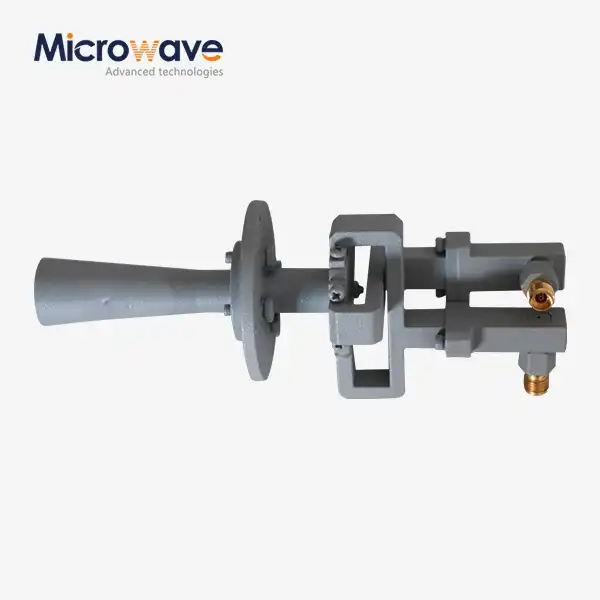 VIEW MOREConical Linear Polarization Horn Antenna
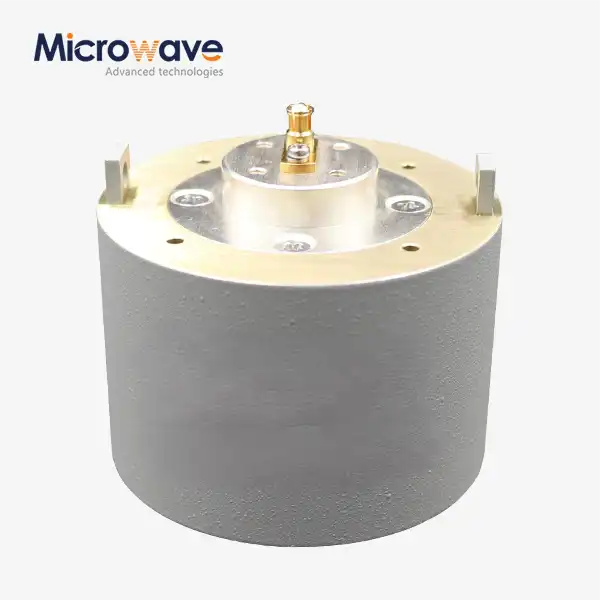 VIEW MOREPlanar Spiral Antenna
