





Why Slotted Waveguide Array Antenna Offers Superior Power Handling?
When radar systems fail during critical operations or satellite communications degrade under high-power transmission, the consequences can be catastrophic. The Slotted Waveguide Array Antenna solves these challenges by delivering exceptional power handling capabilities that exceed 100 watts while maintaining signal integrity. Unlike conventional antenna systems that struggle with thermal management and voltage breakdown under extreme conditions, this advanced technology leverages waveguide geometry and precision engineering to ensure consistent performance in defense, aerospace, and satellite communication applications where reliability is non-negotiable.
Understanding the Structural Advantages of Slotted Waveguide Array Antenna Design
The inherent design architecture of Slotted Waveguide Array Antenna systems establishes the foundation for their remarkable power handling performance. These antennas feature precisely machined slots cut into the broad or narrow walls of rectangular waveguides, creating an integrated feed structure that eliminates the need for external matching networks or baluns. This fundamental design principle reduces power losses significantly while providing superior mechanical stability compared to traditional antenna architectures. The waveguide structure itself acts as both the transmission medium and the radiating element, creating an elegant solution that maximizes efficiency while minimizing complexity. The waveguide's enclosed metallic structure provides exceptional electromagnetic shielding, preventing unwanted radiation leakage and maintaining signal purity even under high-power operating conditions. Advanced Microwave Technologies Co., Ltd manufactures Slotted Waveguide Array Antenna systems with meticulous attention to internal surface finishing, ensuring smooth current flow and minimizing ohmic losses. The absence of dielectric materials in the primary signal path eliminates a major source of power dissipation, allowing these antennas to handle significantly higher power levels than microstrip or printed circuit board-based alternatives. The robust construction using aluminum or stainless steel materials further enhances durability while providing excellent thermal conductivity for heat management.
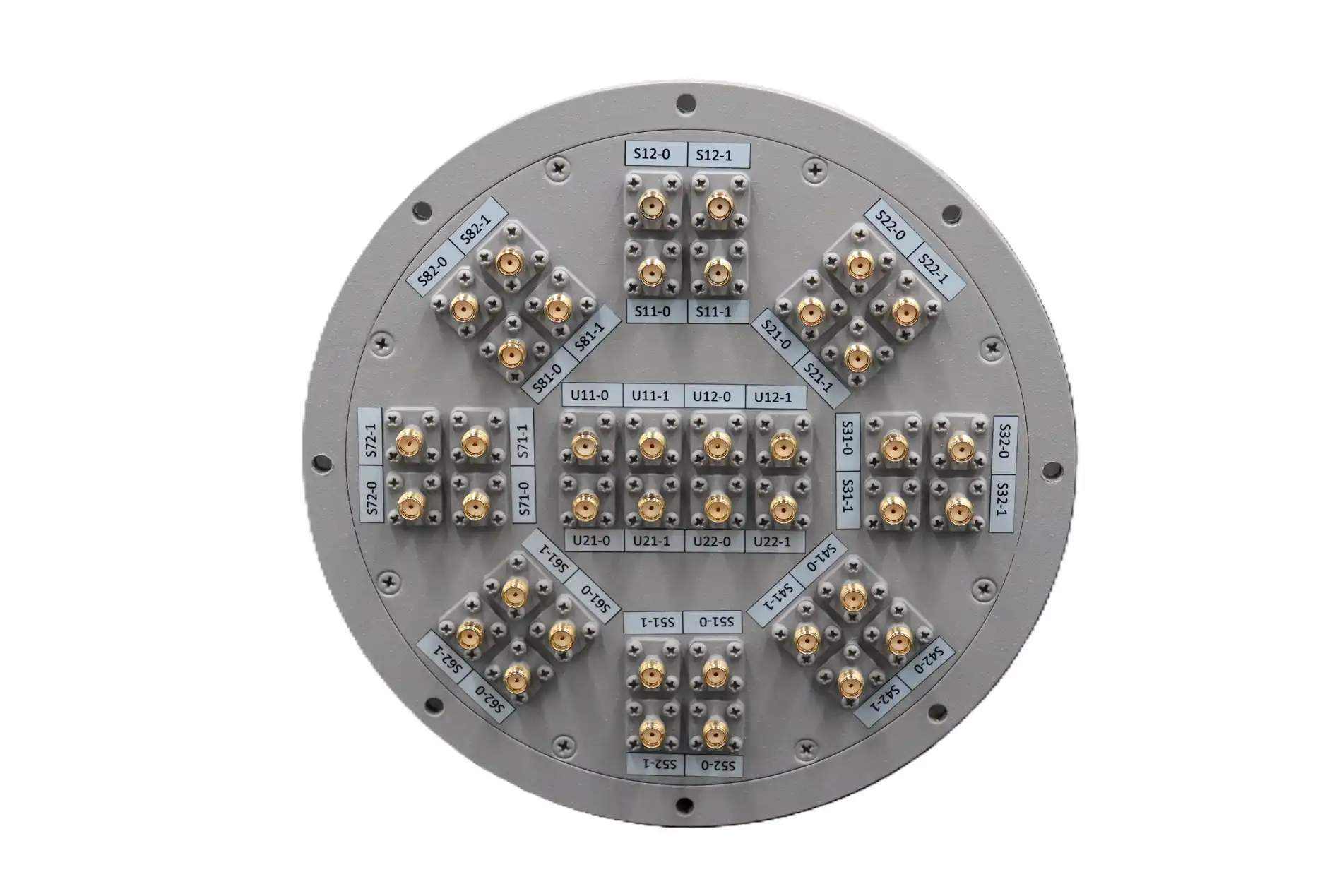
Precision Slot Geometry and Power Distribution
The geometric configuration of slots within a Slotted Waveguide Array Antenna directly influences power handling capacity and radiation efficiency. Each slot's dimensions, including length, width, and corner radius, must be calculated with precision to achieve optimal impedance matching across the operational frequency band. Advanced Microwave's engineering team employs sophisticated electromagnetic simulation tools to optimize slot parameters, ensuring uniform power distribution across the entire array structure. This careful design prevents localized hot spots that could lead to thermal failure or voltage breakdown during high-power transmission. The spacing between adjacent slots follows rigorous mathematical relationships that maintain constructive interference in the desired radiation direction while minimizing standing wave ratios within the waveguide. Modified Gaussian distributions and other advanced excitation techniques allow designers to control sidelobe levels while maximizing main beam directivity. For applications requiring power handling capabilities exceeding 100 watts, Advanced Microwave implements slots with rounded corners rather than sharp rectangular edges. This design modification significantly reduces electric field concentration at slot edges, preventing corona discharge and breakdown phenomena that limit maximum power capacity in conventional designs.
Thermal Management Capabilities in High-Power Applications
Effective thermal management represents a critical factor in achieving superior power handling performance with Slotted Waveguide Array Antenna systems. The metallic waveguide structure provides inherent advantages for heat dissipation through high thermal conductivity pathways. When electromagnetic energy propagates through the waveguide and radiates through the slots, a portion converts to heat due to conductor losses and dielectric absorption. Advanced Microwave's designs incorporate thermal analysis during the development phase, utilizing finite element analysis to predict temperature distributions under various power loading scenarios and environmental conditions. The waveguide's substantial cross-sectional area relative to microstrip transmission lines creates larger surface areas for convective heat transfer to the surrounding environment. Material selection plays a crucial role in thermal performance, with aluminum alloys offering excellent thermal conductivity while maintaining lightweight characteristics essential for aerospace applications. For extreme power handling requirements, Advanced Microwave can integrate active cooling solutions including water-cooled waveguide sections or forced-air cooling systems that maintain optimal operating temperatures. The company's ISO 14001:2015 certification demonstrates commitment to environmental stewardship while developing high-performance thermal management solutions.
Material Selection for Enhanced Power Handling
The choice of materials for Slotted Waveguide Array Antenna construction directly impacts power handling capacity, thermal stability, and long-term reliability. Advanced Microwave Technologies Co., Ltd utilizes high-grade aluminum alloys and stainless steel for waveguide fabrication, selected for their superior electrical conductivity, thermal properties, and mechanical strength. Aluminum 6061-T6 provides an excellent balance of machinability, corrosion resistance, and thermal conductivity, making it ideal for most applications. For harsh environmental conditions or applications requiring extended operational lifetimes, stainless steel grades such as 316L offer enhanced corrosion resistance while maintaining acceptable electrical performance. Surface treatment and plating processes further enhance power handling capabilities. Silver plating reduces surface resistance, minimizing ohmic losses and improving overall antenna efficiency. The plating thickness must be carefully controlled to exceed several skin depths at the operating frequency, ensuring optimal current distribution across the waveguide's internal surfaces. Advanced Microwave's manufacturing processes include rigorous quality control procedures that verify surface finish specifications, with roughness values maintained well below critical thresholds that could increase losses or create voltage breakdown sites. The company's ISO 9001:2015 certification ensures consistent adherence to these stringent quality standards throughout production.
Electromagnetic Field Distribution and Voltage Breakdown Prevention
The electromagnetic field distribution within a Slotted Waveguide Array Antenna fundamentally determines its power handling limitations. Voltage breakdown occurs when electric field intensity exceeds the breakdown strength of air or other materials present in the antenna structure. In rectangular waveguides, the dominant TE10 mode exhibits maximum electric field intensity at the center of the broad wall, making this region most susceptible to breakdown phenomena. Advanced Microwave's design methodology carefully analyzes field distributions using full-wave electromagnetic simulation, identifying potential breakdown sites before physical prototyping. Slot design parameters significantly influence local field enhancement factors that affect breakdown thresholds. Sharp corners and edges concentrate electric fields, creating regions where breakdown may initiate at power levels below the nominal design capacity. By implementing rounded slot corners and optimizing edge geometry, Advanced Microwave reduces field enhancement factors by factors of two or more compared to conventional rectangular slots. For applications requiring power handling exceeding standard atmospheric pressure limits, the company can design pressurized antenna systems where increased air density raises breakdown thresholds proportionally. This approach enables power handling capabilities exceeding 100 watts while maintaining compact antenna dimensions suitable for aerospace and satellite communication platforms.
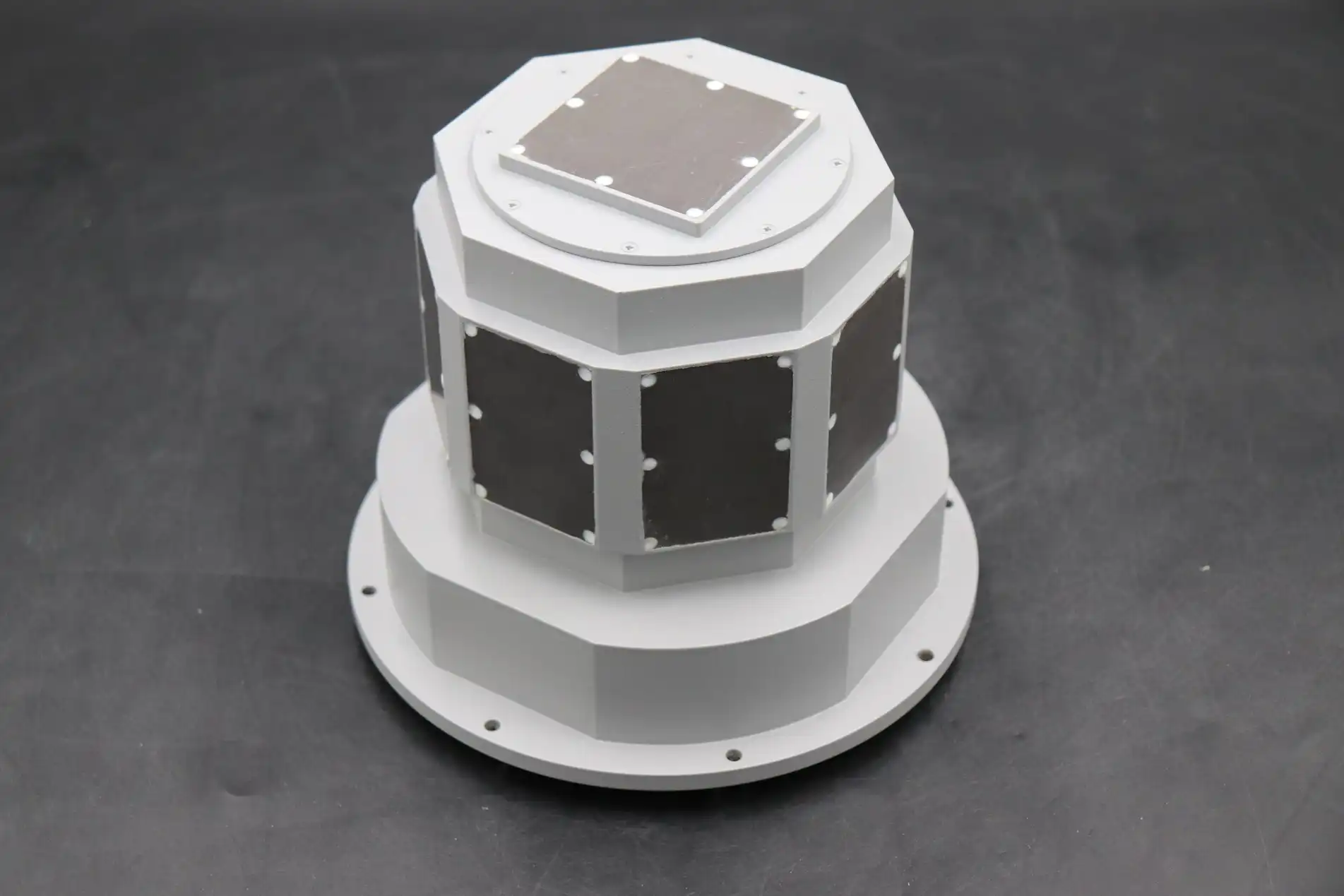
Frequency Range Considerations for Power Handling
The operational frequency range of a Slotted Waveguide Array Antenna significantly affects power handling capacity through multiple physical mechanisms. At lower frequencies in the 2-8 GHz range, larger waveguide cross-sections accommodate higher power levels before reaching voltage breakdown thresholds. The waveguide's cutoff frequency must be carefully selected to ensure single-mode operation across the desired bandwidth, preventing higher-order mode excitation that could create unexpected field distributions and reduce power handling margins. Advanced Microwave's extensive experience with frequencies from 2 GHz to 110 GHz enables expert guidance in selecting optimal waveguide dimensions for specific power requirements. As operating frequency increases into millimeter-wave bands, waveguide dimensions scale proportionally smaller, reducing cross-sectional area and potentially limiting maximum power handling. However, many high-frequency applications such as satellite communication and advanced radar systems operate at modest power levels where Slotted Waveguide Array Antenna technology provides ample capacity. The superior efficiency of waveguide-based designs compared to alternatives becomes increasingly important at higher frequencies where transmission line losses escalate rapidly. Advanced Microwave's state-of-the-art 24-meter microwave darkroom facilitates comprehensive testing across the full frequency spectrum from 0.5 to 110 GHz, validating power handling performance and radiation characteristics under realistic operating conditions.
Advanced Manufacturing Techniques for High-Power Antenna Systems
Manufacturing precision directly influences the power handling performance and reliability of Slotted Waveguide Array Antenna systems. Advanced Microwave Technologies Co., Ltd employs computer-numerically-controlled milling and electrical discharge machining processes that achieve tolerances within micrometers, ensuring precise slot dimensions and positions critical for optimal electromagnetic performance. Waveguide wall thickness must be sufficient to prevent mechanical deformation under pressure differentials and thermal expansion while minimizing overall antenna weight for aerospace applications. The company's manufacturing capabilities include integrated quality assurance procedures with coordinate measuring machine verification of critical dimensions. Joining techniques for multi-section waveguide assemblies require special attention to maintain electrical continuity and pressure integrity. Advanced Microwave utilizes precision brazing, electron beam welding, or high-performance gasket designs depending on specific application requirements and power levels. Each junction must present negligible electrical discontinuity to prevent standing wave reflections that reduce efficiency and create localized heating. Surface preparation before joining ensures oxide-free mating surfaces with intimate metal-to-metal contact. The company's ISO 45001:2018 certification reflects commitment to workplace safety during these critical manufacturing operations involving high-temperature processes and precision machinery.
Testing and Validation of Power Handling Capabilities
Comprehensive testing protocols verify Slotted Waveguide Array Antenna power handling capabilities under realistic operational conditions. Advanced Microwave's testing facilities include high-power RF sources capable of generating test signals exceeding specified maximum power levels with appropriate safety margins. Thermal imaging cameras monitor temperature distributions across the antenna structure during high-power testing, identifying hot spots or unexpected thermal gradients that might indicate design deficiencies. The company's Antenna Plane Near and Far Field Measuring Recombination Chamber enables simultaneous characterization of radiation patterns and reflection coefficients while operating at full power levels. Accelerated life testing subjects antenna prototypes to prolonged high-power operation under temperature cycling and humidity exposure, simulating years of field service in compressed timeframes. These tests validate long-term reliability and identify potential failure mechanisms before production deployment. Advanced Microwave's laboratories, equipped with measurement capabilities extending to 110 GHz, provide complete characterization of antenna performance including gain, sidelobe levels, cross-polarization, and impedance matching across operational bandwidths. The extensive testing infrastructure supports both standard product validation and custom development programs for specialized applications requiring unique power handling specifications.
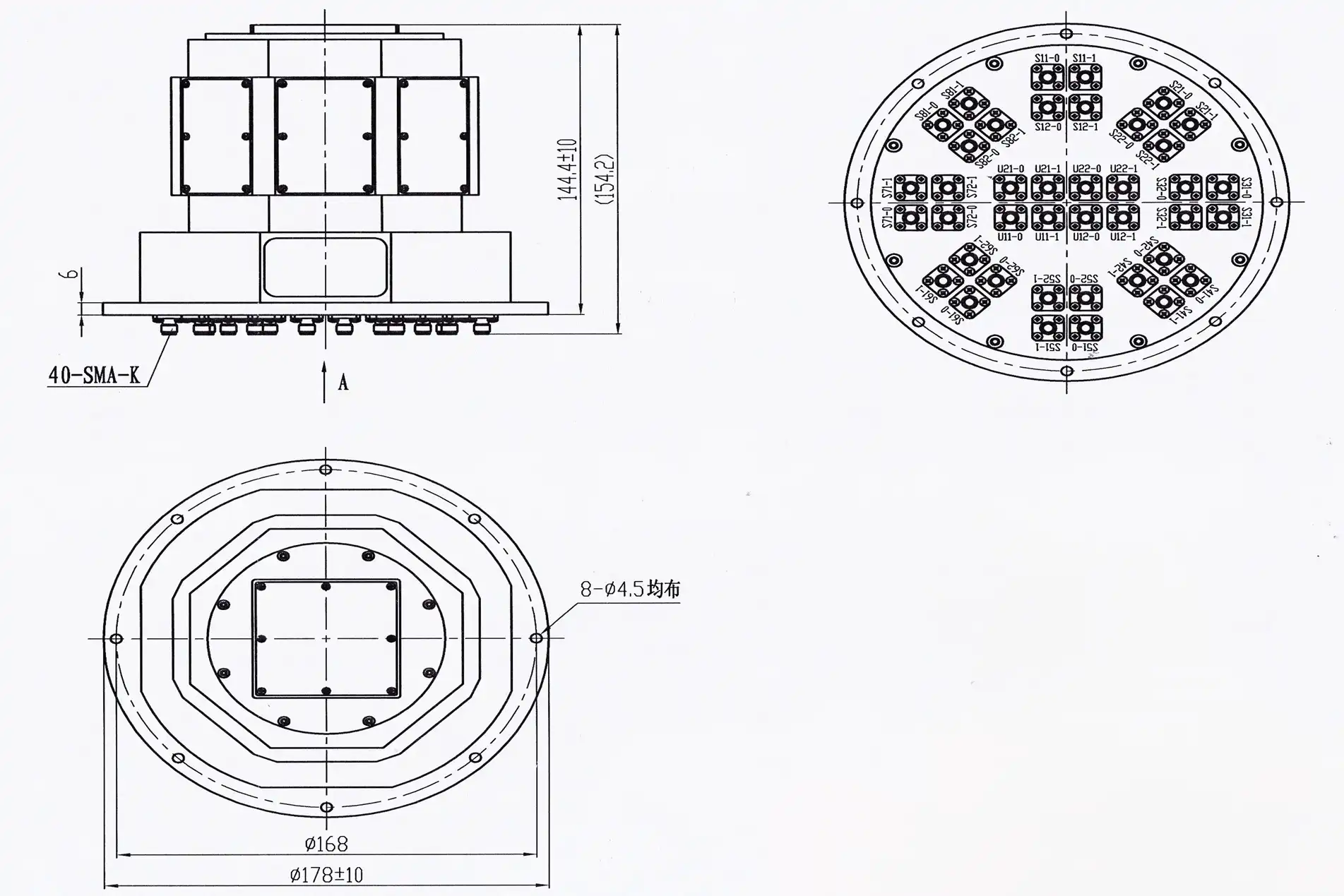
Real-World Applications Demanding Superior Power Handling
The exceptional power handling capabilities of Slotted Waveguide Array Antenna technology enable critical applications across defense, aerospace, and satellite communication sectors. Military surveillance radar systems require high radiated power for long-range detection of small or stealthy targets, with peak power levels often exceeding hundreds of watts during transmission pulses. Advanced Microwave's antenna designs withstand these demanding operating conditions while maintaining precise beam pointing and low sidelobe characteristics essential for target discrimination. The robust mechanical construction ensures reliable operation despite vibration, shock, and extreme temperature variations encountered in mobile military platforms. Satellite ground station applications demand both high power handling for uplink transmission and excellent thermal stability to maintain pointing accuracy toward orbiting satellites. Advanced Microwave Technologies Co., Ltd provides customized Slotted Waveguide Array Antenna solutions optimized for specific satellite communication bands including X-band, Ku-band, and Ka-band frequencies. The company's feed network design expertise ensures efficient power distribution across large aperture arrays while maintaining phase coherence required for high-gain performance. For air traffic control radar installations, reliable high-power operation throughout decades-long service lifetimes justifies the initial investment in premium waveguide array technology rather than less durable alternatives.
Conclusion
Slotted Waveguide Array Antenna technology achieves superior power handling through integrated waveguide design, optimized thermal management, precise manufacturing, and advanced materials engineering, making these systems indispensable for demanding aerospace, defense, and satellite communication applications requiring reliable high-power performance.
Cooperate with Advanced Microwave Technologies Co., Ltd.
As a leading China Slotted Waveguide Array Antenna manufacturer and China Slotted Waveguide Array Antenna supplier, Advanced Microwave Technologies Co., Ltd offers High Quality Slotted Waveguide Array Antenna solutions with competitive Slotted Waveguide Array Antenna price structures. Our China Slotted Waveguide Array Antenna factory provides Slotted Waveguide Array Antenna for sale with comprehensive customization through our OEM services, supporting frequency ranges from 2 GHz to 110 GHz with power handling up to 100 watts. Our China Slotted Waveguide Array Antenna wholesale programs deliver exceptional value backed by ISO certifications, advanced testing facilities including our 24-meter microwave darkroom, and expert technical support from experienced engineers. Contact craig@admicrowave.com today to discuss your specific requirements and receive a detailed quotation for custom antenna solutions.
References
1. Josefsson, Lars and Persson, Patrik. "Slotted Waveguide Array Antennas: Theory, Analysis and Design." Institution of Engineering and Technology, 2018.
2. El Misilmani, Hassan M. and Al-Husseini, Mohammed. "Design Procedure for Planar Slotted Waveguide Antenna Arrays with Controllable Sidelobe Level Ratio for High Power Microwave Applications." Engineering Reports, 2020.
3. Elliott, Robert S. "Antenna Theory and Design." IEEE Press Series on Electromagnetic Wave Theory, Revised Edition, 2003.
4. Kumar, Anil and Sharma, Shailendra. "High-Power Slotted Waveguide Antenna System Design for S-Band Radar Applications." Progress in Electromagnetics Research, 2019.
5. Zhang, Xiaotian and Chen, Wei. "Advanced Thermal Management Techniques for High-Power Microwave Antenna Systems." IEEE Transactions on Antennas and Propagation, 2023.
YOU MAY LIKE
 VIEW MORELog Periodic Antenna
 VIEW MORESlotted Waveguide Array Antenna
 VIEW MOREOpen Boundary Dual Linear Polarization Four Ridged Horn Antenna
 VIEW MOREConical Circular Polarization Horn Antenna
 VIEW MOREConical Dual circular Polarization Horn Antenna
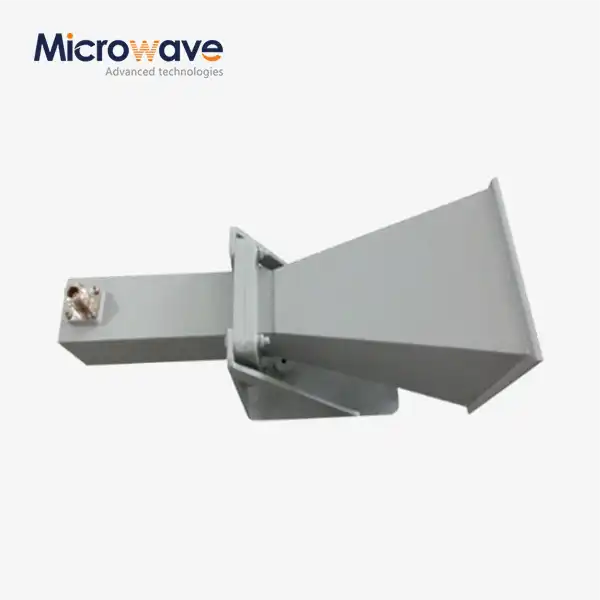 VIEW MORELadder Membrane Square Dual Circular Polarization Horn Antenna
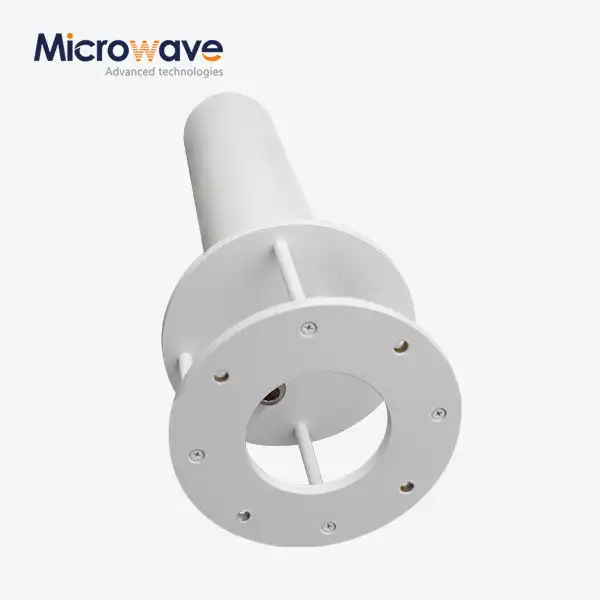 VIEW MOREQuadrifilar Helix Antenna
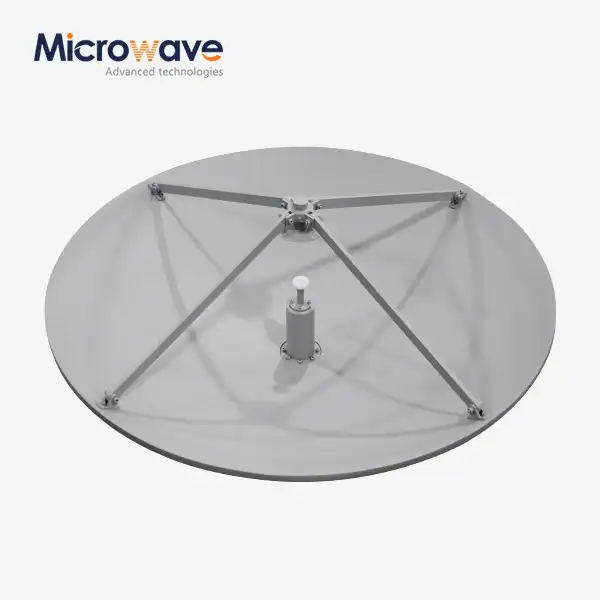 VIEW MORECassegrain Antenna