





BLOG

What Is a Crossguide Directional Coupler Used For?
July 22, 2025
In the intricate world of microwave and RF engineering, the Crossguide Directional Coupler stands as a fundamental component that enables precise power division, signal monitoring, and system optimization across diverse applications. This sophisticated device serves as a critical interface in modern communication systems, providing engineers with the ability to extract sample signals for measurement while maintaining minimal interference to the main transmission path. Understanding the multifaceted applications and technical capabilities of crossguide directional couplers is essential for professionals working in satellite communications, radar systems, aerospace technology, and advanced telecommunications infrastructure. A Crossguide Directional Coupler is primarily used for power division, signal monitoring, and impedance matching in high-frequency microwave systems. This versatile component operates by electromagnetically coupling a portion of the transmitted signal to a secondary port while maintaining excellent isolation between input and output channels. The crossguide coupler configuration offers superior performance characteristics, including low insertion loss, high directivity, and broad frequency coverage ranging from 1 GHz to 40 GHz. These devices are extensively utilized in satellite ground stations for signal analysis, radar systems for power splitting, telecommunications networks for signal distribution, and aerospace applications where reliable RF performance is paramount to mission success.
Need Ultra-Low Loss Coaxial Bandpass Filter for Base Stations?
July 22, 2025
In today's rapidly evolving telecommunications landscape, base station performance directly impacts network reliability, signal quality, and overall user experience. The increasing demand for high-speed data transmission, coupled with the deployment of 5G networks and future 6G technologies, has created an urgent need for advanced filtering solutions that can handle complex frequency management while maintaining minimal signal degradation. Ultra-low loss coaxial bandpass filters have emerged as critical components in modern base station infrastructure, offering superior performance characteristics that enable efficient spectrum utilization and enhanced signal integrity. The Coaxial Bandpass Filter represents a breakthrough in microwave technology, providing telecommunications operators with the precision and reliability necessary to meet today's stringent performance requirements while preparing for tomorrow's technological advancements.
Can a Double-Ridged Waveguide Magic Tee Enhance EMC Testing Accuracy?
July 21, 2025
Electromagnetic Compatibility (EMC) testing has become increasingly critical in today's electronic landscape, where devices must coexist without interference. The answer to whether a Double-Ridged Waveguide Magic Tee can enhance EMC testing accuracy is a resounding yes. This sophisticated microwave component offers unparalleled signal splitting and combining capabilities that directly impact measurement precision. Advanced Microwave Technologies Co., Ltd.'s Double-Ridged Waveguide Magic Tee delivers superior performance through its dual-ridge structure, providing enhanced power handling and stability across frequencies from 2 GHz to 110 GHz. With insertion loss ≤ 0.3 dB and isolation ≥ 30 dB, this component ensures minimal signal degradation while maintaining excellent port isolation, making it an indispensable tool for achieving accurate EMC test results in modern testing environments.
3 Reasons OEMs Prefer Custom Double Ridged Calibration Kits
July 21, 2025
In the demanding world of precision microwave measurements, Original Equipment Manufacturers (OEMs) consistently choose custom Double Ridged Waveguide Calibration Kits over off-the-shelf alternatives. These specialized calibration solutions offer unique advantages that directly impact measurement accuracy, system reliability, and operational efficiency. Unlike traditional rectangular waveguide calibration kits, Double Ridged Waveguide Calibration Kits provide superior performance characteristics that make them indispensable for applications requiring exceptional precision and wide frequency coverage. This comprehensive analysis explores three compelling reasons why OEMs across telecommunications, aerospace, defense, and research industries prioritize custom Double Ridged Waveguide Calibration Kits for their most critical measurement applications.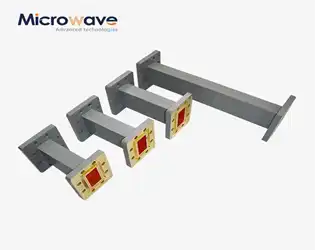
Top 5 Applications for Rectangular Straight Waveguide in 2025
July 21, 2025
In the rapidly evolving landscape of microwave technology, rectangular straight waveguides continue to serve as the backbone of numerous critical applications across diverse industries. As we advance through 2025, these precision-engineered components have become increasingly essential for high-frequency signal transmission, offering unparalleled performance in applications ranging from satellite communications to advanced radar systems. The growing demand for higher bandwidth, improved signal integrity, and enhanced system reliability has positioned rectangular straight waveguides as indispensable components in modern microwave systems. This comprehensive analysis explores the five most significant applications driving the rectangular straight waveguide market in 2025, examining how these versatile components are shaping the future of wireless communication, defense systems, and emerging technologies.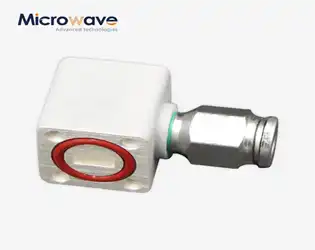
How Inflatable Straight Waveguides Simplify Complex Installations?
July 21, 2025
Complex microwave installations have traditionally posed significant challenges in terms of space constraints, weight limitations, and installation complexity. The Inflatable Straight Waveguide emerges as a revolutionary solution that transforms how engineers approach these demanding applications. This innovative technology combines the precision of conventional waveguides with the flexibility and adaptability of inflatable structures, creating a paradigm shift in microwave system design. By incorporating inflatable mechanisms into straight waveguide configurations, engineers can now achieve superior performance while dramatically reducing installation complexity, weight, and space requirements. This advancement is particularly crucial in satellite communications, aerospace applications, and defense systems where traditional rigid waveguides create substantial logistical and operational challenges that can compromise overall system performance.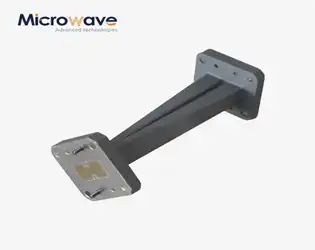
Top 5 Uses for Double Ridge Twist Waveguide in RF Systems
July 21, 2025
In the rapidly evolving landscape of RF and microwave technology, Double Ridge Twist Waveguide components have emerged as indispensable solutions for complex signal transmission challenges. These precision-engineered components address critical needs in modern communication systems, from satellite networks to defense applications. The unique design characteristics of Double Ridge Twist Waveguide enable efficient signal routing while maintaining polarization control across wide frequency ranges. As industries demand higher performance and more compact designs, understanding the primary applications of these specialized waveguides becomes essential for engineers and system designers. This comprehensive analysis explores the five most significant uses for Double Ridge Twist Waveguide in contemporary RF systems, highlighting their technical advantages and real-world implementations.
What Makes a Coaxial Power Divider More Reliable for RF Systems?
July 21, 2025
In the demanding world of RF systems, signal integrity and reliability are paramount considerations that directly impact system performance and operational efficiency. A Coaxial Power Divider serves as a critical component in these systems, functioning as the backbone for signal distribution across multiple output ports while maintaining minimal signal degradation. The reliability of these devices stems from their robust construction, precise engineering standards, and advanced material selection that ensures consistent performance even under harsh operating conditions. Modern RF applications, from satellite communications to radar systems, require power dividers that can handle high frequencies, maintain low insertion loss, and provide superior isolation between ports to prevent signal interference and crosstalk.
