





BLOG
How Can Waveguide Termination Enhance Signal Quality and System Performance?
July 18, 2025
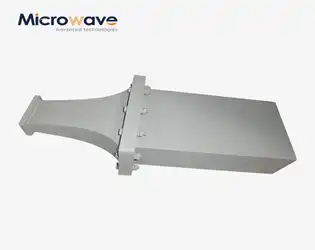
In the rapidly evolving landscape of microwave technology, signal integrity remains paramount for optimal system performance across diverse applications ranging from satellite communications to defense radar systems. Waveguide termination stands as a critical component that directly influences the quality of electromagnetic signal transmission and reception within microwave systems. This sophisticated technology addresses fundamental challenges related to signal reflection, power dissipation, and electromagnetic interference that can severely compromise system efficiency. Understanding how waveguide termination enhances signal quality and system performance requires examining its role in minimizing unwanted reflections, managing power distribution, and ensuring consistent operational reliability across various frequency ranges. The strategic implementation of high-quality waveguide termination solutions can transform system performance metrics, delivering measurable improvements in signal clarity, power efficiency, and overall operational stability that are essential for mission-critical applications in today's demanding electromagnetic environment.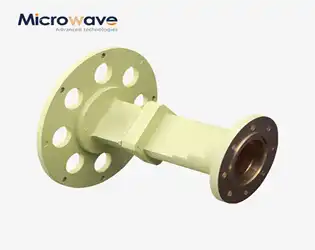
How Does a Circular Waveguide Transition Improve Satellite Communication Efficiency?
July 18, 2025
In the rapidly evolving landscape of satellite communications, the quest for enhanced efficiency and signal integrity has led to significant technological advances. One of the most critical components driving these improvements is the Circular Waveguide Transition, a sophisticated microwave component that plays a pivotal role in optimizing satellite communication systems. This advanced technology ensures seamless signal transmission between different waveguide geometries, dramatically reducing signal loss and improving overall system performance. As satellite networks expand globally to meet increasing demands for high-speed data transmission, understanding how Circular Waveguide Transitions contribute to communication efficiency becomes essential for engineers and system designers working in aerospace, defense, and telecommunications sectors. The implementation of Circular Waveguide Transitions in satellite communication systems addresses fundamental challenges related to signal propagation, mode conversion, and impedance matching. These components facilitate the smooth transition of electromagnetic waves between circular and rectangular waveguide configurations, ensuring optimal signal integrity throughout the transmission path. By minimizing reflection losses and maintaining consistent impedance characteristics, Circular Waveguide Transitions enable satellite systems to achieve higher data throughput, improved signal-to-noise ratios, and enhanced operational reliability. This technological advancement is particularly crucial for modern satellite applications operating at millimeter-wave frequencies, where even minor signal degradation can significantly impact communication quality and system performance.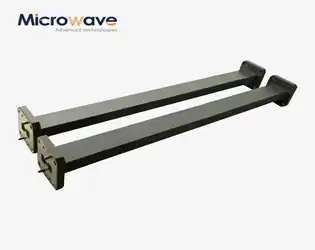
What Frequency Range Can the Double Ridge Straight Waveguide Support?
July 18, 2025
Understanding the frequency capabilities of microwave components is crucial for engineers and system designers working in high-frequency applications. The Double Ridge Straight Waveguide stands as one of the most versatile and reliable solutions for broadband microwave transmission, offering exceptional performance across an extensive frequency spectrum. This comprehensive guide explores the frequency range capabilities of Double Ridge Straight Waveguides, examining their technical specifications, applications, and advantages in modern microwave systems. Advanced Microwave Technologies Co., Ltd. has been at the forefront of waveguide technology for over two decades, developing cutting-edge solutions that meet the demanding requirements of satellite communication, radar systems, and defense applications. The Double Ridge Straight Waveguide supports an impressive frequency range from 2 GHz to 110 GHz, making it one of the most versatile microwave transmission components available in today's market. This extensive frequency coverage spans multiple microwave bands, including S-band, C-band, X-band, Ku-band, K-band, Ka-band, and extends well into the millimeter-wave spectrum. The unique double-ridge design enhances bandwidth capabilities while maintaining low transmission loss characteristics, ensuring efficient signal propagation across this broad frequency range. Advanced Microwave Technologies Co., Ltd. manufactures these waveguides with precision engineering, utilizing high-quality materials such as aluminum and brass to guarantee optimal performance and durability in challenging operating environments.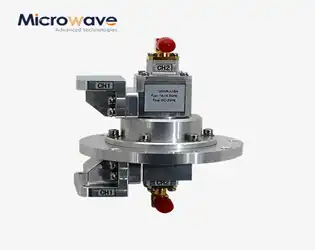
What Makes the Waveguide Dual-Channel Rotary Joint a Top Choice for Antenna System Integration?
July 18, 2025
In the rapidly evolving landscape of modern microwave technology, the Waveguide Dual-Channel Rotary Joint has emerged as a cornerstone component for sophisticated antenna system integration. This precision-engineered device addresses the critical challenge of maintaining seamless signal transmission between stationary and rotating antenna structures, making it indispensable for applications ranging from satellite communications to advanced radar systems. The unique capability to transfer microwave energy from fixed lines to rotating lines without compromising signal integrity positions this technology as a fundamental solution for engineers and system designers worldwide.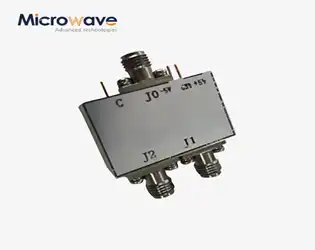
What Should You Look for When Choosing a High Power Coaxial Switch for Aerospace Use?
July 18, 2025
The aerospace industry demands uncompromising performance from every component, and high power coaxial switches represent critical elements in modern aircraft systems. When selecting a High Power Coaxial Switch for aerospace applications, engineers must consider numerous factors that directly impact system reliability, operational safety, and mission success. These sophisticated switching devices serve as the backbone of communication systems, radar networks, and navigation equipment, where signal integrity and power handling capabilities can mean the difference between mission success and failure. Understanding the intricate requirements of aerospace environments—including extreme temperatures, vibration, electromagnetic interference, and stringent safety standards—is essential for making informed decisions. This comprehensive guide explores the key considerations that aerospace engineers and procurement specialists must evaluate when choosing high power coaxial switches for their critical applications.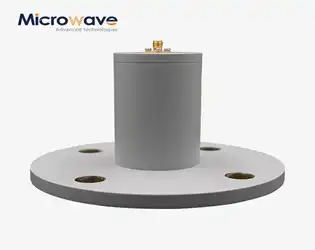
What Are the Key Benefits of Using a Circular Waveguide To Coaxial Adapter in Radar Technology?
July 18, 2025
In modern radar systems, the efficient transmission of microwave signals is paramount for accurate detection, tracking, and ranging capabilities. The Circular Waveguide To Coaxial Adapter serves as a critical component that bridges the gap between high-performance waveguide systems and versatile coaxial transmission lines. These adapters provide seamless signal transition while maintaining exceptional performance characteristics essential for radar applications. The key benefits include superior power handling capabilities, minimal signal loss, enhanced system compatibility, and robust construction suitable for demanding operational environments. Advanced Microwave Technologies Co., Ltd manufactures Circular Waveguide To Coaxial Adapters that deliver exceptional VSWR performance with maximum values as low as 1.15:1, ensuring optimal signal integrity in radar systems.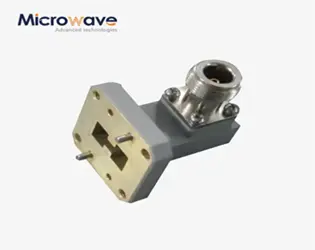
What Makes the Double Ridged Waveguide To Coaxial Adapter Stand Out in Microwave Systems?
July 17, 2025
In the rapidly evolving landscape of microwave technology, the Double Ridged Waveguide To Coaxial Adapter has emerged as a critical component that bridges the gap between traditional waveguide systems and modern coaxial cable networks. This sophisticated adapter stands out due to its exceptional wide-band frequency coverage, minimal signal loss characteristics, and robust engineering design that ensures reliable performance across demanding applications. The Double Ridged Waveguide To Coaxial Adapter distinguishes itself through its ability to maintain signal integrity while providing seamless transitions between different transmission media, making it indispensable for satellite communications, aerospace radar systems, and high-frequency research applications where precision and reliability are paramount.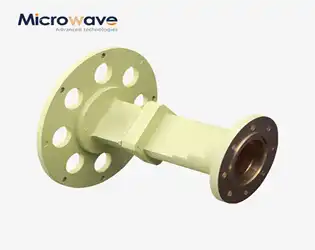
What Are the Advantages of Using Circular Waveguide Transitions in Aerospace Applications?
July 17, 2025
In the demanding world of aerospace engineering, signal integrity and transmission efficiency are paramount to mission success. Circular waveguide transitions represent a critical advancement in microwave technology, offering unparalleled advantages for aerospace applications ranging from satellite communications to advanced radar systems. These precision-engineered components facilitate seamless signal transfer between different waveguide geometries while maintaining exceptional performance characteristics essential for aerospace operations. The unique properties of circular waveguide transitions make them indispensable in environments where reliability, efficiency, and performance cannot be compromised, establishing them as the preferred choice for aerospace engineers worldwide.