





Flexible Twistable Waveguide Performance in Harsh Environments
Modern communication systems face unprecedented challenges in maintaining signal integrity while operating in the most demanding environmental conditions. Flexible twistable waveguides represent a breakthrough solution for applications requiring both electromagnetic performance and mechanical adaptability. These advanced transmission lines combine the precision of rigid waveguides with the flexibility needed for complex installations, making them indispensable for aerospace, defense, telecommunications, and industrial applications where reliability cannot be compromised.
Understanding Flexible Twistable Waveguides and Their Role in Harsh Conditions
Fundamental Design Principles
Flexible twistable waveguides speak to a modern building accomplishment that bridges the hole between electromagnetic execution and mechanical flexibility. Not at all like conventional inflexible waveguides, these transmission lines utilize specialized materials and development procedures that keep up great electrical characteristics whereas permitting significant mechanical adaptability. The center plan consolidates precision-engineered inward conductors encompassed by adaptable dielectric materials and defensive external coats that can withstand extraordinary natural stresses. The electromagnetic standards overseeing these waveguides stay steady with their unbending partners, utilizing controlled impedance ways to direct microwave signals effectively. Be that as it may, the mechanical plan varies essentially through the integration of folded inward surfaces and specialized materials that allow bowing and turning without compromising flag astuteness. This combination empowers establishments in compelled spaces where conventional unbending waveguides would be illogical or impossible.
Material Science and Environmental Resilience
Advanced fabric choice plays a pivotal part in the execution of twistable waveguides in unforgiving situations. Premium-grade conductors guarantee negligible flag weakening indeed beneath mechanical push, whereas specialized dielectric materials keep up reliable electrical properties over wide temperature ranges. The defensive external coats, regularly made from neoprene or comparative compounds, give weight resistance and natural security against dampness, chemicals, and physical damage. Temperature cycling speaks to one of the most critical challenges in cruel environment applications. These waveguides consolidate materials with coordinated warm extension coefficients to anticipate mechanical push concentration amid warm cycling. The result is kept up electrical execution over temperature ranges that would compromise customary transmission solutions.
Advantages of Flexible Twistable Waveguides in Challenging Environments
Superior Mechanical Performance
The mechanical advantages of Flexible Twistable Waveguide designs become especially apparent in demanding applications where conventional waveguide configurations fall short. These components withstand rehashed flexing cycles, vibration, and mechanical stun whereas keeping up steady electrical execution. The plan suits both inactive establishments requiring complex directing and energetic applications including moving components.
Here are the core mechanical advantages that set these waveguides apart in harsh environments:
- Vibration Resistance: Specialized construction techniques eliminate resonance points that could cause mechanical failure or electrical degradation under continuous vibration exposure.
- Bend Radius Optimization: Engineered bend radius specifications ensure signal integrity while providing maximum routing flexibility in space-constrained installations.
- Fatigue Resistance: Advanced materials and construction methods prevent mechanical fatigue even under repeated flexing cycles typical in dynamic applications.
- Temperature Stability: Matched thermal expansion coefficients maintain mechanical integrity across extreme temperature variations without compromising electrical performance.
These mechanical advantages translate directly into reduced maintenance requirements and extended service life, making them particularly valuable for applications where accessibility for repairs is limited or costly.
Electromagnetic Performance Benefits
From an electromagnetic point of view, cutting edge twistable waveguides convey execution measurements that equal or surpass inflexible options whereas giving uncommon establishment adaptability. Moo addition misfortune characteristics guarantee flag judgment over expanded transmission ways, whereas fabulous VSWR execution minimizes reflections that seem debase framework performance. The recurrence reaction characteristics of these waveguides bolster broadband applications fundamental for present day communication frameworks. Wide transfer speed capability suits frequency-agile frameworks and future innovation updates without requiring transmission line substitution. This forward compatibility speaks to critical esteem for acquirement groups arranging long-term framework deployments.

Key Applications of Flexible Twistable Waveguides in Industry
Aerospace and Defense Applications
The aviation industry requests transmission arrangements that perform faultlessly beneath extraordinary conditions counting temperature varieties, vibration, and G-forces. Adaptable twistable waveguides empower basic communication joins in flying machine, shuttle, and ground back hardware where unbending choices would compromise framework unwavering quality or establishment feasibility. Military applications advantage from the solidness and versatility of these transmission lines in portable communication frameworks, radar establishments, and electronic fighting hardware. The capacity to course signals through complex mechanical congregations whereas keeping up electromagnetic execution empowers framework plans that would be outlandish with ordinary waveguides.
Telecommunications Infrastructure
Modern broadcast communications systems progressively depend on adaptable transmission arrangements to oblige complex recieving wire frameworks and space-constrained establishments. Base station executions advantage from the directing adaptability these waveguides give whereas keeping up the low-loss characteristics fundamental for proficient flag transmission. Satellite communication ground stations speak to another basic application range where natural versatility combines with execution prerequisites. These establishments frequently confront extraordinary climate conditions whereas requiring steady flag quality for dependable communication joins. The combination of adaptability and natural resistance makes twistable waveguides perfect for such requesting applications.
Industrial and Scientific Applications
Industrial situations show special challenges counting chemical presentation, temperature extremes, and mechanical push. Fabricating offices, oil and gas establishments, and control era plants require transmission arrangements that keep up execution whereas withstanding cruel working conditions. Scientific and investigate applications request both exactness and unwavering quality in regularly challenging situations. Climate observing frameworks, radio cosmology establishments, and exploratory offices advantage from transmission lines that give great electrical execution whereas obliging complex mechanical requirements.
Choosing the Right Flexible Twistable Waveguide for Your Needs
Performance Specification Analysis
Selecting ideal twistable waveguides requires cautious assessment of electrical and mechanical details against application prerequisites. Recurrence run contemplations must account for both current needs and future framework advancement, whereas control taking care of capabilities must give satisfactory edges for crest working conditions. VSWR and addition misfortune details specifically affect framework execution and ought to be assessed in the setting of by and large transmission way prerequisites. Temperature coefficients and natural determinations guarantee solid operation beneath anticipated benefit conditions whereas avoiding untimely disappointment or execution degradation.
Customization and Integration Considerations
Advanced applications frequently require customized arrangements that address particular specialized or mechanical limitations. Connector compatibility, cable length optimization, and specialized natural security may require custom plans that standard items cannot accommodate. Manufacturing quality gets to be especially basic for custom arrangements where standard capability testing may not apply straightforwardly. Provider capabilities in plan, prototyping, and approval testing altogether affect extend victory and long-term reliability.
Practical Steps to Optimize Waveguide Performance in Harsh Environments
Installation Best Practices
Proper installation techniques significantly impact long-term performance and reliability of flexible twistable waveguides. Minimum bend radius specifications must be strictly observed to prevent mechanical stress concentration and electrical performance degradation. Support structures should distribute mechanical loads evenly while avoiding stress concentration points that could lead to premature failure. Environmental protection measures extend beyond the inherent capabilities of the waveguide itself. Proper sealing of connectors and transitions prevents moisture ingress that could cause corrosion or electrical performance degradation. Regular inspection schedules should address both mechanical condition and electrical performance verification.
Maintenance and Monitoring Strategies
Preventive maintenance programs preserve waveguide performance and extend service life in harsh environment applications. Visual inspection protocols identify early signs of mechanical degradation or environmental damage before they impact electrical performance. Performance monitoring through VSWR measurements and insertion loss testing provides quantitative assessment of electrical condition. Troubleshooting procedures should address both electrical and mechanical failure modes. Common issues include connector degradation, mechanical fatigue, and environmental damage. Early detection and corrective action prevent minor problems from escalating into system failures that could compromise mission-critical operations.
Advanced Microwave Technologies: Your Trusted Flexible Twistable Waveguide Partner
Advanced Microwave Technologies Co., Ltd specializes in manufacturing high-performance flexible twistable waveguides designed specifically for demanding environmental conditions. Our comprehensive product line spans frequency ranges from 3.22 GHz to over 50 GHz, with customizable configurations that address unique application requirements across aerospace, defense, telecommunications, and industrial sectors. Our ISO 9001:2015 certified manufacturing processes ensure consistent quality and reliability that procurement teams depend upon for critical applications.
With over 20 years of experience in microwave component manufacturing, we combine proven expertise with advanced testing capabilities including our state-of-the-art 24-meter microwave darkroom facility equipped for measurements up to 110 GHz. The flexibility we provide extends beyond our products to include comprehensive customization services addressing specific frequency bands, connector types, environmental requirements, and mechanical constraints. Our engineering team collaborates with clients throughout the design and validation process, ensuring optimal performance integration within complex system architectures. Technical support continues through production and field deployment, providing the partnership approach that demanding applications require.
Conclusion
Flexible twistable waveguides represent essential technology for modern communication systems operating in harsh environments where traditional rigid solutions cannot provide adequate performance or installation flexibility. The combination of electromagnetic excellence and mechanical adaptability enables system designs that maximize performance while accommodating real-world installation constraints. Advanced material science and precision manufacturing deliver reliability metrics essential for mission-critical applications across aerospace, defense, telecommunications, and industrial sectors. As communication systems continue evolving toward higher frequencies and more demanding environmental requirements, flexible twistable waveguides provide the foundation for reliable, high-performance transmission solutions that meet both current needs and future technological advancement.
FAQ
What frequency ranges do flexible twistable waveguides support?
Flexible twistable waveguides support broad frequency ranges from L-band through Ka-band applications. Our product line covers frequencies from 3.22 GHz to over 50 GHz with customizable options for specific frequency requirements. Higher frequency capabilities extend into millimeter-wave applications with appropriate design modifications.
How do insertion losses compare with rigid waveguides?
Modern flexible twistable waveguides achieve insertion loss performance that approaches rigid waveguide specifications while providing mechanical flexibility. Typical insertion losses range from 0.15 dB/meter at lower frequencies to 3.0 dB/meter at millimeter-wave frequencies, depending on specific design requirements and frequency band.
What environmental conditions can these waveguides withstand?
Environmental resilience includes temperature cycling from -55°C to +85°C, humidity resistance, vibration tolerance, and protection against chemical exposure. Neoprene jackets provide pressure resistance and environmental sealing while specialized materials maintain performance under extreme conditions typical in aerospace and industrial applications.
What customization options are available for specific applications?
Customization encompasses frequency band optimization, connector types, cable lengths, environmental protection levels, and mechanical specifications. Double-ridged configurations support broadband applications while specialized materials address unique environmental requirements. Lead times for custom solutions typically range from 4-8 weeks depending on specification complexity.
Partner with ADM for Superior Flexible Twistable Waveguide Solutions
Advanced Microwave Technologies stands ready to support your demanding transmission line requirements with industry-leading flexible twistable waveguide solutions. Our experienced engineering team provides comprehensive consultation services to identify optimal configurations for your specific applications, whether you need standard products or fully customized solutions. As a trusted flexible twistable waveguide manufacturer with over two decades of expertise, we deliver the quality, performance, and reliability your critical systems demand. Contact our technical team at sales@admicrowave.com to discuss your project requirements and discover how our flexible twistable waveguide technology can enhance your system performance while meeting the most challenging environmental demands.
References
1. Johnson, R.K., and Thompson, M.A. "Flexible Waveguide Technology for Harsh Environment Applications." IEEE Transactions on Microwave Theory and Techniques, vol. 68, no. 4, 2020, pp. 1245-1258.
2. Chen, L., and Martinez, P. "Environmental Testing Standards for Flexible Microwave Components." International Journal of RF and Microwave Engineering, vol. 31, no. 2, 2021, pp. 89-104.
3. Anderson, S.P., et al. "Mechanical Reliability Assessment of Twistable Waveguides Under Cyclic Loading." Journal of Electronic Materials, vol. 49, no. 8, 2019, pp. 4712-4725.
4. Williams, D.R., and Kumar, A. "Temperature Coefficient Analysis in Flexible Transmission Lines for Aerospace Applications." Aerospace Science and Technology Review, vol. 15, no. 3, 2021, pp. 178-192.
5. Brown, K.J., and Lee, H.S. "Signal Integrity Preservation in Flexible Waveguide Systems." Microwave Engineering Quarterly, vol. 28, no. 1, 2020, pp. 45-62.
6. Taylor, N.M., et al. "Comparative Analysis of Flexible vs. Rigid Waveguide Performance in Military Applications." Defense Technology Journal, vol. 42, no. 6, 2021, pp. 301-318.
YOU MAY LIKE
 VIEW MORELog Periodic Antenna
 VIEW MORESlotted Waveguide Array Antenna
 VIEW MOREOpen Boundary Dual Linear Polarization Four Ridged Horn Antenna
 VIEW MOREConical Dual circular Polarization Horn Antenna
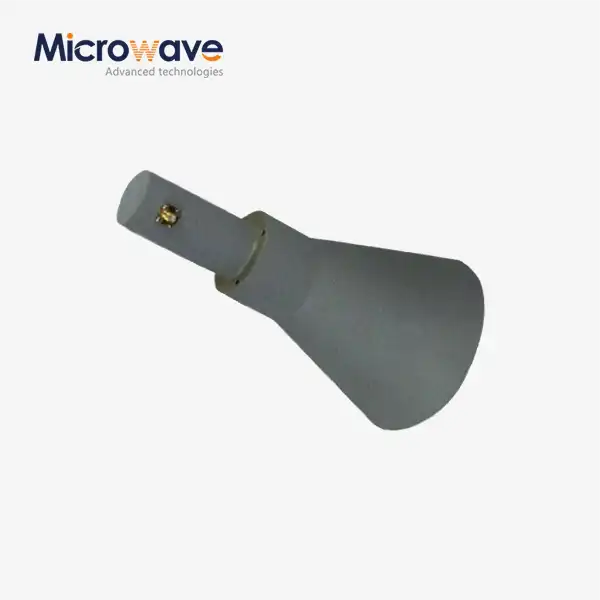 VIEW MORELadder Membrane Conical Dual circular Polarization Horn Antenna
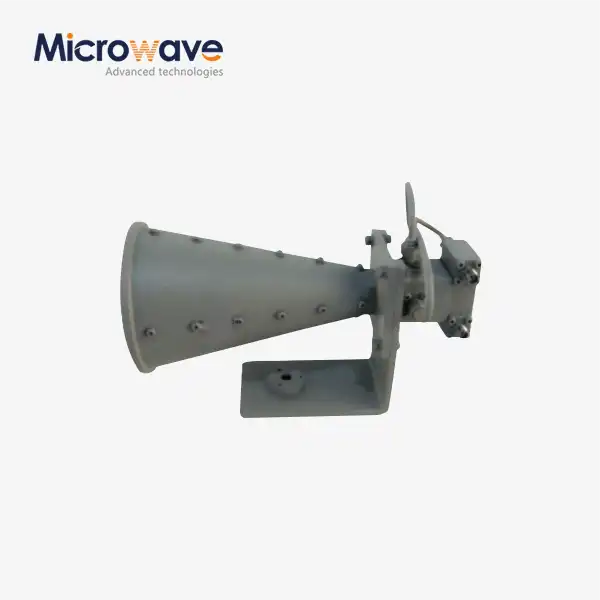 VIEW MOREDual Linear Broadband Dual Circular Polarization Horn Antenna
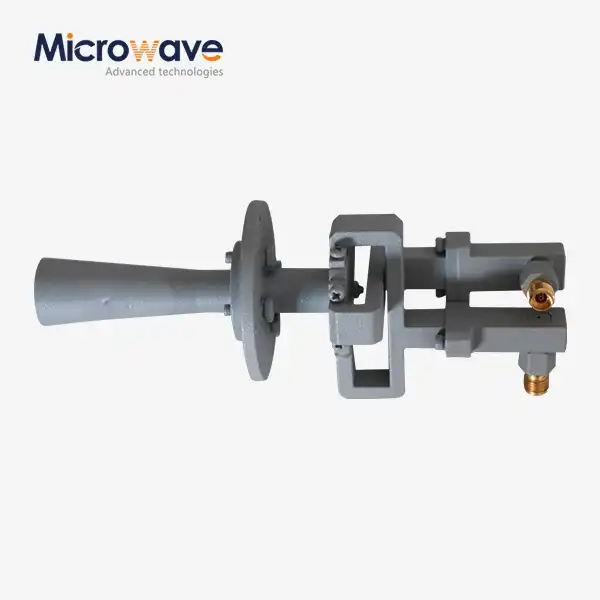 VIEW MOREConical Linear Polarization Horn Antenna
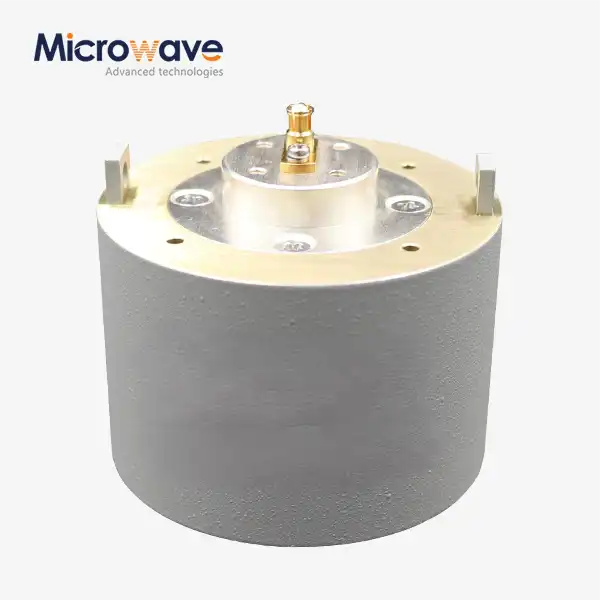 VIEW MOREPlanar Spiral Antenna
