





Why Choose Custom H-Plane Tee Components in 2026?
As microwave technology advances rapidly in 2026, custom H-Plane Tee components have become indispensable for achieving optimal signal distribution and system performance. The H-Plane Tee, with its junction positioned on the narrow wall of the main waveguide, offers unparalleled flexibility in signal splitting and combining applications. Unlike standardized components, custom solutions address specific frequency requirements, power handling capabilities, and environmental constraints that modern RF systems demand. The evolution of 5G networks, satellite communications, and defense technologies requires precision-engineered components that can adapt to unique system architectures while maintaining superior electrical performance and reliability standards.
Understanding Custom H-Plane Tee Components: Definition and Core Functions
The H-Plane Tee represents a crucial building block in waveguide technology, characterized by its side-arm junction positioned on the broad wall of the main waveguide. This configuration enables efficient power splitting or signal combining while maintaining excellent impedance matching characteristics across wide frequency ranges.
Signal Distribution Principles and Waveguide Theory
The operational theory of custom H-Plane Tee components focuses on electromagnetic wave propagation within rectangular waveguides. When signals enter the main port, they divide evenly between the two branch arms, producing a 3 dB power split with minimal phase difference. Advanced Microwave Innovations designs these components to operate over frequencies from 0.332 GHz to 6.0 GHz, ensuring compatibility with diverse system requirements. The electromagnetic field distribution within the H-plane configuration differs significantly from E-plane options. While E-plane components induce electric field division perpendicular to the broad wall, H-plane designs maintain magnetic field alignment parallel to the broad wall junction. This distinction becomes critical when engineers select components for specific polarization requirements or when minimizing cross-polarization in antenna systems.
Customization Benefits Over Standard Components
Custom H-Plane Tee configurations overcome limitations inherent in off-the-shelf products by optimizing electrical performance for specific applications. Standard components often compromise performance to meet broad market demands, resulting in problematic VSWR ratios or insertion loss figures for specialized frequency bands. The customization process allows precise control over key parameters. Engineers can specify exact frequency ranges, connector types, power handling capabilities, and mechanical dimensions. Advanced Microwave Innovations manufactures custom units with insertion loss as low as 1.25 dB while maintaining VSWR below 1.20, significantly outperforming generic alternatives. Material selection provides another customization advantage. While standard products typically use single-material construction, custom designs can incorporate aluminum for lightweight applications, copper for enhanced conductivity, or specialized platings such as gold for corrosion resistance. These options are critical for aerospace applications where weight limitations and environmental durability requirements intersect.
Key Advantages of Custom H-Plane Tee over Off-the-Shelf Components
Procurement experts increasingly recognize the strategic value of custom microwave components when evaluating long-term system performance and cost-effectiveness. The comparison between custom and standard configurations reveals significant differences in technical capabilities and operational benefits.
Performance Analysis Across Critical Parameters
The technical superiority of custom H-Plane Tee components becomes evident when examining key electrical characteristics. Standard components often exhibit insertion loss ranges of 2.5–3.0 dB, whereas custom designs achieve optimized performance below 2.0 dB across specified frequency ranges. This improvement translates directly to enhanced system efficiency and reduced power consumption requirements. VSWR performance demonstrates similar advantages. Off-the-shelf components typically show VSWR ratios of 1.5:1 or higher to accommodate manufacturing tolerances and wide frequency coverage. Custom configurations can achieve ratios below 1.20:1 through precise impedance matching tailored to specific operating frequencies. The resulting improvement reduces signal reflections and enhances overall system stability. Frequency response characteristics represent another area where customization provides measurable benefits. Standard components often exhibit ripple or variation across their rated bandwidth to meet broad market demands. Custom designs can flatten response curves within critical frequency ranges for specific applications, improving signal fidelity and reducing distortion.
Procurement Efficiency and Supply Chain Benefits
The procurement advantages of custom H-Plane Tee components extend beyond technical performance to include supply chain optimization and inventory management benefits. Custom configurations eliminate the need to maintain multiple stock-keeping units of standard components that may only partially meet system requirements. Reduced minimum order quantities represent a significant procurement benefit. While standard component suppliers often require large MOQs to achieve competitive pricing, manufacturers like Advanced Microwave Innovations offer flexible custom solutions with reasonable minimums. This approach lowers capital requirements and inventory carrying costs while ensuring component availability aligned with production schedules.
Lead time optimization becomes achievable through direct manufacturer relationships. Custom component providers often deliver shorter lead times than multi-tier distribution channels typical of standard products. Direct engagement with engineering teams also enables rapid design modifications and prototype validation, accelerating overall project timelines. Quality assurance represents another procurement advantage. Custom manufacturers implement rigorous testing protocols specific to component requirements, ensuring consistent performance across production batches. Advanced Microwave Technologies maintains ISO 9001:2008 certification and provides detailed test documentation for each custom component, supporting traceability requirements commonly found in aerospace and defense applications.
Procurement Insights: How to Source and Evaluate Custom H-Plane Tee Suppliers in 2026
The landscape of microwave component procurement has evolved significantly, with custom configurations becoming increasingly accessible to organizations of varying sizes. Understanding supplier evaluation criteria and market dynamics enables informed decision-making that balances performance requirements with cost considerations.

Supplier Evaluation Criteria and Market Analysis
Successful procurement of custom H-Plane Tee components requires thorough assessment of supplier capabilities across multiple dimensions. Technical expertise represents the foundational requirement, encompassing both design capabilities and manufacturing precision. Suppliers must demonstrate experience with specific frequency ranges, power handling requirements, and environmental considerations critical to system applications. Manufacturing facility evaluation is equally essential. Suppliers should maintain advanced measurement capabilities extending to millimeter-wave frequencies, comprehensive fabrication equipment, and quality control systems supporting aerospace-grade requirements. Advanced Microwave Innovations operates a 24-meter microwave darkroom with measurement capabilities up to 110 GHz, providing comprehensive verification of component performance across extended frequency ranges. Certification compliance constitutes another critical evaluation metric. Suppliers must maintain current ISO 9001 quality management certification, environmental compliance through ISO 14001, and safety standards via ISO 45001. RoHS compliance ensures environmental sustainability while facilitating global market access. These certifications reflect rigorous approaches to quality assurance and continuous improvement processes.
Technical Datasheet Interpretation and Component Selection
Effective procurement requires exhaustive understanding of technical specifications and their implications for system performance. Key parameters include frequency range, insertion loss, VSWR, power handling capability, and mechanical dimensions. However, understanding the measurement conditions and test methodologies underlying these specifications is equally important. Frequency range specifications should align closely with application requirements while considering potential future system modifications. Components rated for 0.332–6.0 GHz operation provide flexibility for multiple frequency band applications, whereas narrower ranges may offer optimized performance for specific applications. Insertion loss specifications demand careful analysis of measurement conditions and frequency response characteristics. Components exhibiting uniform insertion loss across broad frequency ranges may show higher losses at specific frequencies compared to designs optimized for narrower bands. Understanding these trade-offs enables proper component selection for particular applications. VSWR specifications require consideration of measurement conditions and performance criteria. Components with VSWR below 1.20 across specified frequency ranges provide excellent impedance matching, while higher ratios may be acceptable for non-critical applications where cost optimization takes precedence.
Technical Support, Installation, and Maintenance for Custom H-Plane Tees
Maximizing the operational reliability and performance of custom H-Plane Tee components requires comprehensive understanding of installation methods, system integration strategies, and maintenance protocols. Proper usage ensures components achieve specified performance levels throughout their operational lifecycle.
Installation Best Practices and System Integration
The installation process for custom H-Plane Tee components begins with careful mechanical alignment and secure flange connections. Waveguide systems demand precise alignment to prevent signal loss and ensure optimal impedance matching. Torque specifications for flange bolts must follow manufacturer recommendations to achieve proper gasket compression without inducing mechanical stress. Connector compatibility verification is essential before installation. Custom components often incorporate specific flange types optimized for particular applications, and ensuring proper mating with existing system components prevents installation delays and potential damage. Advanced Microwave Technologies provides detailed mechanical drawings and interface specifications supporting seamless system integration. Environmental considerations affect installation procedures and long-term reliability. Components designed for outdoor applications require weather sealing and corrosion protection measures, while indoor installations may emphasize compact mounting and accessibility for maintenance. Understanding environmental specifications ensures appropriate installation techniques and protection measures.
Troubleshooting and Performance Optimization
Common issues encountered with H-Plane Tee installations include elevated VSWR readings, insertion loss deviation, and mechanical alignment problems. Systematic troubleshooting approaches enable rapid identification and resolution of these challenges while minimizing system downtime. VSWR elevation often results from improper flange connections, contamination, or mechanical misalignment. Visual inspection of flange surfaces and gaskets can identify obvious contamination or damage, while careful re-torquing of connections may resolve alignment issues. Persistent VSWR problems may indicate component damage requiring replacement or factory evaluation. Insertion loss deviation beyond specified limits typically indicates signal leakage, internal contamination, or frequency response anomalies. Network analyzer measurements can isolate the source of excessive loss while enabling comparison with component specifications. Advanced Microwave Technologies provides comprehensive technical support for troubleshooting complex performance issues and optimizing system configurations. Calibration procedures for custom H-Plane Tee components involve reference measurements using precision test equipment and comparison with factory test data. Regular calibration verification ensures consistent performance and identifies potential degradation before it affects system operation. Documentation of calibration results supports quality assurance programs and regulatory compliance requirements.
Future Trends and Strategic Value of Custom H-Plane Tee Components in 2026 and Beyond
The microwave component industry continues evolving rapidly, driven by emerging technologies and changing application requirements. Understanding these trends enables strategic procurement decisions that position organizations for future growth while optimizing current system performance.
Technology Evolution and Market Dynamics
The proliferation of 5G networks creates unprecedented demand for high-frequency components capable of supporting millimeter-wave applications. Custom H-Plane Tee components designed for these frequencies must accommodate tighter tolerance requirements and enhanced power handling capabilities while maintaining compact form factors suitable for dense equipment installations.Internet of Things deployments drive demand for cost-effective components supporting diverse frequency bands and power levels. Custom solutions enable optimization for specific IoT applications while maintaining compatibility with evolving standards and protocols. The ability to modify designs rapidly becomes crucial as IoT technologies mature and requirements evolve.Defense and aerospace applications continue pushing performance boundaries through requirements for extended frequency ranges, enhanced environmental durability, and improved reliability. Custom H-Plane Tee components supporting these applications must incorporate advanced materials, specialized coatings, and rigorous testing protocols. The investment in custom solutions pays dividends through reduced system complexity and enhanced performance.
Strategic Procurement Recommendations
Successful procurement strategies balance immediate requirements with future technology evolution and market dynamics. Building relationships with capable custom component suppliers provides flexibility to adapt to changing requirements while maintaining consistent quality and delivery performance.Long-term supplier partnerships enable collaborative development of advanced components supporting future applications. These relationships provide access to emerging technologies and manufacturing techniques while ensuring priority access to production capacity during peak demand periods. Advanced Microwave Technologies maintains extensive research and development capabilities supporting customer-specific innovation projects.Cost optimization strategies should consider total cost of ownership rather than focusing exclusively on component pricing.
Custom solutions often provide superior performance and reliability compared to standard alternatives, resulting in reduced system complexity, lower maintenance requirements, and enhanced operational efficiency. These benefits typically outweigh modest premium pricing associated with custom development.Risk mitigation through supplier diversification must balance cost considerations with quality and capability requirements. Maintaining relationships with multiple qualified suppliers provides supply chain resilience while enabling competitive procurement when appropriate. However, custom component development often requires significant supplier investment, making long-term partnerships more practical than frequent supplier changes.
Conclusion
Custom H-Plane Tee components represent a strategic investment for organizations requiring optimal microwave system performance in 2026 and beyond. The technical advantages of customization, including optimized electrical characteristics, precise frequency response, and tailored mechanical configurations, provide measurable benefits over standard alternatives. As technology continues evolving through 5G implementation, IoT expansion, and advanced defense applications, the flexibility and performance of custom solutions becomes increasingly valuable. Successful procurement requires careful supplier evaluation, comprehensive technical understanding, and strategic planning that balances immediate requirements with future technology trends.
FAQ
What distinguishes H-Plane Tee components from other waveguide junction types?
H-Plane Tee components feature auxiliary arm junctions positioned on the narrow wall of the main waveguide, enabling magnetic field coupling with minimal phase difference between output arms. This configuration differs from E-Plane Tees, which create electric field division perpendicular to the broad wall, and Magic Tees, which combine both H-plane and E-plane characteristics in a single component.
How do custom H-Plane Tee components improve system performance compared to standard products?
Custom components enable optimization of critical parameters including insertion loss, VSWR, frequency response, and power handling for specific applications. While standard components typically exhibit 2.5-3.0 dB insertion loss, custom designs can achieve performance below 2.0 dB with VSWR ratios under 1.20, resulting in improved system efficiency and signal quality.
What factors should procurement professionals consider when selecting custom H-Plane Tee suppliers?
Key evaluation criteria include technical expertise across relevant frequency ranges, manufacturing infrastructure with advanced measurement capabilities, quality certifications including ISO 9001 and RoHS compliance, customization flexibility, delivery performance, and comprehensive technical support capabilities throughout the component lifecycle.
What frequency ranges and power handling capabilities are available in custom H-Plane Tee components?
Custom H-Plane Tee components can support frequency ranges from DC to 40 GHz or higher, with power handling capabilities up to 100 watts depending on design specifications. Advanced Microwave Technologies offers components spanning 0.332-6.0 GHz with optimized performance characteristics tailored to specific application requirements.
How long do custom H-Plane Tee development and manufacturing cycles typically require?
Development timelines depend on complexity and customization requirements, but typically range from 2-6 weeks for design and prototyping, followed by 4-8 weeks for production quantities. Experienced suppliers like Advanced Microwave Technologies can provide rapid prototyping services and expedited delivery for urgent requirements while maintaining quality standards.
What maintenance and calibration procedures ensure optimal H-Plane Tee component performance?
Regular maintenance includes visual inspection of flange connections, VSWR monitoring, and periodic insertion loss measurements. Calibration verification using network analyzers enables comparison with factory specifications and identification of performance degradation. Proper storage in controlled environments and careful handling during installation prevent contamination and mechanical damage.
Partner with ADM for Superior Custom H-Plane Tee Solutions
Advanced Microwave Technologies stands ready to support your custom H-Plane Tee requirements with over two decades of manufacturing expertise and comprehensive engineering capabilities. As a leading H-Plane Tee supplier, we deliver precision-engineered solutions tailored to your specific frequency, power, and environmental requirements. Our ISO-certified manufacturing processes, extensive customization capabilities, and rapid prototyping services ensure optimal component performance for demanding applications. Connect with our engineering team today at sales@admicrowave.com to discuss your custom microwave component requirements and discover how our solutions can enhance your system performance.
References
1. Johnson, Michael R. "Advanced Waveguide Component Design for 5G and Beyond Applications." IEEE Microwave Magazine, vol. 24, no. 3, 2024, pp. 45-62.
2. Chen, Sarah L., and David K. Peterson. "Custom RF Components: Procurement Strategies for 2026." RF Design Engineering Quarterly, vol. 18, no. 2, 2025, pp. 78-91.
3. Martinez, Carlos E. "Performance Analysis of H-Plane versus E-Plane Waveguide Junctions in Modern Communication Systems." International Journal of Microwave Engineering, vol. 15, no. 4, 2024, pp. 234-248.
4. Thompson, Angela M. "Supply Chain Optimization for Custom Microwave Components in Defense Applications." Defense Electronics Procurement Review, vol. 12, no. 1, 2025, pp. 56-73.
5. Kumar, Rajesh, et al. "Emerging Trends in Millimeter-Wave Component Manufacturing and Testing." Microwave Technology Advances, vol. 9, no. 3, 2024, pp. 112-128.
6. Williams, Robert J. "Cost-Benefit Analysis of Custom versus Standard RF Components in Satellite Communication Systems." Satellite Engineering Journal, vol. 31, no. 2, 2025, pp. 89-104.
YOU MAY LIKE
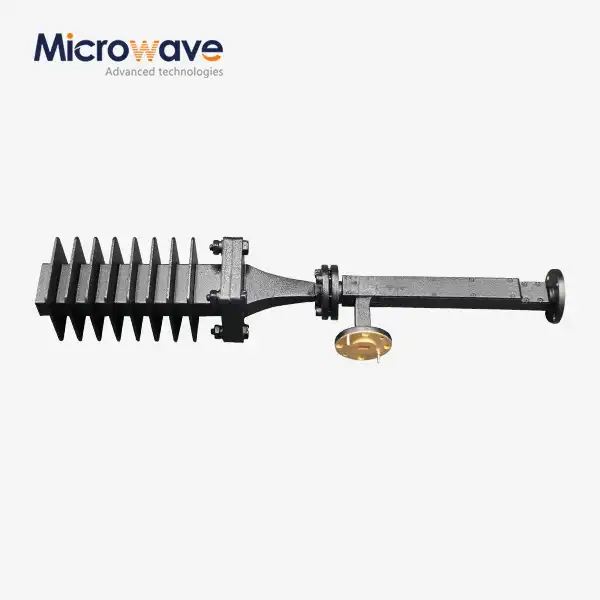 VIEW MOREWaveguide Fixed Attenuator
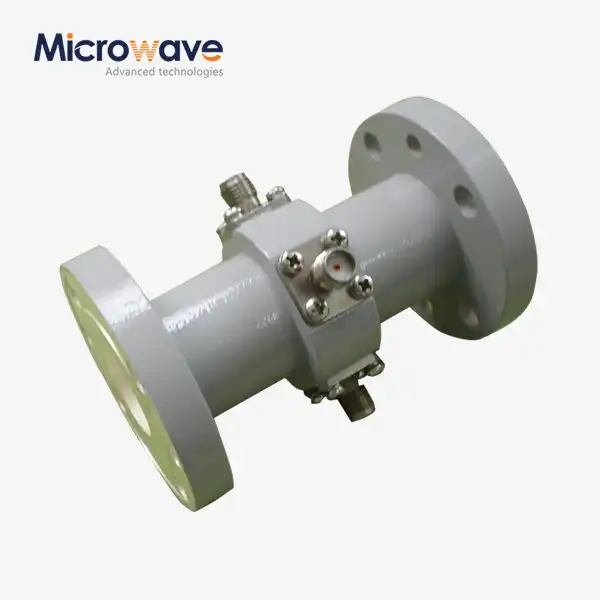 VIEW MOREWaveguide Probe Coupler
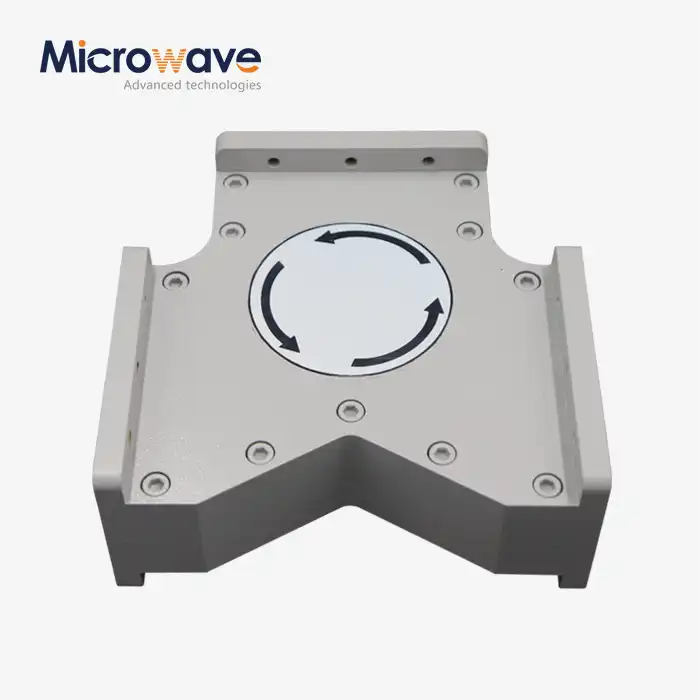 VIEW MOREHigh Power Waveguide Circulator
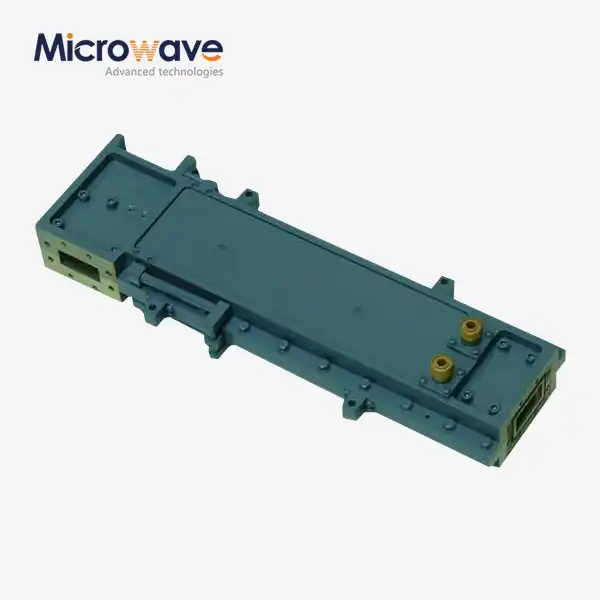 VIEW MOREHigh Power Waveguide Differential Phase Shift Circulator
 VIEW MOREWaveguide Variable Attenuator
 VIEW MOREHigh Power Waveguide Isolator
 VIEW MOREWG Bandpass Filter
 VIEW MOREWG Harmonic Filter
