





BLOG
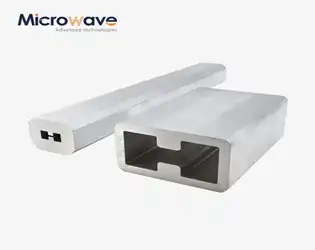
Double Ridge Waveguide Tubes: Answering Your Top 5 Integration FAQs
September 18, 2025
Engineers and system integrators frequently encounter critical challenges when implementing Double Ridge Waveguide Tube solutions in high-frequency systems. From compatibility concerns with existing infrastructure to power handling limitations and frequency range optimization, these integration obstacles can significantly impact project timelines and performance outcomes. This comprehensive guide addresses the most pressing integration questions surrounding Double Ridge Waveguide Tube technology, providing actionable insights and technical solutions that enable successful implementation across telecommunications, aerospace, defense, and satellite communication applications. Understanding these fundamental integration aspects is essential for maximizing system performance while ensuring reliable signal transmission in demanding operational environments.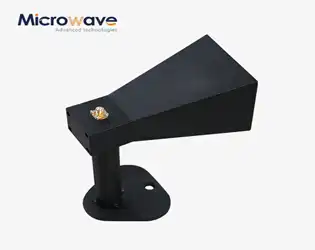
Top 5 Applications for a Mini Wideband Double-ridged Horn Antenna.
September 17, 2025
The Mini Wideband Double-ridged Horn Antenna represents a breakthrough in compact antenna technology, delivering exceptional performance across multiple high-frequency applications. This innovative antenna design combines the advantages of wideband coverage with miniaturized form factors, making it an ideal solution for modern communication, defense, and aerospace systems. With its superior directivity, broad frequency response ranging from 1.5 GHz to 18 GHz, and robust construction, the Mini Wideband Double-ridged Horn Antenna has become indispensable in applications requiring precise signal transmission and reception. Its unique double-ridged horn structure provides enhanced bandwidth capabilities while maintaining compact dimensions, enabling deployment in space-constrained environments without sacrificing performance.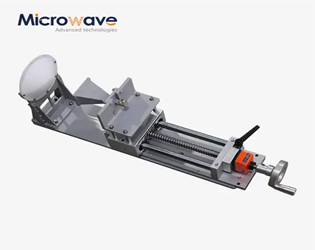
The Advantage of Low Sidelobes: Feed Fired Lens Antennas
September 17, 2025
In the rapidly evolving landscape of microwave and millimeter-wave communications, achieving superior antenna performance while minimizing interference has become a critical engineering challenge. The Feed Fired Lens Antenna represents a breakthrough solution that addresses these demands through its innovative design approach, which significantly reduces unwanted sidelobe radiation. This advanced antenna technology combines the focusing properties of dielectric lenses with strategically positioned feed elements to create highly directional radiation patterns with exceptional sidelobe suppression. By implementing sophisticated beam shaping techniques and precise electromagnetic field control, these antennas deliver unparalleled performance across frequencies ranging from 1 GHz to 40 GHz, making them indispensable for satellite communications, radar systems, and aerospace applications where signal clarity and interference mitigation are paramount.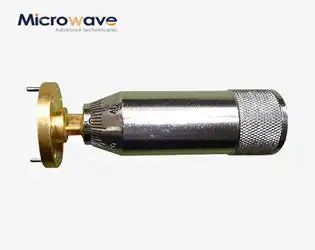
What Are the Key Advantages of Using a Waveguide Sliding Short?
September 17, 2025
In today's high-frequency communications landscape, engineers face persistent challenges with signal integrity, phase alignment, and impedance matching in critical microwave systems. Whether you're working on satellite communications that demand zero signal degradation across vast distances, or developing radar systems requiring precise phase control for accurate target detection, traditional fixed components often fall short of providing the flexibility needed for optimal performance. The Waveguide Sliding Short emerges as an indispensable solution, offering unprecedented control over phase shifts and impedance adjustments in microwave applications ranging from 1.72 GHz to 110 GHz. This precision-engineered component addresses the fundamental need for fine-tunable phase control in mission-critical applications, making it an essential tool for achieving peak system performance in aerospace, defense, telecommunications, and navigation systems.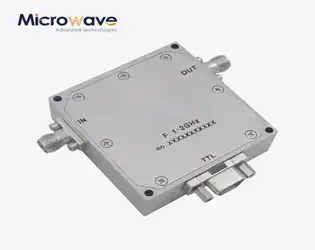
Why Digitally Controlled Phase Shifters Are Essential for Phased Array Antennas in LEO Satellites?
September 16, 2025
In the rapidly evolving landscape of Low Earth Orbit (LEO) satellite communications, engineers face a critical challenge that could make or break mission success: achieving precise beam steering while managing thousands of simultaneous connections across vast coverage areas. When satellites racing at 27,000 kilometers per hour need to maintain seamless connectivity with ground stations and mobile devices, even the slightest phase misalignment can cause devastating signal dropouts. This is where Digitally Controlled Phase Shifters become absolutely essential - providing the microsecond-level precision required to keep phased array antennas locked onto their targets as satellites traverse the sky, enabling the reliable global connectivity that modern communication networks demand.
3 Key Advantages of Waveguide Power Divider for Radar and Satellite Systems
September 16, 2025
When critical radar and satellite communication systems face signal degradation, power loss, and interference challenges that compromise mission-critical operations, engineers need reliable solutions that ensure optimal performance under demanding conditions. The Waveguide Power Divider emerges as the definitive answer to these complex technical challenges, offering three fundamental advantages that revolutionize signal distribution in high-frequency microwave systems. These sophisticated components provide superior power handling capabilities, exceptional signal integrity, and unmatched reliability that directly address the pain points experienced by aerospace, defense, and satellite communication professionals who demand nothing less than flawless performance in their mission-critical applications.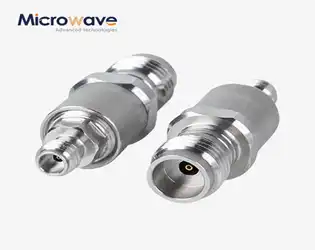
Solving IoT & Telecom Compatibility Issues with Multi-Interface Adapters
September 16, 2025
In today's rapidly evolving digital landscape, engineers and system integrators face a critical challenge: ensuring seamless connectivity between diverse IoT devices and telecom infrastructure. Imagine deploying hundreds of IoT sensors across multiple sites, only to discover that interface mismatches prevent proper data transmission, leading to costly project delays and system failures. This compatibility nightmare affects industries ranging from smart cities to industrial automation, where different manufacturers use varying connector types, impedances, and signal standards. The solution lies in sophisticated multi-interface adapters, particularly high-performance Coaxial Cable Adapter systems that bridge these technological gaps. These advanced connectivity components ensure reliable signal transmission across heterogeneous networks, enabling successful IoT deployments and telecom infrastructure integration without compromising performance or reliability.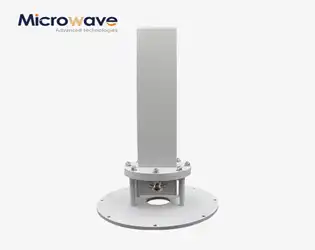
Meet Global Standards: Probes Designed for EMC and antenna Measurement
September 15, 2025
In today's rapidly advancing technological landscape, engineers and researchers face mounting pressure to develop electromagnetic compatibility (EMC) solutions that meet stringent international standards while maintaining superior antenna performance. The challenge becomes even more complex when dealing with electromagnetic interference (EMI) issues that can cripple critical communication systems, aerospace applications, and defense operations. This is where precision-engineered Antenna Near Field Measurement Probes become indispensable tools for achieving compliance and ensuring optimal system performance. Advanced Microwave Technologies Co., Ltd. addresses these critical challenges by providing high-quality, globally compliant measurement probes that deliver the accuracy and reliability demanded by modern EMC testing environments.