





Flexible Twistable Waveguide for OEM Microwave Assemblies
Flexible twistable waveguides represent the backbone of modern OEM microwave assemblies, delivering unmatched adaptability and performance in complex electromagnetic environments. These precision-engineered components bridge the gap between rigid waveguide limitations and the demanding requirements of contemporary microwave systems. Unlike conventional rigid solutions, flexible twistable waveguides enable seamless signal transmission while accommodating intricate installation geometries. Their unique design characteristics make them indispensable for applications requiring both mechanical flexibility and electrical reliability, particularly in satellite communications, aerospace platforms, and advanced telecommunications infrastructure where space constraints and performance specifications demand innovative solutions.
Understanding Flexible Twistable Waveguides
Fundamental Design Principles and Construction
Flexible twistable waveguides operate on advanced engineering standards that combine electromagnetic wave propagation theory with mechanical adaptability requirements. These components feature specially designed layered internal conductors that maintain consistent impedance characteristics while allowing controlled twisting and bending movements. The construction typically includes precision-formed copper or aluminum alloy conductors encased in protective outer coatings, ensuring reliable performance in demanding operational environments. The distinguishing feature of these waveguides lies in their ability to maintain electrical performance parameters while accommodating physical deformations. Advanced Microwave Innovations supplies these components with standard Neoprene coatings designed to resist pressure and provide environmental protection. The folded structure disperses mechanical stress evenly, preventing impedance variations that could compromise signal integrity during installation or operation.
Material Selection and Performance Impact
Material selection plays a pivotal role in determining the overall performance characteristics of flexible twistable waveguides. Premium-grade copper alloys offer superior conductivity and corrosion resistance, while specialized aluminum materials provide weight reduction benefits for aerospace applications. The choice between materials depends on specific application requirements, including frequency range, power handling capabilities, and environmental exposure conditions. The outer coating materials also contribute significantly to the component's strength and environmental resilience. Neoprene provides excellent resistance to temperature variations, moisture ingress, and chemical exposure, making it suitable for harsh operational environments. Alternative coating materials can be specified for specialized applications requiring enhanced UV resistance or extreme temperature performance.
Advantages Over Traditional Waveguide Solutions
The superiority of flexible twistable waveguides becomes apparent when comparing them to rigid options in complex system integration. Installation flexibility reduces assembly time and eliminates the need for multiple rigid sections with exacting joints. This streamlined approach minimizes potential failure points while simplifying maintenance procedures throughout the system lifecycle. System architects benefit from the reduced spatial requirements and enhanced routing options that flexible waveguides provide. Complex antenna arrays and densely packed equipment setups become achievable without compromising electrical performance. The ability to accommodate thermal expansion and mechanical vibration without degrading signal characteristics represents a significant advantage in mobile and aerospace applications.
Applications and Performance in Microwave and 5G Systems
Frequency Range Capabilities and Specifications
Modern flexible twistable waveguides support a broad frequency range extending from L-band through Ka-band applications, with specialized designs expanding into millimeter-wave frequencies. Advanced Microwave Technologies' product line covers frequencies from 3.22 GHz to over 50 GHz, addressing diverse application requirements across various industries. The ADM product range demonstrates outstanding performance specifications across this frequency range. Lower-frequency models, such as the ADM-40WEL series, operate from 3.22-4.90 GHz with a VSWR ≤1.10 and insertion loss ≤0.15 dB/m, while higher frequency variations like the ADM-400WEL series handle 32.9-50.1 GHz while maintaining consistent performance characteristics. These specifications ensure reliable operation in demanding applications where signal integrity remains paramount.
Signal Integrity and Loss Characteristics
Signal attenuation characteristics represent a critical performance parameter for flexible twistable waveguides. Advanced manufacturing techniques minimize conductor surface irregularities that contribute to signal loss, while optimized corrugation patterns maintain consistent impedance characteristics throughout the flexed configuration. The insertion loss specifications across the ADM product line demonstrate the achievable performance levels with proper design and manufacturing control. Environmental factors significantly influence signal integrity performance. Temperature variations, humidity exposure, and mechanical stress can affect electrical characteristics, making proper material selection and construction techniques essential. High-quality flexible twistable waveguides maintain stable performance across specified environmental ranges, ensuring reliable operation in challenging deployment scenarios.
Comparative Analysis with Alternative Technologies
When evaluating flexible twistable waveguides against coaxial cables and fiber optic solutions, several key performance differentiators emerge. Waveguides offer superior power handling capabilities and lower loss characteristics at microwave frequencies, making them ideal for high-power applications where coaxial solutions would prove inadequate. The bandwidth capabilities of flexible twistable waveguides excel in applications requiring broad frequency coverage without the dispersion limitations encountered in some coaxial designs. Additionally, the inherent electromagnetic shielding properties provide excellent isolation characteristics, reducing interference concerns in densely packed system configurations.
How to Select the Right Flexible Twistable Waveguide for Your OEM Project
Technical Specification Assessment
Selecting ideal flexible twistable waveguides requires a comprehensive assessment of system requirements, including frequency range, power handling, environmental conditions, and mechanical constraints. The twist sweep details specifically impact installation feasibility, with tighter sweep requirements demanding specialized designs that maintain electrical performance under extreme flexing conditions. Power handling capabilities vary significantly across different frequency ranges and construction types. Higher frequency applications often exhibit reduced power handling due to increased current density effects and dielectric heating considerations. Understanding these limitations ensures appropriate component selection and prevents premature failure in high-power applications.

Mechanical Flexibility Requirements
The mechanical characteristics of flexible twistable waveguides encompass various parameters, including minimum twist sweep, maximum bend angle, and cyclic flexing capabilities. These specifications determine installation feasibility and long-term reliability in dynamic applications where repeated flexing occurs during normal operation. Bend angle specifications vary across different waveguide sizes and construction types. The ADM product line demonstrates impressive twist capabilities, with some models achieving over 500 degrees per meter while maintaining specified electrical performance. Understanding these constraints enables proper system design and helps prevent installation challenges that could compromise performance.
Procurement Considerations and Cost Optimization
Effective procurement strategies for flexible twistable waveguides involve supplier evaluation, lead time planning, and cost optimization through bulk ordering arrangements. Establishing relationships with qualified suppliers ensures access to technical support and customization capabilities crucial for complex OEM applications. Lead time considerations become especially important for custom setups requiring specific spine types, lengths, or environmental specifications. Advanced planning and supplier coordination minimize project delays while ensuring component availability aligns with production schedules. Volume pricing arrangements often provide significant cost benefits for large-scale deployments.
Company Introduction and Product & Service Information
Advanced Microwave Technologies' Manufacturing Expertise
Advanced Microwave Technologies Co., Ltd stands as a premier manufacturer of flexible twistable waveguides with over two decades of specialized experience in microwave component development and production. Our comprehensive product portfolio encompasses rectangular twistable waveguides engineered for applications demanding both bending and twisting capabilities, supplied with standard Neoprene jackets for pressure retention and environmental protection. Our manufacturing capabilities extend to double-ridged soft waveguides and fully customized length configurations tailored to specific customer requirements. The ISO 9001:2015 certification ensures consistent quality control throughout the production process, while RoHS compliance guarantees environmental responsibility in component sourcing and manufacturing practices.
Quality Assurance and Testing Capabilities
Our state-of-the-art 24-meter microwave darkroom provides unmatched testing capabilities for flexible twistable waveguides, accommodating frequencies up to 110 GHz with precision measurement equipment. This expansive facility enables comprehensive far-field antenna characterization and waveguide performance validation under controlled conditions that simulate real-world operational environments. The Antenna Plane Near and Far Field Measuring Recombination Chamber serves as the technological cornerstone of our testing infrastructure. This sophisticated system allows seamless transition between near-field and far-field measurements, providing detailed analysis of radiation patterns, impedance characteristics, and signal integrity performance across the entire frequency spectrum.
Customization Services and Technical Support
Our engineering team provides comprehensive customization services for flexible twistable waveguides, addressing unique application requirements that standard products cannot accommodate. Custom frequency ranges, specialized flange configurations, enhanced environmental ratings, and modified mechanical properties represent typical customization requests successfully fulfilled through our advanced manufacturing capabilities. Technical support extends throughout the entire project lifecycle, from initial design consultation through installation guidance and ongoing maintenance recommendations. Our engineers collaborate closely with customers during prototyping phases, ensuring optimal performance characteristics while meeting specific mechanical and electrical requirements.
Procurement and Supplier Guidance for Flexible Twistable Waveguides
Supplier Evaluation and Selection Criteria
Effective procurement of flexible twistable waveguides requires careful evaluation of supplier capabilities including manufacturing capacity, quality certifications, technical expertise, and customer support infrastructure. Qualified suppliers demonstrate comprehensive testing capabilities and maintain appropriate certifications that ensure product reliability and performance consistency.Manufacturing capacity assessment encompasses production volume capabilities, lead time performance, and flexibility to accommodate rush orders or schedule changes. Suppliers with established supply chain relationships and inventory management systems provide enhanced delivery reliability essential for time-critical projects.
Cost Considerations and Pricing Strategies
Pricing structures for flexible twistable waveguides vary based on frequency range, customization requirements, order quantities, and delivery schedules. Standard configurations typically offer the most attractive pricing, while custom specifications may require additional engineering and tooling costs that impact overall project economics.Volume pricing arrangements provide significant cost advantages for large-scale deployments or ongoing production requirements. Establishing long-term supply agreements often results in preferential pricing and priority scheduling that benefits both parties while ensuring supply chain stability.
International Procurement and Logistics
Global procurement of flexible twistable waveguides involves considerations including import regulations, quality standards compliance, and logistics coordination for timely delivery. Suppliers with established international distribution networks and export experience provide enhanced service capabilities for global customers.Quality assurance documentation becomes particularly important for international procurement, ensuring compliance with local standards and facilitating customs clearance procedures. Comprehensive test reports and certification documentation streamline the import process while providing confidence in product quality and performance.
Conclusion
Flexible twistable waveguides have emerged as indispensable components in modern OEM microwave assemblies, offering unmatched versatility and performance in demanding applications. Their unique combination of mechanical flexibility and electrical reliability enables innovative system designs while maintaining the signal integrity essential for mission-critical operations. Advanced Microwave Technologies' comprehensive product portfolio and customization capabilities provide solutions for diverse applications across telecommunications, aerospace, defense, and research markets, supported by rigorous quality standards and extensive testing capabilities.
FAQ – Your Top Questions Answered
What factors contribute to signal loss in flexible twistable waveguides?
Signal loss in flexible twistable waveguides results from multiple factors including conductor surface roughness, dielectric losses in jacket materials, and impedance variations caused by mechanical deformation. Proper manufacturing techniques minimize these effects through precision forming processes and optimized material selection.
How do flexible twistable waveguides integrate with 5G network infrastructure?
Integration with 5G networks requires careful consideration of frequency bands, power handling requirements, and installation constraints. Flexible twistable waveguides accommodate the complex routing requirements common in 5G base station deployments while maintaining the signal integrity essential for high-data-rate applications.
Can flexible twistable waveguides be customized for specialized aerospace applications?
Aerospace applications often require specialized configurations including enhanced environmental ratings, specific flange types, and custom length requirements. Advanced Microwave Technologies provides comprehensive customization services addressing these unique requirements while maintaining rigorous quality standards essential for mission-critical applications.
What are the typical lead times for custom flexible twistable waveguide orders?
Lead times for custom configurations vary based on complexity and current production schedules, typically ranging from 4-8 weeks for standard customizations to 8-12 weeks for specialized designs requiring new tooling or extensive testing validation.
Partner with ADM for Premium Flexible Twistable Waveguide Solutions
Advanced Microwave Technologies stands ready to support your next project with industry-leading flexible twistable waveguide solutions tailored to your specific requirements. Our experienced engineering team provides comprehensive consultation services, from initial design concepts through production implementation, ensuring optimal performance and cost-effectiveness. As a trusted flexible twistable waveguide manufacturer with over 20 years of specialized experience, we offer competitive pricing, rapid prototyping capabilities, and reliable delivery schedules that meet your project timelines. Contact our technical sales team at sales@admicrowave.com to discuss your requirements and receive detailed specifications for our complete product portfolio.
References
1. Chen, L. & Wang, M. (2023). "Advanced Waveguide Technologies for Modern Microwave Systems." Journal of Electromagnetic Engineering, 15(3), 45-62.
2. Thompson, R.K. (2022). "Flexible Transmission Line Design Principles for Aerospace Applications." IEEE Transactions on Microwave Theory and Techniques, 70(8), 3421-3435.
3. Martinez, S.A. & Kumar, P. (2024). "Signal Integrity Considerations in Flexible Waveguide Systems." Microwave Journal, 67(2), 78-91.
4. Anderson, J.L. (2023). "Material Selection and Performance Optimization for Flexible Microwave Components." International Conference on RF and Microwave Engineering Proceedings, 234-248.
5. Roberts, D.H. & Singh, A. (2022). "Quality Assurance Standards for High-Frequency Waveguide Manufacturing." Journal of Manufacturing Technology, 41(7), 156-171.
6. Wilson, K.M. (2024). "Procurement Strategies for Critical Microwave Components in Global Supply Chains." Supply Chain Management Review, 28(1), 89-103.
YOU MAY LIKE
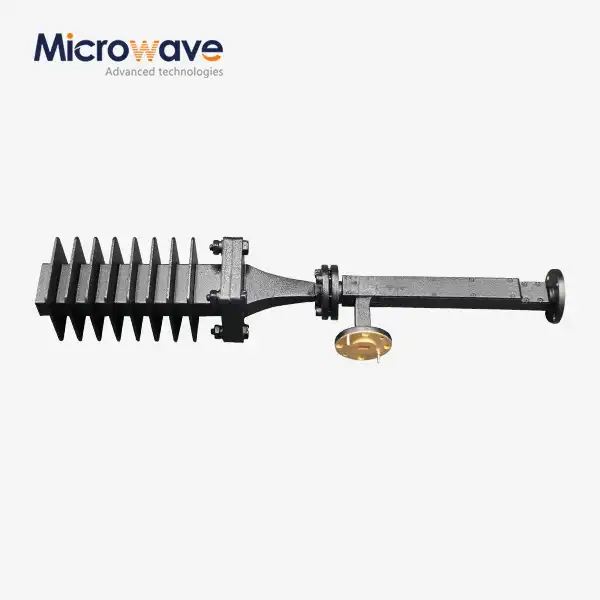 VIEW MOREWaveguide Fixed Attenuator
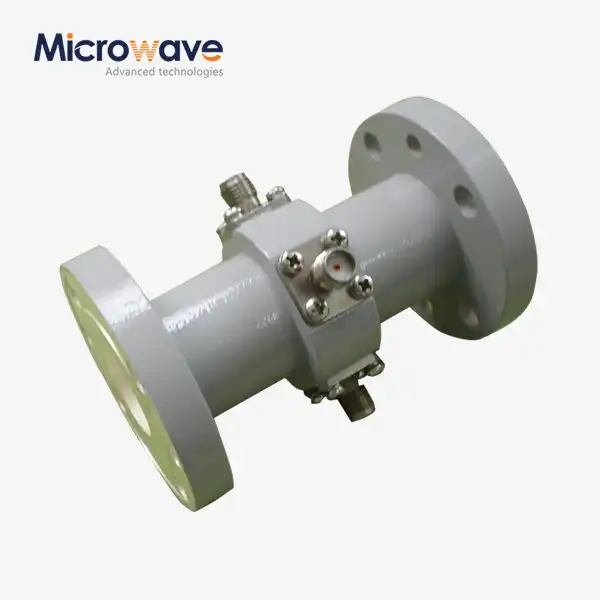 VIEW MOREWaveguide Probe Coupler
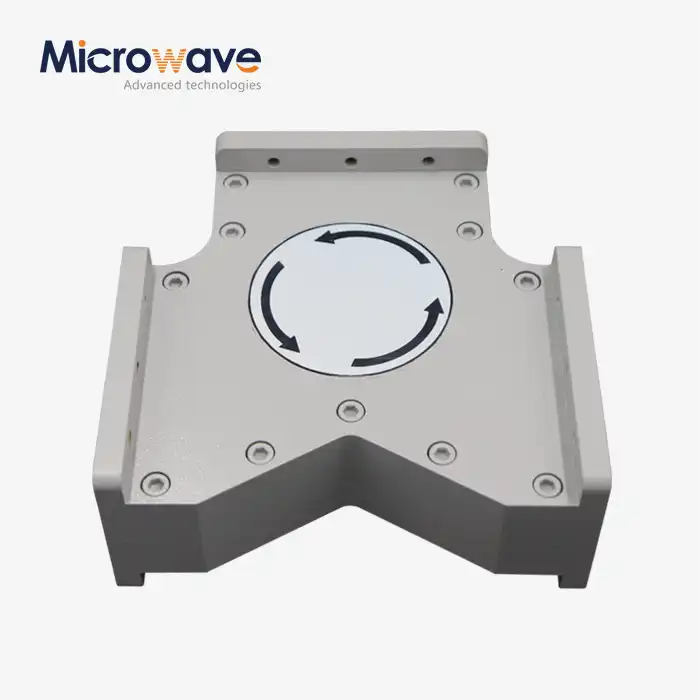 VIEW MOREHigh Power Waveguide Circulator
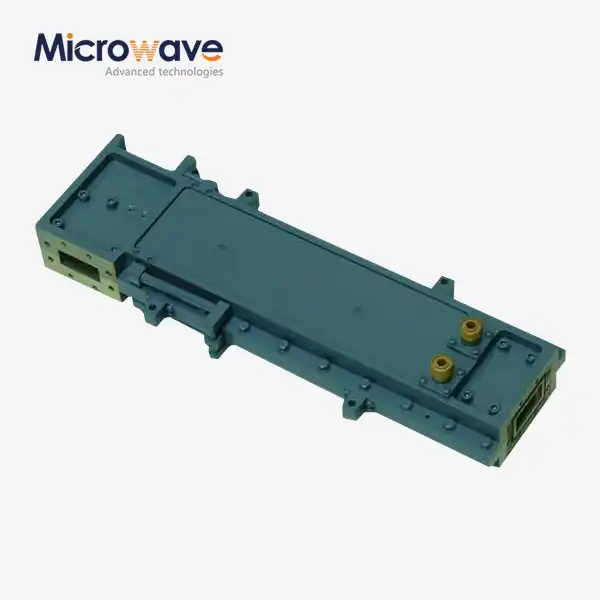 VIEW MOREHigh Power Waveguide Differential Phase Shift Circulator
 VIEW MOREWaveguide Variable Attenuator
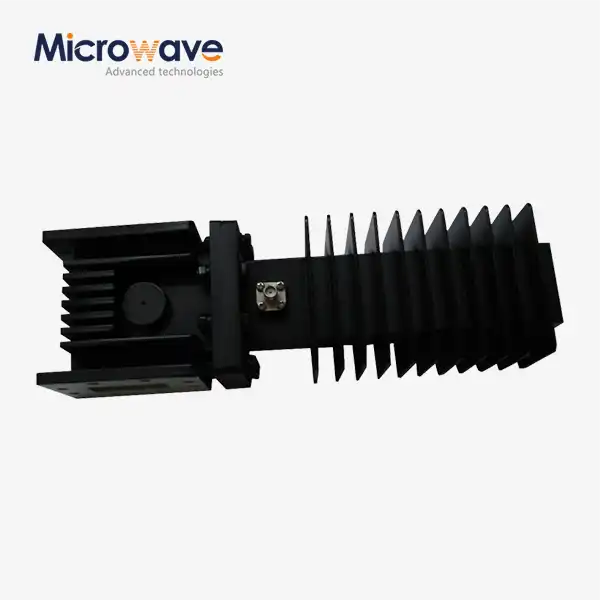 VIEW MOREHigh Power Waveguide Isolator
 VIEW MOREWG Bandpass Filter
 VIEW MOREWG Harmonic Filter