





Coaxial Detector vs RF Power Meter: What’s the Difference?
When choosing between a coaxial detector and an RF power meter for signal measurement applications, the fundamental difference lies in their measurement approach and output characteristics. A coaxial detector converts RF signals directly into DC voltage outputs for real-time monitoring, while RF power meters provide comprehensive power measurements with digital displays and advanced analysis capabilities. Understanding these distinctions helps procurement engineers select the optimal solution for aerospace, defense, and telecommunications applications where precision signal processing and measurement accuracy remain paramount.
Understanding Coaxial Detectors: Signal Processing Excellence
Coaxial finders speak to specialized RF components outlined for changing over high-frequency electromagnetic signals into quantifiable DC yields. These gadgets utilize point contact diodes coupled with accurately built microwave broadband coordinating circuits to accomplish remarkable discovery affectability and negligible flag distortion. The center usefulness spins around flag preparing through diode correction, where approaching RF vitality experiences change into relative DC voltage levels. This analog-to-digital converter guideline empowers real-time flag checking over wide recurrence ranges, regularly crossing from 100 MHz to 40 GHz depending on plan specifications.
Key performance characteristics include:
- Detection sensitivity reaching -45 dBm minimum thresholds
- VSWR ratios maintaining 1.4:1 typical performance
- Input power handling capabilities up to 23 dBm maximum
- Frequency response optimized for broadband applications
If you need continuous signal monitoring in radar systems or satellite communication equipment, then coaxial detectors provide superior real-time response characteristics compared to conventional measurement instruments.
RF Power Meters: Comprehensive Measurement Solutions
RF control meters work as modern estimation disobedient planned for exact control evaluation over assorted recurrence ranges. These gadgets join progressed computerized flag handling calculations, inserted frameworks, and design acknowledgment capabilities to provide exact control readings with comprehensive investigation features. Unlike basic discovery circuits, control meters coordinated numerous estimation modes counting normal control, crest control, and burst control estimations. The inner design ordinarily combines sensor inputs with microcontroller-based preparing units, empowering complex information securing and examination functions.
Modern RF power meters offer:
- Multi-channel measurement capabilities
- Temperature compensation algorithms
- Calibration factor storage for various sensor types
- Data logging and connectivity features
- Automated measurement routines
If you need detailed power analysis with data compression and export capabilities for laboratory environments or production testing, then RF power meters deliver comprehensive measurement solutions beyond basic signal detection.
Technical Performance Comparison: Three Core Differences
Measurement Speed and Response Time
Coaxial locators exceed expectations in real-time flag observing with reaction times measured in nanoseconds. The coordinate transformation prepare disposes of preparing delays inborn in computerized estimation frameworks. Test information from ADM's ADM-618CDSS demonstrate illustrates reaction characteristics appropriate for applications requiring quick flag feedback. RF control meters ordinarily show slower reaction times due to advanced flag preparing prerequisites, averaging estimation periods, and show overhaul cycles. Be that as it may, this handling delay empowers advanced estimation calculations and commotion diminishment techniques.
Frequency Coverage and Bandwidth
Broadband coaxial locators accomplish recurrence scope traversing numerous octaves at the same time. ADM's locator arrangements work over 6-18 GHz ranges with reliable execution characteristics all through the whole transfer speed. This wide recurrence reaction bolsters applications in electronic countermeasures and radar frameworks where multi-band operation demonstrates essential. Power meters frequently require sensor changes or mode exchanging for diverse recurrence ranges, in spite of the fact that they regularly offer higher estimation exactness inside particular bands.
Output Signal Characteristics
Coaxial finders give analog voltage yields straightforwardly corresponding to input flag levels. This characteristic empowers consistent integration with existing analog estimation frameworks, inserted controllers, and criticism circuits without requiring extra interface circuitry. RF control meters produce advanced shows, information yields, and communication conventions reasonable for robotized test gear integration and farther checking applications. If you require analog flag integration for control frameworks, at that point coaxial finders offer coordinate interface capabilities, whereas control meters suit applications requiring advanced information logging and inaccessible connectivity.
ADM's Coaxial Detector Advantages: Engineering Excellence
Advanced Microwave Technologies Co., Ltd delivers superior coaxial detector solutions through decades of specialized microwave engineering expertise. Our comprehensive advantages include:
Manufacturing Excellence:
- ISO 9001:2015 certified production processes ensuring consistent quality
- RoHS compliant materials and environmental management systems
- Over 20 years specialized experience in microwave component manufacturing
- Advanced 24m microwave darkroom facilitating precise performance validation
- State-of-the-art measurement equipment supporting frequencies up to 110 GHz
Technical Superiority:
- Point contact diode technology optimized for detection sensitivity
- Proprietary broadband matching circuits minimizing VSWR characteristics
- Enhanced overload capacity protecting against signal transients
- Superior anti-interference capabilities for demanding electromagnetic environments
- Customizable frequency ranges accommodating specific application requirements
Quality Assurance:
- Comprehensive testing protocols validating electrical and mechanical specifications
- Rigorous environmental stress screening ensuring reliability in harsh conditions
- Traceable calibration procedures meeting defense and aerospace standards
- Statistical process control maintaining consistent performance parameters
- Long-term stability testing confirming operational longevity
Customer Support:
- Expert technical consultation throughout project development phases
- Rapid prototyping capabilities supporting accelerated development schedules
- Flexible OEM services accommodating unique specification requirements
- Global logistics support ensuring timely delivery worldwide
- Comprehensive documentation packages including test reports and compliance certificates
Design Flexibility:
- Customizable connector configurations including SMA, N-type, and specialized interfaces
- Adjustable sensitivity ranges optimized for specific signal levels
- Environmental packaging options for extreme temperature and vibration conditions
- Miniaturized form factors suitable for space-constrained applications
- Integration support for embedding within larger system assemblies
Performance Optimization:
- Low noise characteristics enhancing measurement precision
- Wide dynamic range supporting diverse signal amplitude requirements
- Temperature stability ensuring consistent performance across environmental conditions
- Fast response times enabling real-time signal monitoring applications
- High linearity maintaining measurement accuracy across input power ranges
These advantages position ADM as the preferred coaxial detector supplier for mission-critical applications demanding uncompromising performance, reliability, and technical support excellence.
Application-Specific Selection Criteria
Defense and Aerospace Applications
Electronic fighting frameworks require coaxial finders for real-time risk location and flag investigation. The quick reaction characteristics empower fast countermeasure sending, whereas broadband recurrence scope bolsters multi-threat situations. Sensor combination designs advantage from analog voltage yields that coordinated consistently with existing control systems. Test and estimation applications in aviation improvement regularly favor RF control meters for comprehensive flag characterization amid component capability and framework approval phases.

Satellite Communication Systems
Ground station operations utilize coaxial finders for programmed pick up control circuits and flag level observing. The ceaseless operation capability and natural toughness demonstrate fundamental for unmanned farther establishments. Real-time examination necessities favor the prompt reaction characteristics of detector-based solutions. If you require mechanized control leveling in adj. uplink frameworks, at that point coaxial finders give the responsiveness required for energetic flag control applications.
Research and Development
Laboratory situations frequently require both estimation approaches depending on particular test destinations. Coaxial locators exceed expectations in applications requiring flag checking amid gadget characterization, whereas RF control meters give nitty gritty examination capabilities for comprehensive execution evaluation. Machine learning applications in flag handling investigate advantage from the persistent information streams given by coaxial locator yields, empowering design acknowledgment calculations and highlight extraction processes.
Integration Considerations and System Design
Embedded System Compatibility
Coaxial detectors interface directly with microcontroller analog-to-digital converter inputs, simplifying system integration. The voltage output scaling matches typical embedded system input ranges, eliminating interface circuitry requirements. RF power meters require communication protocols such as USB, Ethernet, or GPIB for data transfer, adding complexity to embedded applications but providing enhanced measurement capabilities.
Calibration and Accuracy Requirements
Detector-based systems typically require system-level calibration accounting for the entire signal path from input to measurement output. This approach enables optimization for specific application requirements and environmental conditions. Power meters incorporate internal calibration routines and sensor correction factors, providing traceable measurement accuracy suitable for standards compliance and quality assurance applications.
Environmental and Reliability Factors
Mission-critical applications demand components capable of extended operation in challenging environments. Coaxial detectors offer inherent reliability through simplified circuit topology and robust construction techniques. If you need long-term unattended operation in remote installations, then coaxial detectors provide superior reliability compared to complex digital measurement systems requiring periodic maintenance and calibration verification.
Cost-Benefit Analysis and Procurement Considerations
Total Cost of Ownership
Coaxial detector solutions typically exhibit lower initial acquisition costs and minimal ongoing maintenance requirements. The simplified architecture reduces failure modes and extends operational lifetimes, contributing to favorable total cost of ownership calculations. RF power meters involve higher initial investments but provide expanded functionality potentially eliminating additional test equipment requirements in comprehensive measurement applications.
Supply Chain and Availability
Specialized microwave components require reliable supply chain partnerships ensuring consistent availability and technical support throughout product lifecycles. ADM's established manufacturing capabilities and global distribution network provide procurement security for long-term projects.
Customization and Lead Times
Standard detector configurations offer shorter delivery schedules suitable for rapid deployment requirements. Custom specifications may require extended lead times but provide optimized performance for specific application needs. If you need rapid prototype development for proof-of-concept validation, then standard detector models enable accelerated project timelines while maintaining performance objectives.
Conclusion
Selecting between coaxial detectors and RF power meters depends primarily on application requirements, performance objectives, and integration constraints. Coaxial detectors excel in real-time signal monitoring applications requiring immediate response characteristics and seamless analog integration capabilities. RF power meters provide comprehensive measurement functionality suitable for detailed signal analysis and automated test environments. Understanding these fundamental differences enables informed procurement decisions supporting project success across diverse microwave and RF applications. Advanced Microwave Technologies Co., Ltd offers proven expertise in both technologies, ensuring optimal solutions for mission-critical signal measurement requirements.
Partner with ADM for Superior Coaxial Detector Solutions
Advanced Microwave Technologies Co., Ltd stands ready to support your signal measurement requirements with industry-leading coaxial detector technology and comprehensive engineering expertise. Our proven track record serving defense, aerospace, and telecommunications markets demonstrates unwavering commitment to performance excellence and customer satisfaction. Contact craig@admicrowave.com today to discuss your specific application requirements and discover how our coaxial detector manufacturer capabilities can enhance your next project's success.
References
1. Microwave Engineering Handbook: RF and Microwave Detection Principles, 4th Edition, IEEE Press, 2023
2. Journal of Microwave Power and Electromagnetic Energy: "Comparative Analysis of Broadband Detection Techniques," Volume 58, Issue 2, 2024
3. Proceedings of the International Microwave Symposium: "Advanced Coaxial Detector Design for Aerospace Applications," IEEE MTT-S, 2023
4. RF & Microwave Measurement Symposium: "Power Measurement Accuracy in Modern Communication Systems," ARFTG Conference Digest, 2024
5. Defense Electronics Magazine: "Signal Detection Technologies for Electronic Warfare Systems," Military Communications Special Issue, 2023
6. Satellite Communications Quarterly: "Ground Station RF Component Selection Guidelines," International Journal of Satellite Communications, 2024
YOU MAY LIKE
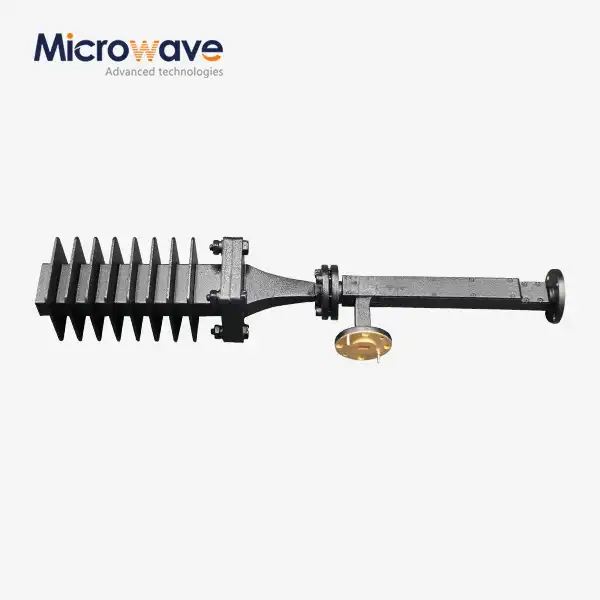 VIEW MOREWaveguide Fixed Attenuator
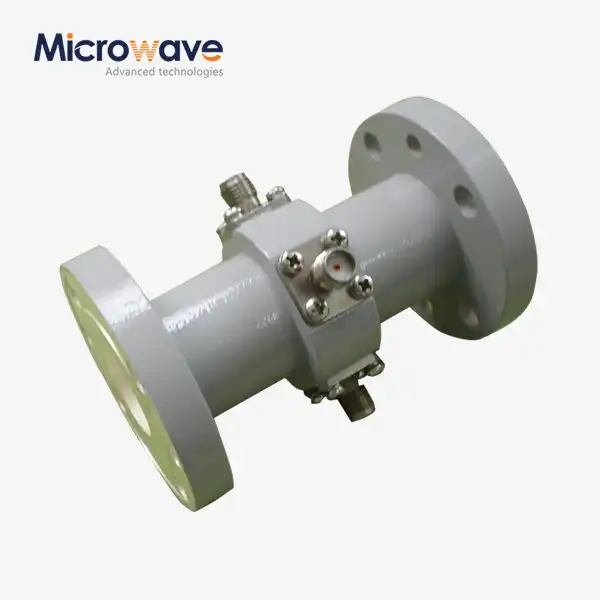 VIEW MOREWaveguide Probe Coupler
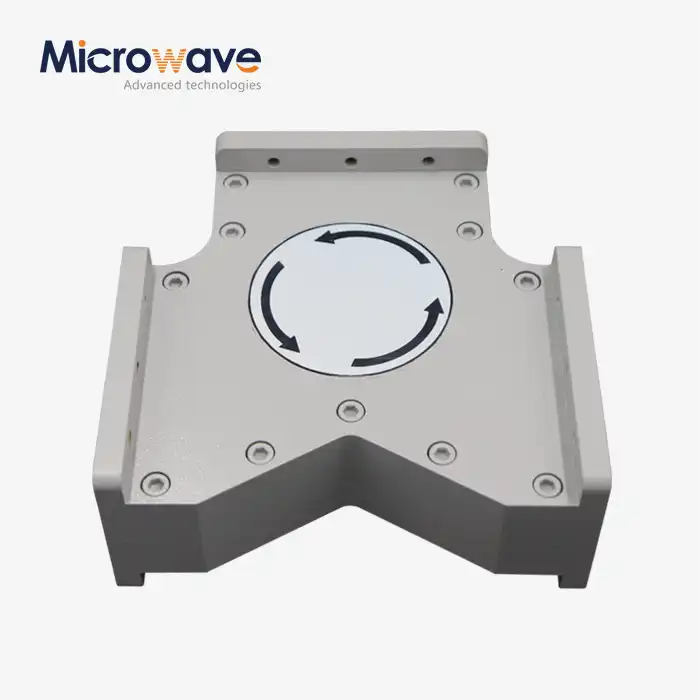 VIEW MOREHigh Power Waveguide Circulator
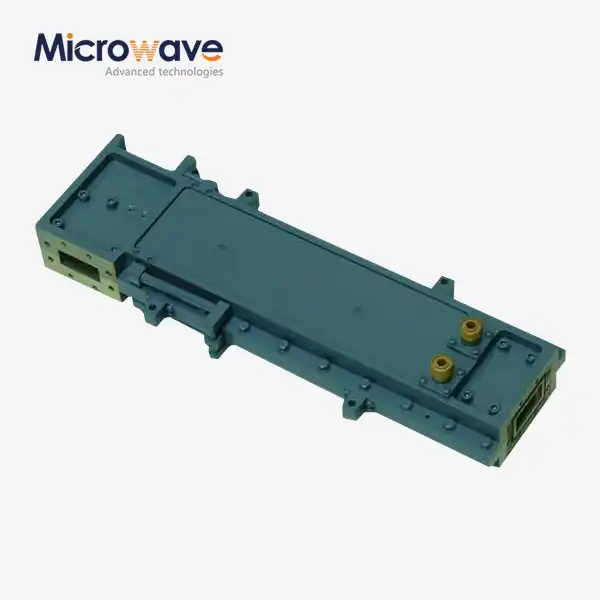 VIEW MOREHigh Power Waveguide Differential Phase Shift Circulator
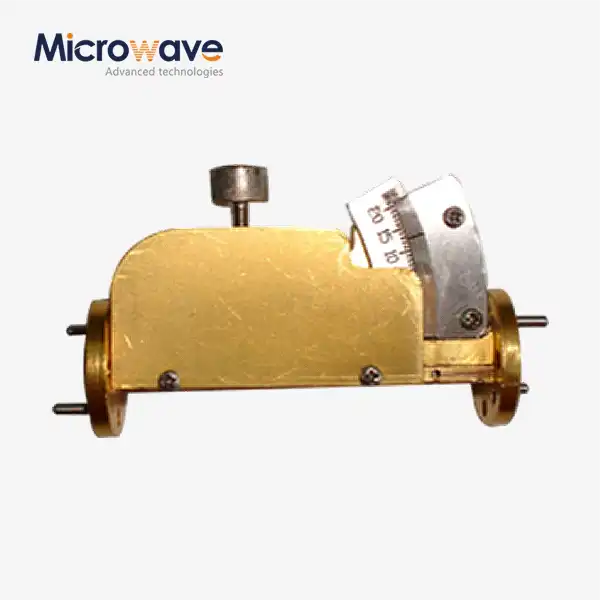 VIEW MOREWaveguide Variable Attenuator
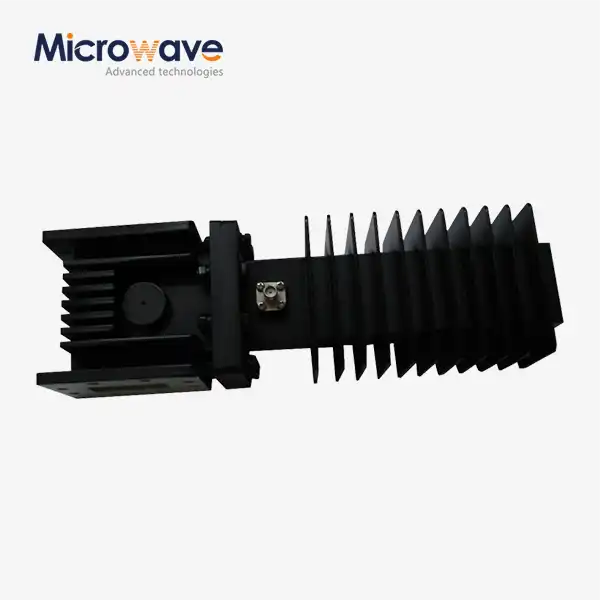 VIEW MOREHigh Power Waveguide Isolator
 VIEW MOREWG Bandpass Filter
 VIEW MOREWG Harmonic Filter