





BLOG
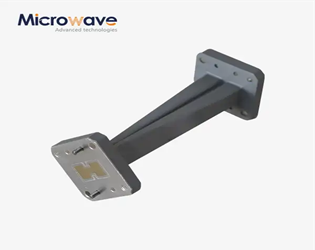
Double Ridge Twist Waveguide: The Smart Choice for Low VSWR
August 11, 2025
In the demanding world of microwave technology, achieving optimal signal transmission while minimizing reflections is paramount for system performance. The Double Ridge Twist Waveguide emerges as a revolutionary solution that addresses these critical challenges through innovative design and superior engineering. This advanced microwave component represents a significant leap forward in waveguide technology, offering exceptional performance characteristics that make it the intelligent choice for applications requiring low Voltage Standing Wave Ratio (VSWR). By incorporating dual ridges and precise twist configurations, this component delivers unmatched signal integrity across a wide frequency spectrum, making it indispensable for modern communication systems, defense applications, and aerospace technologies where reliability and performance cannot be compromised.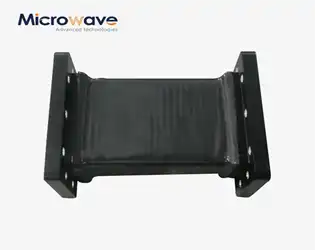
Sustainable RF Tech: RoHS-Compliant Flexible Seamless Waveguide Dominates
August 11, 2025
The microwave technology industry is experiencing a paradigm shift toward sustainable and environmentally responsible RF solutions, with RoHS-compliant Flexible Seamless Waveguide emerging as the dominant choice for critical applications. This revolutionary technology combines exceptional performance characteristics with environmental compliance, making it indispensable for satellite communications, aerospace, defense, and telecommunications sectors. The Flexible Seamless Waveguide represents a breakthrough in RF transmission technology, offering unparalleled signal integrity while meeting stringent environmental standards. As industries increasingly prioritize sustainability without compromising performance, this innovative waveguide solution has established itself as the gold standard for high-frequency signal transmission applications.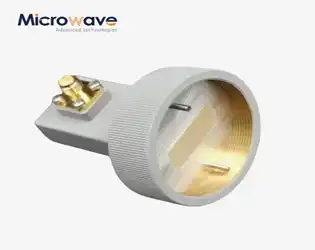
Waveguide Adapter Market Trends: What Buyers Need to Know
August 11, 2025
The global waveguide adapter market is experiencing unprecedented growth driven by expanding 5G networks, increasing satellite communication demands, and evolving defense technologies. As industries transition to higher frequencies and more sophisticated microwave systems, understanding current market trends becomes essential for informed purchasing decisions. The Waveguide Adapter has emerged as a critical component bridging different transmission mediums in complex RF systems, making it indispensable across telecommunications, aerospace, and defense sectors. Market research indicates substantial growth projections through 2030, with technological advancements pushing performance boundaries while buyers seek reliable suppliers offering comprehensive solutions. This comprehensive analysis explores key market dynamics, technological innovations, and strategic considerations that modern buyers must understand to navigate today's competitive landscape effectively.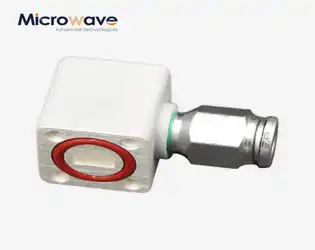
How to Improve Portability with Inflatable Straight Waveguides?
August 8, 2025
In today's rapidly evolving telecommunications and aerospace industries, the demand for portable, efficient, and reliable microwave transmission solutions has never been greater. Traditional rigid waveguides, while effective, often present significant challenges in terms of weight, storage, and deployment flexibility. The Inflatable Straight Waveguide represents a revolutionary approach to addressing these limitations, offering unprecedented portability without compromising signal integrity or performance. This innovative technology transforms the fundamental concept of waveguide design by incorporating inflatable mechanisms that enable compact storage, lightweight transportation, and rapid deployment across diverse applications ranging from satellite communications to defense systems.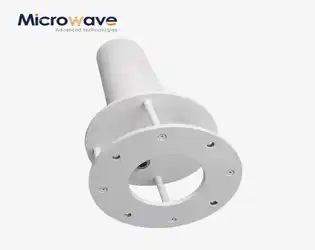
Quadrifilar Helix Antenna: Precision Meets Compact Design
August 8, 2025
In today's rapidly evolving satellite communication landscape, the demand for antennas that combine exceptional performance with space-efficient design has never been greater. The Quadrifilar Helix Antenna stands at the forefront of this technological evolution, representing a perfect synthesis of precision engineering and compact architecture. This innovative antenna design has revolutionized how we approach satellite communications, GPS navigation, and mobile communication systems by delivering outstanding omnidirectional coverage while maintaining remarkably small form factors. Advanced Microwave Technologies Co., Ltd. has leveraged over two decades of expertise to develop Quadrifilar Helix Antenna solutions that meet the stringent requirements of aerospace, defense, and telecommunications industries, ensuring reliable performance across frequency ranges from 200MHz to 5000MHz with gains reaching up to 12dB.
Space-Grade MiniSat Antennas: Compact Lens Horns for CubeSats
August 8, 2025
The rapid evolution of space technology has revolutionized small satellite missions, particularly in the CubeSat domain where size, weight, and power constraints demand innovative solutions. Space-grade minisat antennas represent a critical breakthrough in compact satellite communications, offering unprecedented performance in miniaturized packages. Among the most significant developments in this field is the advancement of compact lens horn antennas specifically designed for CubeSat applications. These sophisticated systems integrate the precision of conical horn lens antenna technology with the stringent requirements of space environments, delivering exceptional signal transmission capabilities while maintaining the compact form factors essential for modern satellite missions. The integration of advanced materials and engineering expertise has enabled manufacturers to create antennas that not only meet the demanding specifications of space applications but also provide the reliability and performance necessary for critical communications in the harsh environment of space.
Top 7 Coaxial Cable Connector Types and Their Best Uses
August 7, 2025
When selecting the right coaxial cable connector for your application, understanding the distinct characteristics and optimal uses of each connector type is crucial for maintaining signal integrity and system reliability. Coaxial cable connectors serve as the critical interface between cables and equipment, ensuring proper impedance matching and signal transmission across various frequency ranges. From telecommunications infrastructure to aerospace applications, these connectors must withstand environmental challenges while delivering consistent performance. Advanced Microwave Technologies Co., Ltd, with over 20 years of experience in microwave technology, recognizes that choosing the appropriate coaxial cable connector can significantly impact system performance, signal quality, and operational longevity. This comprehensive guide explores the seven most essential coaxial cable connector types, their unique features, and their optimal applications across industries ranging from defense and aerospace to commercial telecommunications.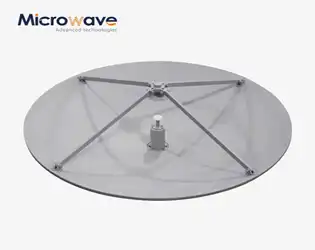
Top 5 Benefits of Using a Cassegrain Antenna in Satellite Communication
August 7, 2025
In the rapidly evolving landscape of satellite communication, the choice of antenna technology plays a pivotal role in determining system performance, reliability, and operational efficiency. Among the various antenna configurations available, the Cassegrain Antenna has emerged as a superior solution for demanding satellite communication applications. This dual-reflector antenna system, characterized by its unique design featuring a primary parabolic reflector and a secondary hyperbolic sub-reflector, offers unparalleled advantages that make it the preferred choice for aerospace, defense, and commercial satellite operations. The sophisticated engineering behind the Cassegrain Antenna enables it to deliver exceptional signal integrity, remarkable efficiency, and outstanding versatility across a wide frequency spectrum, making it an indispensable component in modern satellite communication infrastructure.